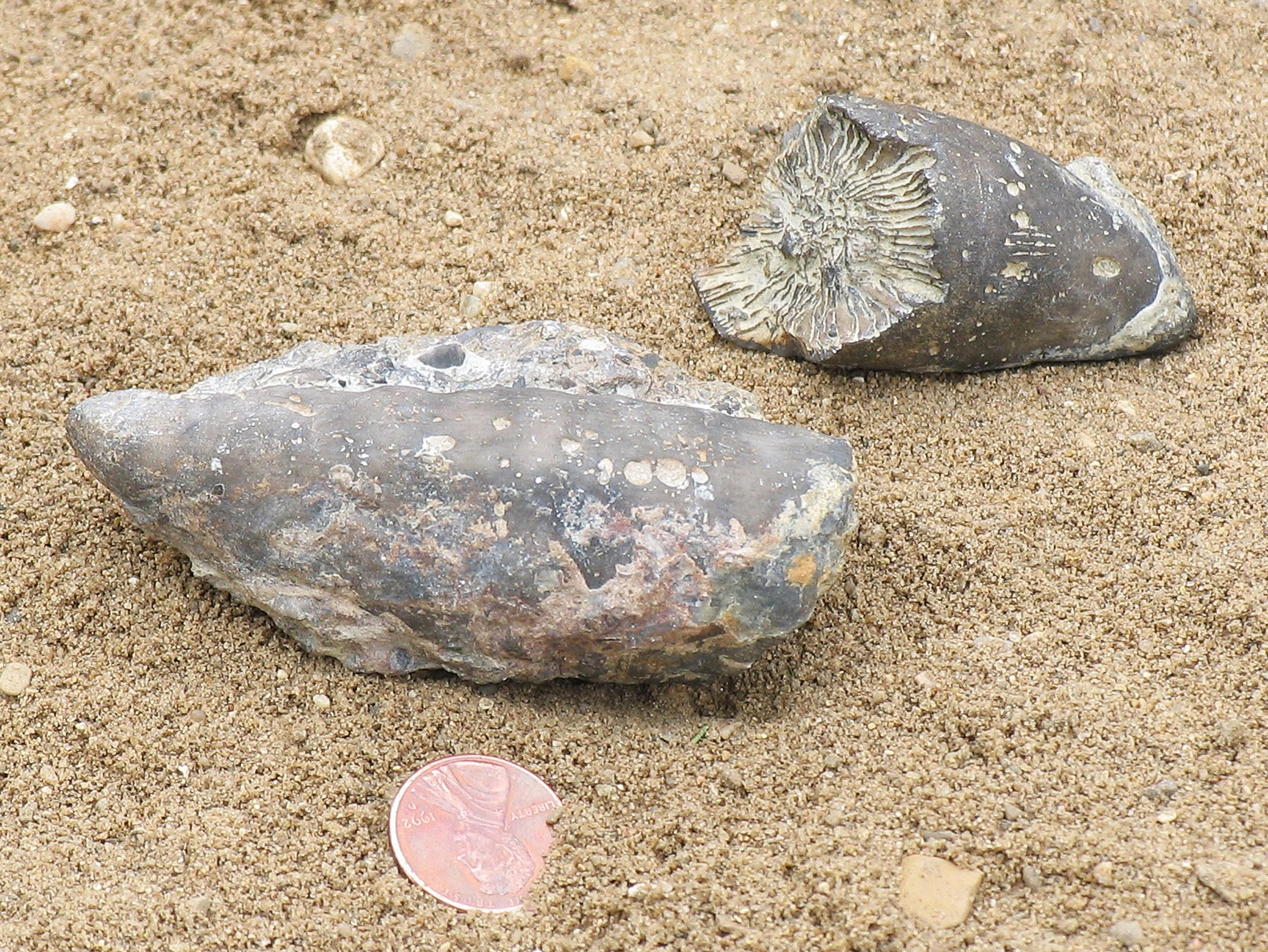
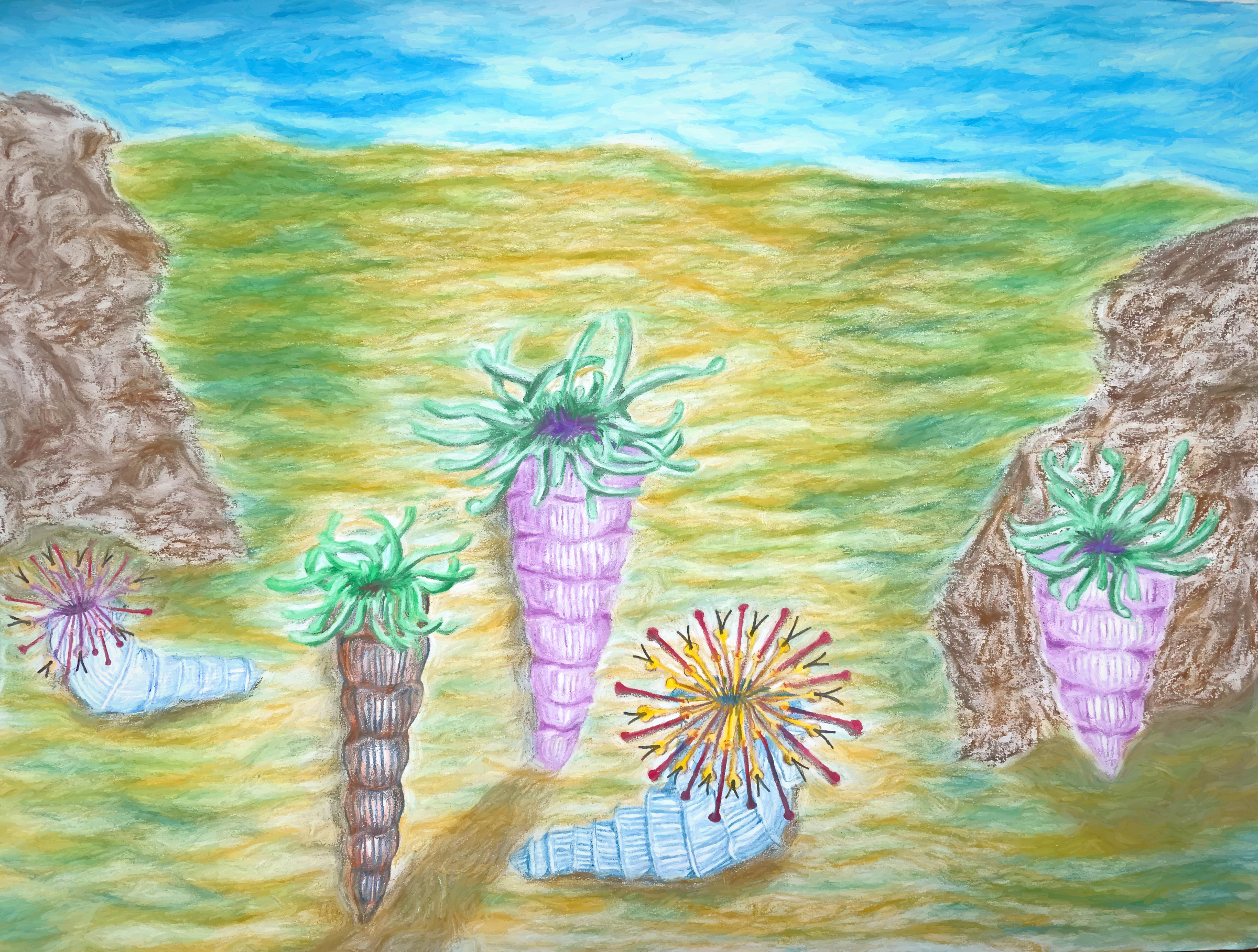
The horn corals have been extinct for millions of years, but in their heyday they must have added an extraordinary beauty to the diorama of the Paleozoic seafloor. Some varieties dominated the underwater, prehistoric scene reaching multiple-meters in height off the seafloor. At night, a coral animal flung out its long tentacles in order to sweep up unsuspecting tiny organisms passing by in the ocean currents.
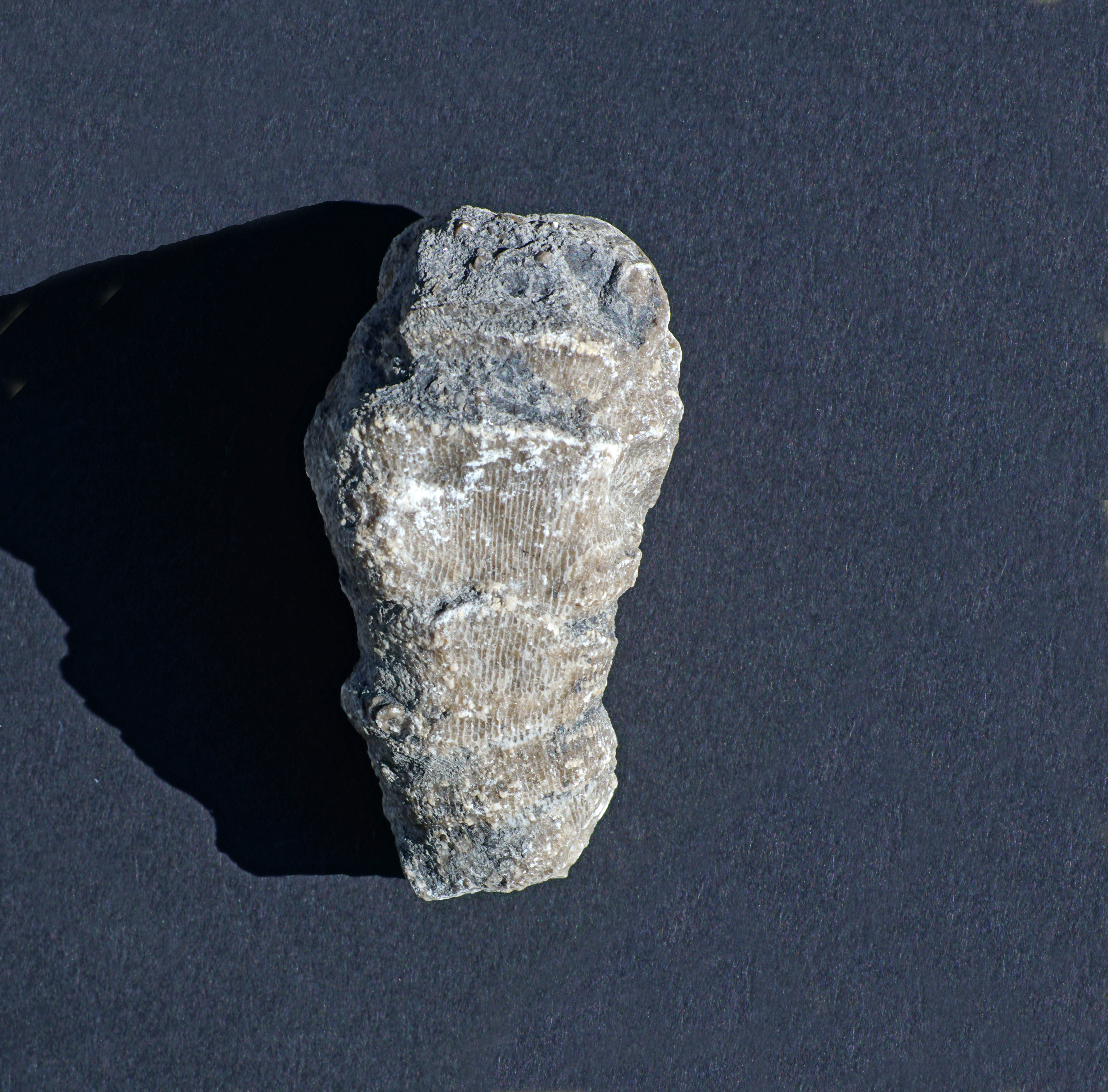
Horn corals (rugose corals, meaning wrinkled wall) attached themselves to the seafloor with the narrow ends of their exoskeletons. As the organism grew, their top portion widened where the tentacles were encased; hence the reference to the shape of a horn. Horn corals flourished during the Paleozoic time slot from about the Mid-Ordovician Period around 250 million years ago throught to the end of the great Permian mass extinction about 250 million years ago. Most horn corals were individual varieties with a few colony variety exceptions.
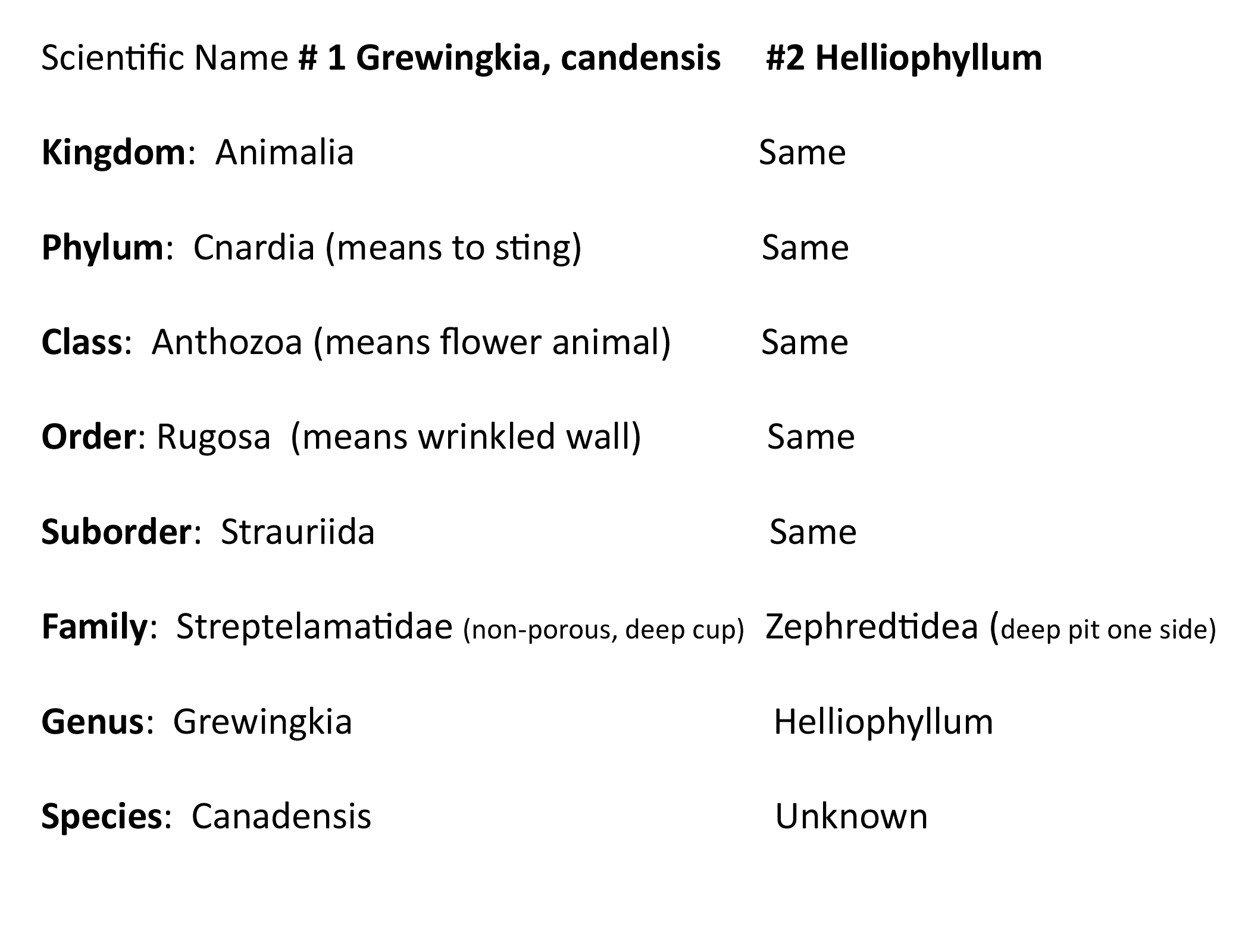
Two Horn Coral Species Classification
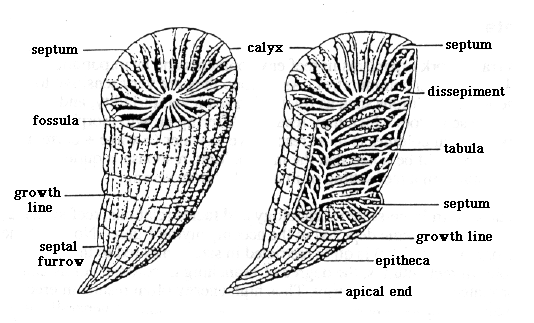
Horn Coral Internal Structure
As a general rule, rugose coral have stronger radial septa (septum) or vertical growth walls that radiate outward from the center . Rugose corals differ from other corals due to the pattern by which they add septa (like bicycle spokes) throughout their growth spurts. Named for their wrinkly outer skin, they possessed less developed horizontal partitions, but stronger vertical partitions.
All rights reserved © Fossillady 2026
 Fossil Lady