
Snaggle Tooth Shark
It may seem obvious, but the extinct Snaggle Tooth Shark inherited its name from the large serrated edges running along the crowns of the teeth. Snaggle Tooth Shark “Hemipristis, serra” fossil teeth have been found worldwide. In 2014, a family in Chesapeake Bay, Maryland found an extremely rare fossilized skeleton of a 15-million-year-old, H. serra shark. The cartilage skeleton is the first one of this species ever found.
This breed could reach an estimated length of 20 feet (6 meters), equivalent to the largest Great White Sharks of today. A tropical breed, they lived beginning from the Oligocene Epoch around 30 million-years-ago through the Miocene Epoch and into the early Pleistocene Epoch about 1 million years ago before dying out, likely due to earth’s cooling temperatures. Their fossilized teeth are highly prized by collectors.
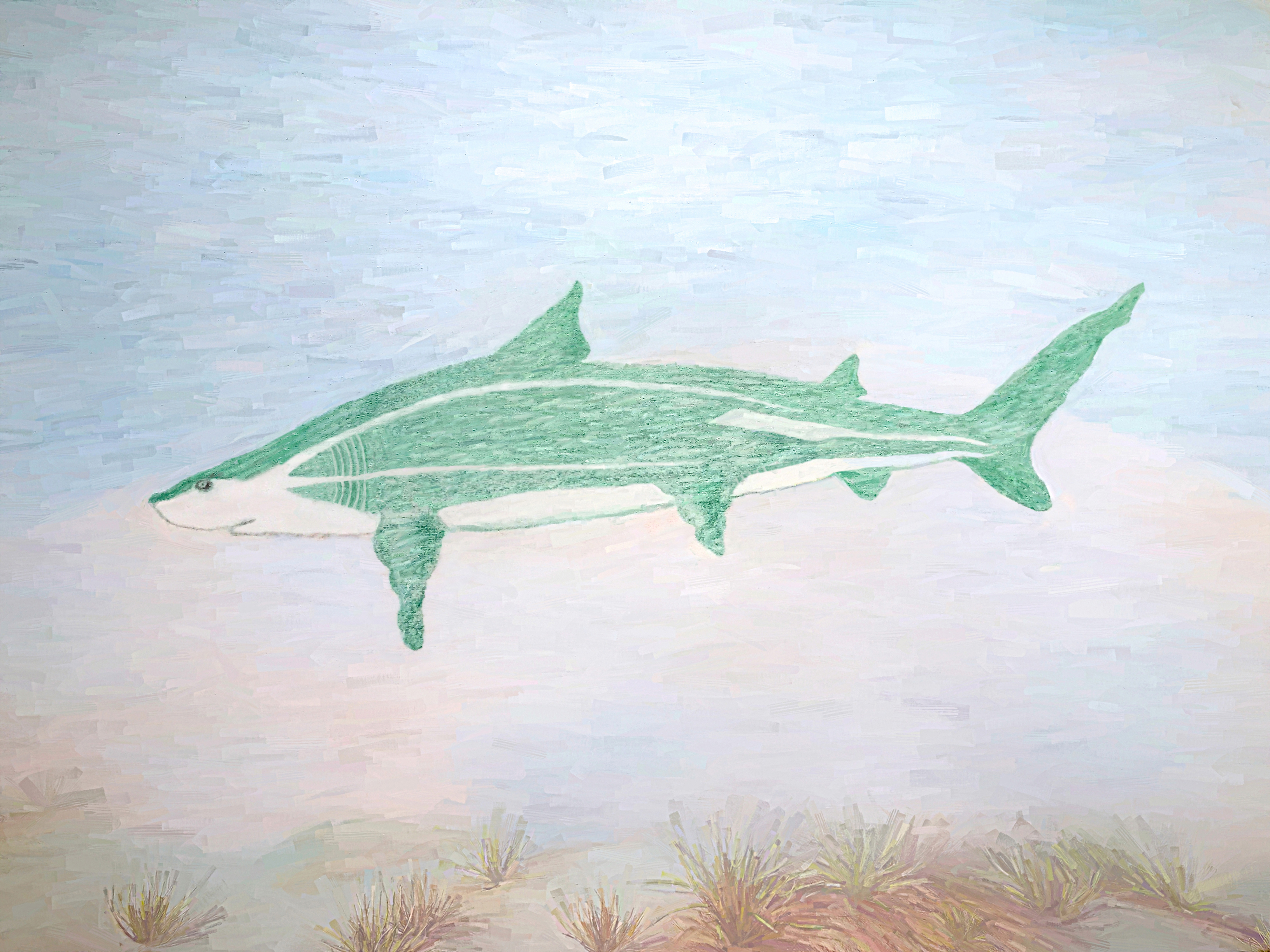
Classification Snaggle Tooth Shark
- Class: Chondrichthyes (Cartilage fishes)
- Superorder: Selachimorpha (Possessing a cartilage skeleton with five to seven gill slits on the sides of the head and pectoral fins that are not fused to the head.)
- Order: Carcharhiniformes (Large ground sharks with nictitating membrane over the eye, two dorsal fins, an anal fin and five gill slits.)
- Family: Hemigaleidae (Weasel sharks family of ground sharks found in eastern from the Atlantic Ocean to the continental Indo-Pacific in shallow coastal waters to a depth of 100 meters (330 feet).
- Genus: Hemipristis (Snaggle Tooth)
- Species: serra (Extinct specie)
Otodus, obliquus Mackerel Shark
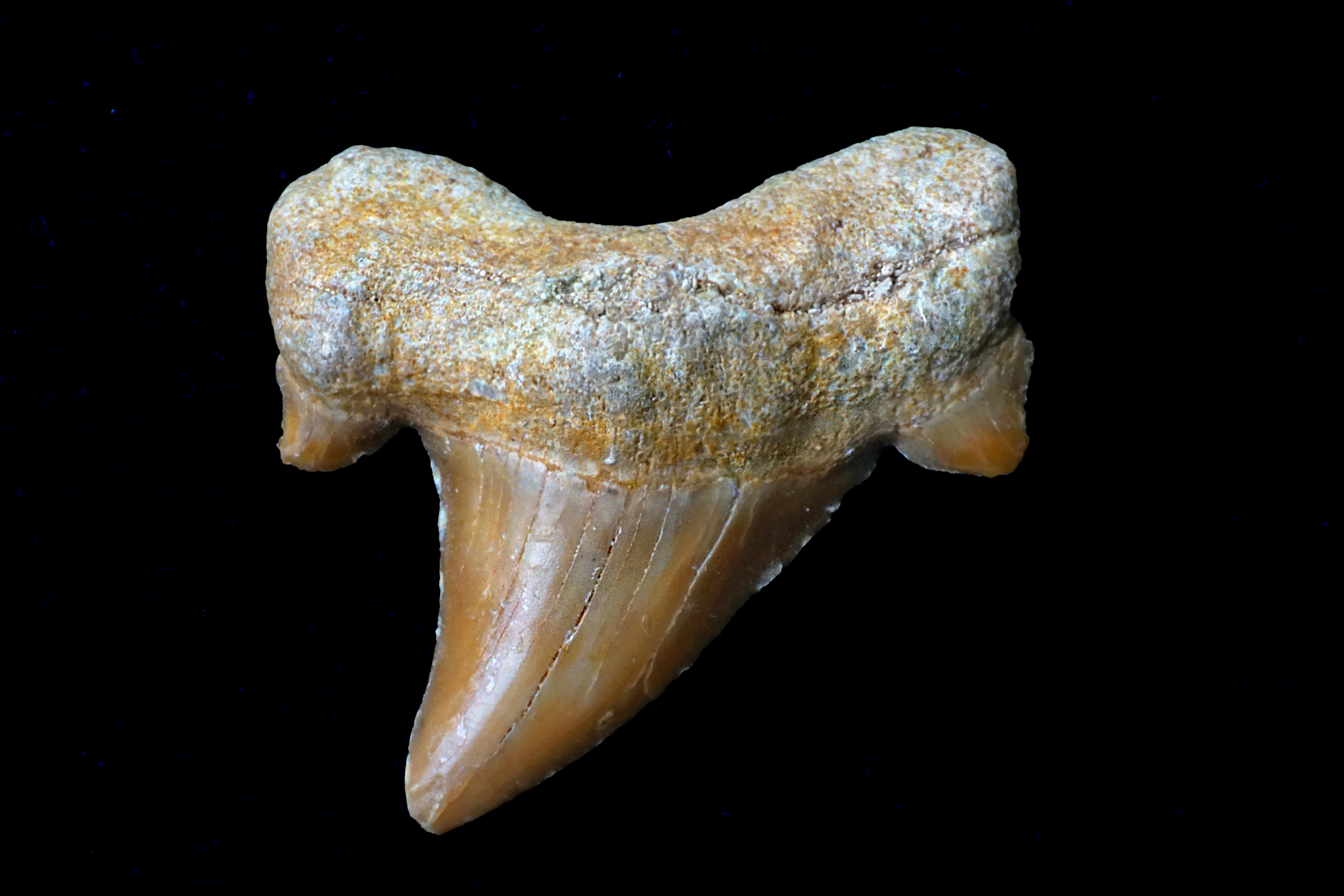
Extinct Otodus, obliquus was a fast-swimming, warm-blooded mackerel shark; the fossil teeth of this shark have been found in the phosphate pits of the Atlas Mountains of Morocco, Africa and the Nanjemoy Formation in Maryland, USA. A direct ancestor to the massive Megalodon shark “Otodus megalodon” the Otodus, obliquus shark is thought to be one of the first giant sharks and top predator of its time. The Otodus obliquus sharks ruled the oceans from the Paleocene Epoch around 66 million-years-ago to the Pliocene Epoch around 1.8 million-years-ago possibly competing with Megalodons after they emerged around 23 million years ago.
Otodus obliquus mackerel sharks averaged approximately 30 feet (9 meters) long with the largest possible exceptions reaching up to 40 feet (12 meters) long. To put that in perspective, the Great White Sharks largest exceptions are 20 feet (6 meters) long. Their teeth are noted for their wide triangular crown and large side-cusps. Largest Megalodons could reach 60 feet (18 m).

Classification Otodus, obliquus
- Class: Chondrichthyes (Cartilage Fish)
- Order: Lamniformes (Possessing two dorsal fins, an anal fin, five gill slits, eyes without nictitating membranes, and a mouth extending behind the eyes. Commonly known as mackerel sharks; includes some of the most familiar species such as the Great White. Also, distinguished for maintaining a higher body temperature than the surrounding water.)
- Family: Otodontidae (Extinct sharks described as mega-toothed sharks. It is believed to be an ancestor to Megalodon.)
- Genus: Otodus (The teeth of these sharks are large with triangular crowns, smooth cutting edges, and visible cusps on the roots. Some Otodus teeth also show signs of evolving serrations.)
- Species: Obliquus (extinct large specie)
All rights reserved © Fossillady 2026
 Fossil Lady