From Tree to Stone

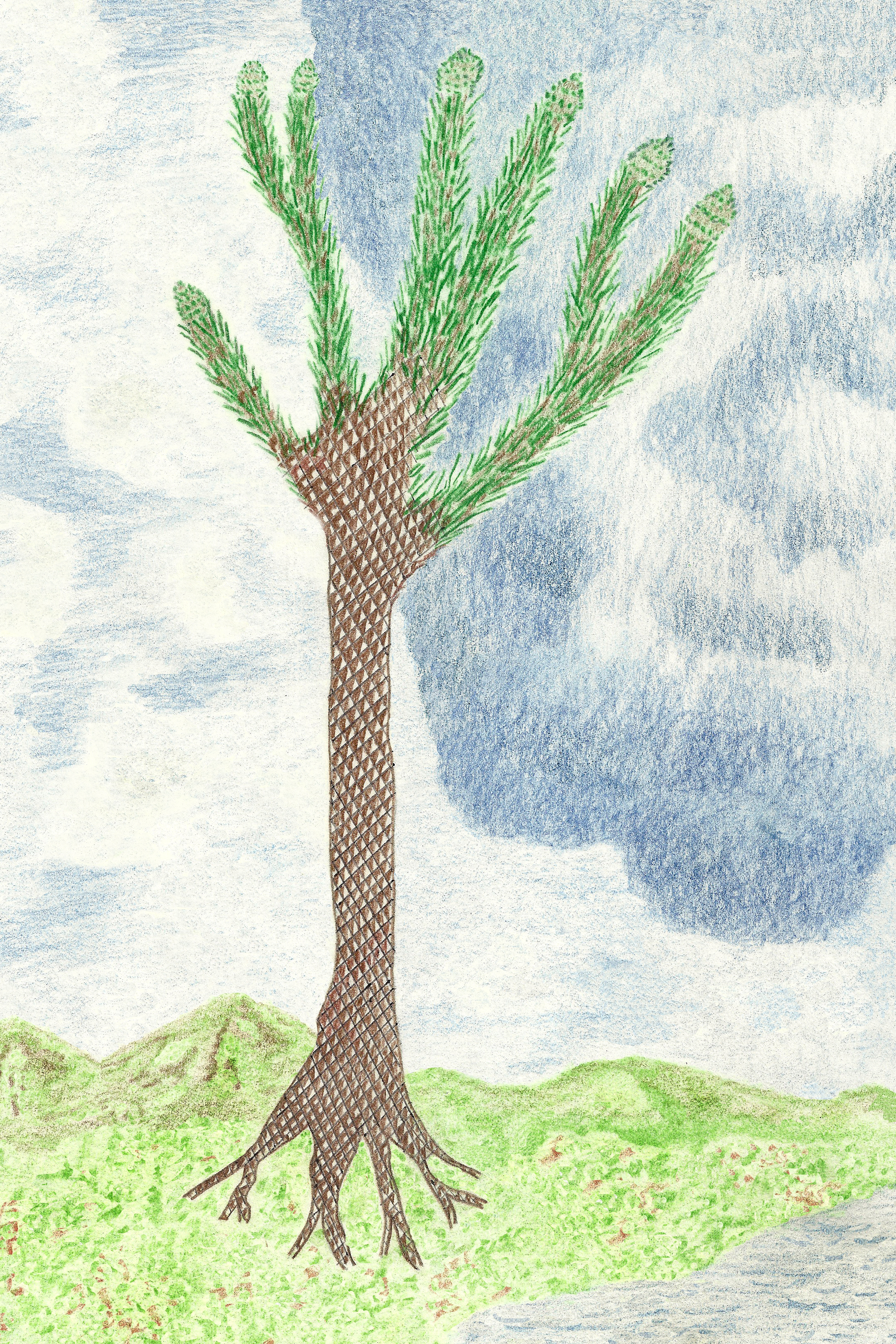
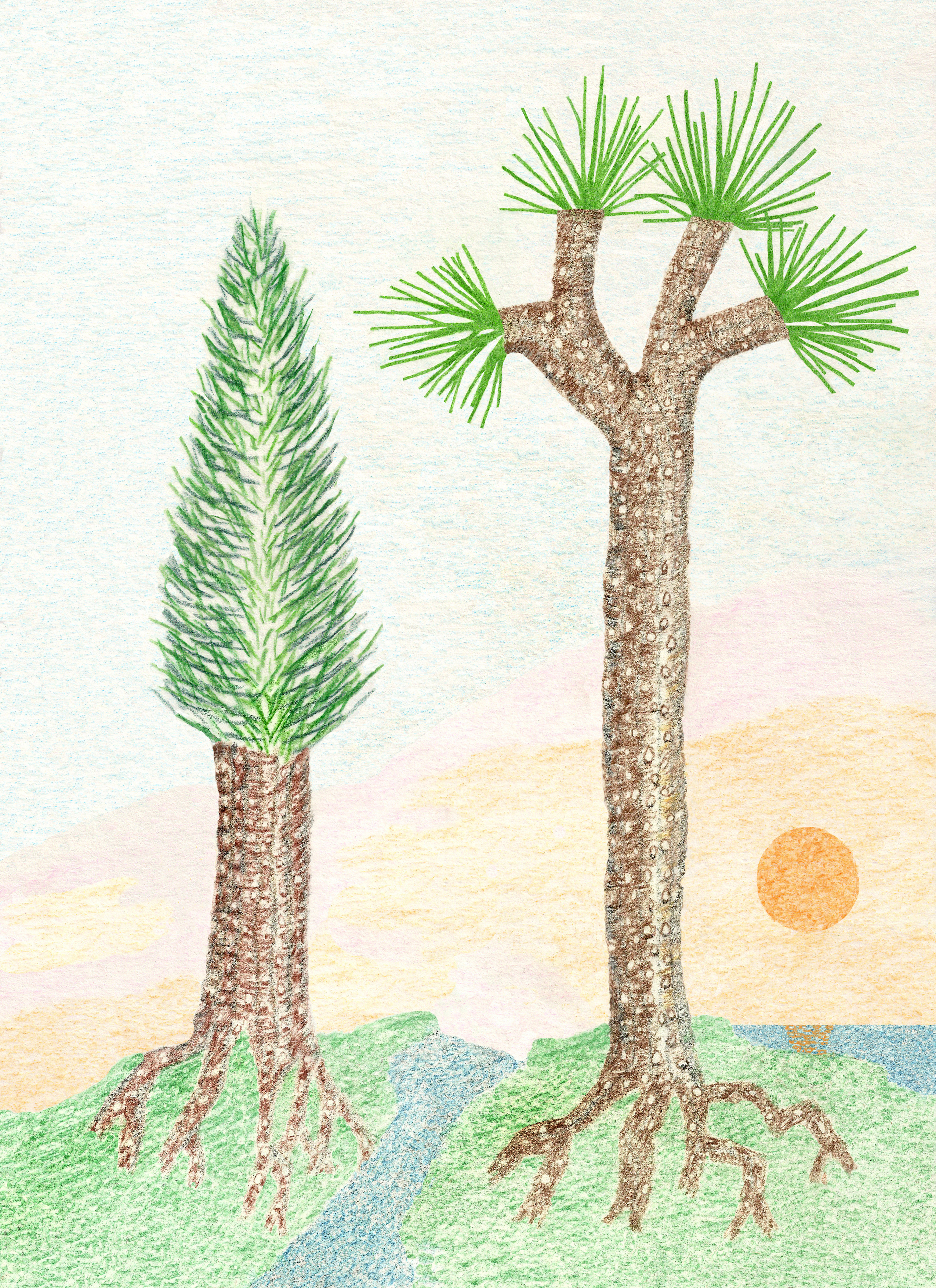
Triassic Period, Araucarioxylon, arizonicum (Petrified Forest National Park) Drawing Rendition

The drawing above is a rendition I drew with colored pencils of Araucarioxylon, arizonicum, an extinct conifer tree identified from the petrified wood from the infamous Petrified Forest National Park located in the U.S. State of Arizona. Originally, it was thought to be a distant relative of the Araucaria tree or the Norfolk Pine, which you often see for sale during the Christmas season as potted plants. Without detailed microscopic examination of the wood, its link to present day trees is only speculation at this point. Modern scientific discoveries indicates there were more species than originally thought lying on the dry Arizona plateau.
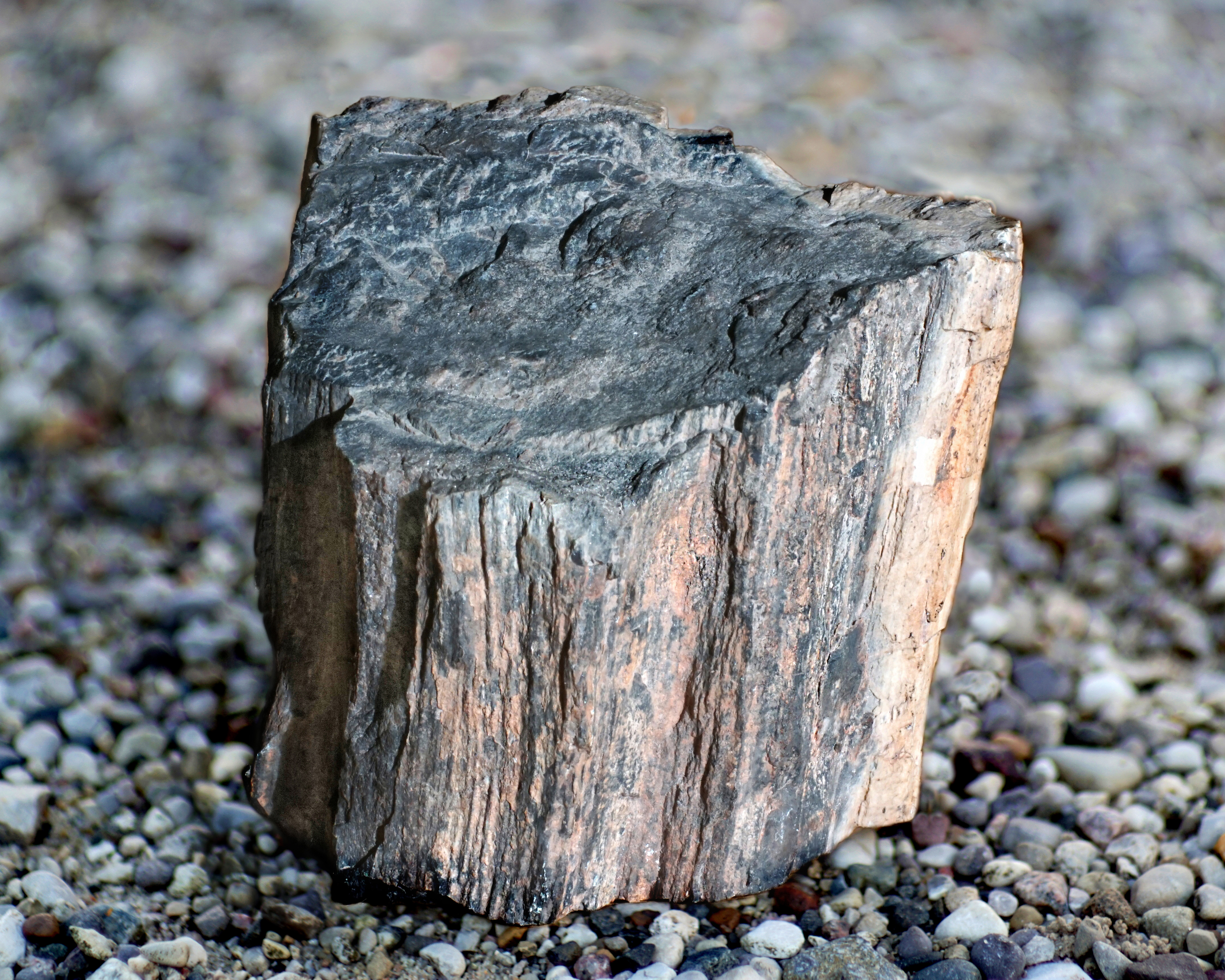
Triassic Period Araucarioxylon, arizonicum petrified wood fossil from Arizona Petrified Wood National Park

Triassic Beginnings

During the Triassic Period, around 225 million years ago, the present day continents were melded together as one supercontinent called Pangea. By the end of the era, around 200 million years ago, widespread volcanic activity began to break the continents apart. The first dinosaurs and mammals had evolved and there had been a boom in cycads (palm like trees), giant tree ferns and conifers . . .  enter the Araucarioxylon of Arizona, a type of conifer or pine. It differs from modern day conifers with its sporadic branch growth pattern around the trunk rather than growing in level whorls. It grew up to 200 feet (60 meters) tall with a 9 foot (2.7 m) diameter. Compare that to the tallest current living conifers, the Sequoias, that grow up to 188 feet (57 meters). To help put that into perspective, maple trees reach up to about 50 feet (15 m) and oak trees top out at about 80 feet (24m) tall.

Triassic Landscape

From Tree To Stone

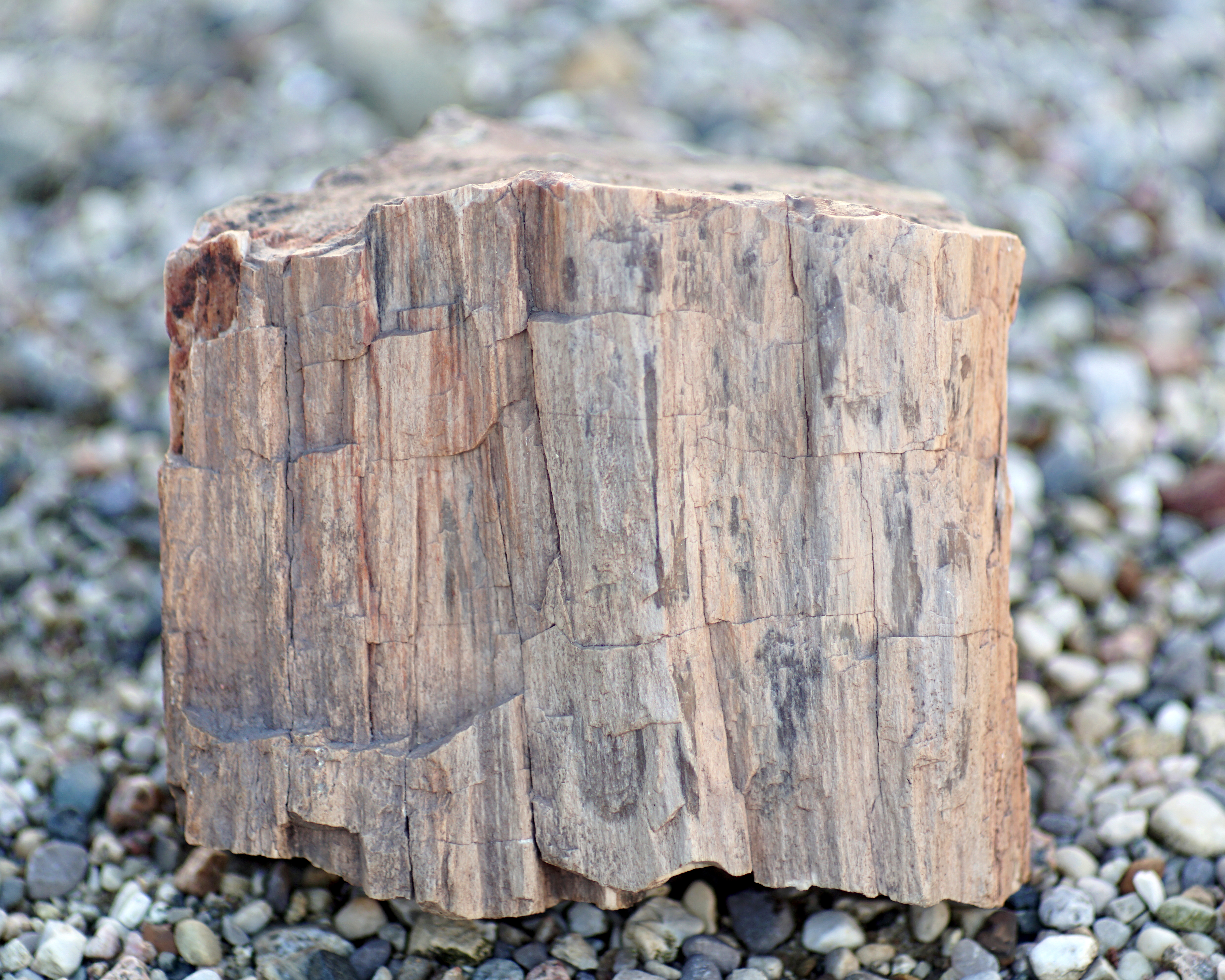
The high and dry tableland in northern Arizona where the National Petrified Forest Park rests, was a vast flood plain during the Triassic Period overflowing with streams and widespread ponds. Prehistoric, extinct plants and trees concentrated along the spilling bodies of water. Dying or blown over trees were washed down the streams into the flood plains where they gathered and decayed. If they were buried under mud, silt or volcanic ash deep enough to cut off oxygen, it slowed the decaying process. Silica laden groundwater gradually seeped through the logs replacing the original wood tissue with silica deposits. As the process continued over the ages, the wood was replaced, atom by atom, with silica crystallized into mineral rich quartz, ultimately turning the wood into a rather attractive stone.
DSC07806
Triassic Petrified Wood Fossil Araucarioxylon, arizonicum from Petrified Forest National Park

Petrified Wood Colors

Various colors, often striking, are produced depending on the mineral contents in the stone:

PINK or RED – Hematite present – a form of oxidized iron – This interesting process is well explained from ScienceView.com. Iron dissolves in ground water when no oxygen is present. The ground water becomes re-oxygenated as it moves though the tree trunks causing oxygen to bond with the iron. The iron then precipitates to produce a solid form of iron called hematite. This hematite is incorporated into the log’s cell walls. The same process occurs when iron stains porcelain sinks. The soluble iron in ground water becomes oxidized into a solid form when it comes in contact with air, causing a reddish stain.

YELLOW BROWN or ORANGE – Goethite present- a weathered hydrated iron oxide that becomes crystallized

GREEN – Pure native iron present

WHITE  – Pure Silica present – Silicon, Si, and oxygen, O, are the two most abundant elements in the earth’s crust which together form silica dioxide quartz

BLACK – Carbon or Pyrite or Iron Sulfide (the most wide spread sulfide) present – The wood was affected as hydrogen sulfide from decaying organic matter interacted with iron forming pyrite.

PURPLE or BLUE  Manganese present – This is a secondary material formed when water leaches manganese from igneous rock and re-deposits it as a concentration of manganese dioxide.

TAN   Silica Dioxide present – naturally found in water, plants, animals, and the earth

Uplift

How did the petrified wood of Arizona become uncovered? First, millions of years ago, the area sank to the point which completely flooded everything with freshwater sediments. It continued to sink deeper becoming completely buried. Millions of years later, the area was lifted far above sea level from westerly continental plate pressure. The uplift created stresses that cracked the giant logs. Over time, wind and water have worn away the layers of hardened sediments, exposing the fossilized wood.

Lake Michigan Petrified Driftwood
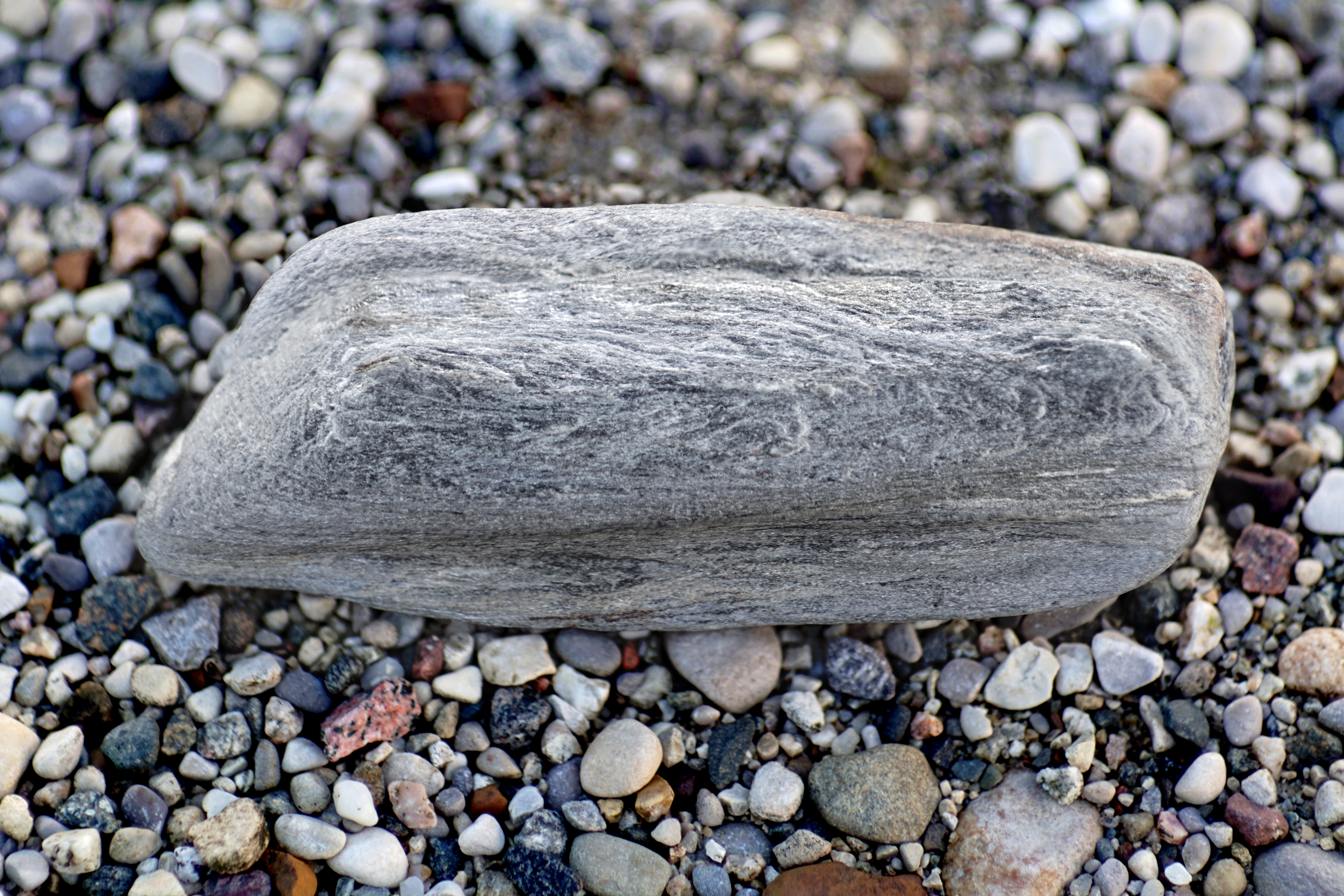
Petrified Driftwood Lake Michigan Beach

While the Petrified Forest of Arizona has the highest concentration of petrified wood in the world, it can be found in every US state and other countries around the world. I found this sample of petrified driftwood on a Southwest Michigan beach off Lake Michigan called Oval Beach. It’s predominantly gray with a slight bluish green cast and has a few streaks of rust. In certain light, it casts a very bright sheen or luster. It’s difficult to capture the sheen in a photograph, but you can get a better idea from its flip side in the photo below.

Petrified Driftwood Lake Michigan Beach

After researching the possible mineral contents of my sample, according to its dense property, color and luster, my best guess tells me that it’s hematite specularite. I have collected driftwood on the beach very often, but never before a piece that was petrified!

See a sample of petrified wood of extinct scale trees, from one of my previous posts.

All rights reserved © Fossillady 2022
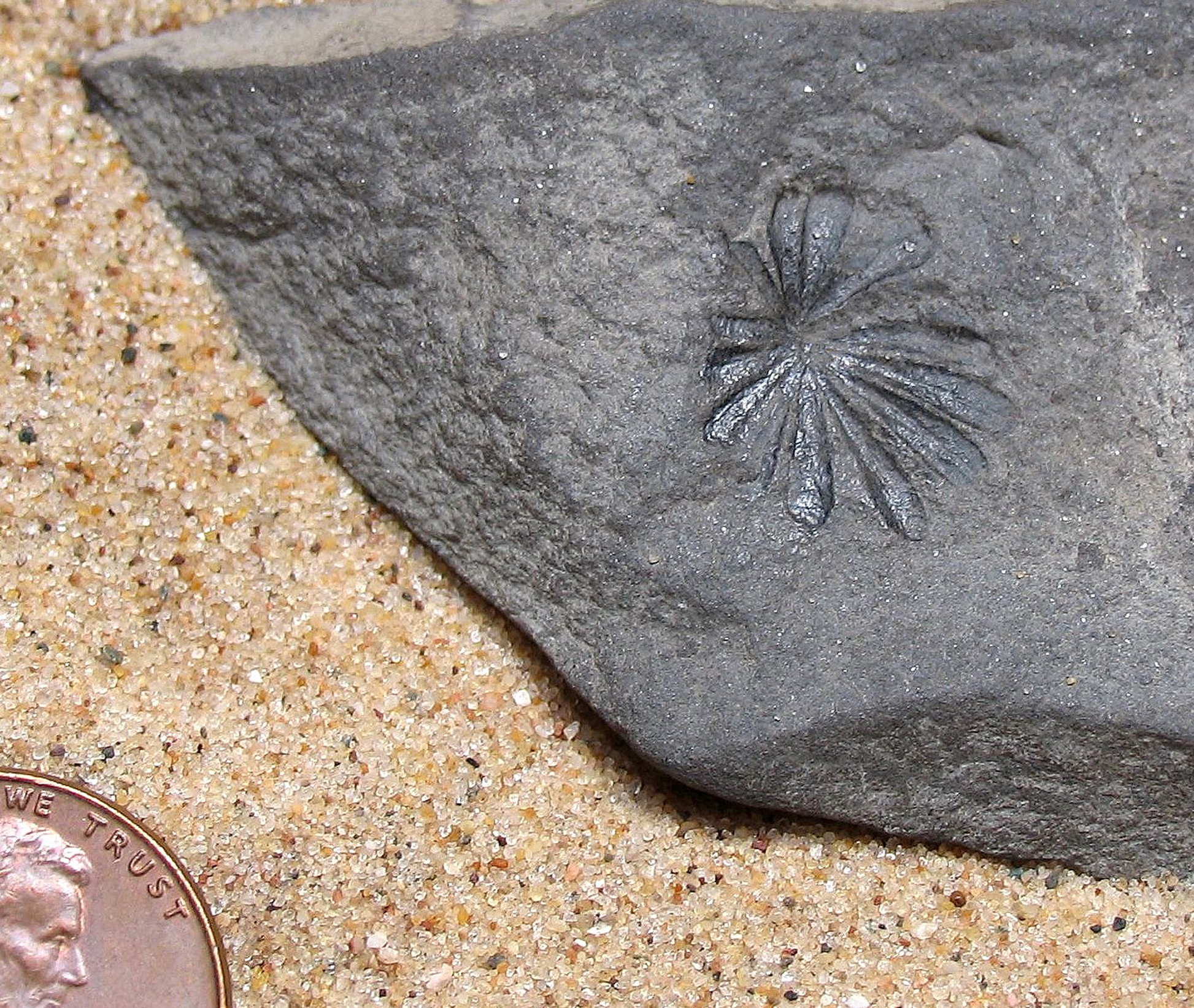
Earth’s Original Land Tree Plant

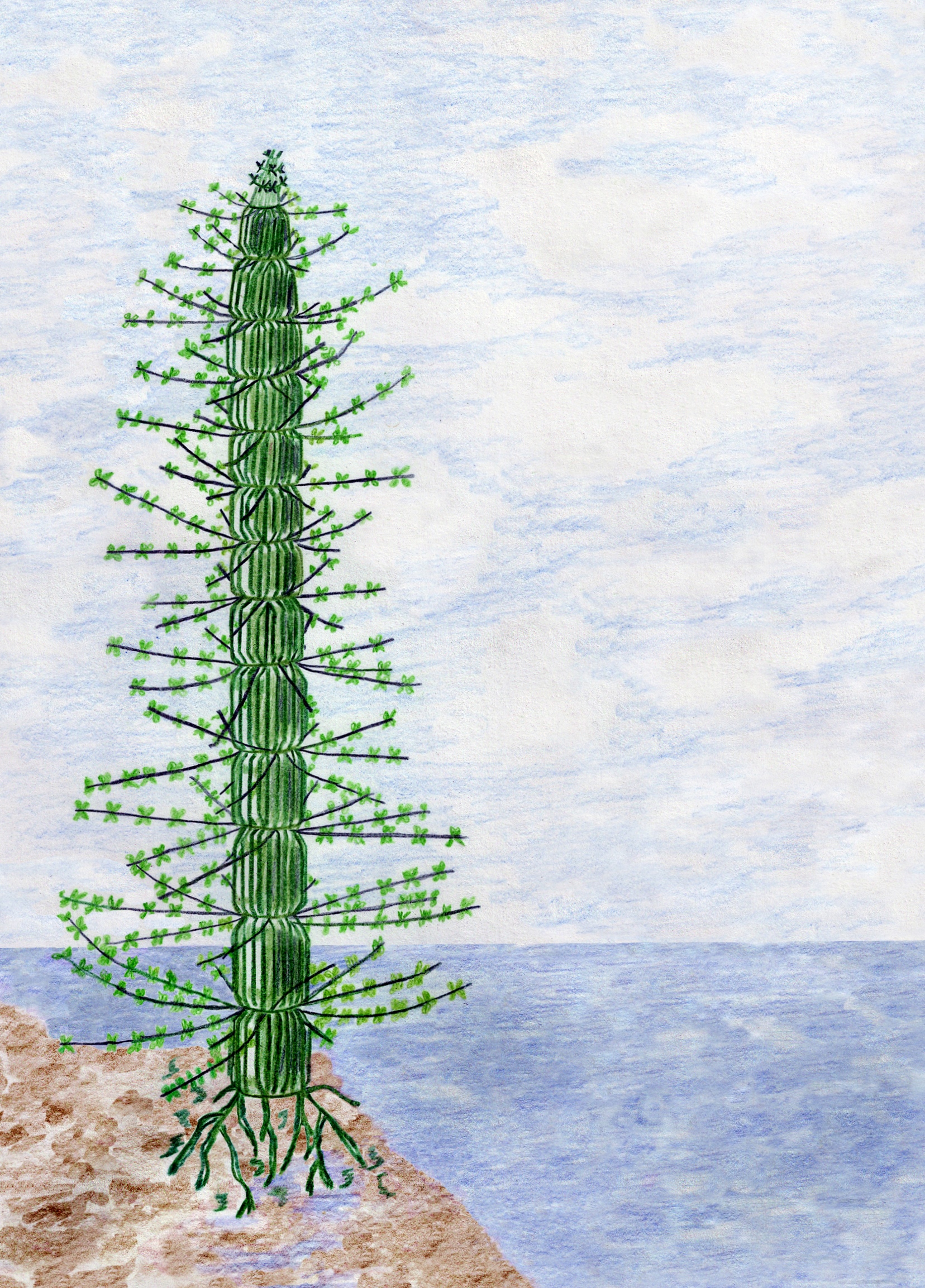
Was the “Calamite” the first tree-like plant to grow on land? Many scientists believe so. It possibly grew up to 100 feet (30 meters) tall, towering above the sparse landscape during its lengthy lifespan. Its earliest ancestral calamites were herbaceous and small appearing approximately 400 million years ago during the Devonian Time Period. The Calamite tree-like species trived during the tropical coal swamps of the Carboniferous roughly 360 million years ago before dying out at the end of the Permian mass extinction roughly 250 million years ago.

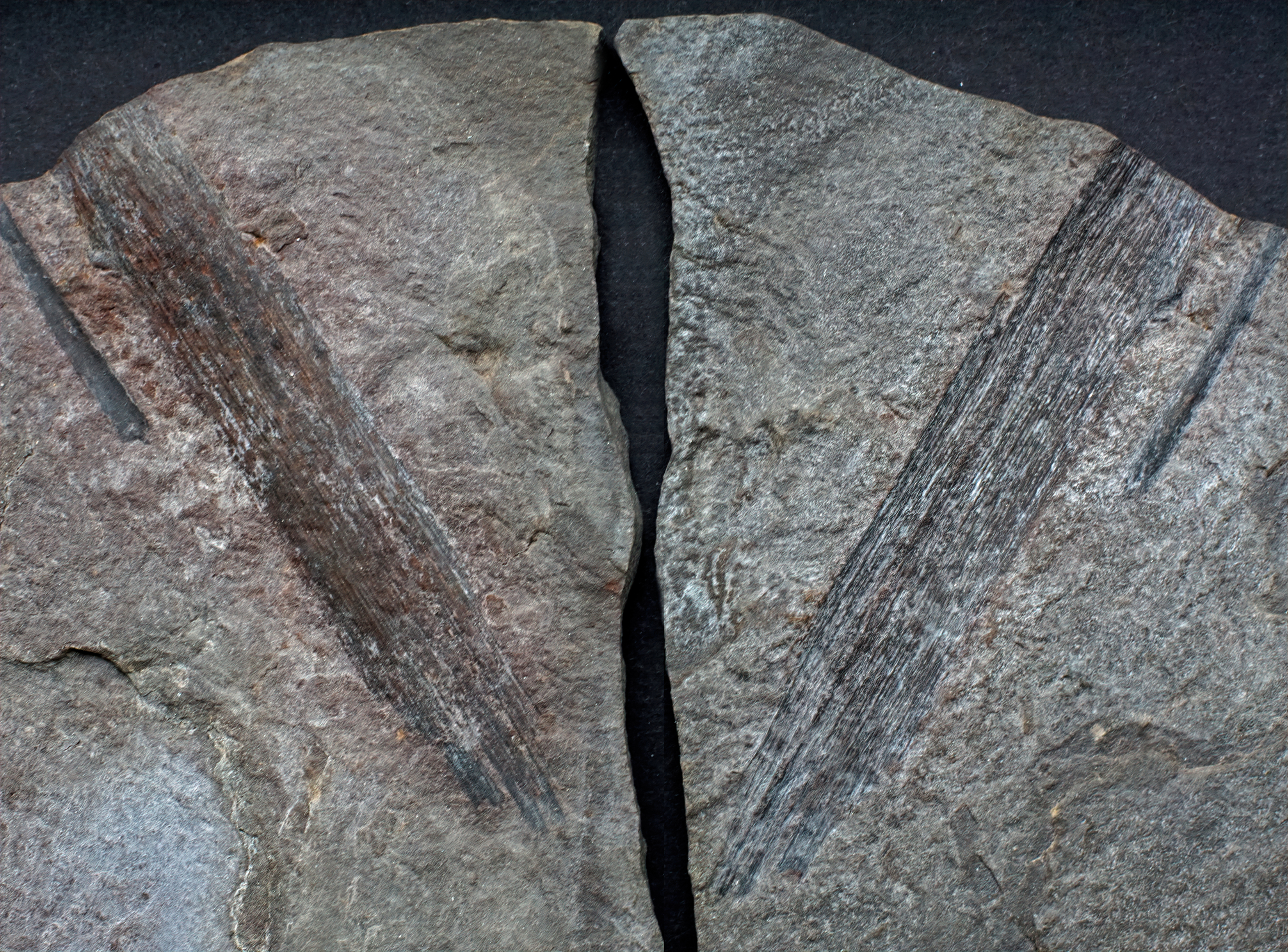
Devonian to Carboniferous Age Calamite Tree Leaf Imprint “Annularia” Trace Fossil

The trunk of the Calamite tree-like plant  was a woody hollow tube, lacking true bark. The calamite resembled modern day bamboo with segments and ribbing. The leaves called “annularia” were primitive and needle like, arranged in whorls around a stem.

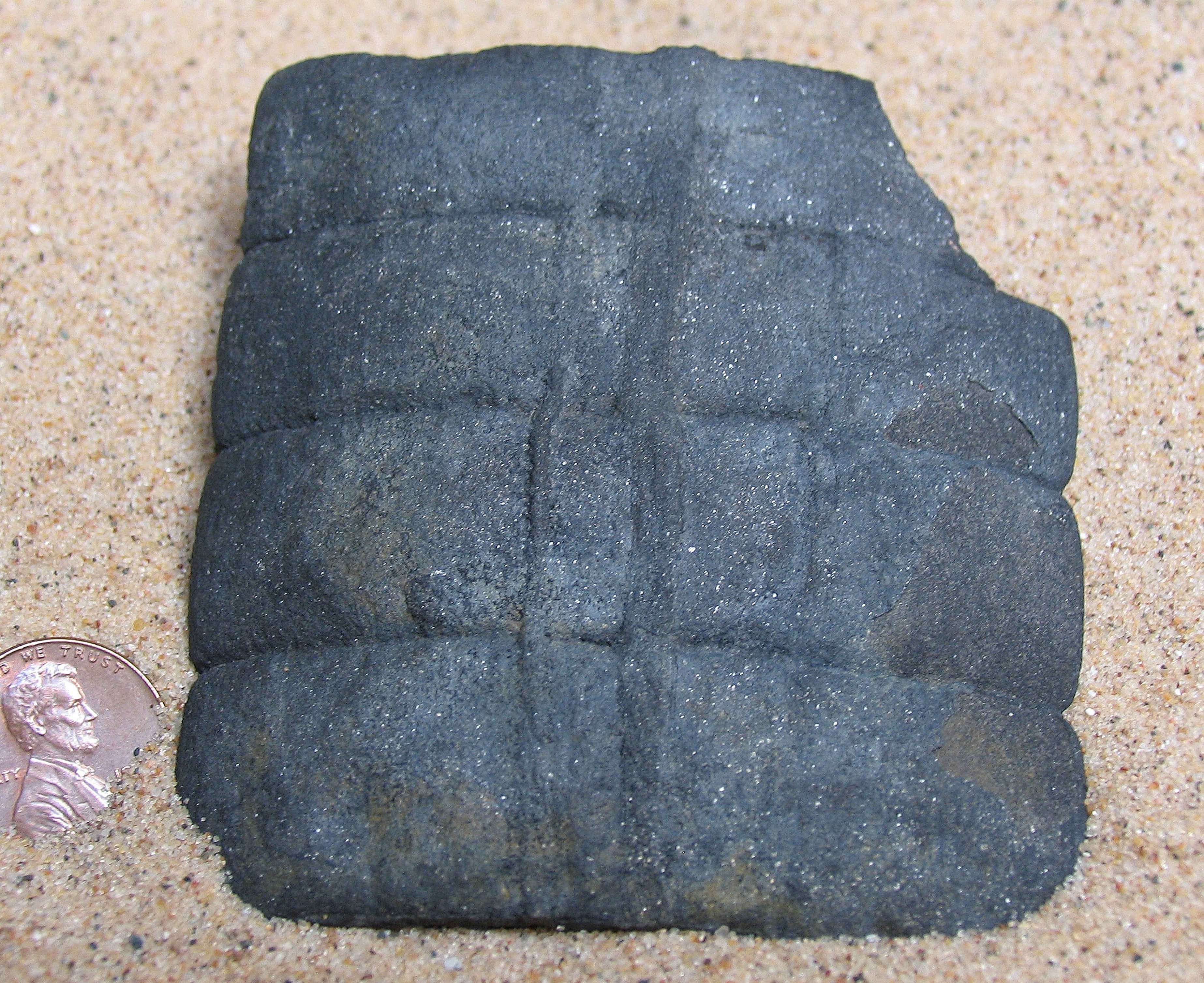
Trace Fossil Imprint of Devonian to Carboniferous Age Calamite Tree Stem

The Calamite-tree reached its zenith durng the hot swamp tropics of the past, particularly during the Pennsylvanian Period around 300 mya. Many of their fossils have been found worldwide including, USA, China, Canada, South America and Europe.

Internal and External Imprint Fossil of Calamite Tree Stem

The three amazing fossils above were found in Sebastian County, Arkansas in an old coal strip mine in 1993 by Michael A. Whitkanack, who donated them to my classroom. They are actually the imprints of the Calamite’s leaves and stems which scientists refer to as trace fossils.

Scan_Pic0012a
Devonian to Carboniferous Era Calamite Tree (Earth’s First Tree-Like Land Plant) Rendition Drawing

 CLASSIFICATION

Scientific Name: Calamite Common Name: Horsetail / Wiskfern

Kingdom: Plantae

Division: Pteridophyta (ferns, reproduce by spores)

Class: Sphenopsida or Equisetopsida (means ribbed, vertical jointed stem; bamboo like in appearance)

Order: Equisetales (ancient, arborescent (tree-like) relative of modern-day horsetails (Equisetum)

Family: Calamitaceae (extinct family of tree-sized, spore-bearing plants closely related to modern horsetails)

Genus:  (STEM) Calamite (LEAF) Annularia

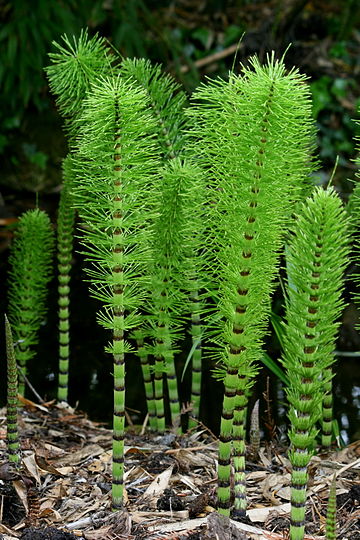
Special Note: The Calamite may look familiar to some. Their modern descendants are the “horsetails” of today. They grow in open fields and edges of woodlands, but only reach a few feet tall.

Equisetopsida

The “horsetail” or Equisetum is an amazing living fossil related to the Calamites, the only surviving genus from the entire class of Equisetopsida. For millions of years, the Equisetopsidas were much more diverse and flouished during the late Paleozoic, Permian and Carboniferous forests. Through the millenniums, they decomposed layer by layer, sinking deep and eventually contributing to the coal deposits of today.

All rights reserved © Fossillady 2025

The Extinct Medullosa Tree and its Leaves called “Neuropteris”

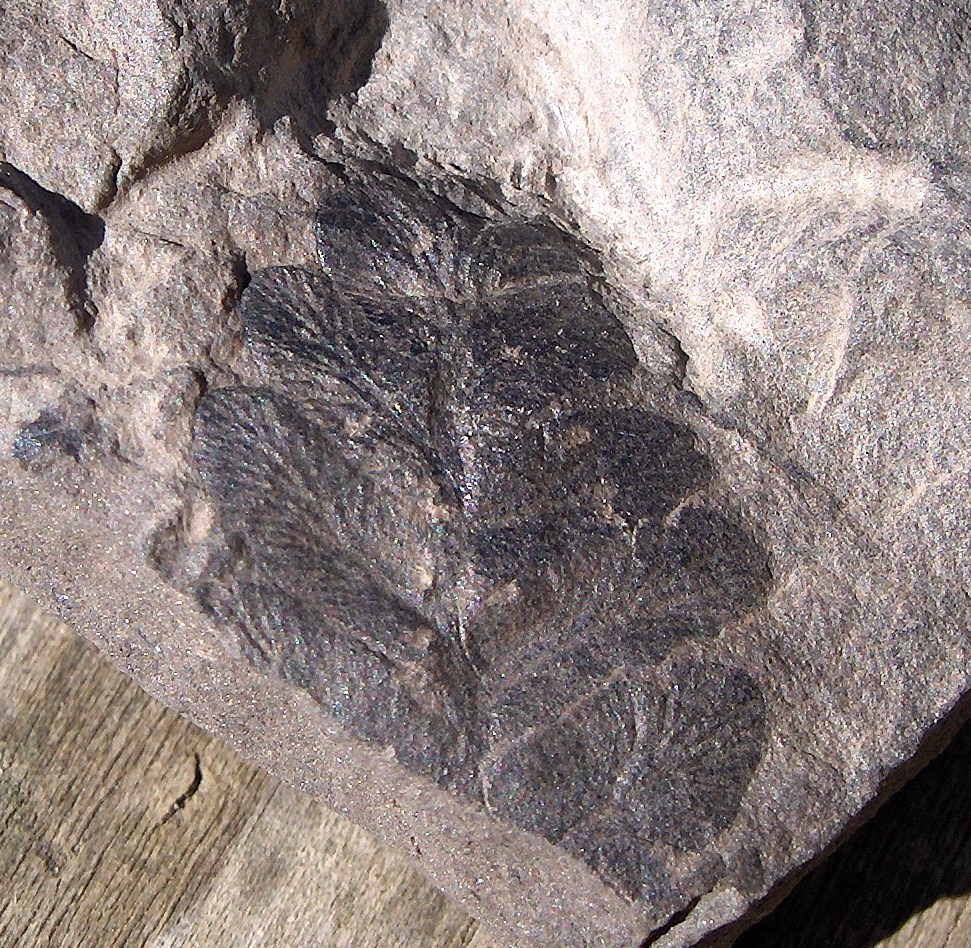
Neuropteris Fossil Leaf Imprint

Extinct Neuopteris leaves are associated with the extinct tree called Medullosa, an ancestor of the flowering plant group. They flourished at the same time as the tree called Psaronius associated with the leaf called Pecopteris during the hot swamps of the Carboniferous through the Permian time slots around 360 to 250 million years ago. Earth’s cooling temperatures likely contributed to both of these trees disappearances.

Note: The reason these extinct trees have different names from their leaves is because scientists discovered them at different times and assigned them separate names before they put them together. If you think this creates confusion, I would have to agree.

NEUROPTERIS LEAF CLASSIFICATION

Kingdom: Plantae

Division: Tracheophyta (vascular plants with system of transporting nutrients and liquids)

Class: Gymnosperm (means bare seeds – today’s examples i.e. conifers, cyads, ginkgo)

Order: Pteridospermales (extinct group of seed-ferns which bore seeds on leaves)

Family: Medullosales (plants with complex pollen organs and large fronds)

Genera: Neuropteris (given name of foliage)

Scan_Pic0011c
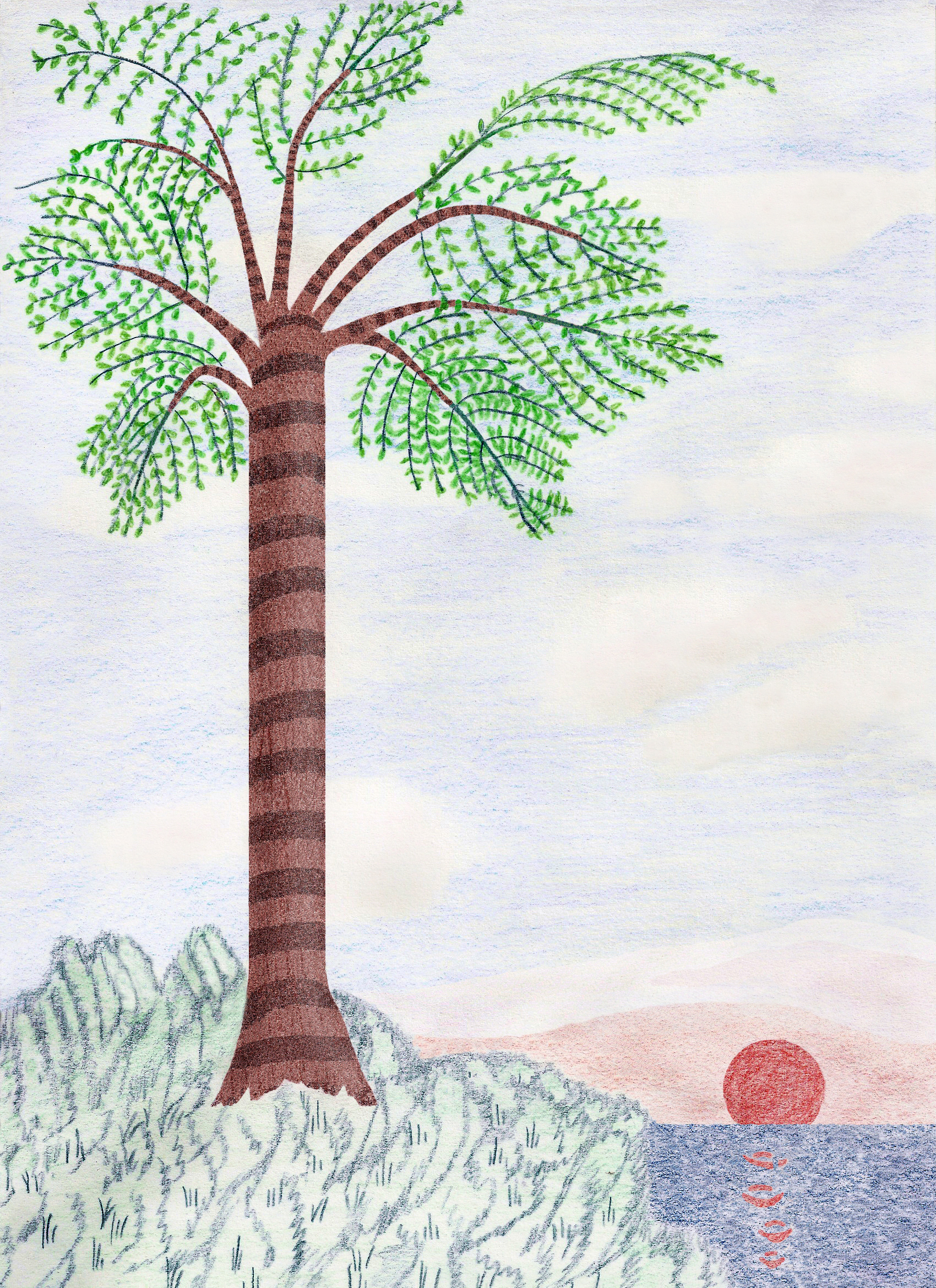
Carboniferous to Permian Era Medullosa Seed Fern Tree Rendition Drawing

Medullosa seed-bearing tree is associated with the leaves called “Neuropteris”. Medullosa was a medium sized tree, often called seed-fern tree, reaching about 33 feet (10 meters) tall. It was not a true fern because it produced seeds, instead of spores. It only resembled fern trees and grew during the same era as the true fern trees, for example the “Psaronius” tree associated with the “Pecopteris” leaves. The leaves of Medullosa had many leaflets attached to a leaf stem which could grow quite large, as much as 10 feet (3 meters) long.

MEDULLOSA TREE CLASSIFICATION

Kingdom: Plantae

Clade: Traceophytes (Large group of vascular plants with transport system for nutrients and fluids)

Division: Pteridosperm(aphyta) (Extinct group of seed bearing plants)

Order: Medullosales (Plants with complex pollen organs and large fronds)

Family: Neurodontopteridaceae (Neuropteris Leaf)

Genus: Medullosa (Seed-bearing, fern-like plants)

All rights reserved © Fossillady 2026

Pecopteris Leaf of Fern Tree “Psaronius”

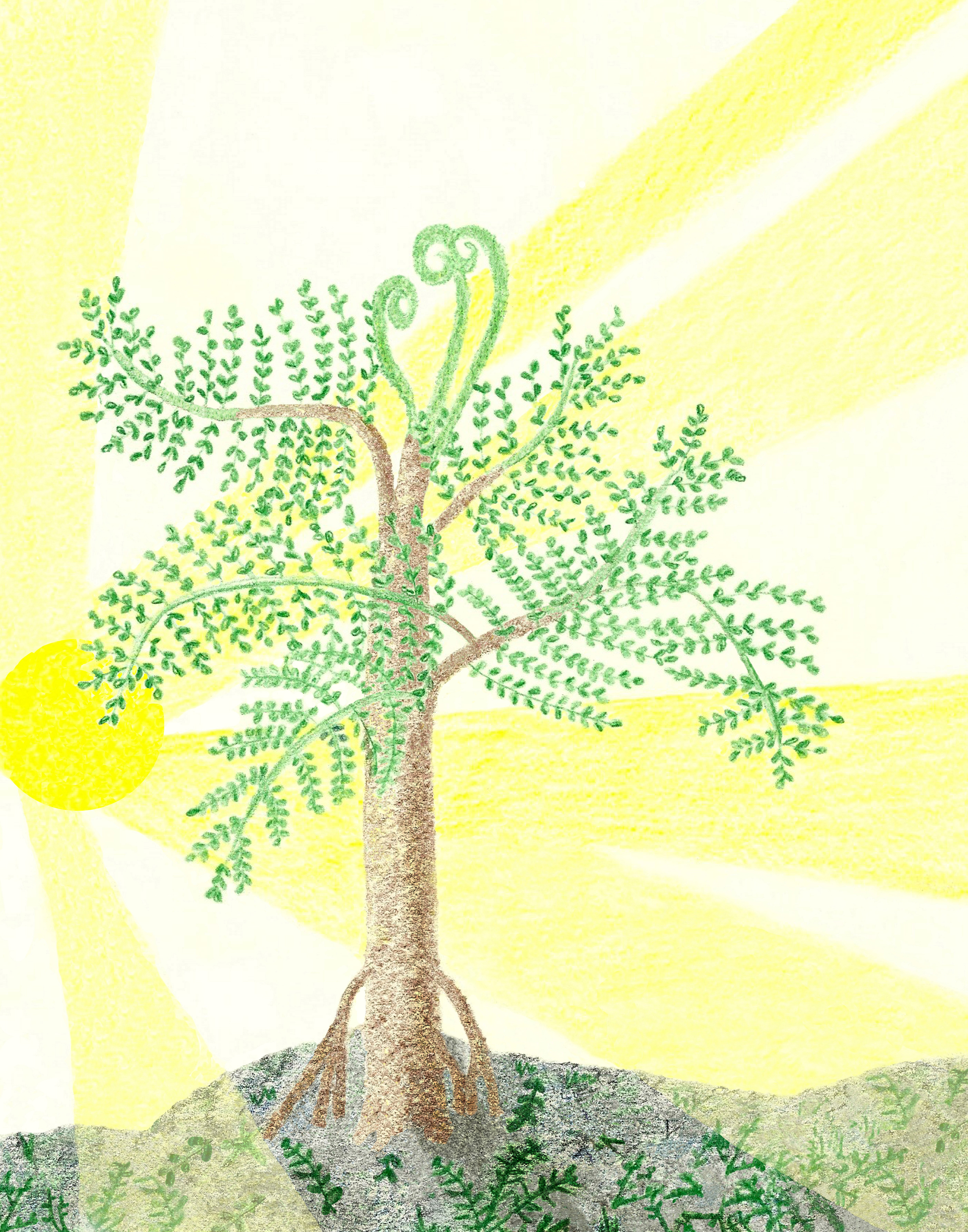
The extinct fern leaves called Pecopteris grew on the tree called Psaronius appearing in the coal swamps of the Carboniferous and Permian time periods, approximately 359-251 million years ago. Pecopteris leaves grew and dropped off the medium sized, 35 foot (10 meters) Psaronius tree, one of the most common Carboniferous varieties. With its expansive leaves and branches, it resembled modern day palm trees. Impressively, it produced as many as 7000 tiny spores on the underside of its leaves. These fossil samples are preserved in gray coal shale unearthed in the state of Pennsylvania as with many Carboniferous leaf fossils.

Pecopteris Leaf Fossil Imprint from Carboniferous Period Psaronius Fern Tree

Description of Pecopteris Leaves– The individual leaflets of Pecopteris compound fern leaves are oval, straight and narrow. The midveins of each extends all the way up to the tip. A good way to identify Pecopteris leaves is hinted in its name, derived from the Greek word meaning, to comb. Observably, the leaflets along the leaf stems feature an arrangement resembling that of a comb.

Devonian to Carboniferous to Permian Era Pecopteris Imprint Fossil Leaflets from Fern Tree

What makes ancient fern trees so special? The large fronds produced by Pecopteris leaves, which grew upon the ancient Psaronius fern trees, cloaked the forest floor in deep shade together with the Medullosa seed-fern trees and others. Consequently, they protected the ancient creatures below from the strong ultra violet rays of the sun as it was closer to earth and more powerful during the Paleozoic Era. Also, the shedding and decomposing of leaves created more layers of soil for roots to extend deeper and deeper, alleviating the need for trees to grow near water pools. Trees were then able to spread further inland. Yet another benefit was that the leaves fed inland water sources cultivating more fresh water fish varieties. But this fantastic fossil fern is most special to me because I inherited from my late father-in-law, Joseph Mirto II. It was found in Johnstown, Pennsylvania.

PECOPTERIS LEAF CLASSIFICATION

Kingdom: Plantae

Division: Pteridophtya (meaning vascular plant with transport system for nutrients and fluids)

Class: Filicopsida (Ferns which reproduce with spores)

Order: Marattiales (primitive ferns)

Family: Marattiaceae (known for having the largest fronds and spores of any fern, alongside thick, starchy, edible rhizomes)

Genus: Pecopteris (known for comb-like arranged leaflets)

Scan_Pic0014a
Psaronius Fern Tree Rendition Drawing, Devonian to Carboniferous to Permian Era

PSARNONIUS FERN TREE CLASSIFICATION

Botanical Name: Psaronius Common Name: Fern Tree

Kingdom: Plantae

Division: Tracheophyta (meaning vascular plant with transport system for nutrients and fluids)

Class: Marattiopsida (distinguished by massive roots and largest fronds of all seed fern trees)

Order: Marattiales (primitive ferns)

Family: Psaronlaceae (small, brownish-orange,or black dots found on the underside of mature fern fronds)

Genus: Psaronius (dominant genus lacking true wood)

Species: magnificus (especially large fronds)

All rights reserved © Fossillady 2025

Lepidodendron & Sigillaria Scale Trees

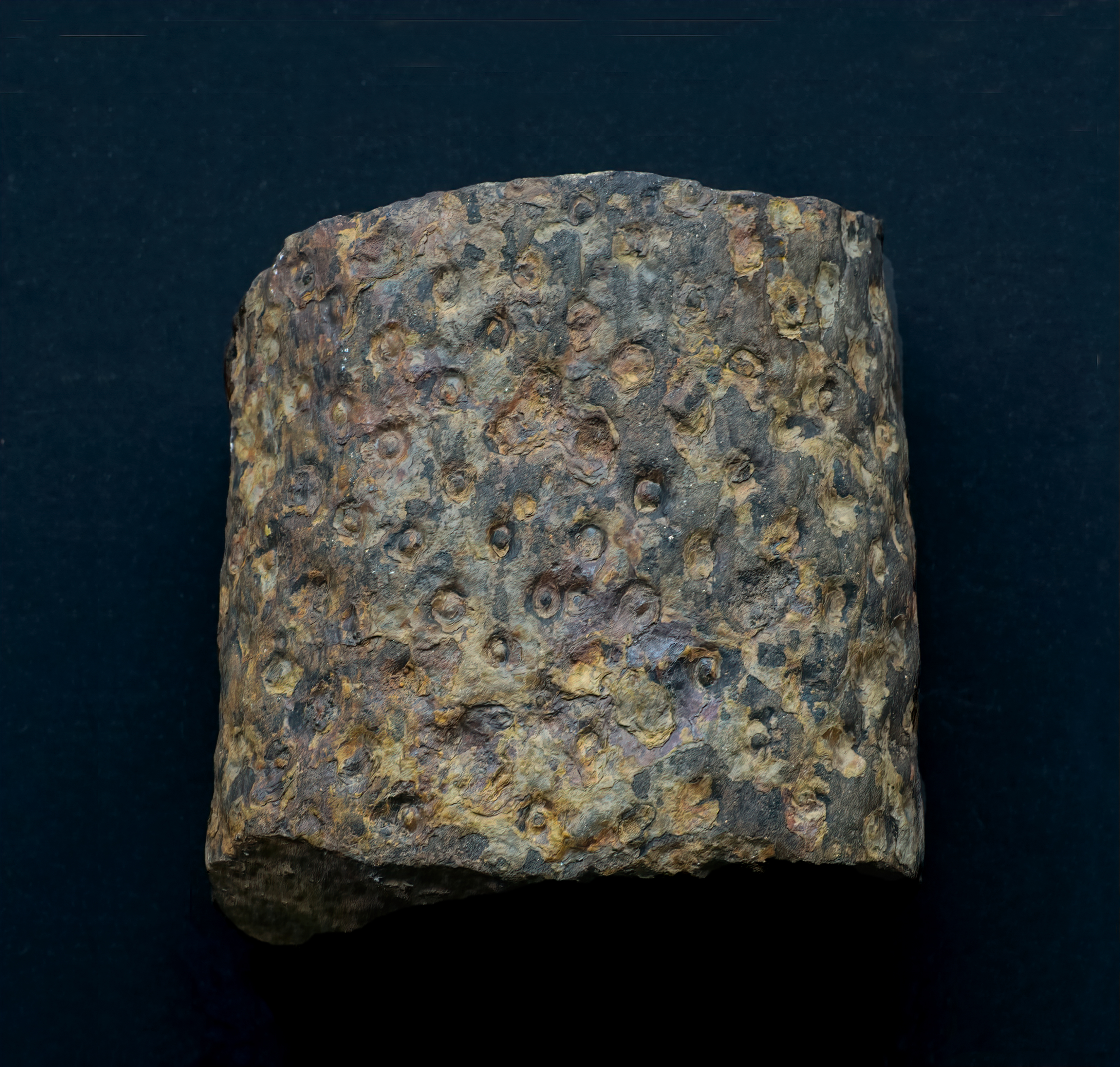
Lepidodendron “Lycopod” Scale Tree Trunk Fossil, Devonian to Carboniferous Era

The fossil above is a section from a large sized, 100 foot (30 meter) lycopod or scale tree trunk which originated around 380 million years ago during the late Devonian Period. The various lycopod trees reached their zenith during the era of coal swamp forests from the Carboniferous Period about 355 to 300 million years ago.

The fossil is very dense and heavy of petrified wood. Petrified wood materializes when plant matter is buried by sediment and protected from decay caused by oxygen and organisms. Subsequently, groundwater rich in dissolved solids flows through the tree sediments, replacing the original plant material with silica, calcite, pyrite, iron or another inorganic material such as opal.

Sigillaria & Lepidodendron Tree Leaf Fossils, Devonian to Carboniferous Era

The above fossil shows leaf imprints grown on giant lycopod trees such as Sigillaria and Lepidodendron, cast in coal shale. The trunks of lycopod scale trees were topped with plumes of long thin, grass-like leaves which were often arranged like that of a bottle brush. The trees had relatively short life-cycles growing rapidly reaching heights sometimes up to 130 feet (40 meters). The trunks most distinguishing feature displays patterns of deep grooves, the result of leaf scars along the trunk’s surface. The tree trunks actually would have appeared hairy-like, at least as they grew.

Lycopod forests of plenty generated tremendous amounts of decaying peat. After millions of years, it became coal buried deep in the ground, later, fueling the Industrial Revolution. More importantly, their decaying matter helped revolutionize Earth’s emerging forests by creating soil for trees to develop deeper root systems. This enabled new tree varieties to spread further inland without relying solely on wet swampy habitats.

Scan_Pic0011
Devonian to Carboniferous Era Lepidodendron Lycopod Scale Tree Rendition Drawing
Scan_Pic0013
Devonian to Carboniferous Era Sigillaria Lycopod Scale Trees Rendition Drawing

LYCOPOD SCALE TREE CLASSIFICATIONS

Botanical Names:  Sigillaria and Lepidodendron

Common Name: Scale Tree or Lycopod Tree

Kingdom: Plantae

Division: Lycopod-iophyta (oldest vascular plant group, reproduced by releasing spores)

Class: Isoetopsida (plants with hollow quill-like leaves spirally arranged on a single, unbranched vein) ie quillworts, scale trees, spike moss)

Order: Lepidondrales (primitive vascular tree-like plants related to lycopods which are loosely grouped with ferns)

Family: Lepidodencraceae (has arrangement of spores on cones born on the shoots)

Genera:  Sigillaria (possess deep lace pattern on trunk with bottle brush crown of leaves)

Genera: Lepidodendron (possess deep diamond pattern on trunk with plume of grassy leaves on crown)

All rights reserved © Fossillady 2025