Get me outta here!

Fossil Lady

Eager to share my fascination with fossils, rocks and seashells!

Menu

Skip to content
  • Home

Author Archives

Fossilladyhttps://fossillady.wordpress.comThis is where I combine my photography and writing to share my fascination with fossils.
Fossillady's avatar

Billfish Fossil, Swordfish or Marlin; Identification and Interesting Facts

April 13, 2022 by Fossillady
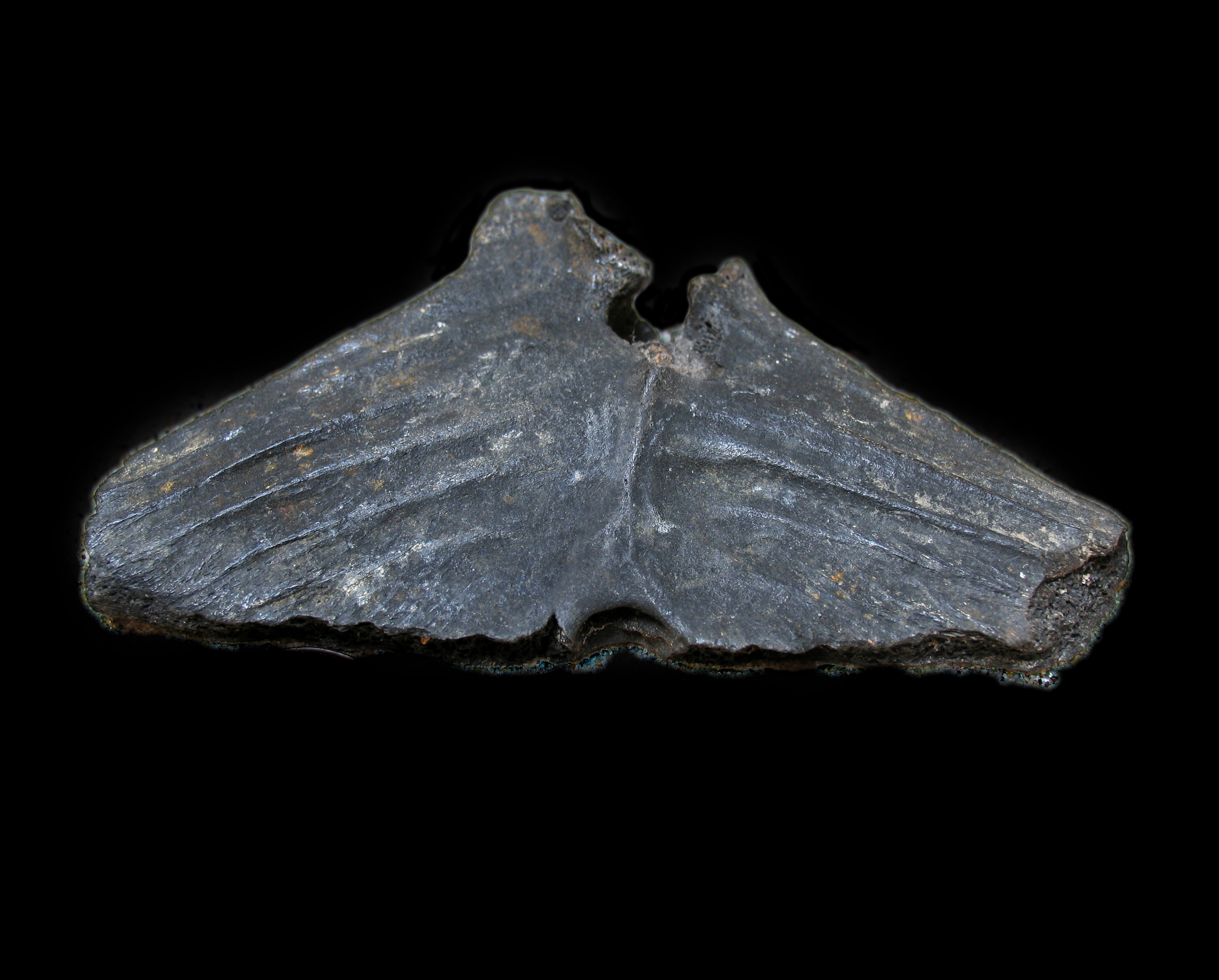
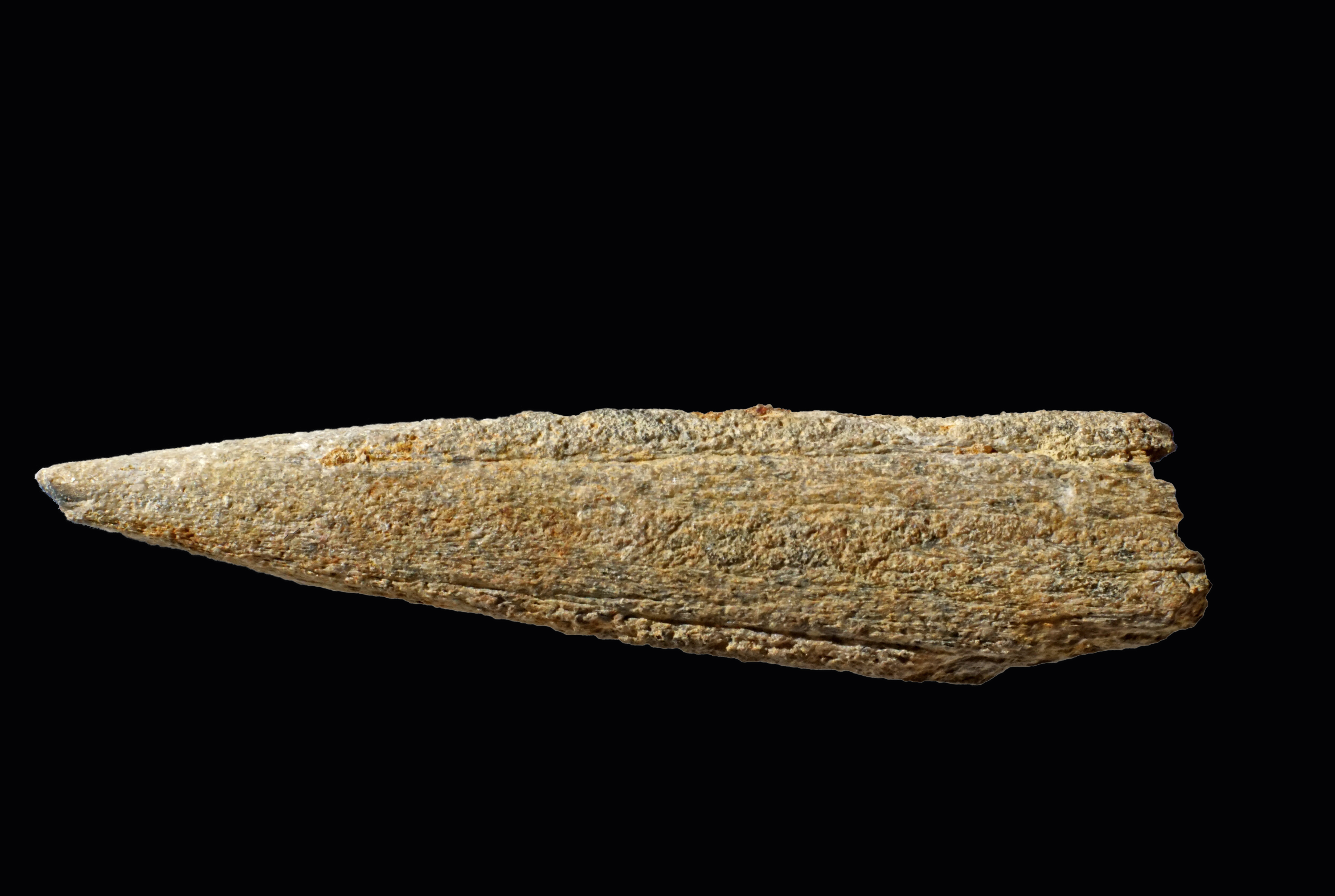
Billfish Fossil (4.5 inches (11 cm) long)

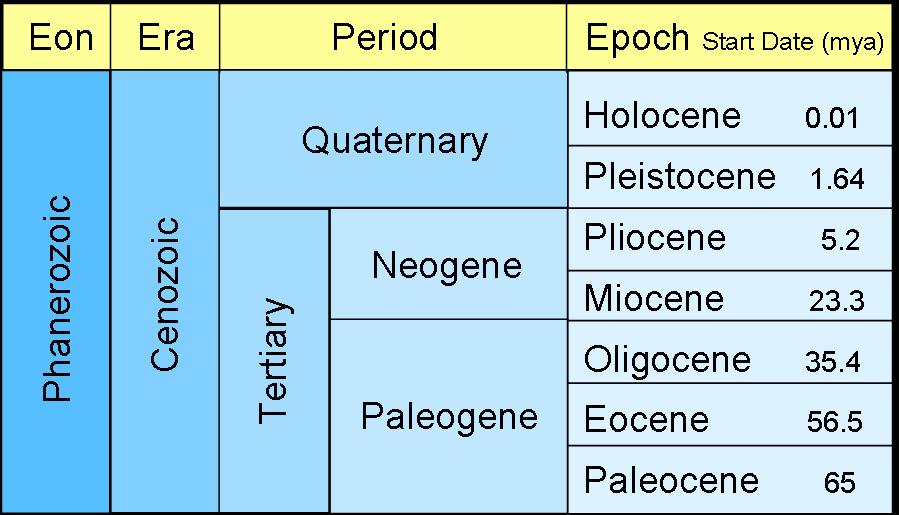
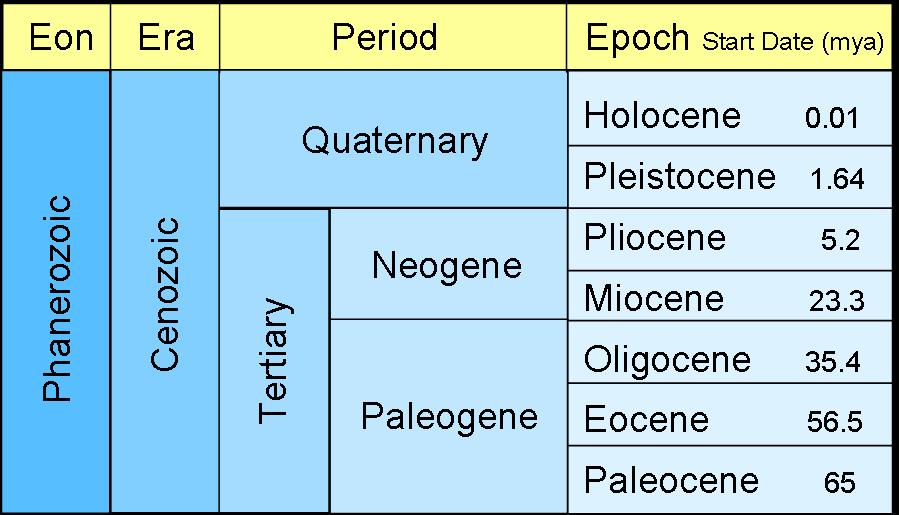
This fossil is the broken-off tip from the bill of a billfish, estimated in age from the Miocene Epoch (23 to 5.3 million-years-ago), possibly belonging to, Xiphiorhynchus, an extinct, giant, double-billed swordfish, or possibly belonging to Tetrapturus pfluegeri, an extant marlin billfish.

I chose these two related species as possible matches to the billfish fossil because both species were abundant during the Miocene Epoch (fossil age) and because the fossil was discovered along the Eastern Atlantic Coast of United States where both species were and are native.

Swordfish Facts

Xiphiorhynchus fossil records show they were one of the first swordfishes to have evolved during the Eocene Epoch (56 million-years-ago), surviving most abundantly through the Miocene Epoch (23 mya) becoming extinct during the Pliocene Epoch (2.6 mya) when one third of the planets megafauna died out due to cooling climate changes.

Xiphiorhynchus, Extinct Swordfish Rendering Drawing

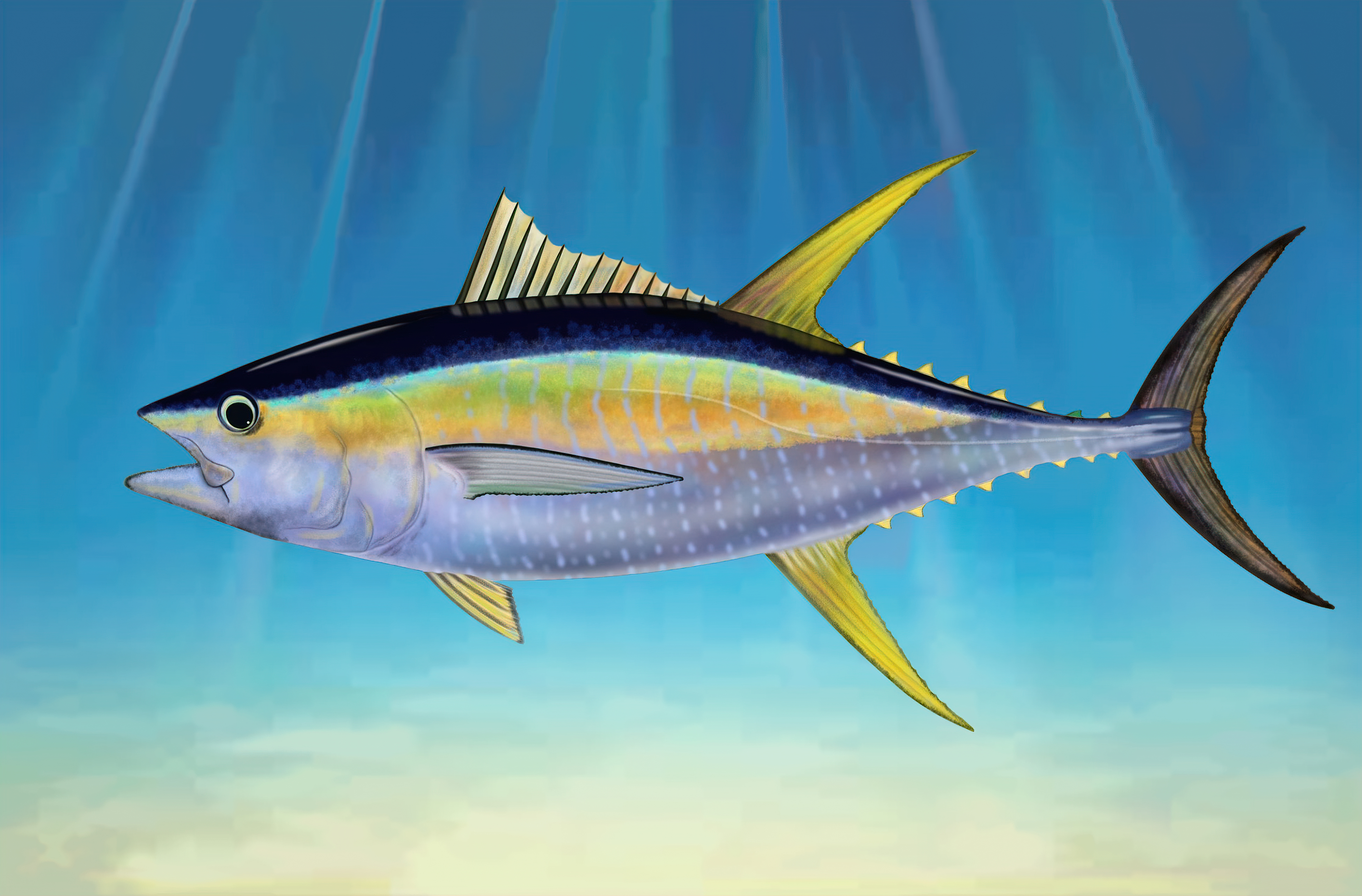
Xiphiorhynchus was a large swordfish reaching 5 meters (16 feet) long or more, comparable to the Great White Sharks of today. Unlike the “one and only” true living swordfish today, Xiphias gladius (shown below) whose smaller in comparison, averaging about 3 meters (10 feet) long, extinct Xiphiorhynchus had not one, but two equal length swords. During its reign, it would have been a top predator and likely achieved great speed and predatory skills, reminiscent of the many varieties of modern-day billfishes.

Modern-Day Swordfish (Xiphias gladius)

Xiphiorhynchus were highly migratory as are modern-day billfishes and would have been spotted along the Eastern Atlantic Coast of America through to the Gulf of Mexico down to Peru and as far south as Antarctica.

Swordfish are named after their long pointed, flat bills resembling a sword.

Billfish Fossil (4.5 inches (11 cm) long)(Reverse Side)

Marlin Facts

Tetrapturus pfuegeri is an extant species, (still living) from the marlin family, Istiophoridae, of billfishes, which includes about 10 species native to the Atlantic Ocean.

Commonly named, Long Bill Spearfish, it reaches a length of around 2.5 meters (8 feet) with a maximum weight of 58 kilograms (128 lbs). It is quite a fascinating looking marlin fish species.

One of the largest and probably best known marlin is the Atlantic Blue Marlin, Makaira nigricans, which averages 3 meters (10 feet) long and can weigh 825 kg (1800 lbs). The Blue Marlin fossil record dates back from about the middle of the Miocene Epoch around 11 million-years-ago, and also shows they were discovered along the east coast of the United States as well. So the Blue Marlin could be another possible match to this fossil.

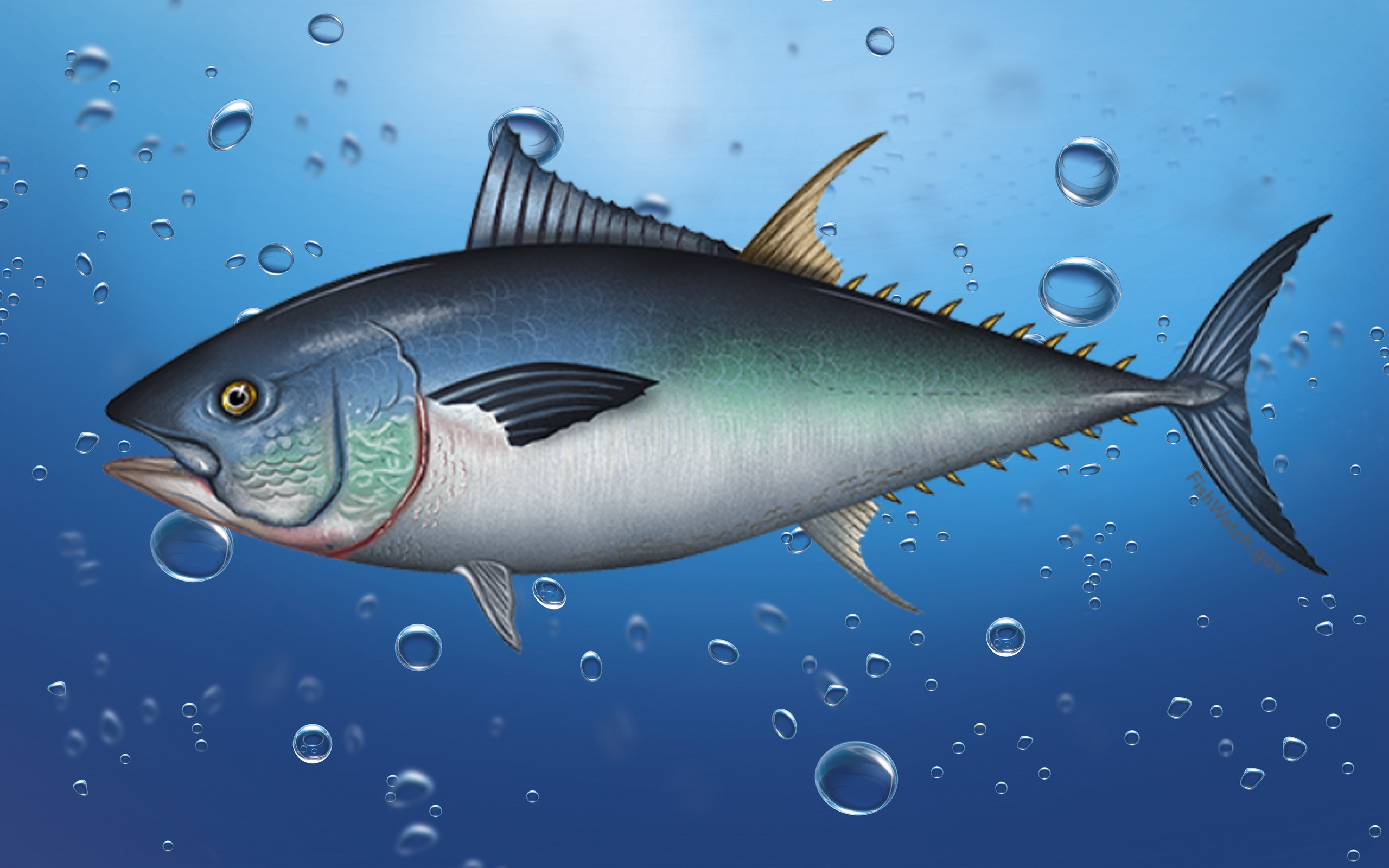
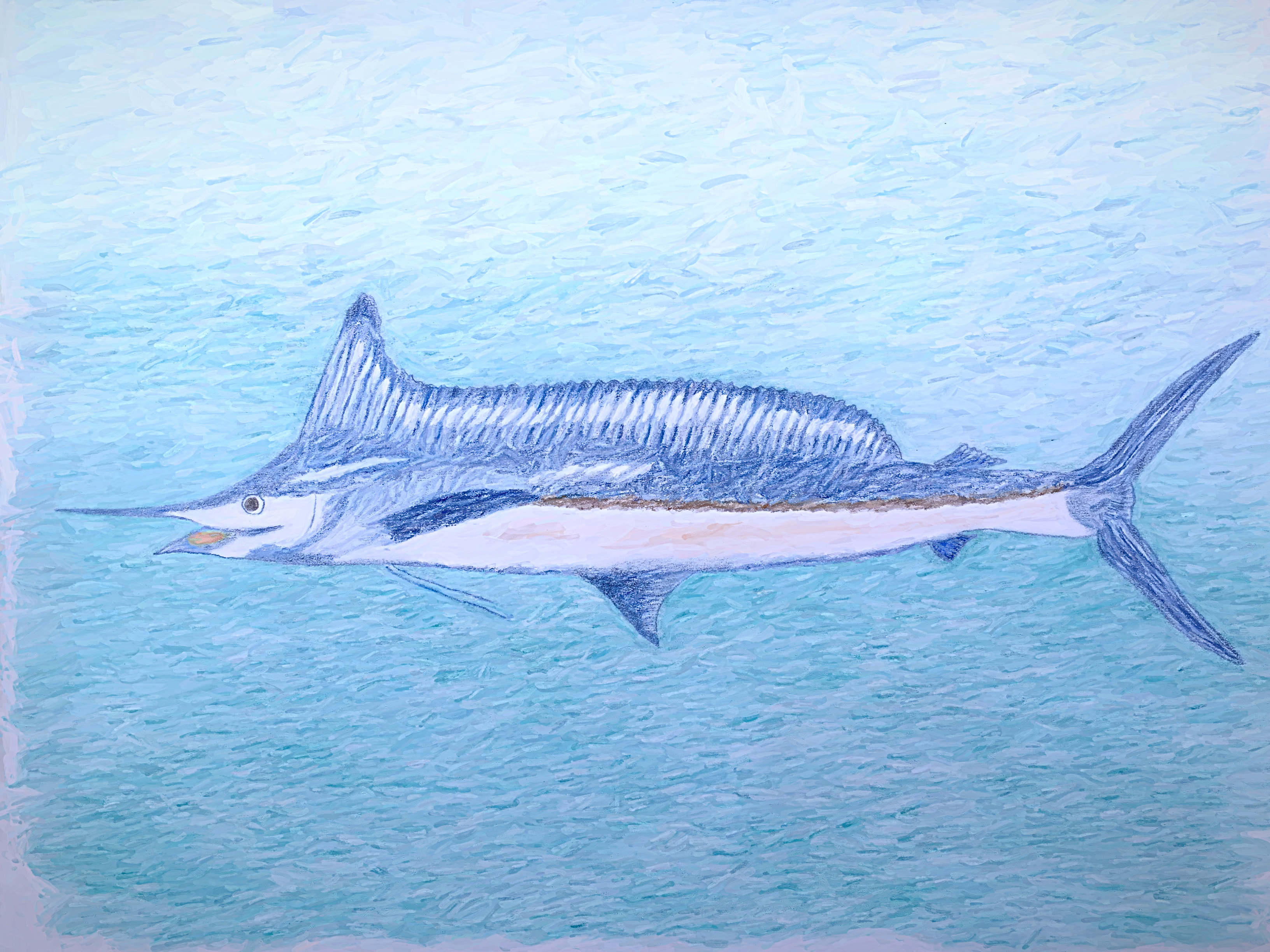
Tetrapturus pfuegeri, Marlin Billfish (Rendering Drawing)

Marlins are oceanic species, chiefly found in offshore waters. They are highly migratory and are some of the fastest fish in the sea, reaching 110 km/h (68 mph) in short bursts. A marlin is not a swordfish. The main difference between a marlin and swordfish is that marlins have a more elongated body and a longer, sloping, dorsal fin.

Marlin’s common name is thought to be derived from its resemblance to a sailor’s marlinspike, an iron hand tool that tapers to a point and is used to separate strands of rope.

Marlins are popular sporting fish in tropical seas, consequently, the Atlantic Blue Marlin and the White Marlin are endangered owing to overfishing.

All rights reserved © Fossillady 2025

Share this:

  • Share on Pinterest (Opens in new window) Pinterest
  • Share on Facebook (Opens in new window) Facebook
  • Print (Opens in new window) Print
  • Email a link to a friend (Opens in new window) Email
  • Share on LinkedIn (Opens in new window) LinkedIn
  • Share on Reddit (Opens in new window) Reddit
  • Share on X (Opens in new window) X
Like Loading...
Cenozoic Era Aquatic Fossils billfishbillfish fossilbillfish rendering drawingCenozoic Fossilsextinct swordfish identificationLong Bill SpearfishMarlin Factsswordfish identificationTetrapturus pfuegeriXiphiorhynchus

Lemon Shark and Sand Tiger Shark Teeth; Identification and Interesting Facts

April 3, 2022 by Fossillady

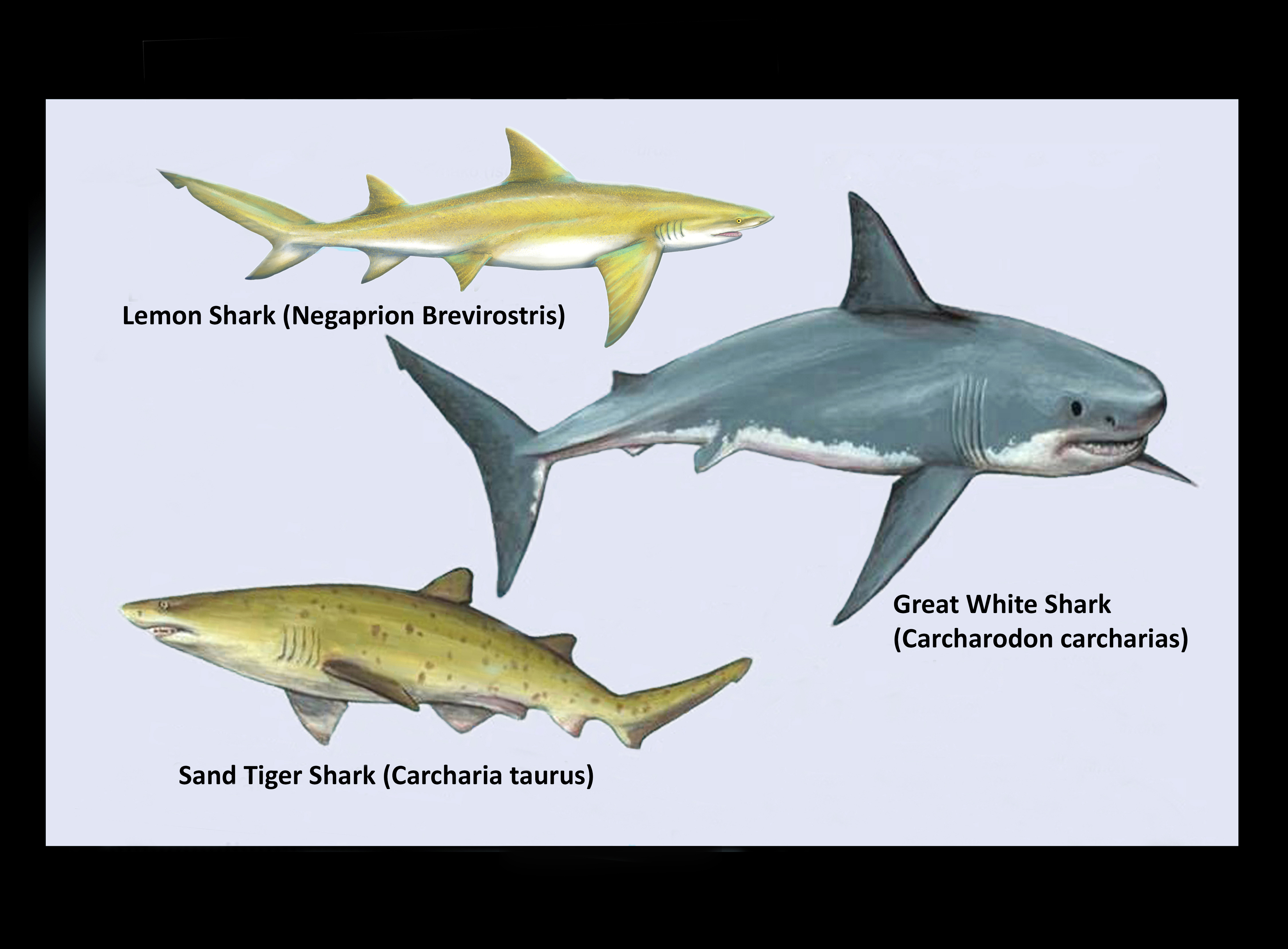
Lemon Shark

Lemon Shark (Negaprion brevirostris) Fossil Teeth (3/4 inch (1.9 cm) long)

Lemon Shark, Negaprion brevirostris, first appeared in the fossil record approximately 50 millions-years-ago beginning in the Eocene Epoch and are still here today, but are nearing the threatened list!

Named for their yellowish-brown color, which helps to disguise the fish over a yellowish-gray seabed, Lemon Sharks prefers coastal waters, lagoons or mangroves, typically staying close to the water surface. Even though humans reside in these areas, they are of little threat.

They are a large, heavy shark with an average length around 10 feet (3 meters). The shark has a flattened head with a short, broad snout. Three of their triangular dorsal fins are approximately the same size and shape, which is unusual compared to other sharks.

Lemon sharks are commonly found along the Southeastern Coasts of the United States and the Gulf of Mexico, but can also be found throughout the Caribbean and Southern Brazil. They have also been known to migrate to places as far east as West Africa.

Lemon Shark teeth have fairly large roots which are near straight across the top. The blades are smooth and narrow coming to a sharp point and typically grow out from the root at a 90 degree angle.

They can live to near 30 years.

Sand Tiger Shark

Sand Tiger Shark, Carcharia taurus, first appeared in the fossil record during the late Cretaceous Period, around 72 million-years-ago, replacing their predecessor, the extinct Sand Tiger shark, Carcharias cuspidatus, which appeared more than 45 million years earlier. Like the Lemon Shark, they are also threatened.

Sand Tiger sharks inhabit coastal sandy shorelines (hence the name sand tiger shark). They also inhabit shallow bars, estuaries and tropical reefs to a depth of around 627 feet (191 meters). Even though they roam the surf in close proximity to humans, they are of little threat. They are normally quite docile, plus their mouths are not large enough to cause a human fatality.

Sand Tiger sharks dwell in waters off the east coasts of North and South America, Japan, Australia, Africa, and parts of the Mediterranean. Because they have a worldwide distribution, they have inherited several common names, including; grey nurse shark, spotted ragged-tooth shark or blue-nurse sand tiger. The term “sand tiger shark” actually refers to four different Sand Tiger shark species in the family, Odontaspididae.

Sand Tiger Shark (Carcharias taurus) Fossil Teeth – 2 Upper and 1 Side (Longest sample is 1 inch (2.5 cm) long)

Sand Tiger shark, Carcharia taurus, are large and bulky reaching up to approximately 10 feet (3 meters) in length. The head is pointy, while the snout is flattened and the mouth extends beyond the eyes. The Sand Tiger has a light grey-brownish back and pale underside. Adults tend to have reddish-brown scattered spots, mostly on the hind part of the body.

The Sand Tiger usually swims with an opened mouth displaying three rows of protruding, smooth-edged, sharp-pointed teeth that have side cuplets, which once removed from the mouth, may or may not later become worn off. The upper front teeth are separated from the side teeth by small intermediate teeth. The roots are deeply curvaceous.

Sand Tiger sharks can live up to 40 years.

Other Shark Facts

  • Sharks are covered in scales called dermal denticles, which are covered with a layer of enamel, like our teeth. The denticles protect the shark’s skin from injury. They also help water glide over the shark as it swims so it can move quickly and quietly through the ocean.
  • Sharks need to keep moving in order to pass water through their gills to receive oxygen.
  • The dark color over their topside helps to camouflage them from above while the light color on their bottom side blends with the sunlight to fool their prey below.
  • Sharks have electro sensors to help them navigate and find prey, compensating for their poor eyesight.
  • Sharks lack bones, their bodies are mostly made up of flexible cartilage which is lighter than bone requiring less energy for them to stay afloat.
  • Sharks loose and replace their teeth on a regular basis.


Factors Contributing to Population Declines of Sand Tiger and Lemon Sharks

  • Over fishing, particularly, by eastern countries such as China and Japan
  • Pollution in estuaries where pups are bred
  • Competition with humans for food
  • Exploitive Fishing Nets

All rights reserved © Fossillady 2022

Share this:

  • Share on Pinterest (Opens in new window) Pinterest
  • Share on Facebook (Opens in new window) Facebook
  • Print (Opens in new window) Print
  • Email a link to a friend (Opens in new window) Email
  • Share on LinkedIn (Opens in new window) LinkedIn
  • Share on Reddit (Opens in new window) Reddit
  • Share on X (Opens in new window) X
Like Loading...
Shark Teeth Fossils fossil shark teethLemon SharkSand Tiger SharkShark Decline FactorsShark Facts 2 Comments

Two Extinct Sharks: Snaggle Tooth and Otodus, Obliquus

March 28, 2022 by Fossillady
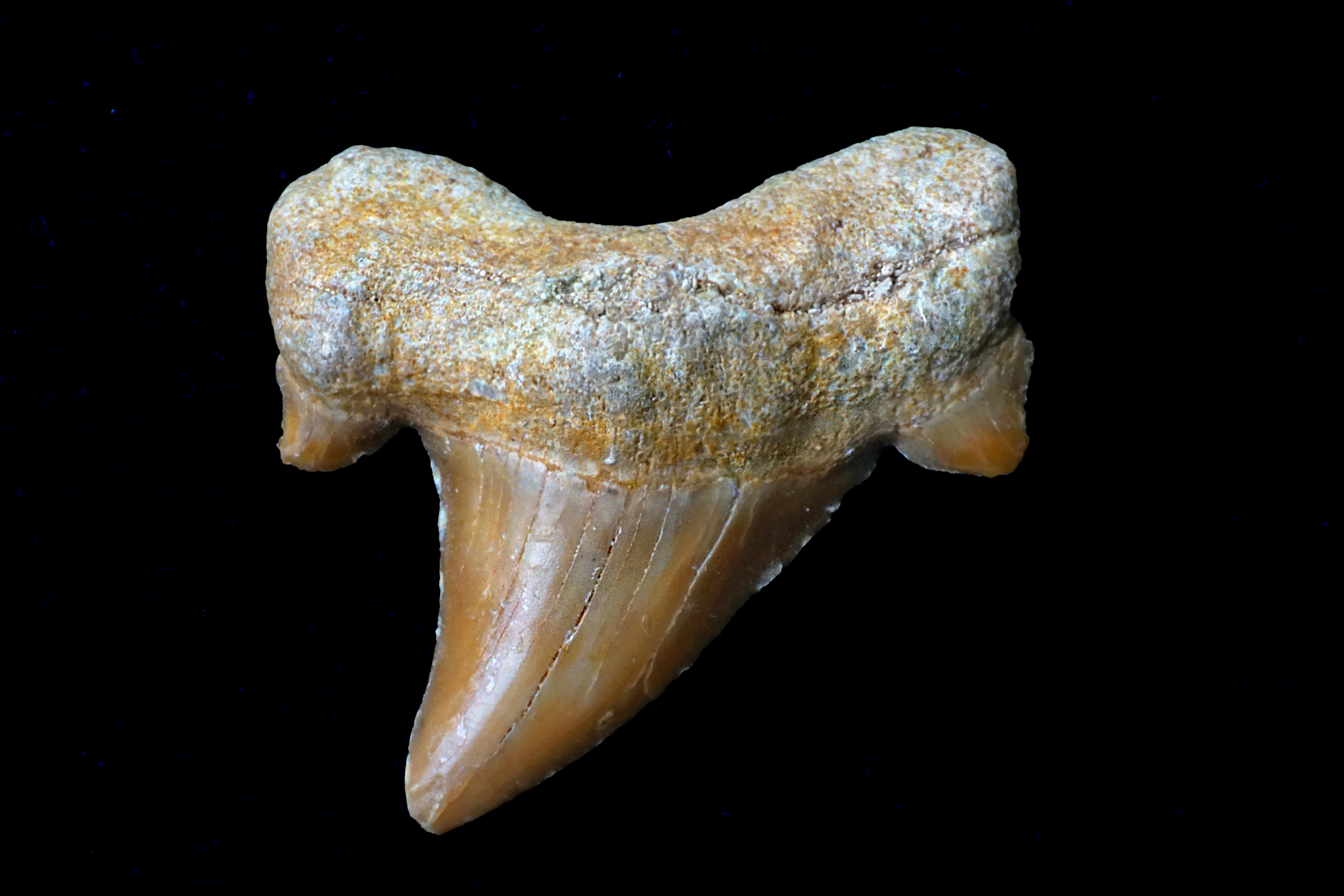
Snaggle Tooth Shark (Hemipristis, serra) Fossil Tooth (1.25 inch (3 cm) long and wide)

Snaggle Tooth Shark

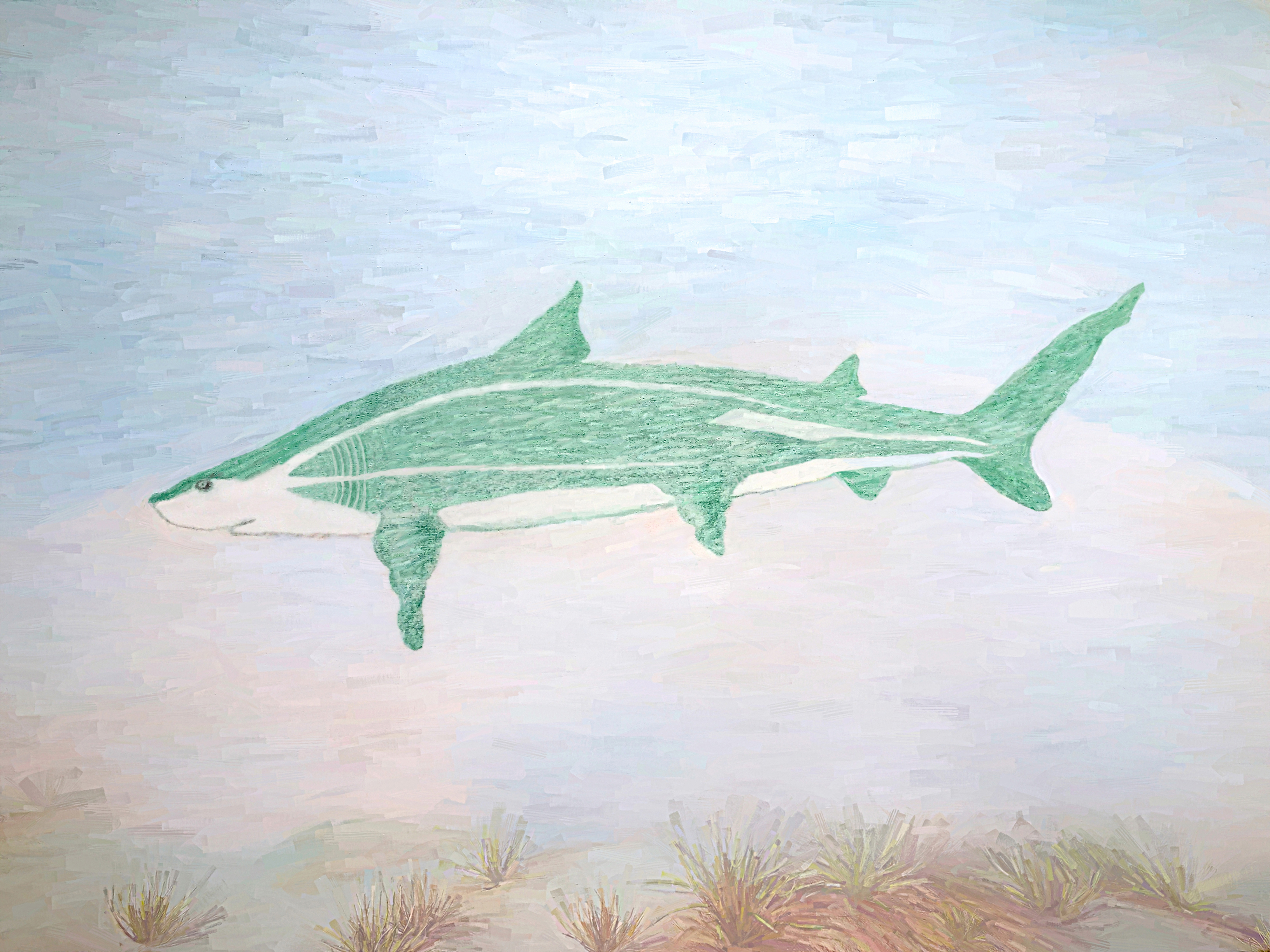
It may seem obvious, but the Snaggle Tooth Shark inherited its name from the large serrated edges running along the crowns of its teeth. Hemipristis, serra is an extinct species whose fossil teeth are found worldwide. In 2014, a family in Chesapeake Bay, Maryland found an extremely rare fossilized skeleton of a 15-million-year-old, H. serra shark. The cartilage skeleton is the first one of this species ever found.

This breed could reach an estimated length of 20 feet (6 meters), equivalent to the largest Great White Sharks of today. A tropical breed, they lived beginning from the Oligocene Epoch (around 30 million-years-ago) through the Miocene Epoch and into the early Pleistocene Epoch (about 1mya) before dying out, likely due to earth’s cooling temperatures. Their fossilized teeth are highly prized by collectors.

Extinct Snaggle Tooth Shark (Hemipristis, serra) Rendition Drawing

Classification Snaggle Tooth Shark

Class: Chondrichthyes (Cartilage Fishes)

Superorder: Selachimorpha (Cartilage Skeleton with five to seven gill slits on the sides of the head and pectoral fins that are not fused to the head.)

Order: Carcharhiniformes (Ground Sharks with nictitating membrane over the eye, two dorsal fins, an anal fin and five gill slits.)

Family: Hemigaleidae (Weasel sharks, ground sharks found in eastern Atlantic Ocean to the continental Indo-Pacific in shallow coastal waters to a depth of 100 meters (330 feet).

Genus: Hemipristis (Snaggle Tooth)

Species: serra (Extinct specie)

Otodus, obliquus Shark

Extinct Otodus, obliquus Shark Tooth Fossil (1.25 inch (3cm) long, 1 inch (2.5 cm) wide)

Extinct mackerel shark, Otodus, obliquus, fossil teeth are found in the phosphate pits of the Atlas Mountains of Morocco and the Nanjemoy Formation in Maryland, USA. Thought to be one of the first giant sharks and top predator of its time, the shark ruled the ocean’s from the Paleocene Epoch about 66 (million-years-ago) to the Pliocene Epoch around 1.8 million-years-ago.

O. obliquus averaged approximately 30 feet (9 meters) long with the largest possible exceptions reaching up to 40 feet (12 meters) long. To put that in perspective, the Great White Sharks largest exceptions are 20 feet (6 meters) long. Their teeth are noted for their wide triangular crown and large side-cusps.

Otodus, obliquus Extinct Shark (Scale Rendition Drawing)

Classification Otodus, obliquus

Class: Chondrichthyes (Cartilage Fishes)

Order: Lamniformes (Possessing two dorsal fins, an anal fin, five gill slits, eyes without nictitating membranes, and a mouth extending behind the eyes. Commonly known as mackerel sharks; includes some of the most familiar species such as the Great White. Also, distinguished for maintaining a higher body temperature than the surrounding water.)

Family: Otodontidae (Extinct sharks described as mega-toothed sharks. It is believed to be an ancestor to Megalodon.)

Genus: Otodus (The teeth of this shark are large with triangular crowns, smooth cutting edges, and visible cusps on the roots. Some Otodus teeth also show signs of evolving serrations.)

Species: Obliquus (Extinct specie)

All rights reserved © Fossillady 2022

Share this:

  • Share on Pinterest (Opens in new window) Pinterest
  • Share on Facebook (Opens in new window) Facebook
  • Print (Opens in new window) Print
  • Email a link to a friend (Opens in new window) Email
  • Share on LinkedIn (Opens in new window) LinkedIn
  • Share on Reddit (Opens in new window) Reddit
  • Share on X (Opens in new window) X
Like Loading...
Shark Teeth Fossils extinct sharkHemipristis serraMiocene fossilOligocene sharkrendition drawingsharkshark toothsnaggle tooth

Megalodon Vs. Great White Shark

March 13, 2022 by Fossillady
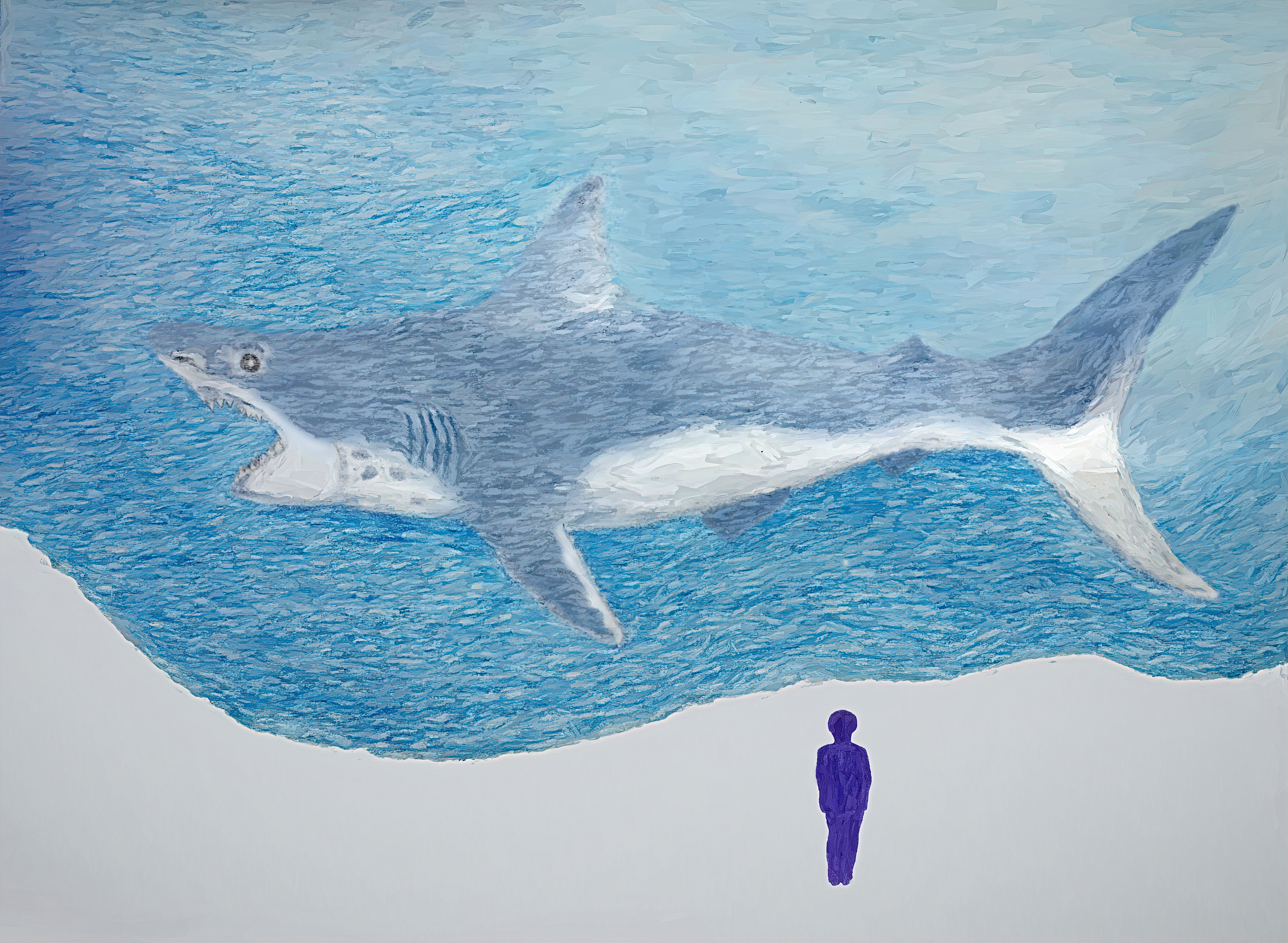
Megalodon Vs. Great White Shark Comparison Pencil Drawing

You can find plenty of information on the internet and in books about both of these fascinating creatures, but let’s face it, the magnitude of Megalodon’s girth is mind blowing, as you can see by the comparison drawing above. Keep in mind, these are not their average sizes, but their most exceptional sizes found in the fossil records.

Due to the multitude of unearthed shark teeth, scientists are able to determine size, species and age of these amazing creatures and the fact that the largest Megalodons were female, as with the Great Whites.

Sharks are important to all life on earth keeping the oceans clean of dead debris. Without them, our oceans would be overrun with bad bacteria killing all other ocean life which feed the world.

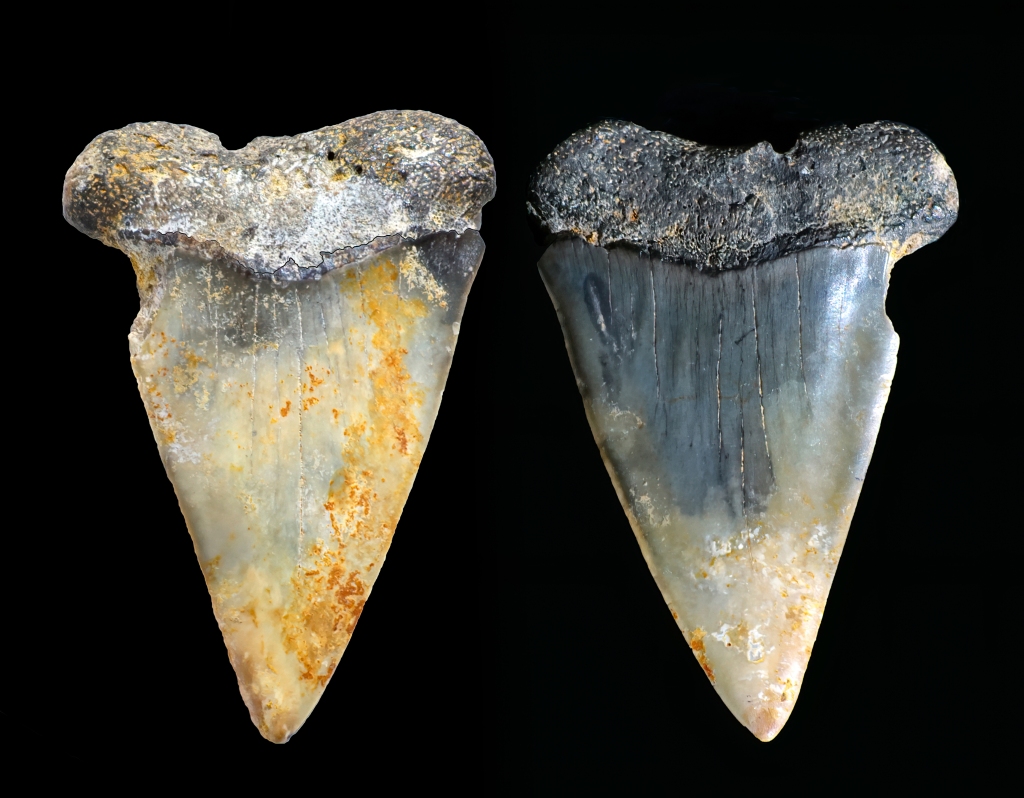
Great White Shark Tooth Front and Back (Lingual Side and Labial Side) 2 Inches (5 cm)Long

On average, Great White sharks have approximately 300 teeth, but lose dozens of them per month, which are readily replaced by several rows of backup teeth. In a single lifetime, these sharks can acquire over 20,000 teeth. This would explain why the average beachcomber can readily find volumes to add to their collections! Megalodon had almost as many teeth as the Great Whites, but when you figure in Megalodon’s approximately 20 million-year-timespan on Earth, compared to Great Whites approximate 6 million-year-timespan, it’s not surprising Meg teeth are equally as common to find, if not more.

Megalodon Carcharocles megalodon Shark Tooth Fossil
Comparing Shark Teeth Characteristics

In comparison, Megalodon shark teeth have larger, wider roots than the Great White sharks and typically display a medium to wide bourlette (chevron shaped space between the root and the crown of the tooth). Also, the Megalodon had small, regular spaced serrations along the edges, while the Great White shows thicker, irregular serrations.

Sometimes, the size of the tooth fossil is another way you may tell them apart, depending if the tooth is from a juvenile or an adult. The largest Megalodon tooth ever found is a little over 7 inches (18cm) long, filling a mans palm. The largest recorded Great White shark tooth is just over 3 inches (7.5cm) long.

Scale Pencil Drawing of Megalodon Jaw and Teeth

Where can you find Megalodon teeth?

Megalodon shark teeth have been found on every continent except Antarctica. And in the U.S., their teeth have been found in every state along the East Coast, especially Florida and the Carolinas. Their teeth have also been found in Texas, Louisiana, California, Washington, Hawaii, Michigan and some other Midwestern states. The best environments to find shark teeth are beaches, creek beds, dried riverbeds and abandoned dig sites.

Why did Megalodon become extinct?

Megalodon teeth fossils date from the early Miocene Epoch about 23 million-years-ago until the end of the Pliocene Epoch about 2.58 million-years-ago. Modern Great Whites evolved from the middle of the Miocene Epoch around 10 million-years-ago to the present. Consequently, the Great Whites lived toward the end of Megalodon’s tenure on Earth and scientists predict they competed with juvenile Megalodons for food. Also, changing ocean currents resulting in colder temperatures drove one of Megalodon’s essential prey of whales to colder climates, which Megalodon was not adapted to. A megaton creature needs megatons of food to survive and scientists predict the species was likely starved out of existence.

White Shark Fossil Tooth – 2 inches (5cm) Long

I originally thought the above shark teeth were from Megalodon, but have since determined they fit better from another breed of large white sharks, possibly, Carcharodon hastalis, an extinct known species found world-wide from marine deposits of the Miocene and Pliocene epochs, around 20 million to 3 million-years-ago. Their teeth are often found right along with the teeth of Megs and on average measure from 1-3 inches (2.5 – 7.5 cm) long, topping out at 4 inches (10 cm) long, second only to Megalodon. Roots of upper teeth are large, but not as broad in comparison, and the crowns lack the edge serrations and chevron shaped bourlette between the crown and roots distinguishable in Megalodon’s.

All rights reserved © Fossillady 2022

Share this:

  • Share on Pinterest (Opens in new window) Pinterest
  • Share on Facebook (Opens in new window) Facebook
  • Print (Opens in new window) Print
  • Email a link to a friend (Opens in new window) Email
  • Share on LinkedIn (Opens in new window) LinkedIn
  • Share on Reddit (Opens in new window) Reddit
  • Share on X (Opens in new window) X
Like Loading...
Shark Teeth Fossils fossil shark teethfossil teethgreat whitemegalodonscale drawingshark comparisonshark drawingShark Teeth Fossils

Stromatolites Lake Michigan Discovery

February 12, 2018 by Fossillady

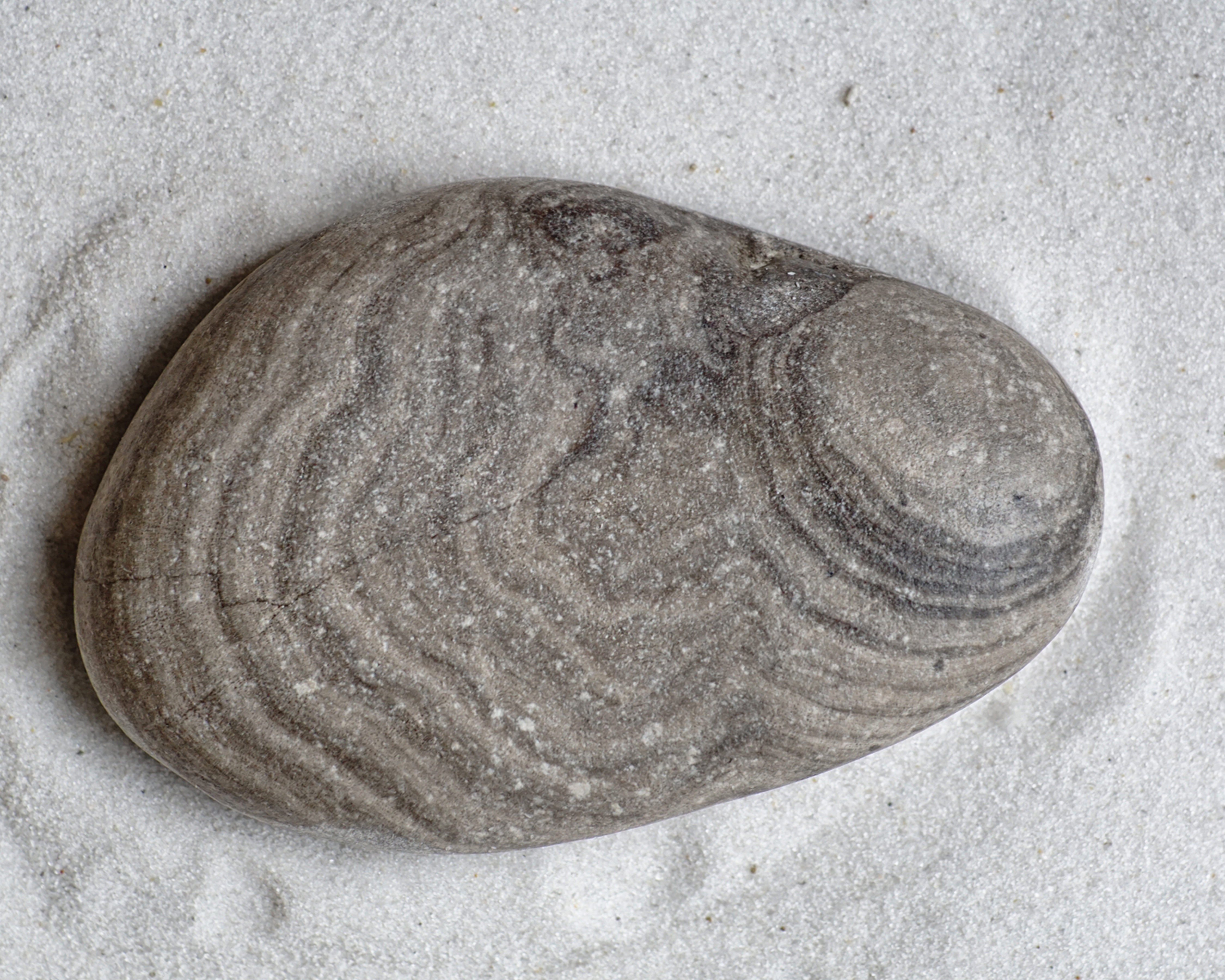
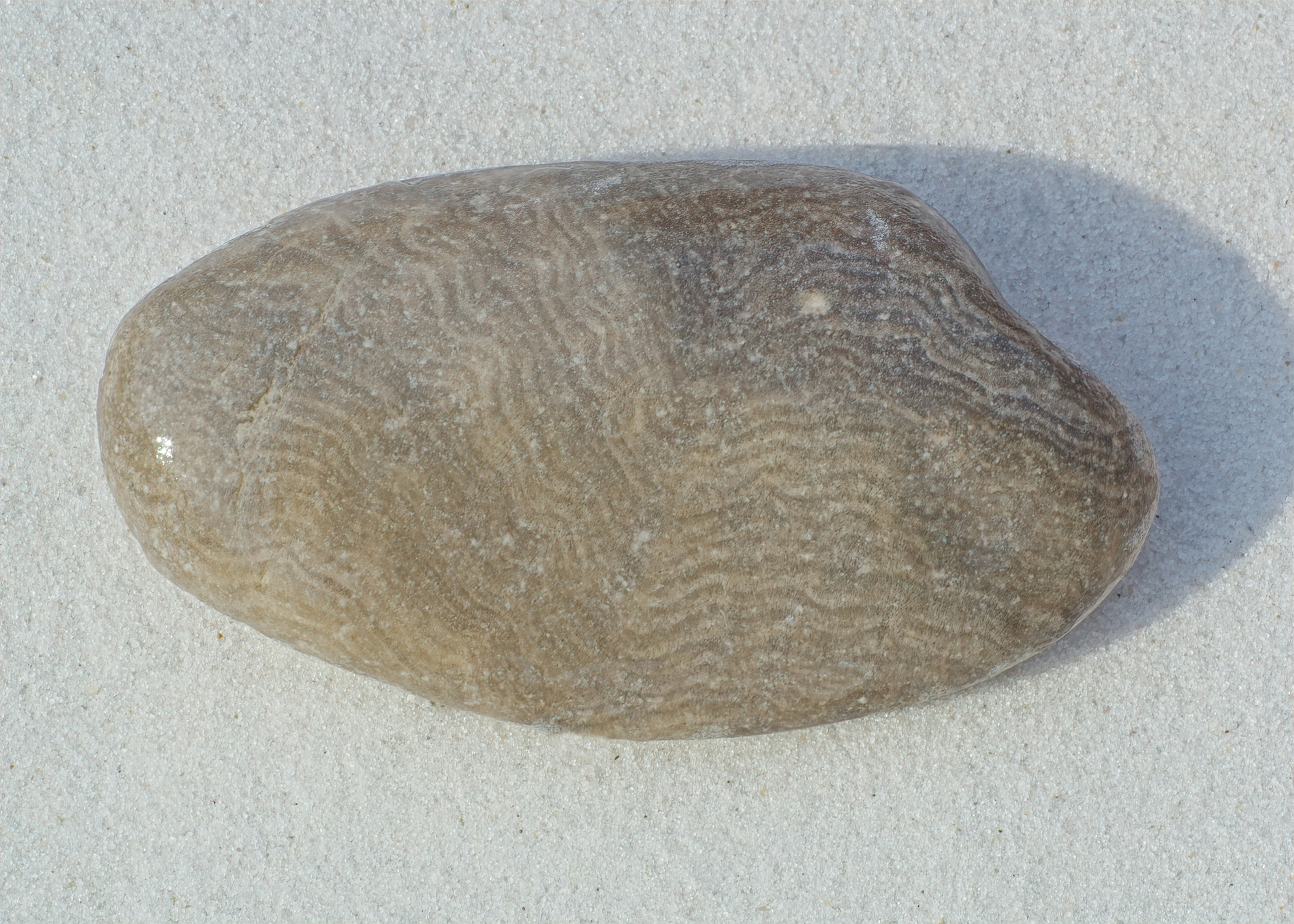
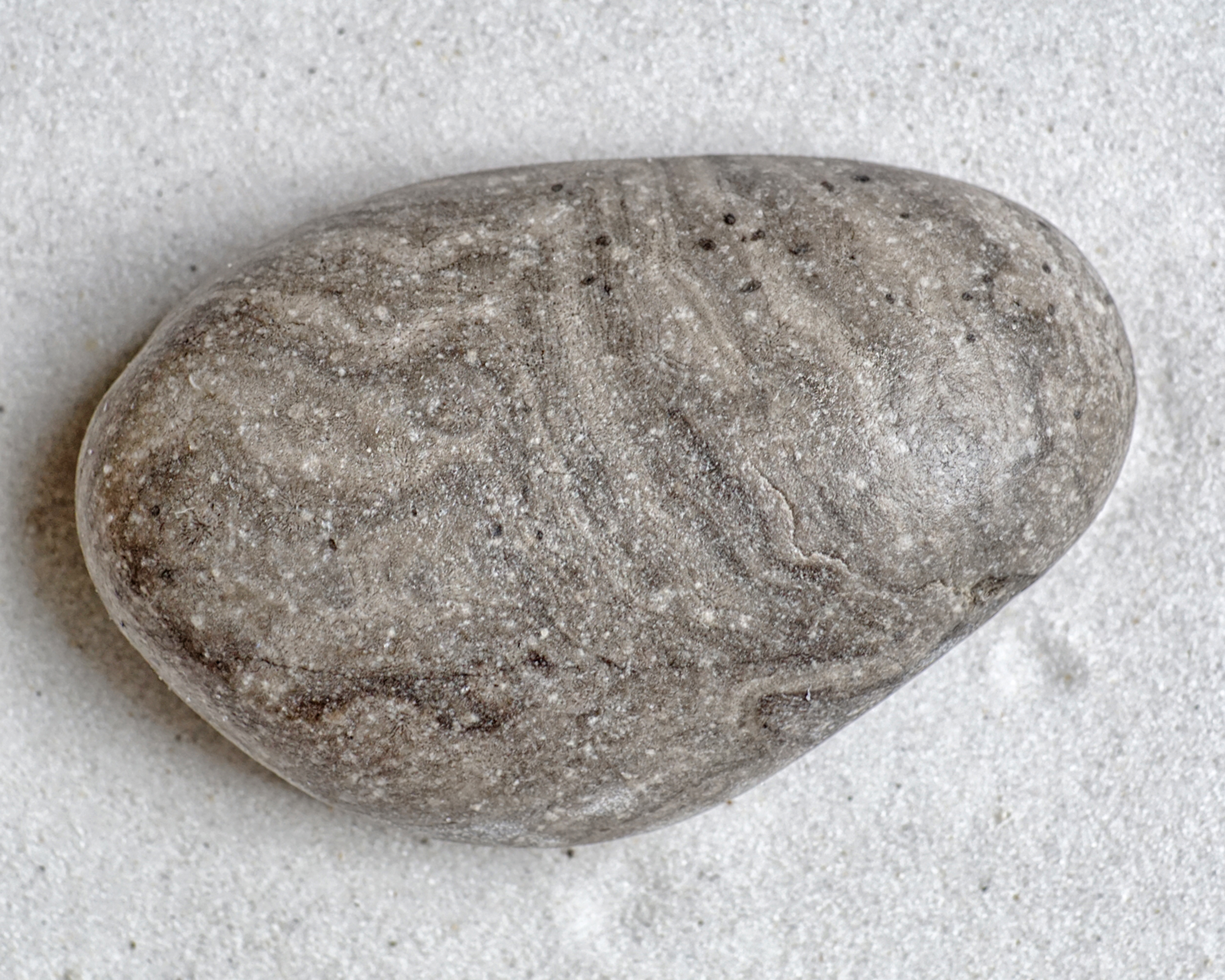
Lake Michigan Stromatolite Fossil (Same as sample below, wetted to bring out layers)

Stromatolites Lake Michigan Beach Fossil

You’re strolling along the shoreline of Lake Michigan combing the beach for interesting stones and driftwood or perhaps beach glass. You find a common gray beach stone and admire it for the smooth way it feels in your hand, ground down by the wind, wave and sand action of the big lake. It even smells of the fresh outdoors. But upon a closer look, you can see layers of striations interesting and beautiful. When wet, they suddenly pop out and there’s no mistaken this is not an ordinary mineral rock. It’s a stromatolite.

DSC01201-studio

What Are Stromatolites?

For us laymen, simply put, they’re fossils of bacteria. You need a firm understanding of biology, geology and chemistry to fully understand them. Nevertheless, I will attempt to delve into their fascinating formation.

Forming in water, scientists today generally agree stromatolites are layered structures formed by cyanobacteria, single-cell microorganisms capable of photosynthesis producing their own food. Cyanobacteria are prokaryotic cells (the simplest form of modern carbon-based life) in that they lack a DNA nucleus. Bacteria, including the photosynthetic cyanobacteria, were the only form of life on Earth for the first two billion years that life existed on Earth.

Forming The Layers

The stromatolite bacteria live in between thin sheets of filament bound together by a sticky substance. Photosynthesis in the bacteria depletes carbon dioxide in the surrounding water making it less acidic and initiating the release of calcium carbonate. Calcium carbonate and other minerals and grains of sediment settle, then get trapped on the outside sticky layer. The cyanobacteria thus rises to the top of the stromatolite structure over the sediment and the layers recycle repeatedly building the solid structures that can take several forms such as mounds, sheets or columns which appear like giant mushrooms.

The stromatolites forming today in the shallow waters of Shark Bay, Australia are built by colonies of microbes. Credit: University of Wisconsin-Madison

While the microbes that construct the layered mats generally are not preserved, the wrinkled calcium carbonate, mineral rich layers remain in the fossilized forms.

Stromatolites are the oldest discovered fossils dating as far back as 3.5 billion years. First appearing during the Archean Eon, their hay day was during the Upper Proterozoic Eon long before multi cellular Cambrian creatures evolved.

Geologic time scale showing stromatolites being most abundant during the Late Proterozoic (Condie and Sloan, 1997)

Discovery


Modern stromatolites were first discovered growing in the salty waters of Shark Bay, Australia in 1956. Before then, scientists believed they were extinct. Other locations discovered around the globe include the shallow waters of Yellow Stone, Mexico, Canada, Brazil, Oregon and most uniquely, Bahamas. Stromatolites lost out when animals such as snails evolved that ate them. Modern stromatolites thus live in water too salty or hot for those predators, except in the Bahamas.


Stromatolites in the Soeginina Beds (Paadla Formation, Ludlow,
Silurian) near Kübassaare, Saaremaa, Estonia
Credit: https://en.wikipedia.org/wiki/Stromatolite

Studies of modern stromatolites have shone they are not uniform in shape and form, but also host a variety of bacteria and archaea (bacteria like microorganisms). Archaea usually live in extreme, often very hot or salty environments such as hydrothermal vents or mineral hot springs, ie Yellow Stone. In any event, various biological environmental conditions may attribute to the differences in their make-up and shapes. Some form a round ball or lumpy mass. The example below shows one of these such forms found on a Lake Michigan beach, red in color from iron infused sediment.

Lake Michigan Stromatolite Fossil

Some of the most ancient stromatolite fossils found are in the 3.35 billion year old Strelley Pool chert of Western Australia, part of a fossilized ocean reef. Seven different types were identified, so there was already a variety of stromatolite shapes even back then. The stromatolite fossils found in Michigan are typically younger, dating from 2.2 billion years ago. During the great ice age 10,000 years ago, glaciers cut the Great Lakes digging up time-buried layers of sediment containing many varieties of fossils we find on the beaches today. This could explain how I picked up the stromatolite fossil pictured above on the beach in Southwestern Michigan.

Lake Michigan Stromatolite Fossil

Why Are Stromatolites Important To All Life?

Cyanobacteria that make up stromatolites were ultimately responsible for one of the most important global changes that the Earth has undergone. Being photosynthetic, cyanobacteria produce oxygen as a by-product. Photosynthesis is the only major source of free oxygen gas in the atmosphere. As stromatolites became more common 2.5 billion years ago, they gradually changed the Earth’s atmosphere from a carbon dioxide-rich mixture to the present day oxygen-rich atmosphere. This major change paved the way for the next evolutionary step, the appearance of life based on the eukaryotic cell (cell with a nucleus).

Stromatolites at Highborne Cay, in the Exumas, The Bahamas https://en.wikipedia.org/wiki/Stromatolite


All rights reserved © Fossillady 2011

Share this:

  • Share on Pinterest (Opens in new window) Pinterest
  • Share on Facebook (Opens in new window) Facebook
  • Print (Opens in new window) Print
  • Email a link to a friend (Opens in new window) Email
  • Share on LinkedIn (Opens in new window) LinkedIn
  • Share on Reddit (Opens in new window) Reddit
  • Share on X (Opens in new window) X
Like Loading...
Stromatolite Fossils archean eonLake Michigan fossilsMichigan FossilsProterozoic EonStromatolite Fossilsstromatolites

From Tree to Stone

November 26, 2017 by Fossillady

Triassic Period, Araucarioxylon, arizonicum (Petrified Forest National Park) Drawing Rendition

The drawing above is a rendition I drew with colored pencil of Araucarioxylon, arizonicum, an extinct conifer tree identified from the petrified wood of the infamous Petrified Forest National Park located in the U.S. State of Arizona. Originally, it was thought to be a distant relative of the Araucaria tree or the Norfolk Pine, which you often see for sale during the Christmas season as potted plants. Without detailed microscopic examination of the wood, its link to present day trees is only speculation at this point. At any rate, modern scientific discoveries indicates there were more species than originally thought lying on the dry Arizona plateau.

Triassic Period Araucarioxylon, arizonicum petrified wood fossil from Arizona Petrified Wood National Park

Triassic Beginnings

During the Triassic Period, around 225 million years ago, the present day continents were melded together as one supercontinent called Pangea. By the end of the era, around 200 million years ago, widespread volcanic activity began to break the continents apart. The first dinosaurs and mammals had evolved and there had been a boom in cycads (palm like trees), giant tree ferns and conifers . . .  enter the Araucarioxylon of Arizona, a type of conifer or pine. It differs from modern day conifers with its sporadic branch growth pattern around the trunk rather than growing in level whorls. It grew up to 200 feet (60 meters) tall with a 9 foot (2.7 m) diameter. Compare that to the tallest current living conifers, the Sequoias, that grow up to 188 feet (57 meters). To help put that into perspective, maple trees reach up to about 50 feet (15 m) and oak trees top out at about 80 feet (24m) tall.

Triassic Landscape

From Tree To Stone

The high and dry tableland in northern Arizona where the National Petrified Forest Park rests, was a vast flood plain during the Triassic Period overflowing with streams and widespread ponds. Prehistoric, extinct plants and trees concentrated along the spilling bodies of water. Dying or blown over trees were washed down the streams into the flood plains where they gathered and decayed. If they got buried under mud, silt or volcanic ash deep enough to cut off oxygen, it slowed the decaying process. Silica laden groundwater gradually seeped through the logs replacing the original wood tissue with silica deposits. As the process continued over the ages, the wood was replaced, atom by atom, with silica crystallized into mineral rich quartz, turning it to rather attractive stone.

DSC07806

Triassic Petrified Wood Fossil Araucarioxylon, arizonicum from Petrified Forest National Park

Petrified Wood Colors

Various colors, often striking, are produced depending on the mineral contents in the stone:

PINK or RED – Hematite present – a form of oxidized iron

This interesting process is well explained from ScienceView.com. Iron dissolves in ground water when no oxygen is present. The ground water becomes re-oxygenated as it moves though the tree trunks causing oxygen to bond with the iron. The iron then precipitates to produce a solid form of iron called hematite. This hematite is incorporated into the log’s cell walls. The same process occurs when iron stains porcelain sinks. The soluble iron in ground water becomes oxidized into a solid form when it comes in contact with air, causing a reddish stain.

YELLOW BROWN or ORANGE – Goethite present- a weathered hydrated iron oxide that becomes crystallized

GREEN – Pure native iron present

WHITE  – Pure Silica present – Silicon, Si, and oxygen, O, are the two most abundant elements in the earth’s crust which together form silica dioxide quartz

BLACK – Carbon or Pyrite or Iron Sulfide (the most wide spread sulfide) present – The wood was affected as hydrogen sulfide from decaying organic matter interacted with iron forming pyrite.

PURPLE or BLUE – Manganese present – This is a secondary material formed when water leaches manganese from igneous rock and re-deposits it as a concentration of manganese dioxide.

TAN –  Silica Dioxide present – naturally found in water, plants, animals, and the earth

Uplift

How did the petrified wood of Arizona become uncovered? First, millions of years ago, the area sank to the point which completely flooded everything with freshwater sediments. It continued to sink deeper becoming completely buried. Millions of years later, the area was lifted far above sea level from westerly continental plate pressure. The uplift created stresses that cracked the giant logs. Over time, wind and water have worn away the layers of hardened sediments, exposing the fossilized wood.

Lake Michigan Petrified Driftwood

Petrified Driftwood Lake Michigan Beach

While the Petrified Forest of Arizona has the highest concentration of petrified wood in the world, it can be found in every US state and other countries around the world. I found this sample of petrified driftwood on a Southwest Michigan beach off Lake Michigan called Oval Beach. It’s predominantly gray with a slight bluish green cast and has a few streaks of rust. In certain light, it casts a very bright sheen or luster. It’s difficult to capture the sheen in a photograph, but you can get a better idea from its flip side in the photo below.

Petrified Driftwood Lake Michigan Beach

After researching the possible mineral contents of my sample, according to its dense property, color and luster, my best guess tells me that it’s hematite specularite. At any rate, it’s an exciting find. I collect driftwood on the beach all the time, but never before a piece that was petrified.

See a sample of petrified wood of extinct scale trees, from one of my previous posts.

All rights reserved © Fossillady 2022

Share this:

  • Share on Pinterest (Opens in new window) Pinterest
  • Share on Facebook (Opens in new window) Facebook
  • Print (Opens in new window) Print
  • Email a link to a friend (Opens in new window) Email
  • Share on LinkedIn (Opens in new window) LinkedIn
  • Share on Reddit (Opens in new window) Reddit
  • Share on X (Opens in new window) X
Like Loading...
Plant/Tree Fossils Araucarioxylon arizonicumAraucarioxylon arizonicum drawingfossil tree drawingpetrified driftwood MichiganPetrified Forest National Parkpetrified woodpetrified wood arizonaPetrified wood colorspetrified wood drawingPetrified wood mineralsrendition Araucarioxylon arizonicumtree fossilTriassic Periodwood fossil

Timetable of Clams

April 2, 2017 by Fossillady
Scan_Pic0008b

Timetable of Bivalve (Clams) Rendering Drawing

What is a clam and how do they live? “Clam” can be a term that covers all bivalves (pelecypods). Bivalves such as oysters and mussels attach themselves to hard objects, and scallops can free swim by flapping their valves together. Some clams bury themselves in sand and breathe by extending a tube to the water’s surface. Those varieties usually possess a stronger foot that looks like a tongue which the clam uses for digging and pushing itself along.

Clams feed by filtering plankton with their adapted gills, although the digging varieties use a siphoning tube and more primitive species used special tentacles. Bivalves lack a head or brain and usually have no eyes, although scallops are a notable exception. All bivalves possess a mouth, heart, kidneys, and anus, as well as a circulatory system. Clams haven’t changed much through the timetables surviving multiple earth changes and mass extinctions!

Clam Fossils Identification Colorcoded Matched with Drawing – Oldest to Recent

Orange Rendering: Ctendonta levata possesses a well developed beak, a smooth surface with fine concentric growth lines and teeth along the hinge plate. Lived from Ordovician to Silurian (505 to 408 million-years-ago) very old.

gallery_77_673_13589

CTENODONTA FOSSIL CLAM Source

Deep Pinkish Rendering: Modiolopsis genus possess asymmetrical thin valves crossed by an oblique depression and strong beak. Possible fossil sample below is a mold of the inner shell which has been extremely smoothed by the movement of sand and waves. Lived from Ordovician to Silurian (505 to 408 million-years-ago)  

HPIM1520

MODIOLOPSIS FOSSIL CLAM

Blue/Green Rendering: Byssonychia genus has a sharp steeply inclined beak near the end of the hinge; usually has strong radial ribs. Mostly Upper Ordovician around 400 million-years-ago.

bi-byssonychia

BYSSONYCHIA FOSSIL CLAM Source

Brown Rendering: Goniophora levata has a lopsided shell with a prominent beak and ridge extending to the rear margin. Silurian to Devonian (438 to 360 million-yeas-ago)  

IMG_3872

GONIOPHORA FOSSIL CLAM Source

Goldish and Brown Rendering: Pteria colymbus genus has thin inequilaterally shaped valves with a long straight hinge merging into large unequal wings. Jurassic to recent (245 million-yeas-ago to recent)

M012455

PTERIA FOSSIL CLAM Source

Yellow Rendering: Glycimeris genus has symmetrical circular outline with pointed beak. Cretaceous to Recent (144 million-yeas-ago to recent)

image

GLYCIMERIS FOSSIL CLAM Source

Deep Blue/Purplish Colored Rendering: Pecten is a genus of many well known bivalves otherwise known as scallops. Valves have strong radial ribs and are almost symmetrical except for unequal wings. Mississippian to Recent (360 million-yeas-ago to recent)

Scallops, Bay

                                                                PECTEN FOSSIL SCALLOPS

Bivalves feed the world. Bivalve oysters, scallops and clams are near the bottom of the food chain which many marine and freshwater species depend on for a food source. But don’t forget about land creatures such as otters, for one, and we humans who especially enjoy a treat of clam chowder, fresh shrimp or oysters on the half shell. The animal secreted calcium carbonate from the ocean to creat a protective shell, they can be beautiful and are used to adorn our homes in creative ways.  Scan_Pic0009

All rights reserved © Fossillady 2026
Share this:

  • Share on Pinterest (Opens in new window) Pinterest
  • Share on Facebook (Opens in new window) Facebook
  • Print (Opens in new window) Print
  • Email a link to a friend (Opens in new window) Email
  • Share on LinkedIn (Opens in new window) LinkedIn
  • Share on Reddit (Opens in new window) Reddit
  • Share on X (Opens in new window) X
Like Loading...
Clam Fossils Bivalve FossilsBivalvesByssonychia clamCenozoic clamsclam drawingclam factsClam Fossilsclam internal bodyClamsCtenodonta clamdiagram of clam organsextinct clamsfossil clam renderingGlycimeris clamGoniophora claminside of claminternal organs of clamMesozoic clamsModiolopsis clamPaleozoic clamsPecten clampelycopod fossilspelycopodsPteria clam

Coral Sponge

March 28, 2014 by Fossillady
Florida Sponge Fossil
Florida Sponge Fossil Skeleton

The title, Coral Sponge, gives reference to the beautiful coral color of this sample and because I’m 95% certain it’s a sponge and not a coral fossil. The main reason is because of the lack of vertical septa walls inside the cups, or in the case of sponges, pores. If you have reason to believe it’s not a sponge, feel free to comment.

septa3
Coral cups showing septa walls lacking in sponges

There are some 5,000 to 10,00 known species of sponges and identification usually depends on the patterns and shapes of their spicules (tiny rods used for defense), usually only visible through a microscope in order to distinguish.

In lieu of this, I can only wager a guess as to its exact identity. It’s a rather attractive piece from my mother-in-law’s collection she gathered in the 70’s and 80’s off Florida beaches. So, I’m guessing it’s some kind of calcareous type which forms a hard calcium carbonate skeleton; and I would also say that it’s a tube type of some kind as well.

Below, I found an image of a tube type of sponge from a Florida reef. It looks fairly close in comparison.

Brown Cluster Tube Sponge Source:  http://reefguide.org/carib/pixhtml/brownclusteredtube1.html
Brown Cluster Tube Sponge
Source: http://reefguide.org/carib/pixhtml/brownclusteredtube1.html

INTERESTING SPONGE FACTS

  • Sponges are multicellular organisms that have bodies full of pores and channels allowing water to circulate through them.
  • Sponges do not have nervous system, nor digestive or circulatory systems; instead their water flow system perform all the necessary functions.
  • For defense, sponges shed rod-like spicules forming a dense carpet several meters deep that keep away echinoderms (i.e. starfish) which prey on them. They also may produce toxins that prevent other prey from growing on or near them.
  • Their bodies have two outer layers, separated by a non-living gel layer which contains the tiny rod-like spicules.
  • Sponges are sessile (attached to a substrate or hard surface).
  • Most sponges live in quiet, clear waters because sediment stirred up by waves or currents would block their pores making it difficult for them to feed and breathe.
  • Sponges  improve water quality as effective biological filterers, extracting microscopic food and bacteria from the current.
  • Sponges evolved over 500 million years ago.
  • Sponges form different shapes, including tubes, fans, cups, cones, blobs, barrels, and crusts.

Sponge Classification

Kingdom: Animalia (animals)

Phylum: Porifera (having pores)

Four Classes

Demosponges – Largest class; Inner structure reinforced with collagen fibers and spine-like spicules made of silica minerals; Usually barrel shaped; Can live in a wide variety of habitats; Some are bath sponges

Hexactinellida – Glass Sponges; Spiny spicules made of silica minerals forming inner scaffolding structure with gelatin substance weaved in between framework; likes Polar Regions

Calcareous – Outer exoskeleton and inner spicules made of calcium carbonate. Restricted to shallow marine waters where production of calcium carbonate is easiest to obtain.

Scleropongiae (Coralline or Tropical Reef Sponges) soft body that covers a hard, often massive skeleton made of calcium carbonate, either aragonite or calcite.  The layered skeletons look similar to reef corals, therefore are also called coralline sponges.

All rights reserved © Fossillady 2025

Share this:

  • Share on Pinterest (Opens in new window) Pinterest
  • Share on Facebook (Opens in new window) Facebook
  • Print (Opens in new window) Print
  • Email a link to a friend (Opens in new window) Email
  • Share on LinkedIn (Opens in new window) LinkedIn
  • Share on Reddit (Opens in new window) Reddit
  • Share on X (Opens in new window) X
Like Loading...
Sponges Fossils Florida Sponge FossilFlorida Sponge SkeltonSponge ClassificationSponge Facts

1. Finger Corals

March 17, 2014 by Fossillady
Branching Type Coral Fossil
Finger Coral Fossil/Skeleton

I inherited a collection of coral skeletons discovered by my late mother-in-law, Winkie, lying on Florida beaches during family vacations in the 70’s and 80’s before preservation laws forbid people from collecting them. She was not familiar with the world-wide-web, but would have been thrilled to share them with you. I’m sure she’s very pleased in spirit.

Finger Corals are the first from a list of eight of Winkie’s coral species presented in this category, plus a link to my feature article about her Star Corals:

  1. Finger Coral
  2. Maze Coral
  3. Rose Coral
  4. Low Relief Lettuce Coral
  5. Cactus Coral
  6. Pillar Coral
  7. Boulder Brain Coral
  8. Symmetrical Brain Coral
  9. Scroll Here if you’re not viewing this post under “Coral Florida” Categories to view the entire list.

To begin, finger-like corals are a dominant species in the Caribbean, Florida and Bahamas ocean reefs and form some of the largest colonies extending as high as 8 meters (26 feet) tall. They are a very slow growing form and therefore some may be a thousand years old!

Because the fossil/skeleton sample in my possession has broken off branches (very typical) I was unable to identify the exact species, but am certain it belongs to the genus called, Porites. Three Western Atlantic Porites species have features that overlap so they can be difficult to pin exactly. Below are brief descriptions and photos of these three varieties.

Club Tip Finger Coral
  • Club Tip Finger Coral (Porites, porites) possess thick, stubby branches growing upright or spread wide apart. Often gray, occasionally bright blue  
Source: http://foro.fonditos.com/porites-furcata-80-t54240.html
Branching Finger Coral 
Source
  • Branching Finger Coral (Porites, furcata) possess elongated, tightly compact branches with rounded tips. Usually grey
Thin Finger Coral Source: http://reefguide.org/thinfingercoral.html
Thin Finger Coral
Source
  • Thin Finger Coral (Porites, divaricata) possess most slender branches, widely spaced apart, often divided at their tips. Colors vary from purple, yellowish brown, grey and brown.

FINGER CORAL CLASSIFICATION

  • Kingdom: Animalia
  • Phylum: Cnardia (stinging cells)
  • Class: Anthozoa (flower animl)
  • Order: Scleractinia (stony coral)
  • Family: Poritidae (massive reef builders)
  • Genus: Porites (finger-like)

All rights reserved © Fossillady 2025

Share this:

  • Share on Pinterest (Opens in new window) Pinterest
  • Share on Facebook (Opens in new window) Facebook
  • Print (Opens in new window) Print
  • Email a link to a friend (Opens in new window) Email
  • Share on LinkedIn (Opens in new window) LinkedIn
  • Share on Reddit (Opens in new window) Reddit
  • Share on X (Opens in new window) X
Like Loading...
Corals Florida Branching Coral ClassificationBranching Finger CoralBranching Finger Coral FossilBranching Finger Coral SkeletonCaribbean Finger CoralFinger Coral ClassificationFinger Coral InformationFlorida Finger CoralFlorida Finger Coral FossilPorite CoralsPorites Coral Fossil

2. Maze Coral or Is It Rose Coral

February 25, 2014 by Fossillady
Maze Coral Source: http://en.wikipedia.org/wiki/Meandrina_meandrites
Maze Coral (Meandrina, meandrites) Living Sample
Source

Judging from the title of this article, you may have gathered their can be some confusion when identifying coral fossils and you would be right. All corals are not single organisms, but rather are a colony of individuals we know as polyps (the jelly-like part). The polyps band together and slowly build a calcium carbonate skeleton. Herein lies the physical diversity of corals as each species builds a slightly different style of skeleton.

I was confused by several coral species that I now feel confident about their identities after some head scratching and investigating. Maze Coral and Rose Coral fossil skeletons look very similar at first glance; descriptions explained below which solved the puzzle.

Both species are commonly found in the Bahamas, Caribbean and Florida shores.

Rose Coral Fossil
Maze Coral Fossil (Meandrina, meandrites) Fossil Skeleton

While researching, I realized that maze corals are sometimes lumped together with brain corals, or are even called maze-brain corals.  The most distinguishing features from other brain corals is that the maze-brain coral have thicker convoluted ridges and well defined plates. Also, there is an indentation running along the crest of the walls where the adjoining plates “corallites” meet. Colonies form both flat heads and or hemispherical (half-sphere) plates which fit the description of the one in the photo above; colors tend to be brownish or greyish.

Habitat: A wide range of habitats across the Caribbean, Gulf of Mexico, Bermuda, the Bahamas and Florida occurring at any depth less than 80 meters (260 feet) in reef-environments.

MAZE CORAL CLASSIFCATION

  • Kingdom: Animalia
  • Phylum: Cnidaria (Animal with stinging cells)
  • Class: Anthozoa (Flower like animals)
  • Subclass: Hexacorallia (polygonal corals having parts in multiples of 6)
  • Order: Scleractinia (Stony Skeleton)
  • Family: Meandrininidae (Meandering Colony Corals)
  • Genus: Meandrina (forms massive hemispherical heads or have large flat plates and can grow to one meter (3 feet) across)
  • Species: M. meandrites

3. Rose Coral

Rose Coral (Manicina, areolata) Fossil Skeleton
(Shows Cone Shape Underside)

Two Growth Forms of Rose Coral

Rose Coral, Manicina, areolata occurs in two distinct growth patterns making matters of identification even more confusing. The first form consists of semicircular heads with wide, winding valleys and ridges forming irregular furrows; and with irregular cone-shaped undersides. (Shown above in the fossil skeleton photos)

Manicina areolata Source: coral.aim.gov.au
Rose Coral (Manicina, areolata) Living Sample
Source

The other and most common rose corals form elliptical or oval colonies with a long, continuous central valley with several short, side valleys, and lastly, a short stalk underside. (Seen in the living sample and fossil skeleton samples below)

Interesting Behavior

Rose corals are one of only a few corals that can be actively mobile. If a small colony of rose corals gets turned upside down, it proceeds to gorge its stomach with water in order to bloat, and then it jets the water out from one side at a time. This causes a back and forth rocking motion until the center of gravity shifts, allowing it to rapidly flip upright. The entire process takes a few hours until it finally flips over in an instant. 

Underside: Rose Coral (Manicina, areolata)l Fossil Skeleton
Rose Coral (Manicina, areolata) Fossil Skeleton

Habitat: Rose coral Manicina, aerolata is very abundant off the Floridian shores as well as the Bahamas and Caribbean. It prefers shallow, productive, near shore habitats characterized by abundant sediments such as seagrass meadows, or along the fringes of mangrove forests. Larger colonies are more likely to die by smothering in the sediments placing a limit on the size any given colony can grow.

Colors: Yellowish-brown, tan or dark brown, often with the valleys and walls being contrasting colors. Like most corals, the polyps are only extended at night and are often green.

Manicina aerolata Source: http://reefguide.org/carib/rosecoral.html
Rose Coral (Manicina, aerolata) Living Sample
Source

ROSE CORAL CLASSIFICATION

  • Kingdom: Animalia
  • Phylum: Cnidaria (Animals with stinging cells)
  • Class: Anthozoa (Flower Animal)
  • Order: Scleractinia (Stony Skeleton)
  • Family: Faviidae (generally spherical shape and grooved surface which resembles a brain)
    Genus: Manicina
  • Species: M. areolata

Note: The genus, Manicina, includes over 10 species, but Manicina, areolata is the only species that survives today. The heyday for Manicina was during the Miocene and Pliocene epochs between (24 million to 1.6 million years ago). About one million years ago, approximately half the species of reef corals living in the Caribbean became extinct.
All rights reserved © Fossillady 2025

Share this:

  • Share on Pinterest (Opens in new window) Pinterest
  • Share on Facebook (Opens in new window) Facebook
  • Print (Opens in new window) Print
  • Email a link to a friend (Opens in new window) Email
  • Share on LinkedIn (Opens in new window) LinkedIn
  • Share on Reddit (Opens in new window) Reddit
  • Share on X (Opens in new window) X
Like Loading...
Corals Florida brain coral factsCaribbean coralsFlorida coral fossilFlorida coral identificationMaze coralMaze Coral ClassificationMaze Coral FossilMaze Coral InformationRose Coral ClassificationRose Coral FossilRose Coral Manicina Information

Post navigation

← Older posts
Newer posts →

Category of Fossil Facts

  • Algae Fossils
  • Ammonite Fossils
  • Brachiopod Fossils
  • Bryozoan Fossils
  • Cenozoic Era Aquatic Fossils
  • Cephalopod Nautiloid Fossils
  • Clam Fossils
  • Clam Seashells
  • Coral Fossils Extinct
  • Corals Florida
  • Crinoids Fossils
  • General Comment
  • Horseshoe Crabs
  • Lake Michigan Fossil Finds
  • Millipede Fossils
  • Oysters Fossils
  • Plant/Tree Fossils
  • Rocks
  • Shark Teeth Fossils
  • Sponges Fossils
  • Stromatolite Fossils
  • Trilobite Fossils
  • Tube Worms Fossils
Advertisements

Fossillady Links

  • Kathi's Photography Site
Advertisements

Join 145 other subscribers
Advertisements
Blog at WordPress.com.
Fossil Lady
Blog at WordPress.com.
Privacy & Cookies: This site uses cookies. By continuing to use this website, you agree to their use.
To find out more, including how to control cookies, see here: Cookie Policy
  • Subscribe Subscribed
    • Fossil Lady
    • Join 145 other subscribers
    • Already have a WordPress.com account? Log in now.
    • Fossil Lady
    • Subscribe Subscribed
    • Sign up
    • Log in
    • Report this content
    • View site in Reader
    • Manage subscriptions
    • Collapse this bar
 

Loading Comments...
 

    %d