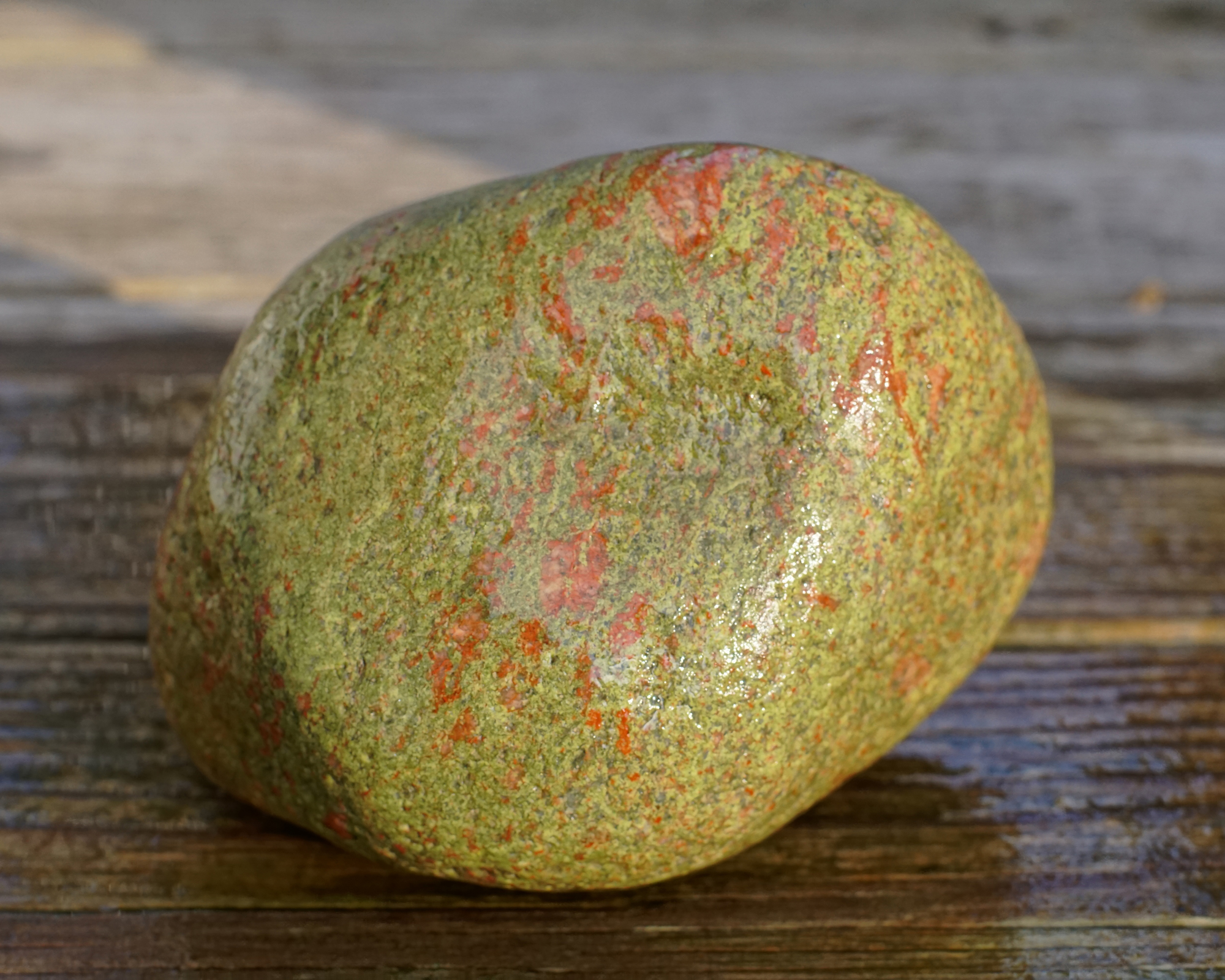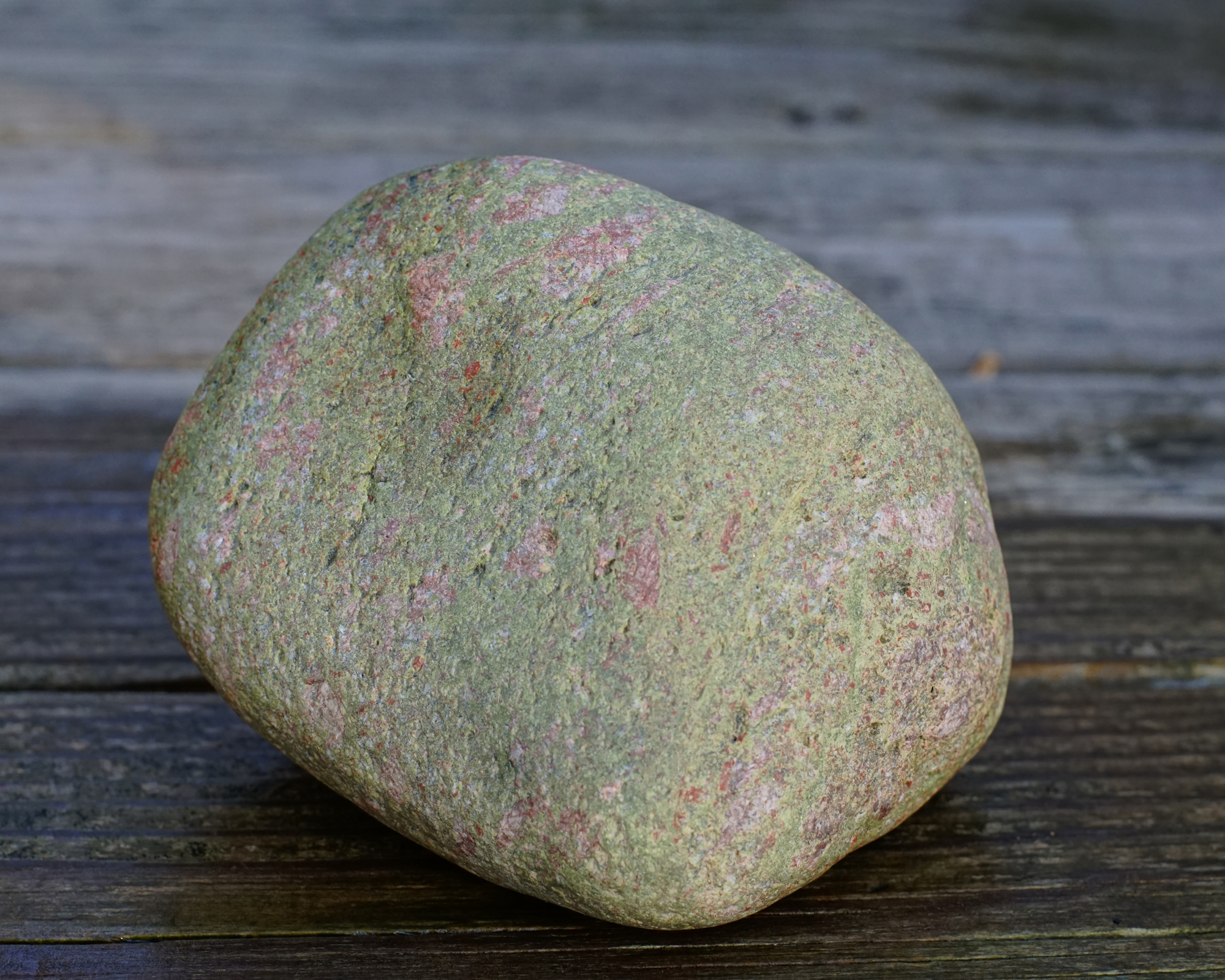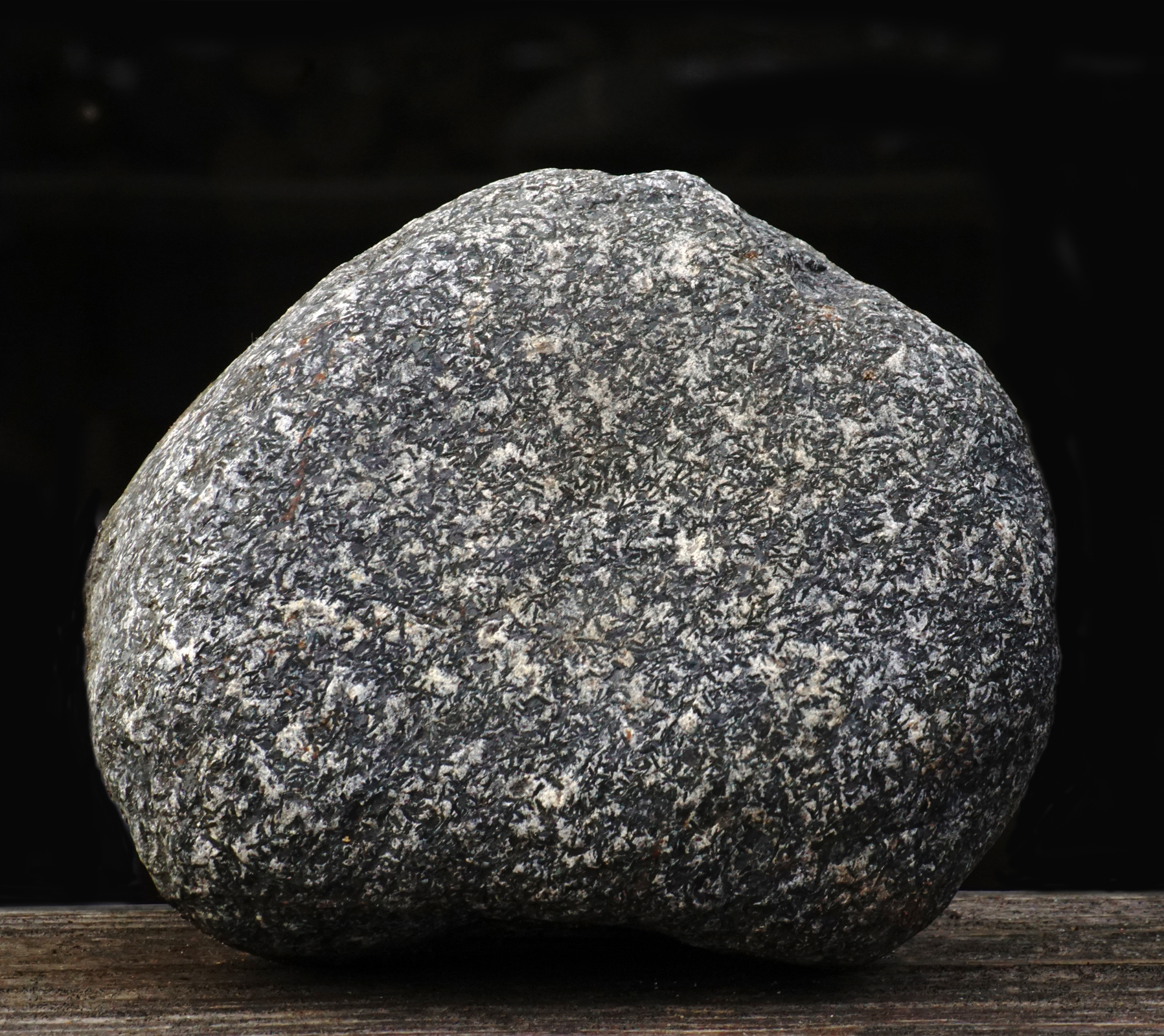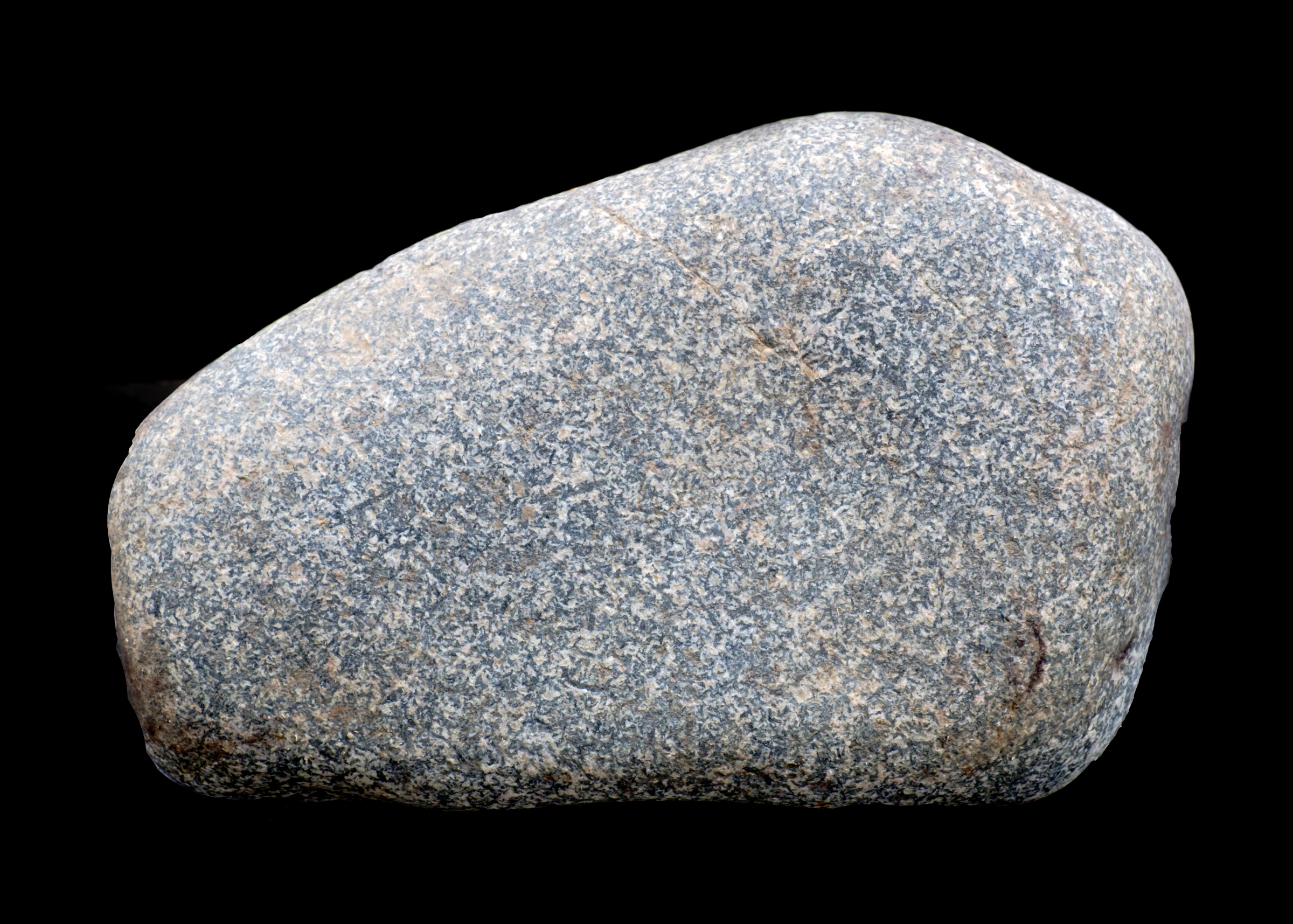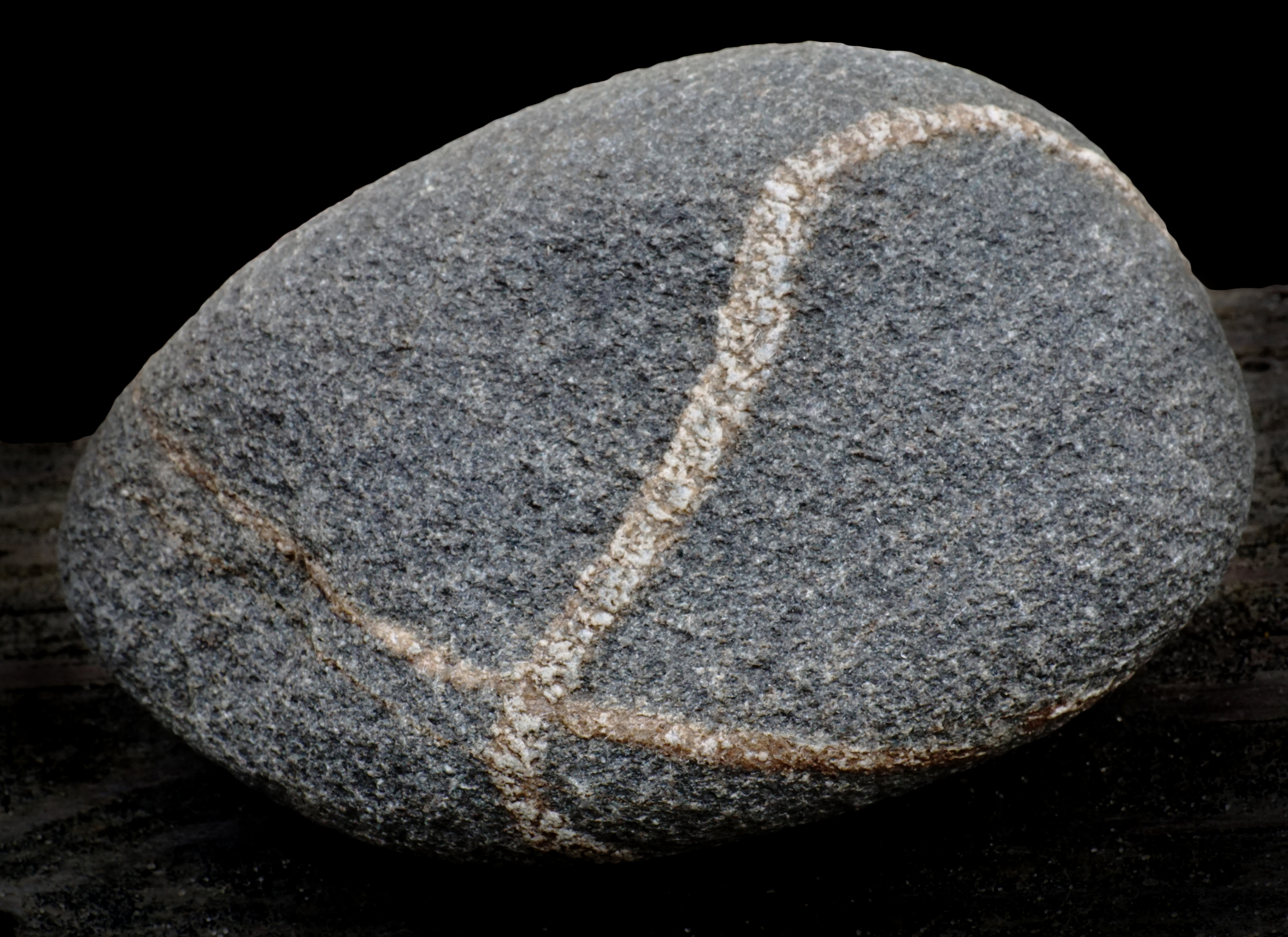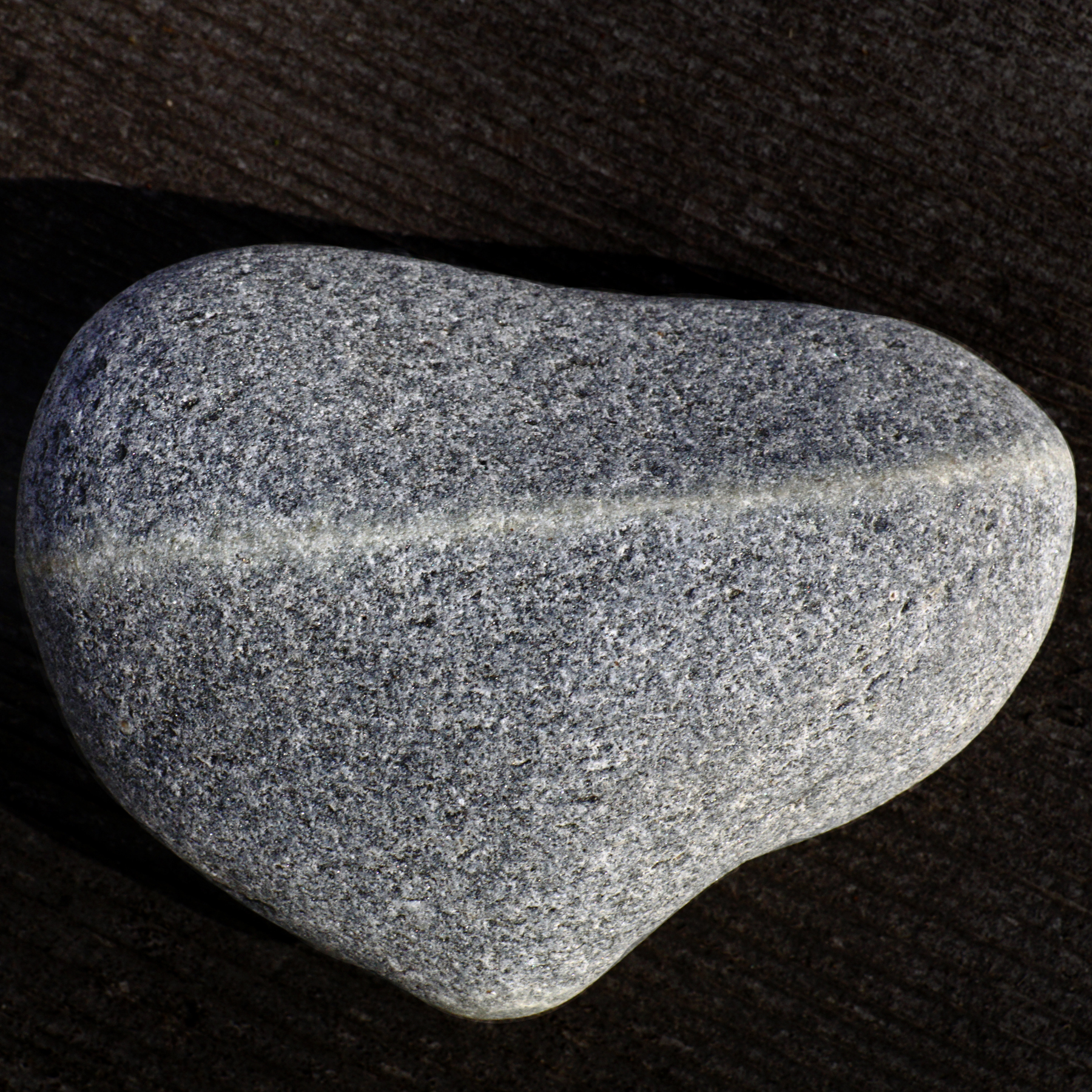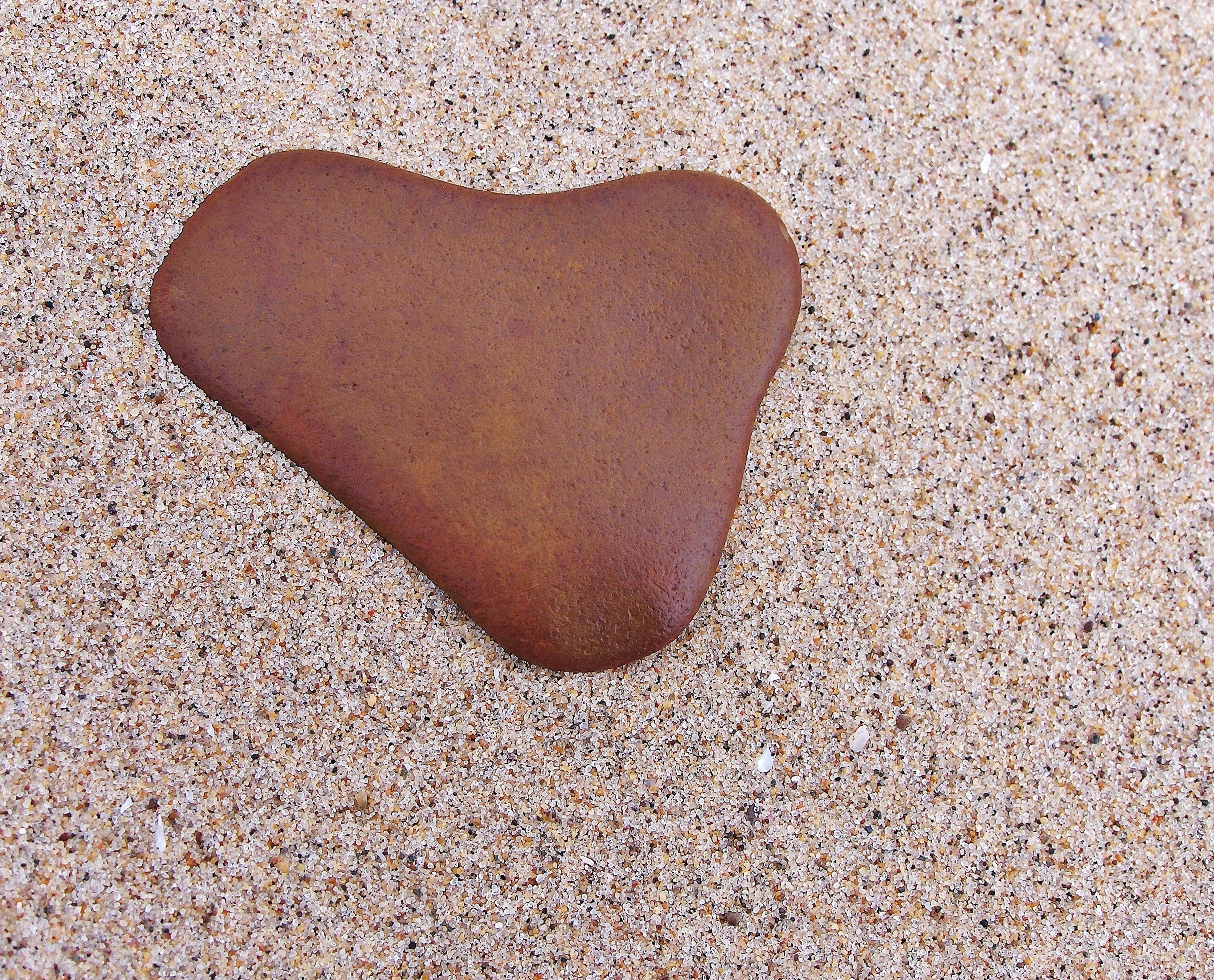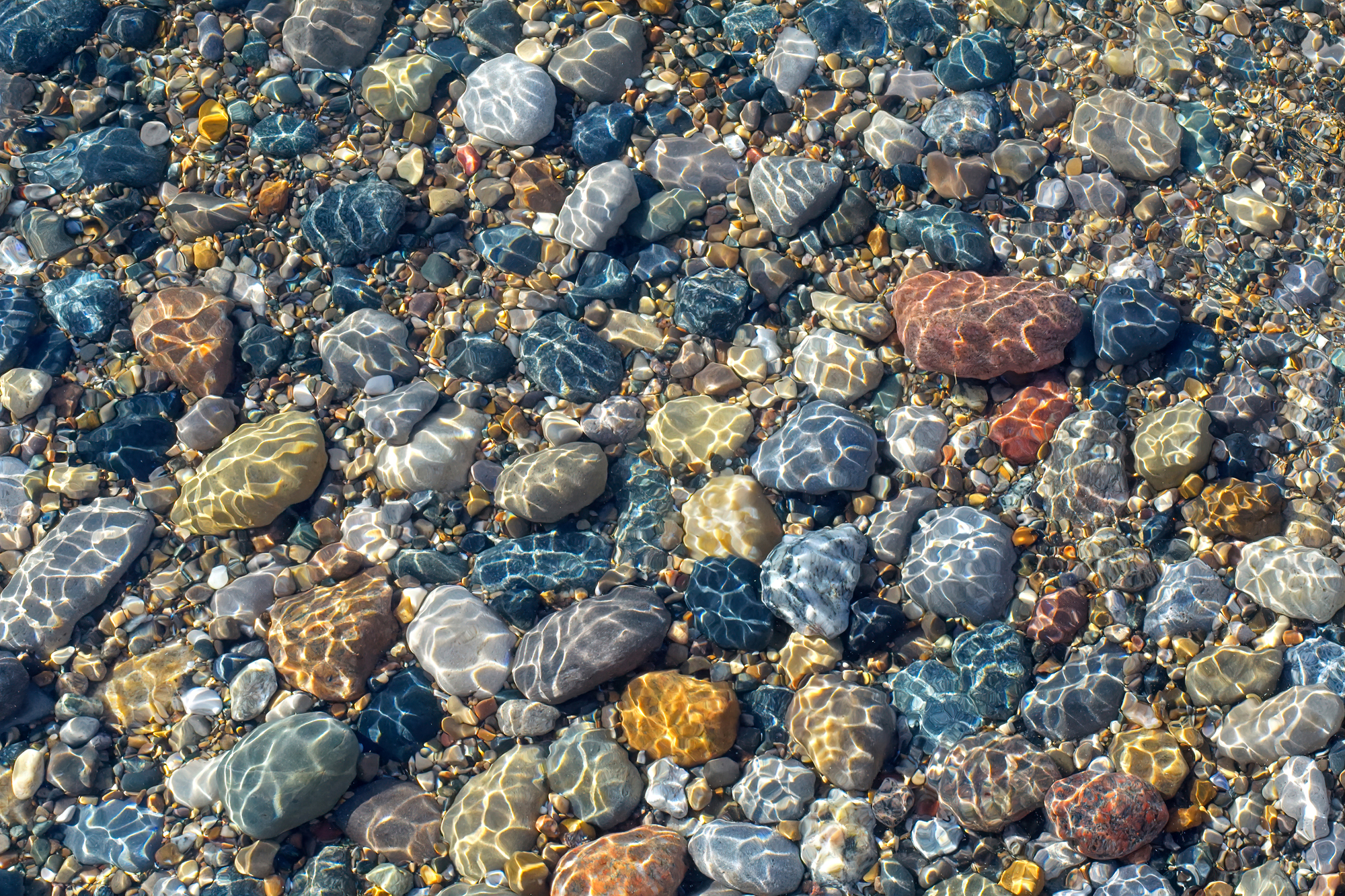
Get me outta here!

Fossil Lady

Eager to share my fascination with fossils, rocks, corals and seashells!

Menu

Skip to content
  • Home

Author Archives

Fossilladyhttps://fossillady.wordpress.comThis is where I combine my photography and writing to share my fascination with fossils, beach stones, seashells and corals.
Fossillady's avatar

Identifying Rocks of Lake Michigan (Septarian, Agate, Gabbro, Basalt and More)

January 10, 2026 by Fossillady

I Found a Rock on the Beach and Wondered A favorite pastime for beachgoers of the Great Lake states is combing the beaches for interesting treasures. Beachcombing can be a very settling and spiritual experience. I have enjoyed collecting many kinds of treasures along the shores of Lake Michigan, but in particular, beach stones. Follow along to learn interesting facts and identifcation of the assorted types of beach stones, both rare and common!

Featured Beach Stones and Boulders in the following order:

  • Basalt (5 types)
  • Gabbro
  • Septarian
  • Limestone (4 types)
  • Granite (2 types)
  • Diorite
  • Gneiss
  • Schist
  • Sandstone
  • Jacobsville Redstone
  • Siltstone
  • Mudstone
  • Claystone
  • Chalcedony
  • Agate

In case you have a specific rock you were looking for not listed here, you can try my other article on Lake Michigan beach stones HERE which includes in order Syenite, Rhyolite, Pumice, Dolomite, Milky Quartz, Presque Isle Serpentine, Quartzite, Unakite, Diabase, Pegmatite, Conglomerate, Banded Metamorphic Rocks, Quartz Veining, and for fun, Wishing and Heart Stones.

Note: Beach stones and rocks are smoothed and rounded as a result of the wind and waves pushing the stones against the sand, acting as a polisher. The degree of smoothness is also an indication of how far a stone has traveled from the site of its original formation. The smooth rocks feel so wonderfully warm and healing to the touch!

Basalt Stones found on Lake Michigan Beach

Basalt

Rocks are made up of minerals, and minerals are made up of elements. You can easily look up which minerals make-up any type of rock including basalt described further below in this article. Basalt is volcanic rock, the original rock of Earth’s crust. It covers more of Earth’s surface than any other rock. It is formed from ancient molten rock that cooled quickly when it reached the surface (called “extrusive type”). This is the reason for its fine-grain and heavy-density before gas bubbles, crystallization, or foreign materials infiltrate the rock. Basalt is typically grey to dark grey, but can rapidly weather to brown or rust-red due to oxidation of its iron rich minerals and can further exhibit a wide range of shading due to regional geochemical processes.

Most extrusive igneous rocks in Michigan were formed from ancient, quiet, lava flows which reached the surface through long cracks and crevices in the Earth’s crust; also, from remnants of mountain peaks that have withered away. Just imagine, when you find a basalt rock on the beach, you’re likely holding in your hand at least a billion-year-old chunk of Earth. Below is a brief description of four special types of basalt; Ophitic, Vesicular, Amygdaloidal and Porphyry.

Ophitic Basalt found along Lake Michigan Beaches

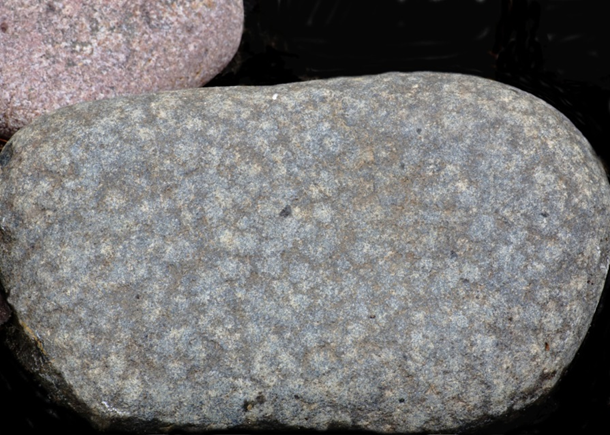
Ophitic Basalt

Ophitic Basalt looks like a basalt rock that has been decorated with light-colored snowflakes. The snowflakes are formed from tiny feldspar crystals within the basalt lava. Because the feldspar crystals eroded at different rates than the basalt base, there is often a slightly mottled texture to these stones. The sample above was a small boulder found on the beach and was quite heavy to carry in my arms!

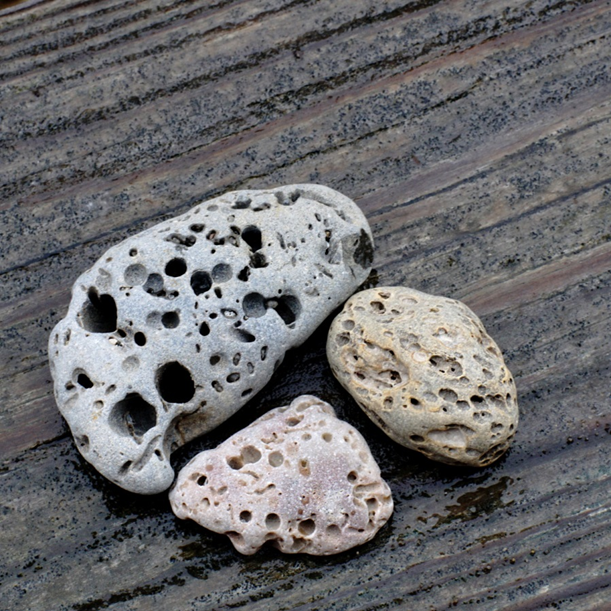
Vesicular Basalt Beach Stones

Vesicular Basalt

Occasionally, we find these most-curious pitted stones on the beaches. After some research, I finally understand how they got that way. They are called “vesicular basalt,” which means basalt with textures, and if the deep pits (vesicles) cover more than half the surface of the rock, it’s called scoria. What causes the vesicles or pits in the rock? The basalt-making molten rock cools down quickly before gas bubbles from deep inside Earth’s surface have the chance to make their way out. When the lava reaches the atmosphere, the bubbles inside can blow out, leaving spherical-pitted impressions.

Amygdaloidal Basalt Beach Stone

Amygdaloidal Basalt

This is what can happen, yet later; the vesicles (holes) can fill in with other minerals and the fillings are called amygdules. The basalt is then referred to as amygdaloidal basalt. If the lava flow is in motion when the blowholes are being formed, the holes may be drawn out and elongated, as you can see in the sample above.

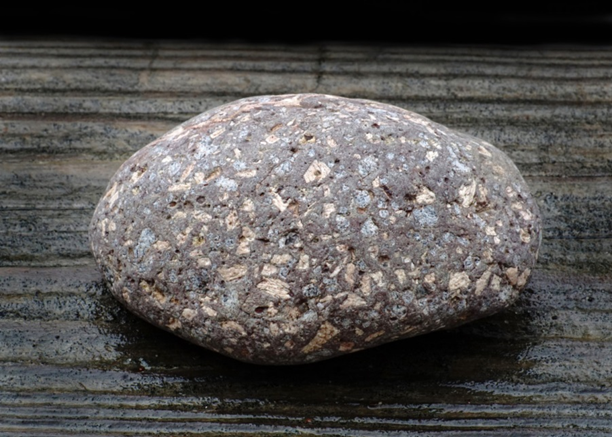
Basalt Porphyry Beach Stone

Basalt Porphyry

What is porphyry? In various rock types (in this case, basalt), when you see large crystals of a mineral embedded within other finely ground minerals making up the mass, it’s porphyry or porphyritic rock. (You can tell the porphyry basalt apart from the above amygdaloidal basalt sample by the absence of empty pits). The porphyry beach stones are more rare to find. This sample of basalt has a greenish cast likely due to the inclusion of the mineral olivine; and calcite is likely the mineral speckled within the basalt mass.

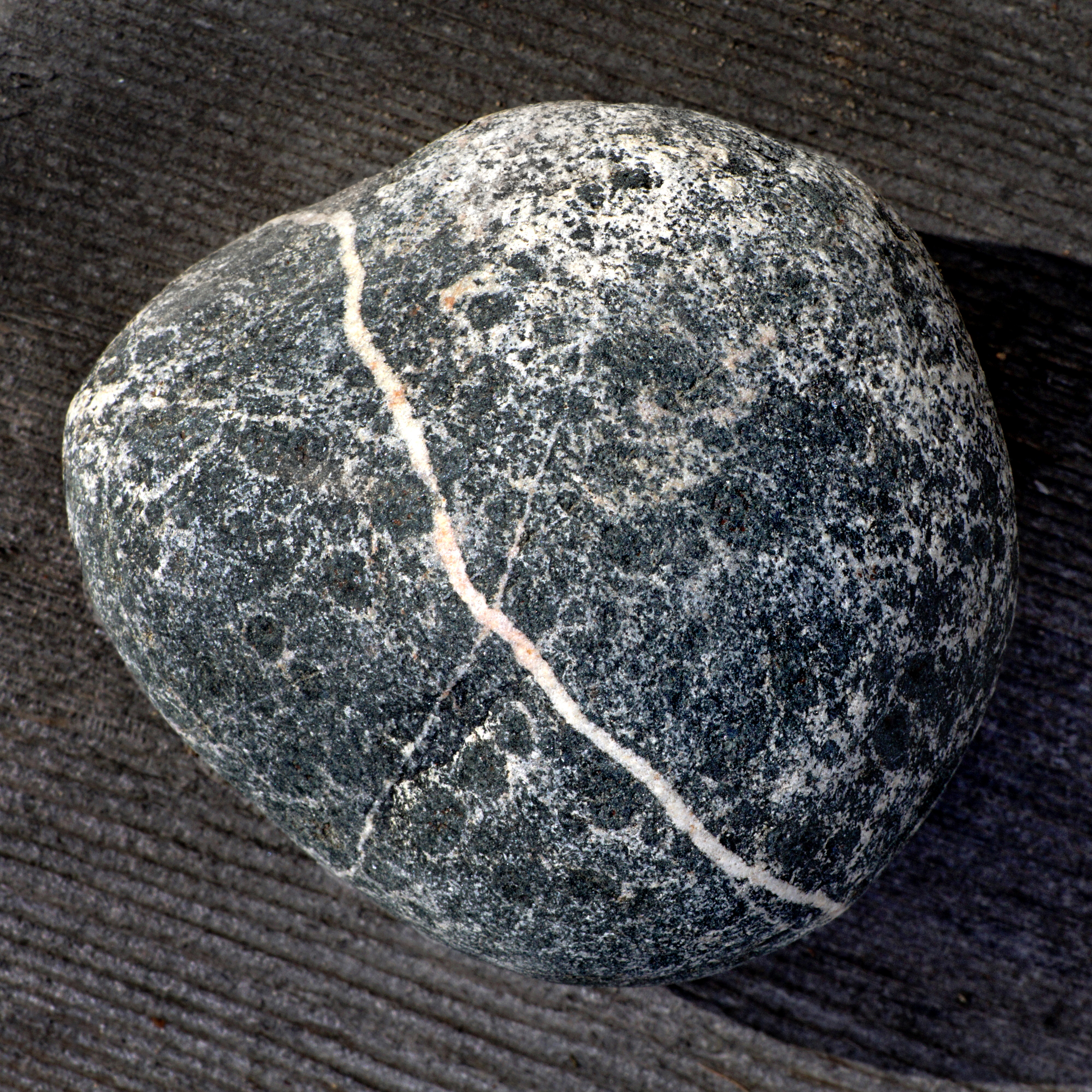
Gabbro

Gabbro

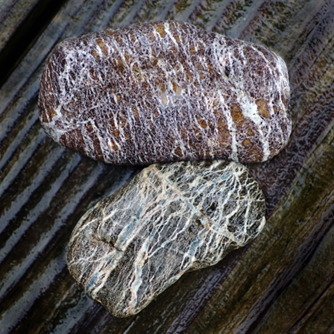
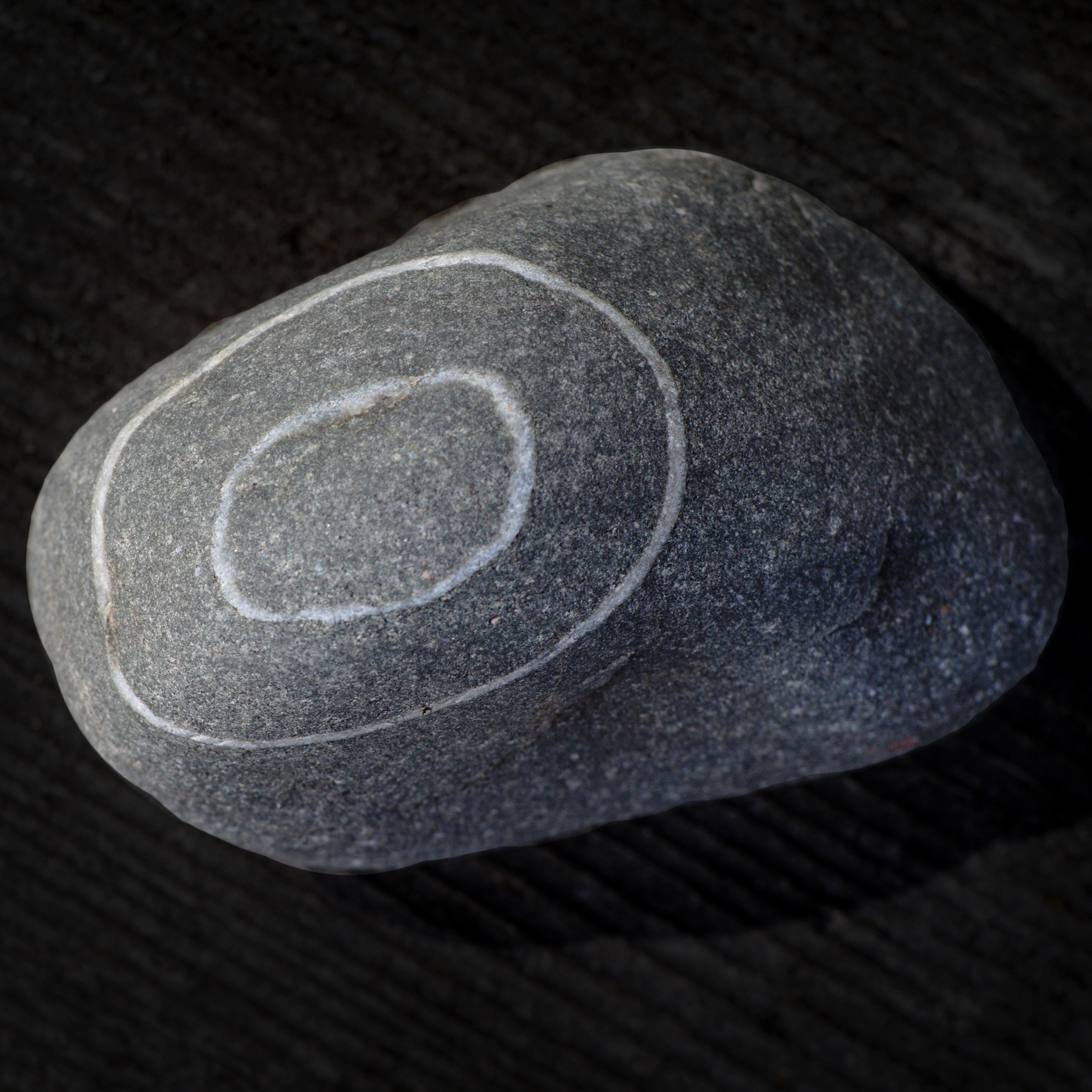
Gabbro is igneous rock which cools slowly (intrusive) deep below the Earth’s surface causing its minerals to crystallize. It’s sometimes called “black granite” for its similar, coarse-grain appearance to granite, but a large proportion of its iron-bearing minerals make gabbro heavier and usually darker in color. Gabbro can also be gray and dark green. You may observe fewer light-colored mineral grains. Unlike many other igneous rocks, gabbro usually contains very little quartz, although the sample I collected has a quartz vein running all the way around it.

Gabbro has the same mineral composition as basalt (olivine and pyroxene silica minerals, with smaller amounts of plagioclase feldspar minerals and mica). But whether basalt or gabbro forms, depends upon the cooling rate of the magma, not its composition. While gabbro is coarse-grained, which cools slowly during the molten stage (intrusive), basalt is fine grained that cools quickly (extrusive).

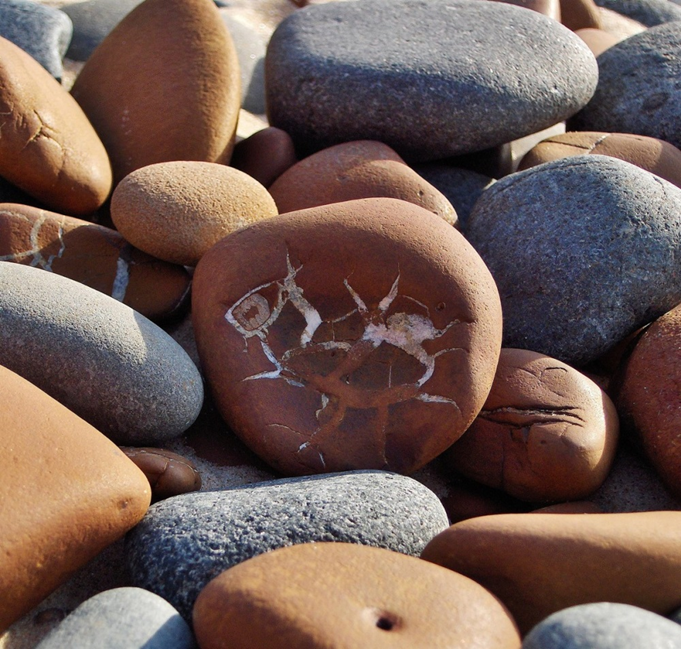
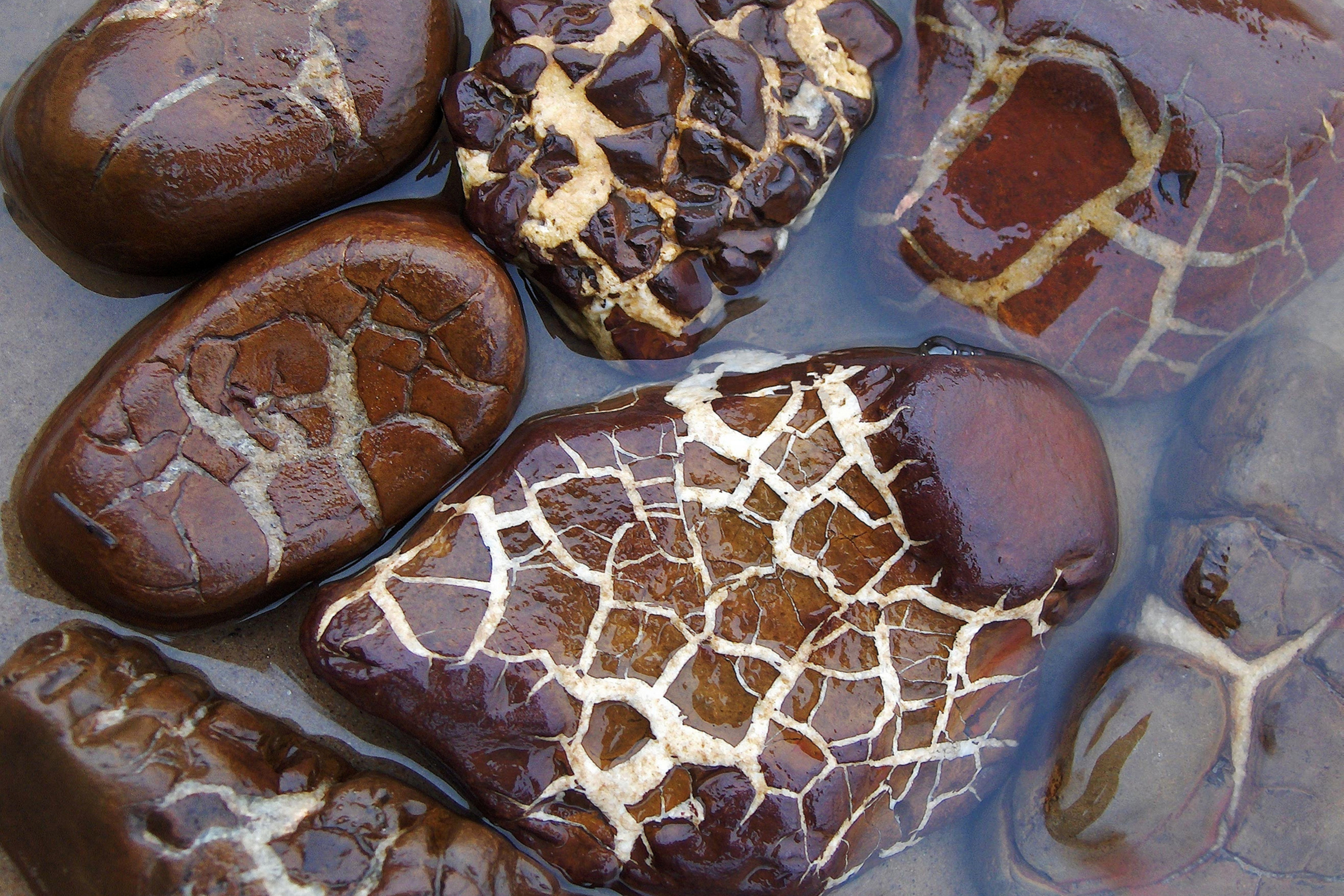
Septarian Nodules “Lightening Stones”

Septarian Nodules

Interesting how they formed; around 50-70 million years ago, iron-rich mud and clay formed clumps over a seabed of a shallow ocean that covered southern territories of the USA.  At some point, the ocean water receded drying out the muddy substrate giving way to cracks and fissures (septaria). Later, calcite infiltrated the open veins via ground water which gradually crystallized. Years and years later, giant ice glaciers carried and deposited the Septarian mudballs to Michigan. I have written a more thorough explanation in another article.

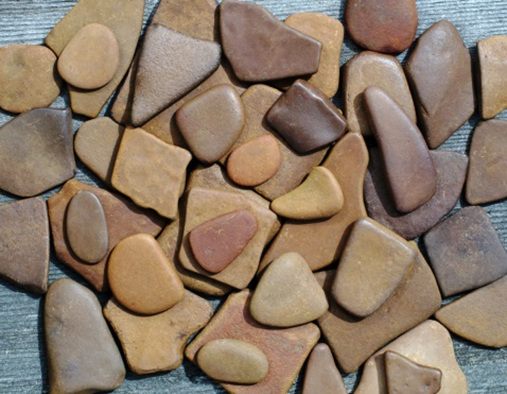
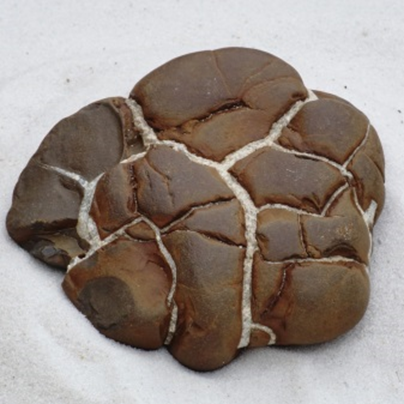
Septarians are found only in certain areas of Southwestern Michigan and very few other places around the world. Locals call them “lightning stones” or “turtle stones” for the resemblance. The photos below are good examples of the cracking process. Sometimes the stones break completely apart and we find thousands of smoothed, broken-off sections on the beach.

Brown Mud/Clay Stones Broken Pieces
Septarian Nodule “Lightening Stone”

Limestone

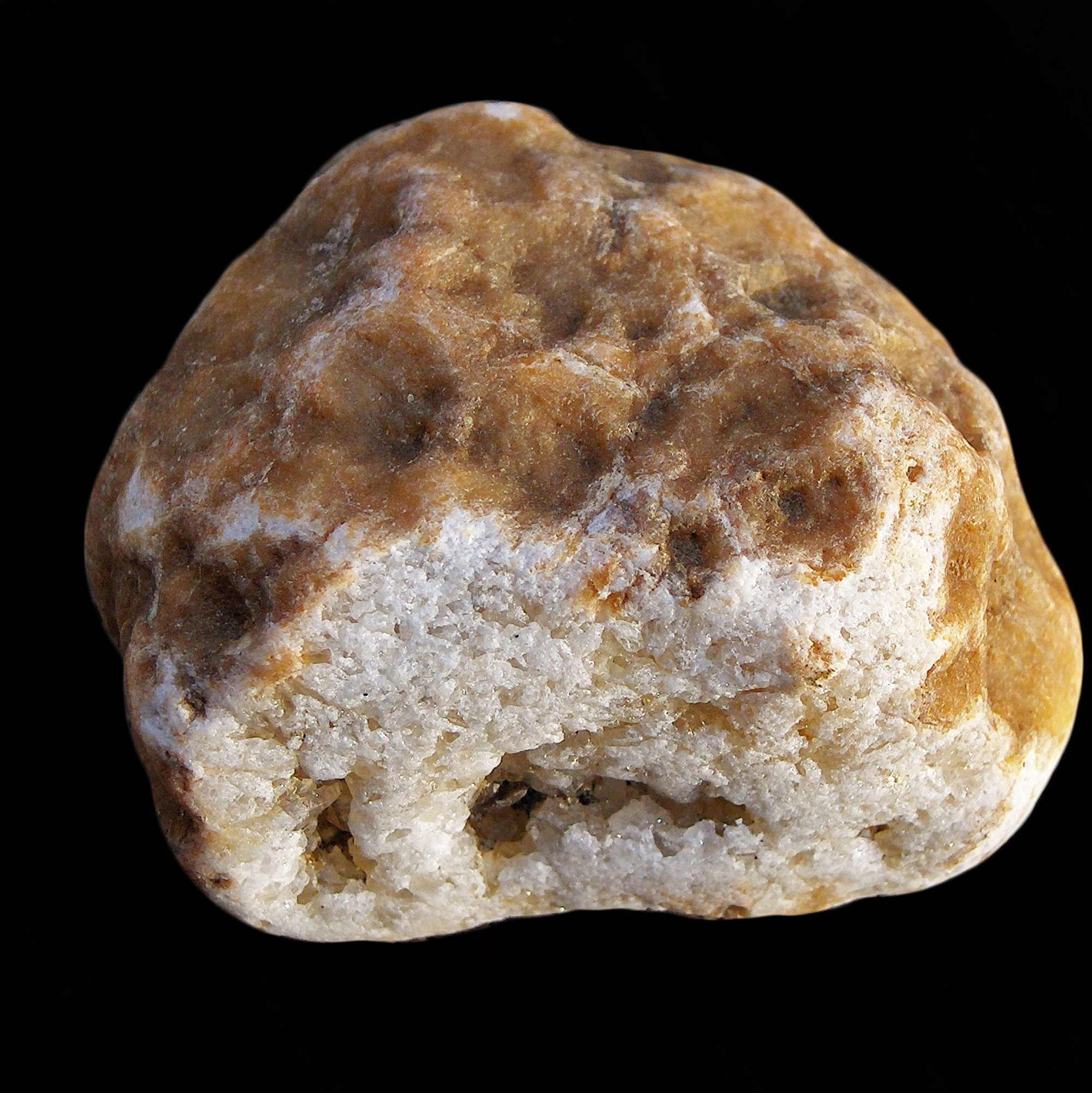
Limestone is a sedimentary rock composed mainly of the skeletal fragments of marine organisms such as corals, clams, or mollusks. Its major mineral contents are calcite and aragonite, which are different crystal forms of the compound calcium carbonate. Marine animals grow their shells by extracting calcium carbonate from the water, which is quite fascinating when you think about it! There are several types of limestone lying on the beaches of the Great Lakes. Below is a descripton of four types; Compact, Crinoidal, Fossiliferous and Tuffa Limestone!

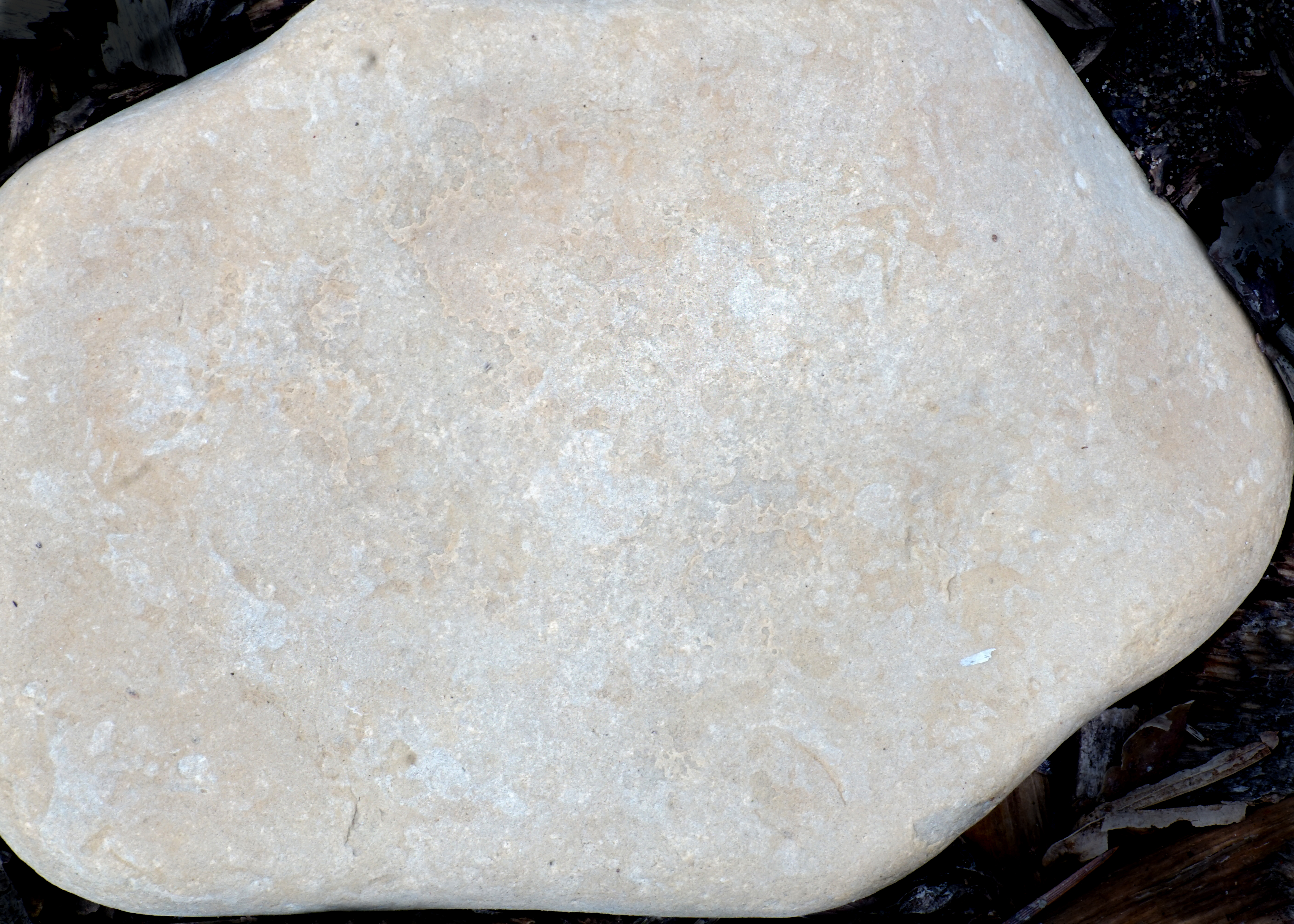
Compact Limestone

Compact Limestone

Compact limestone is composed primarily of tightly packed calcium carbonate derived from the remains of marine organisms. It can vary in color from white, yellowish, pinkish, red, gray, or even black, depending on the presence of other minerals. It has a very fine texture and is denser than other types of limestone. The first sample shown above is a large piece with rounded edges and has been flattened, hence the name “shingle” for flat stones found on beaches.

Crinoidal Limestone Found on Lake Michigan Beach
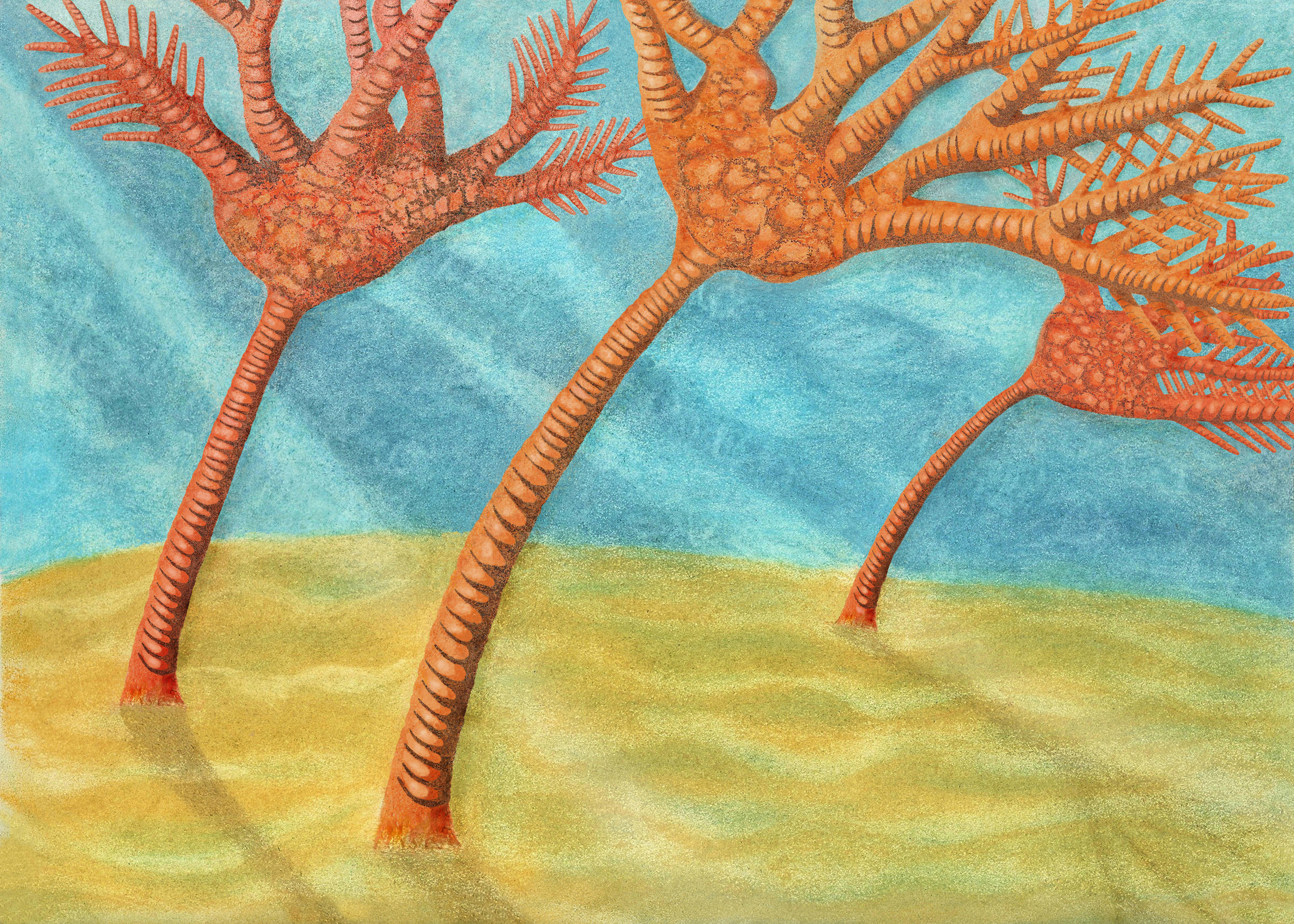
Extinct Crinoid Ocean Creatures

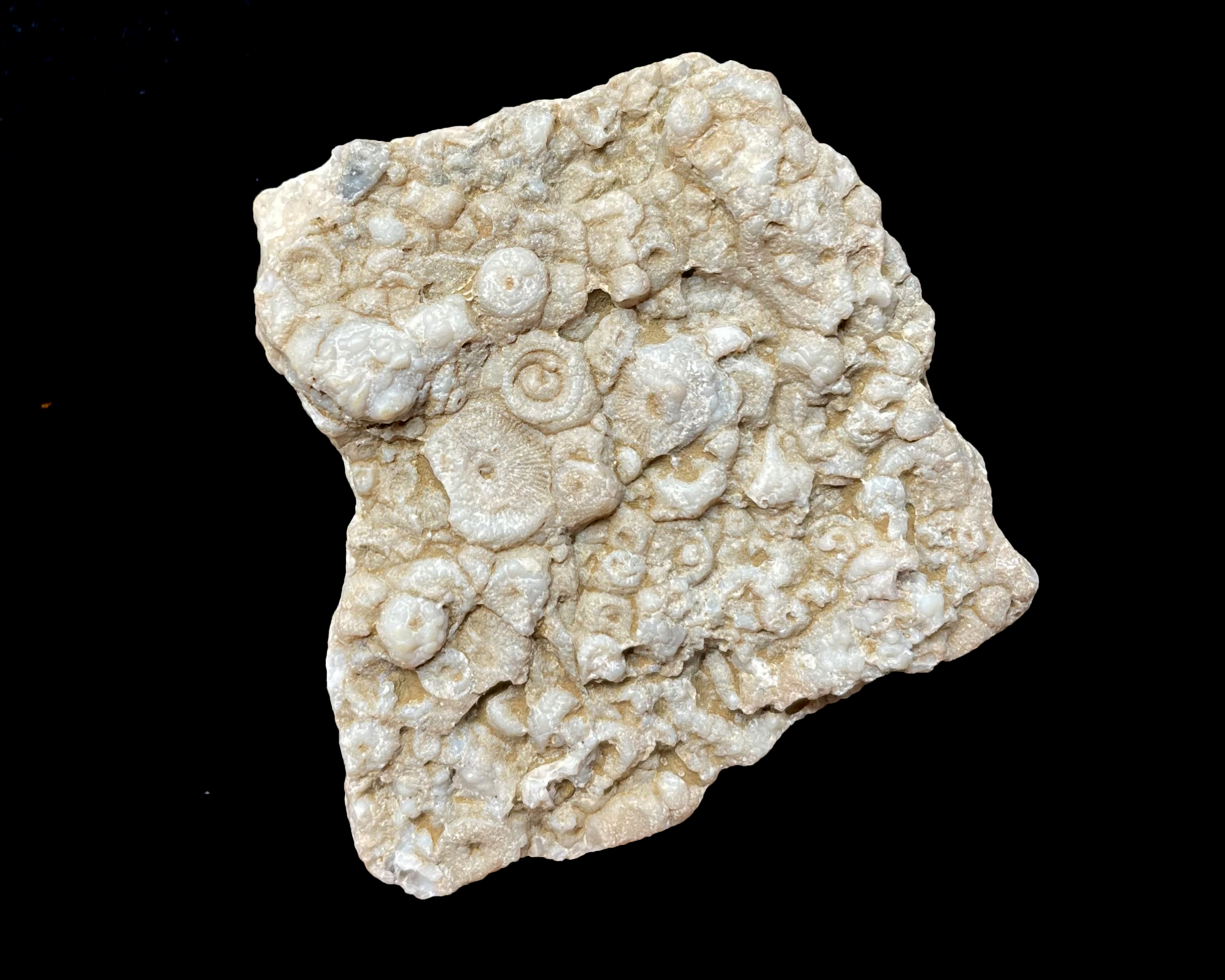
Crinoidal Limestone

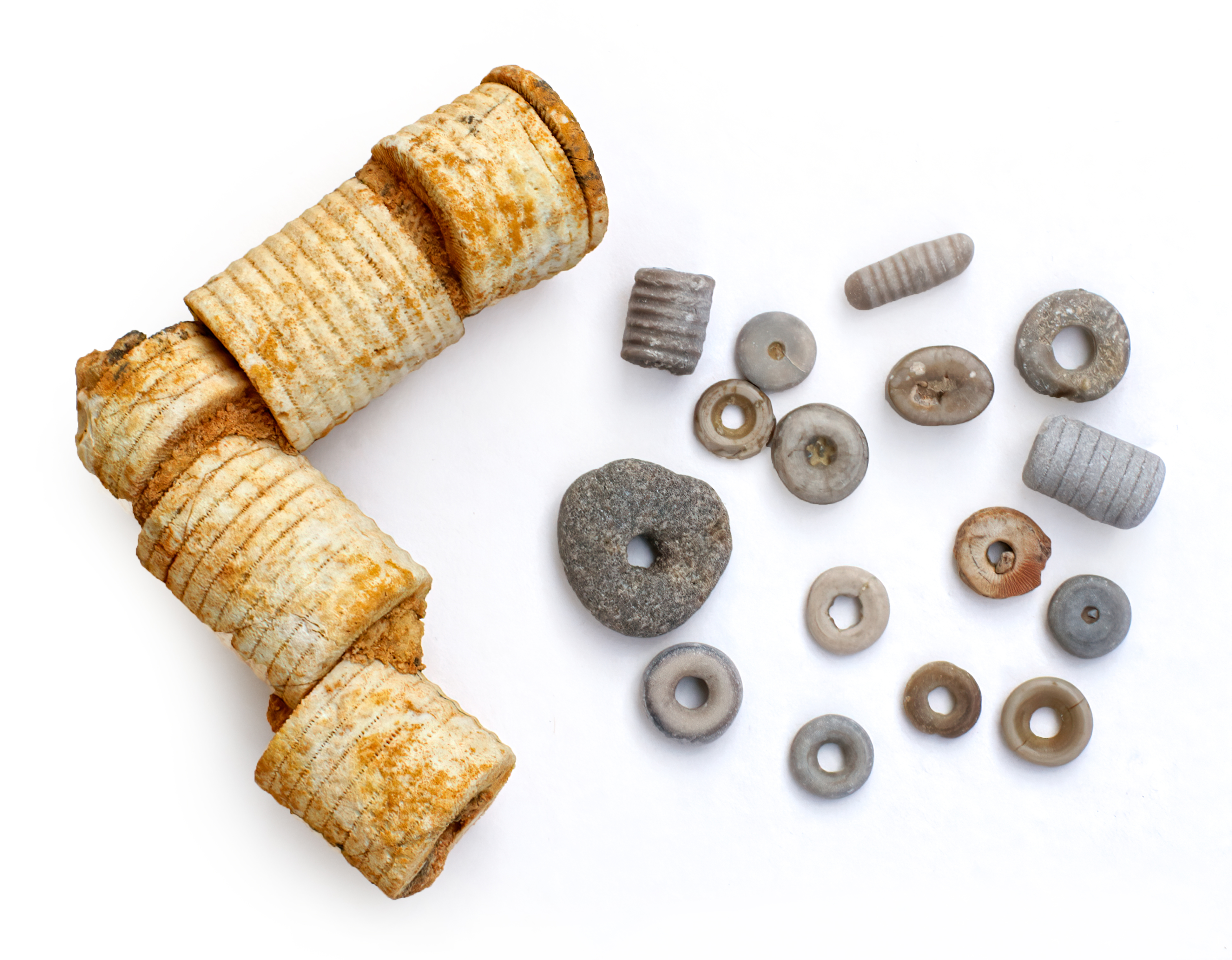
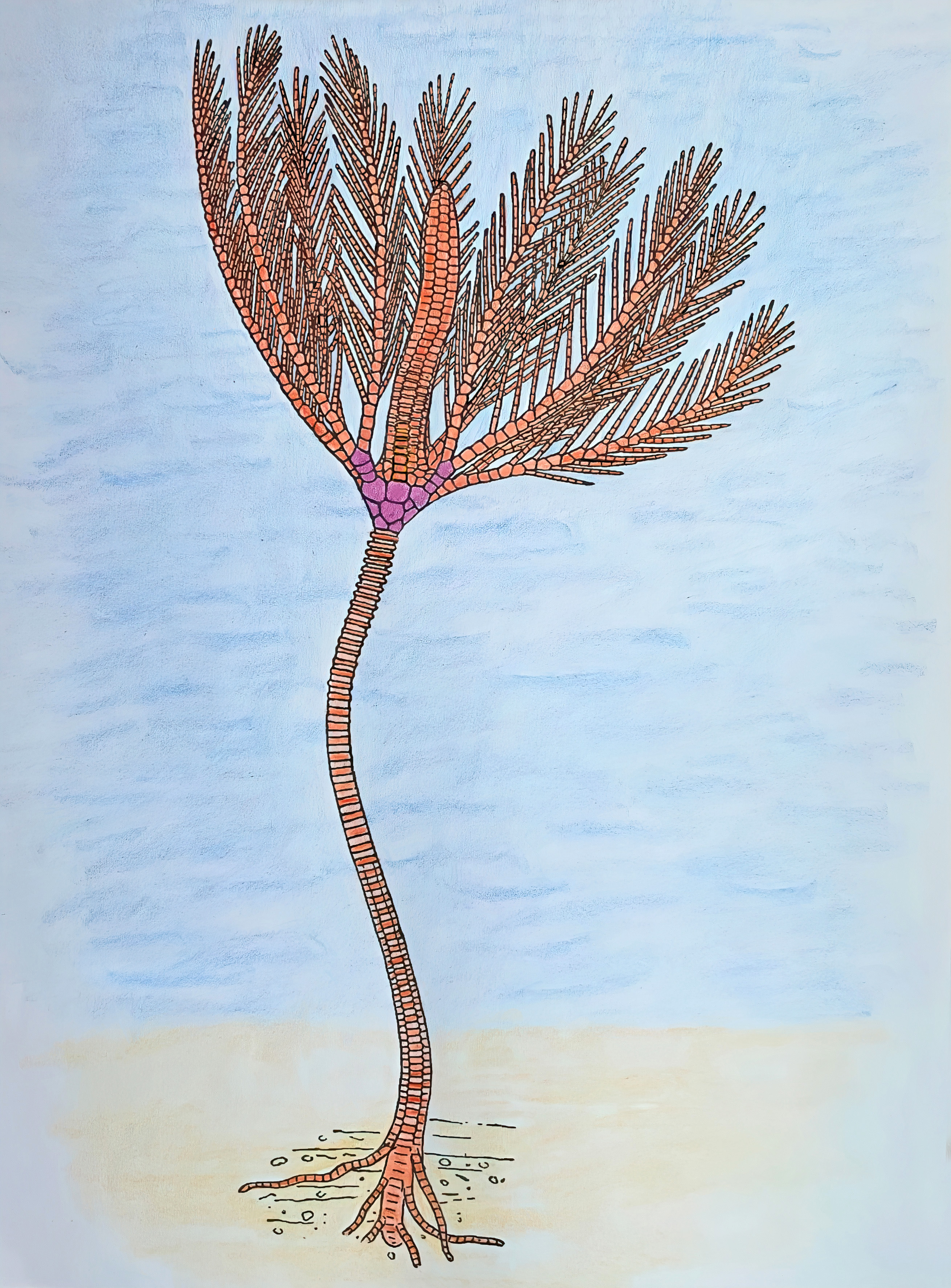
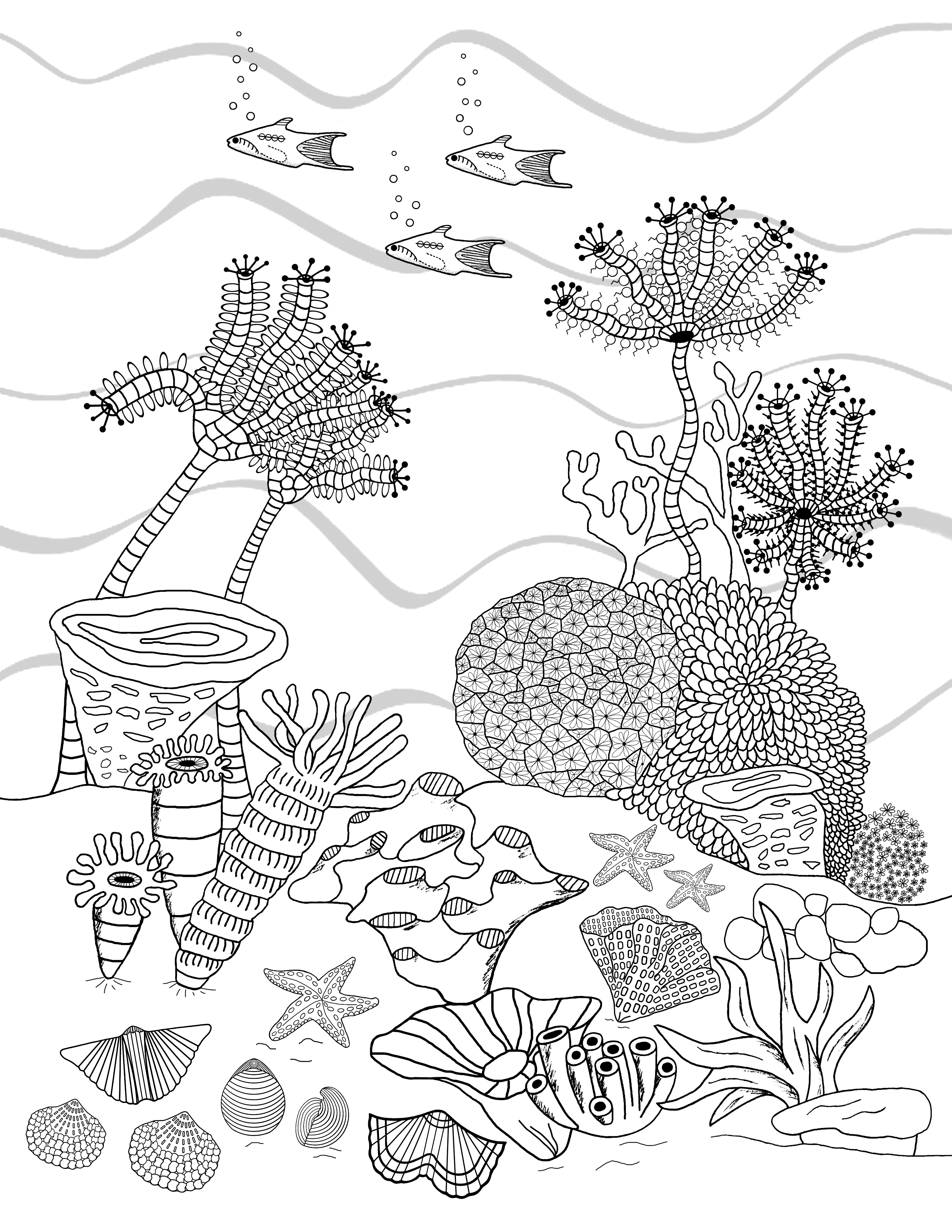
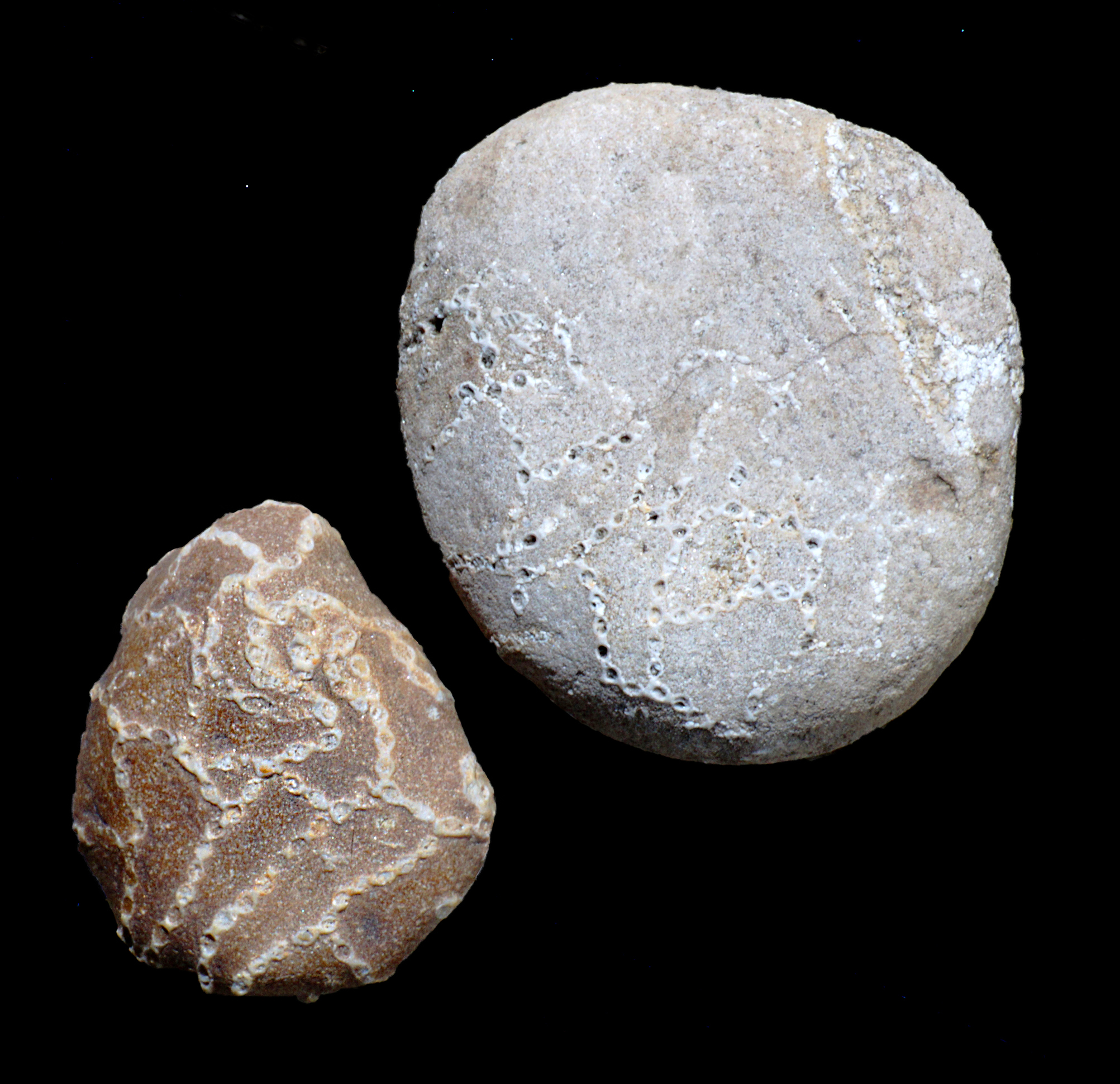
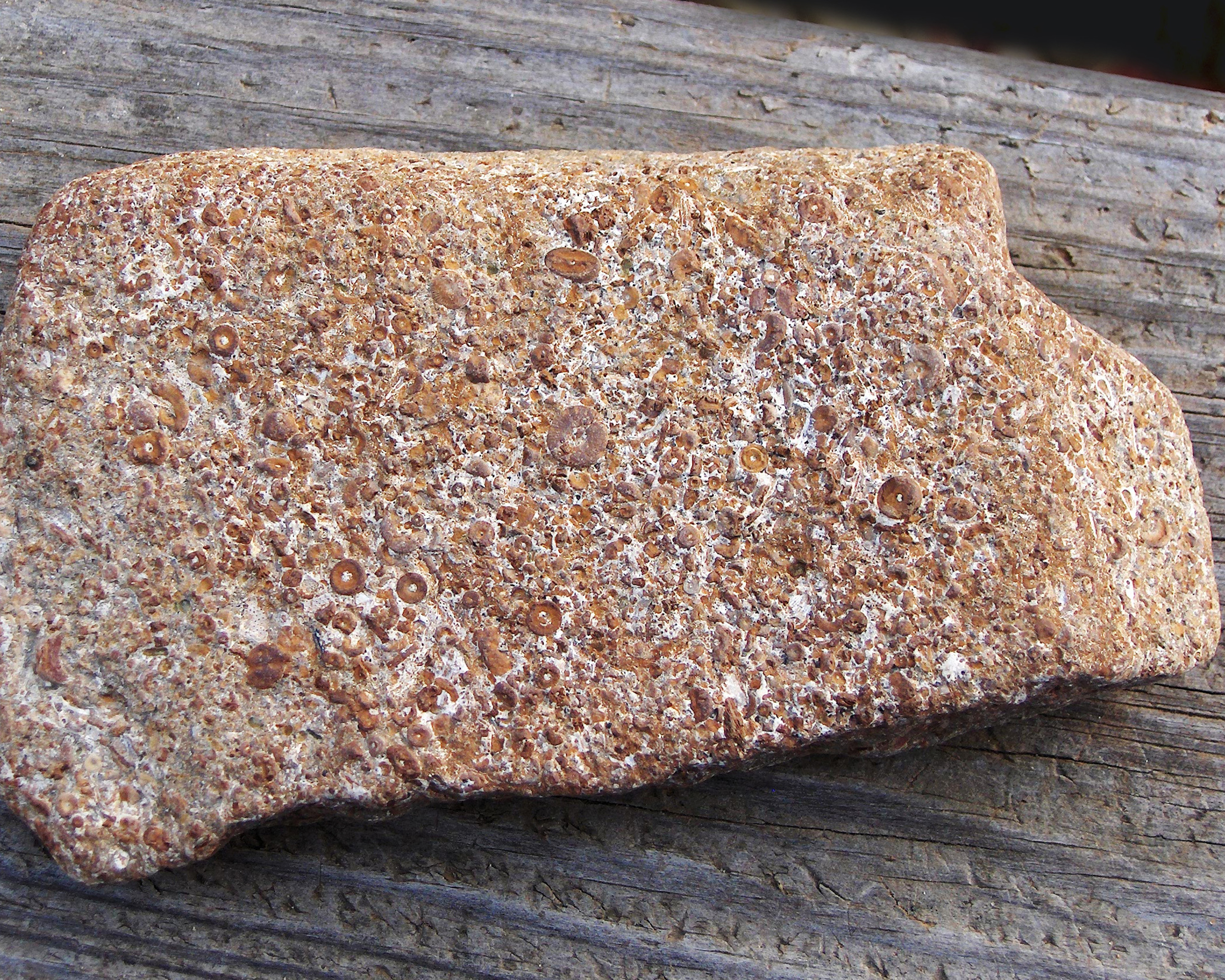
Crinoidal limestone contains a significant amount of crinoid fossils. Crinoids are extinct invertebrate organisms with limbs that branched out from atop a long narrow stem. They lived as far back as 500 million years ago. They fed by sifting or filtering microorganisms from the ocean water with tentacle like feelers (see drawing). With keen eyes, we sometimes find broken stems from the fossilized remains of these marine creatures or we find individual cheerio-shaped pieces broken off from the stems visibly embedded in the rock samples above and below.

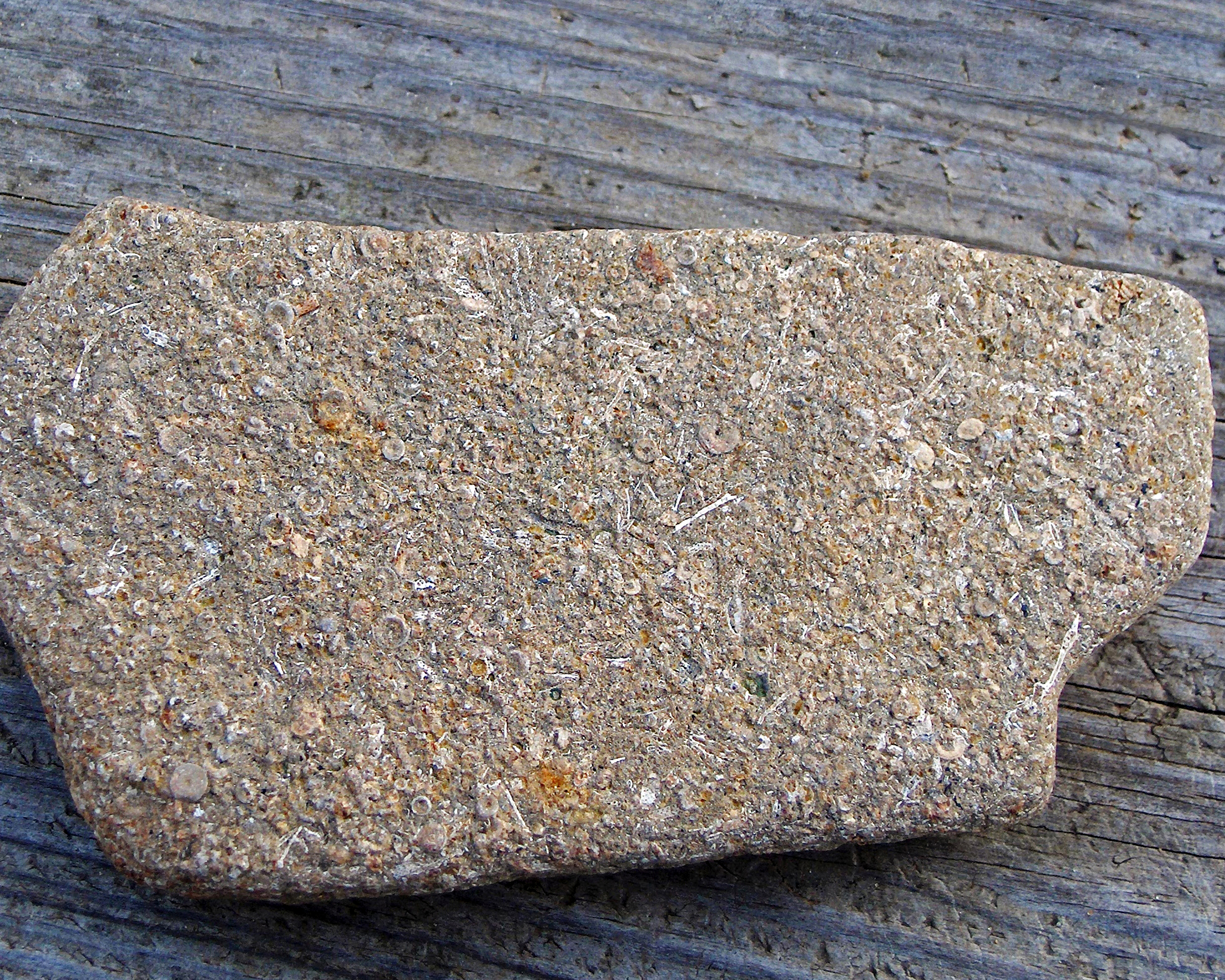
Fossiliferous Limestone

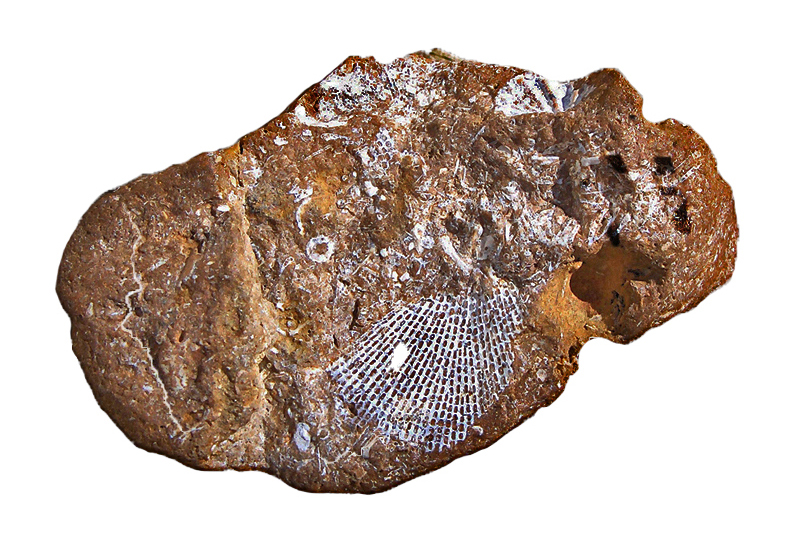
Fossiliferous limestone (shown above) are found fairly commonly in certain pockets on the beaches of Southwest Michigan. Fossiliferous limestone contains a visible abundance of broken fossil pieces such as the shells of mollusks, clams, crinoids, and other invertebrate organisms. Like other limestone, fossiliferous limestone is composed of the mineral calcite. It can be white, pink, red, reddish brown, gray, and even black, depending on the mineral makeup. We find many reddish-brown colored samples on our beaches due to the infusion of iron.

Tuffa Limestone Found on Great Lakes Beach

Tuffa Limestone

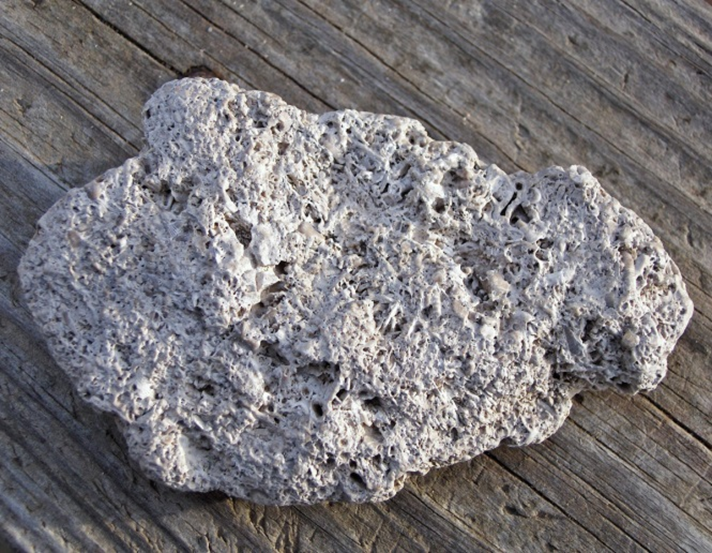
Tuffa Limestone is a porous limestone that forms from the precipitation of calcium carbonate, often at a hot spring or along the shoreline of a lake where waters are saturated with the chemical compound.

Granite Beach stones

Granite

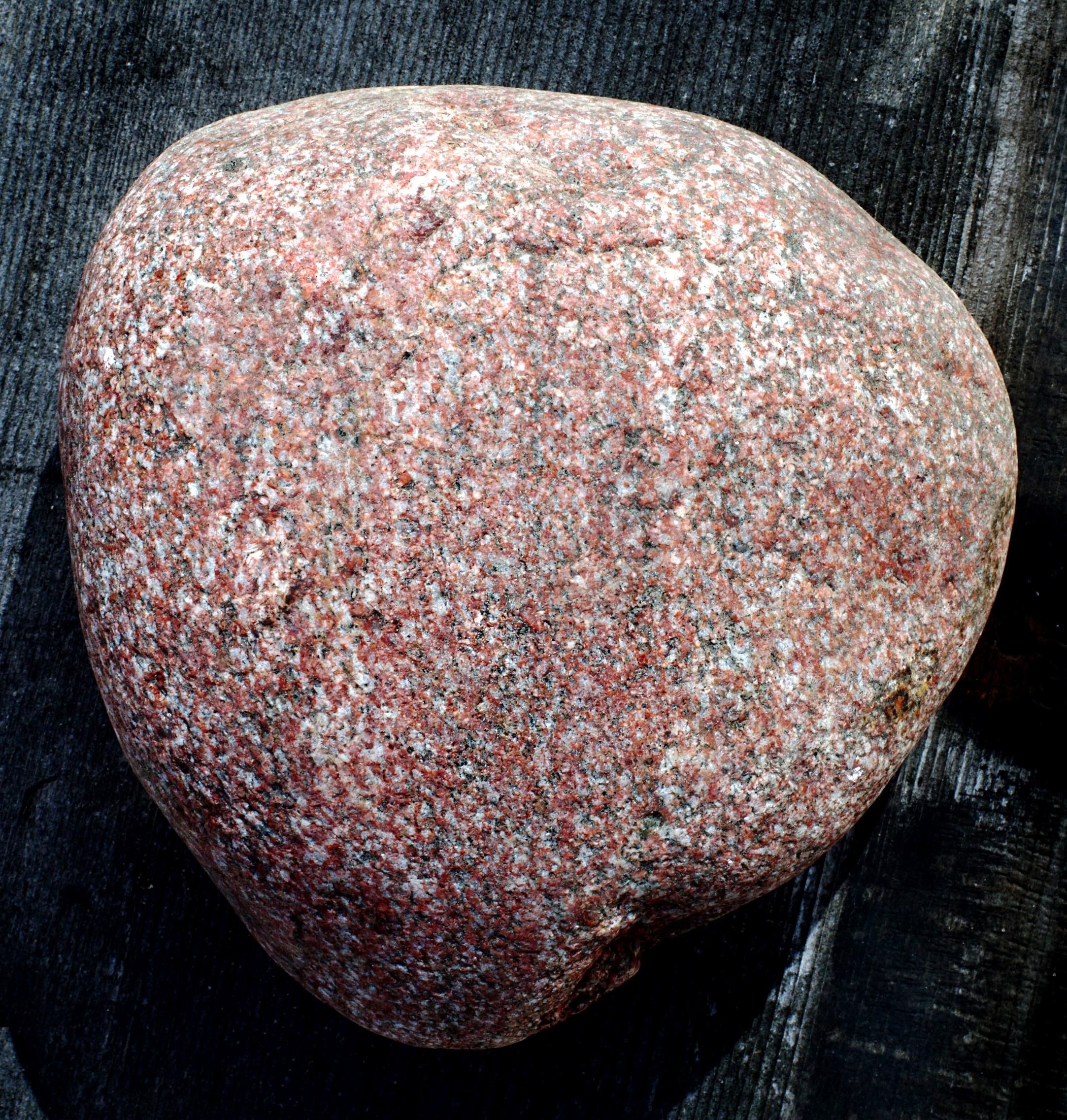
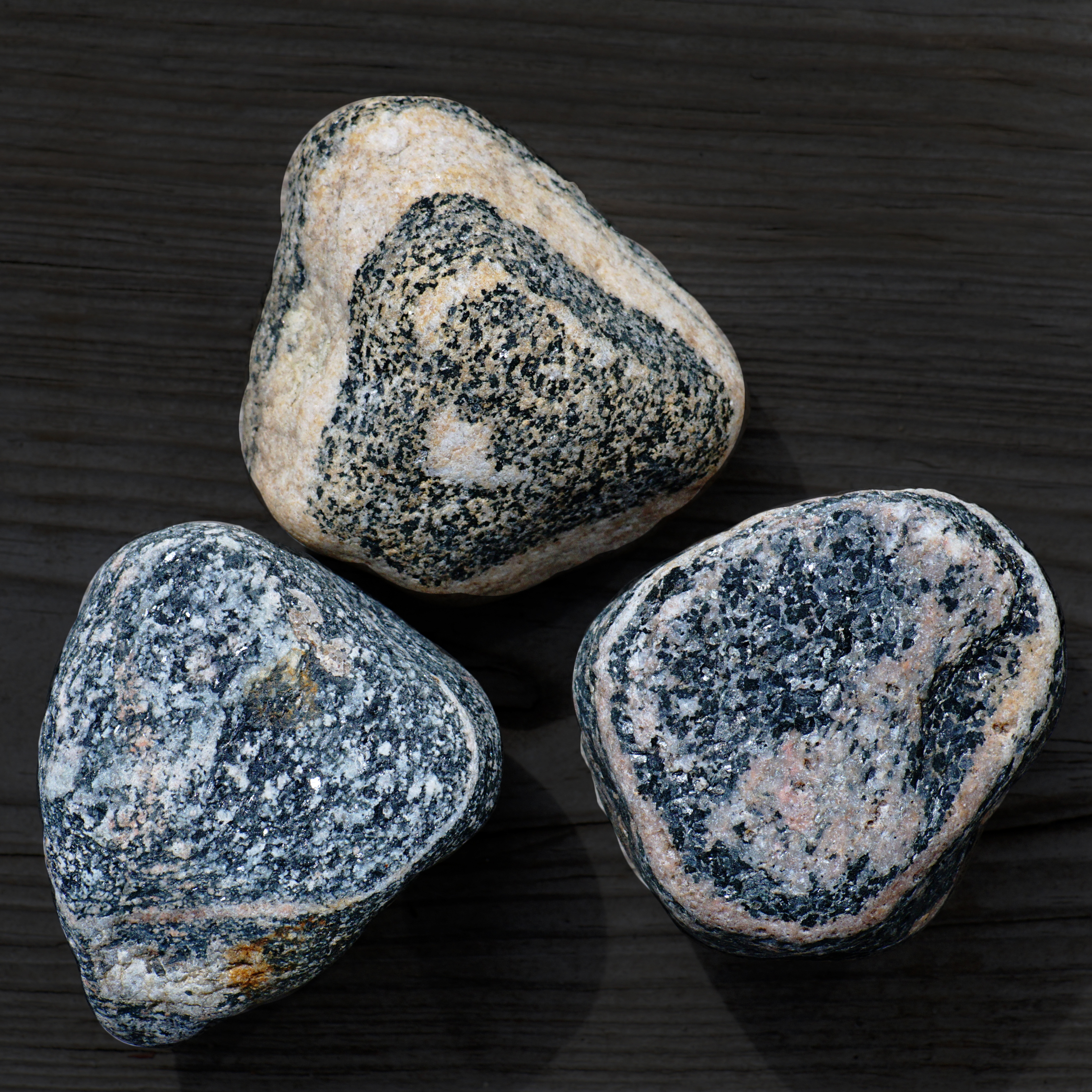
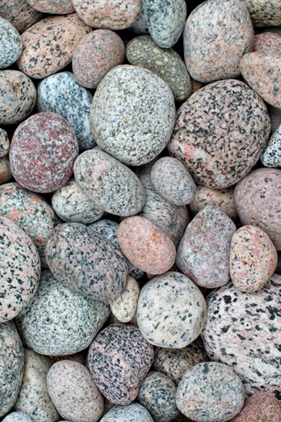
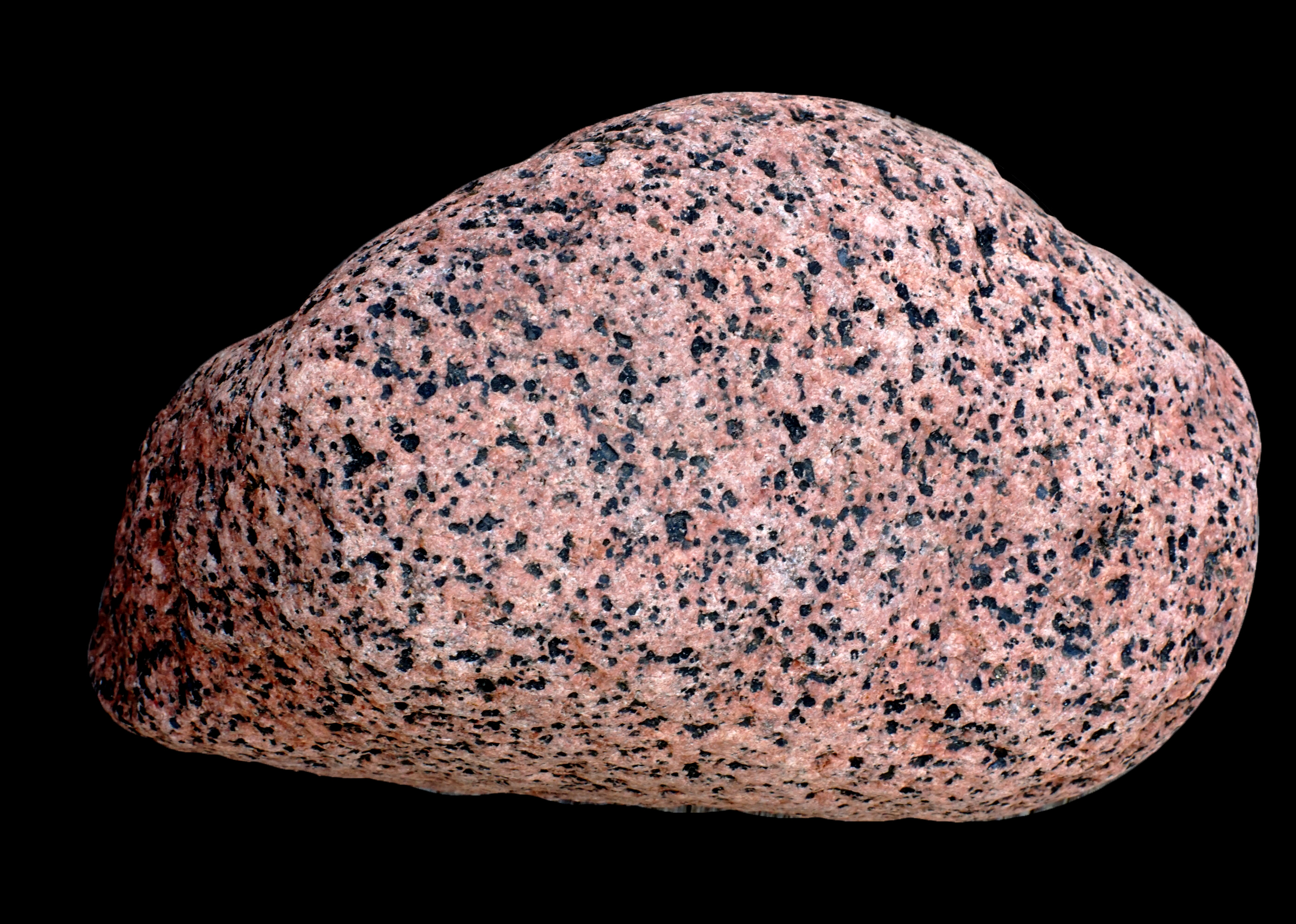
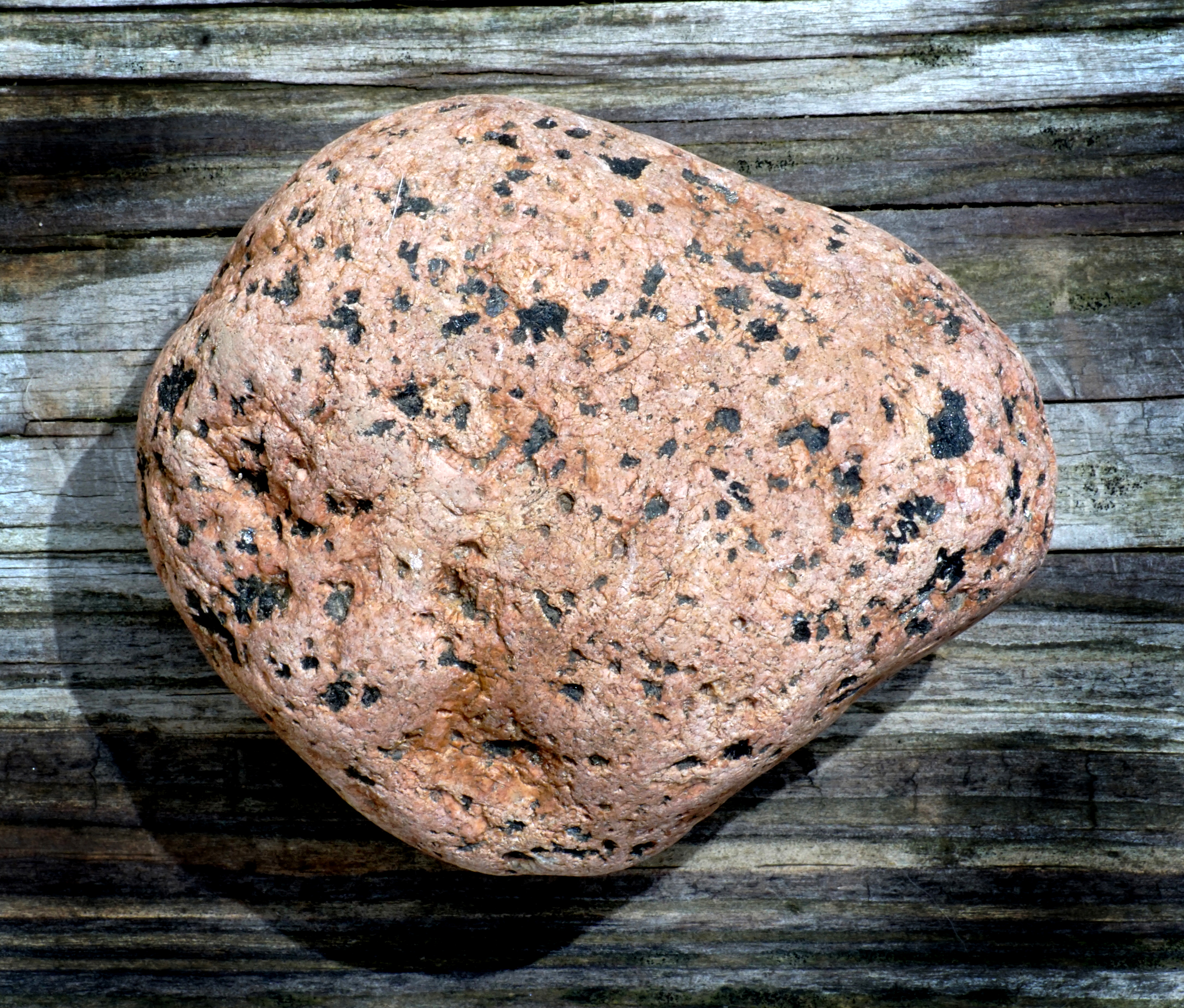
It’s thrilling to find these round, bird-egg-shaped granite stones on the beach. With their varied colors and patterns, they create beautiful works of art. Granite is another type of rock we find quite often on our Great Lake beaches in the form of pebbles, cobblestones, and boulders.

Granite makes up 70–80% of the Earth’s crust. It’s an igneous rock that cools slowly during its formation deep within the Earth. The slow cooling (intrustive type) allows for the process of crystallization of molten rock. The crystallized, coarse-grained minerals can easily be seen with the naked eye in each rock. Colors vary from red, pink, gray, to white with black grains, depending on the amount and mix of minerals.

What gives granite its color?

  • Quartz – typically milky white in color
  • Plagioclase Feldspar – typically off white
  • Alkali or Potassium Feldspar – typically salmon pink
  • Biotite Mica – typically black or dark brown
  • Muscovite Mica – typically metallic gold or yellow
  • Amphibole Hornblende – typically black or dark green
Granite Beach Stones

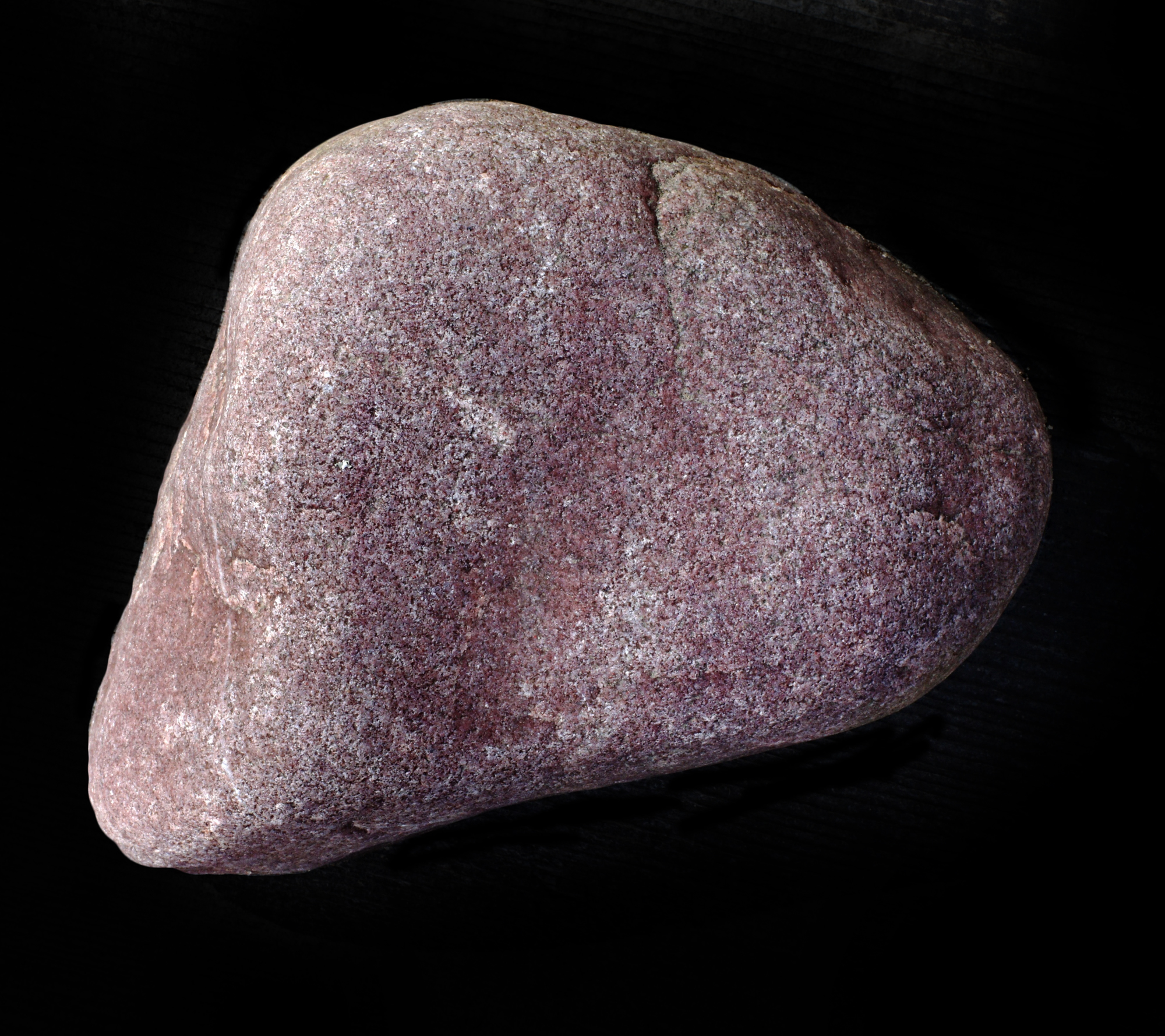
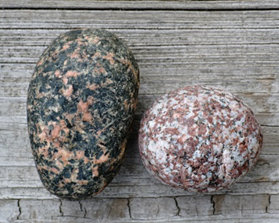
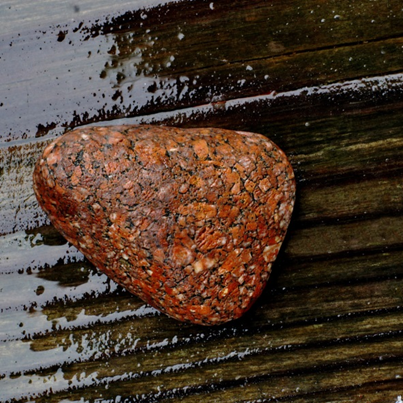
Special Granite – Above, are two samples demonstrating the variances in granite’s colors depending on mineral content. Can you guess their mineral content based on their color?

Although granite underlies much of the Earth’s surface, it doesn’t often rise up to where we can find it. The Canadian Shield is an enormous granite formation covering most of the country. It is the nearest place to Michigan where granite is found above the crust. So how did it find its way to Michigan’s shores? If you guest the glaciers from past ice ages, you would be right. The granite stones were scraped and carried south from Canada.

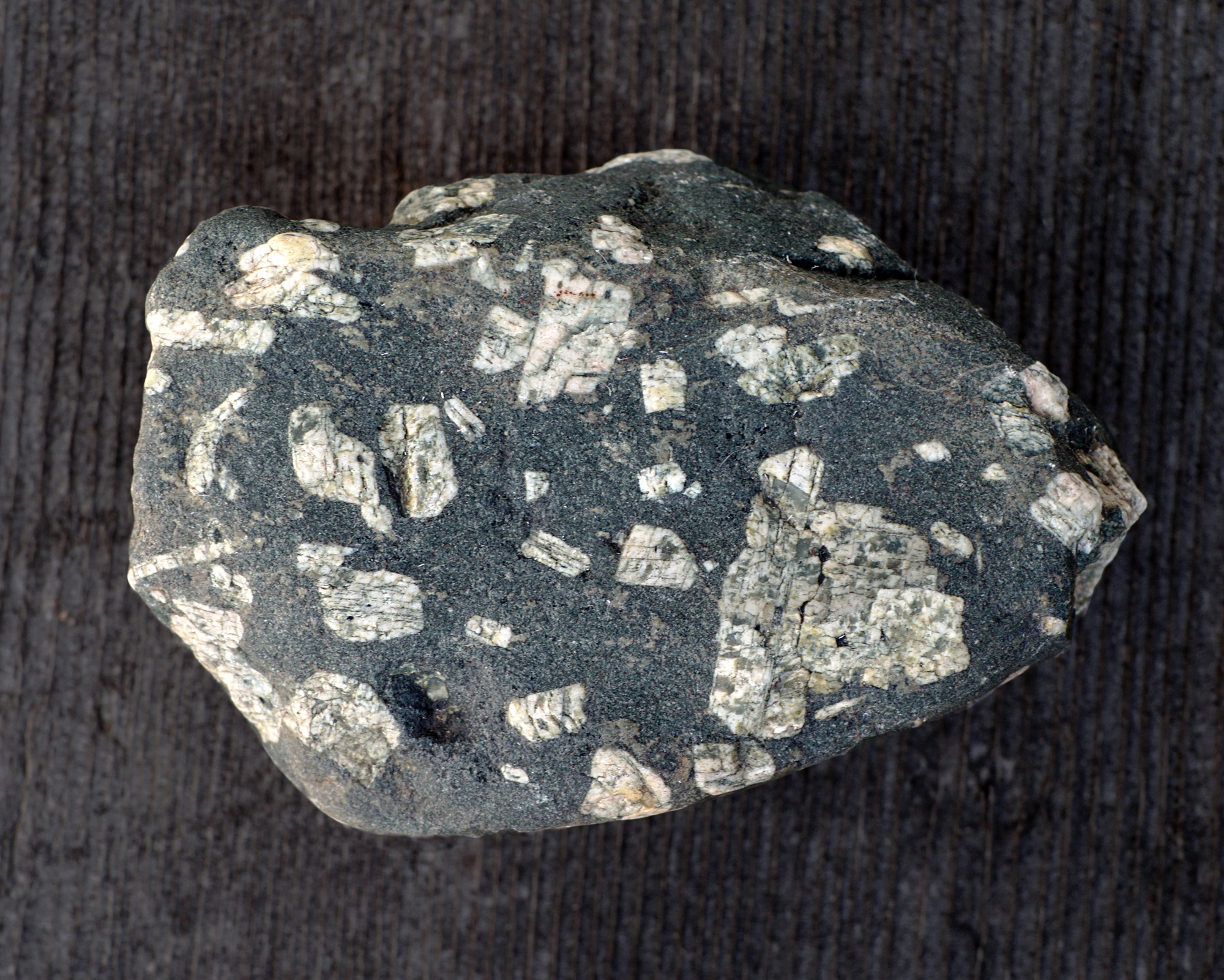
Porphyritic Granite

Porphyritic Granite

Porphyry or porphyritic rock is made up of a finer-grained rock mass containing larger crystals, in the case of granite, feldspar crystals. Porphyry rock is typically made up of a basalt base but sometimes it can be made up of a granite base with larger, jagged, rectangular crystals within. The larger crystals in the sample shown above have been smoothed by the wave and sand action of the shoreline. Porphyritic crystals are generally white, pink, or orange.

Granite is more difficult to identify as porphyritc form because of its already-coarse grain, but look for stubby, square, or hexagonal crystals that are larger than the other grains within the granite rock. You can clearly see this in the samples I have provided above found on a Lake Michigan beach. Here’s how it happens: As the feldspar minerals in granite begins to crystallize, the process is disturbed when the molten rock is quickly erupted, freezing the well-formed feldspar crystals in place while the rest of the rock quickly cools and fills in around the crystals.

Diorite

Diorite

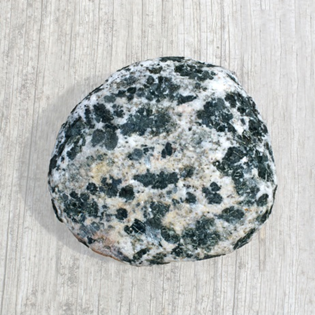
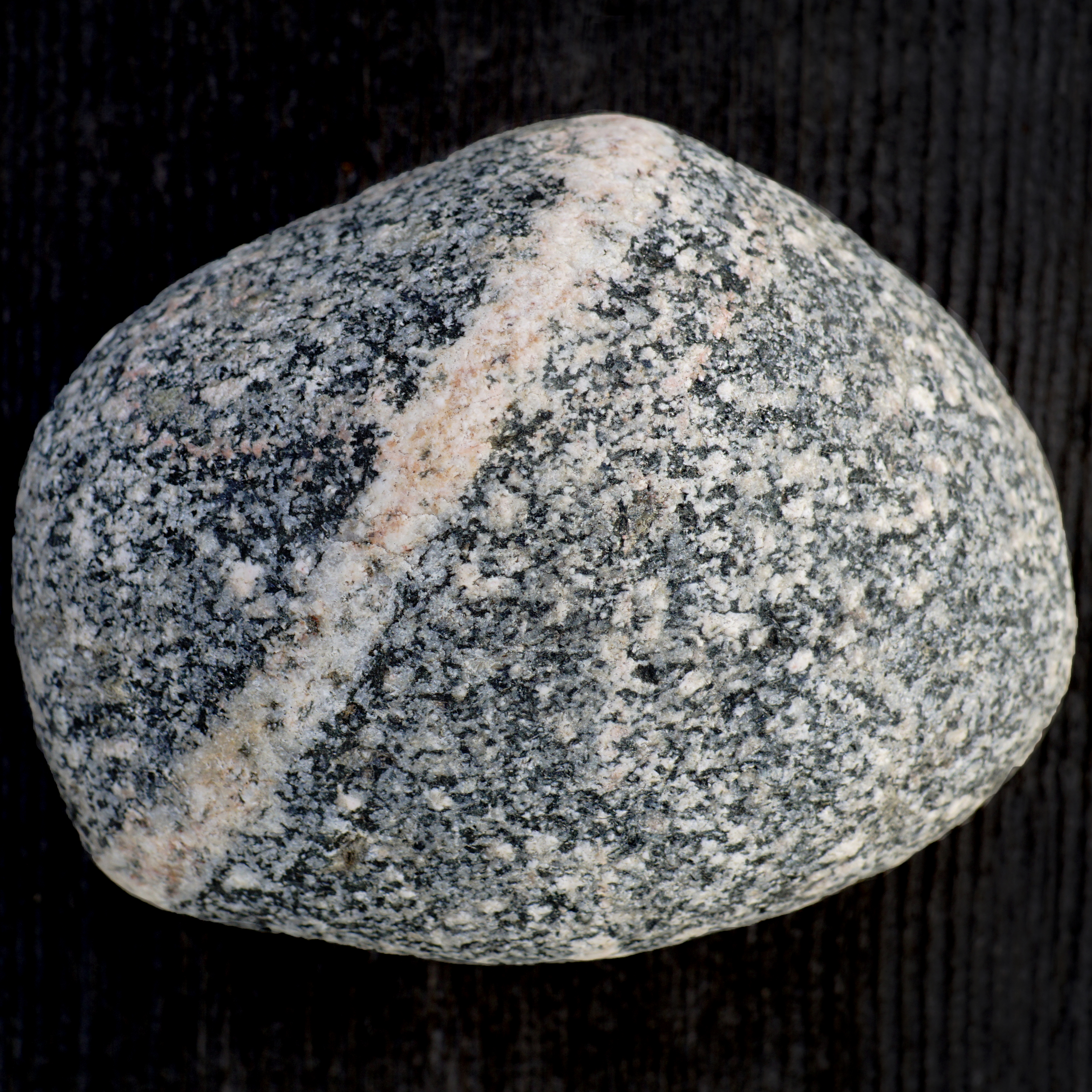
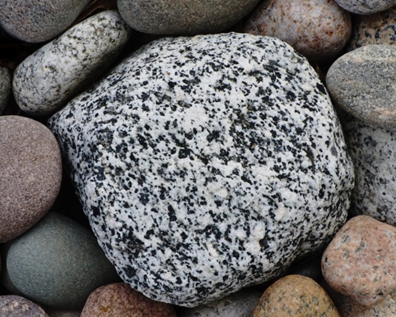
Diorite is another of several types of coarse-grained igneous stones that can easily be confused with granite. Diorite’s chemical composition is intermediate between gabbro (described above) and granite.

How to tell the difference between diorite, granite, and gabbro? The best way to tell diorite from granite is by the salt-and-pepper appearance of diorite which differs from granite’s combination of various colors. To tell diorite from gabbro, look for gabbro’s darker color. If you have in your hand a granite-looking rock with obvious pink feldspar and more than 20% quartz, you probably have granite, not diorite or gabbro. Also, diorite is composed with an almost-equal mixture of light-colored minerals, such as sodium-rich plagioclase (a certain type of feldspar mineral), to dark-colored minerals such as amphibole, hornblende, or biotite mica.

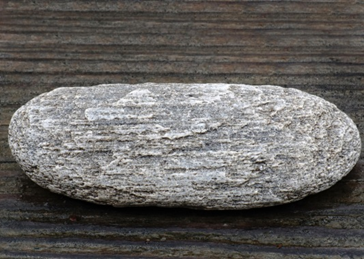
Gneiss

Gneiss

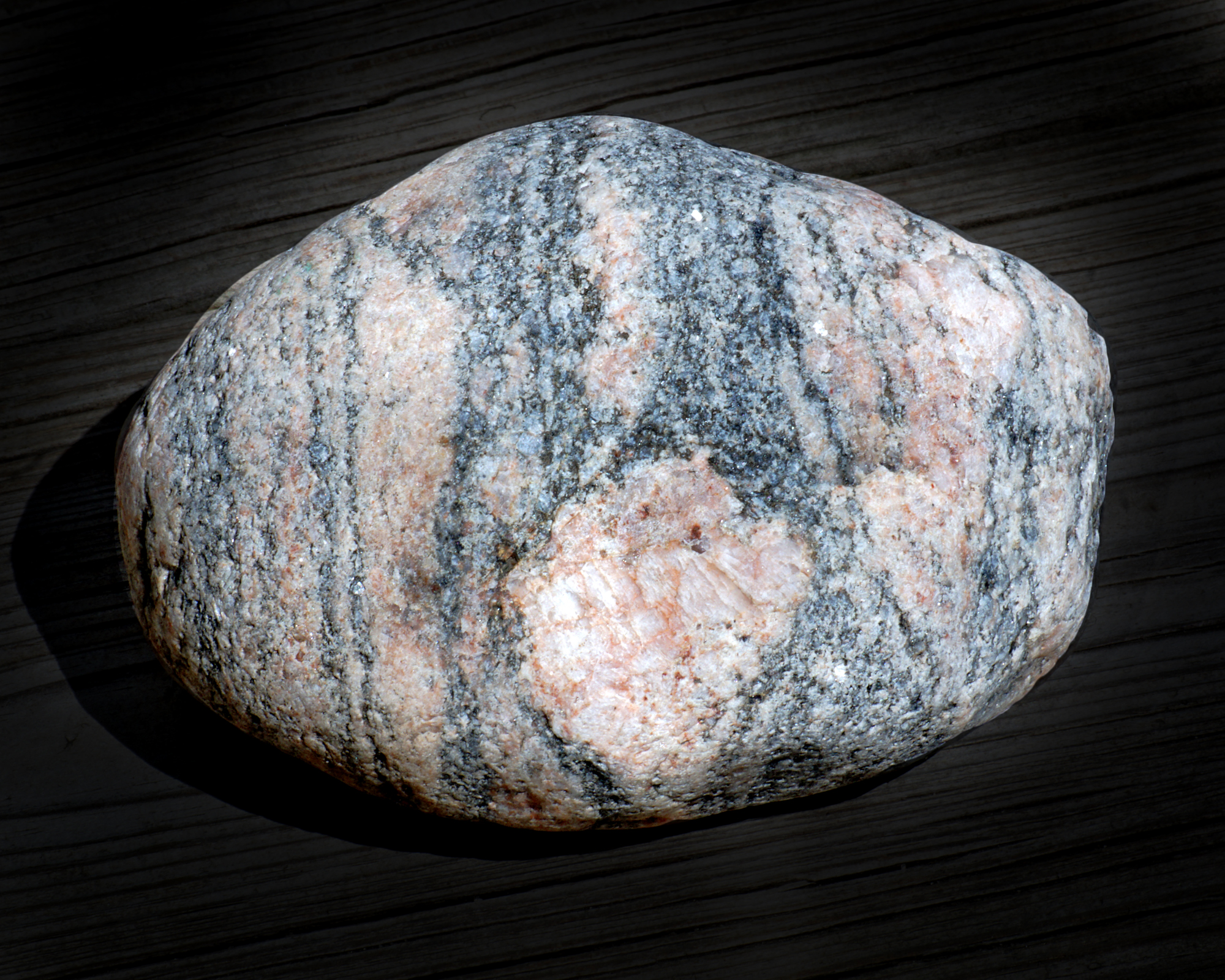
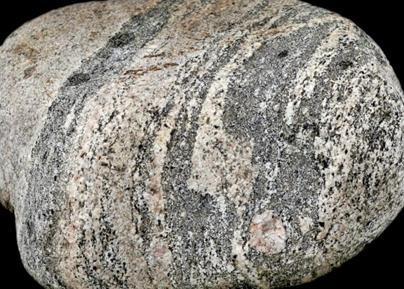
Did you ever wonder how some rocks have bands or stripes? They are some of the most attractive stones, like gneiss for instance, which I only occasionally find on the beach.

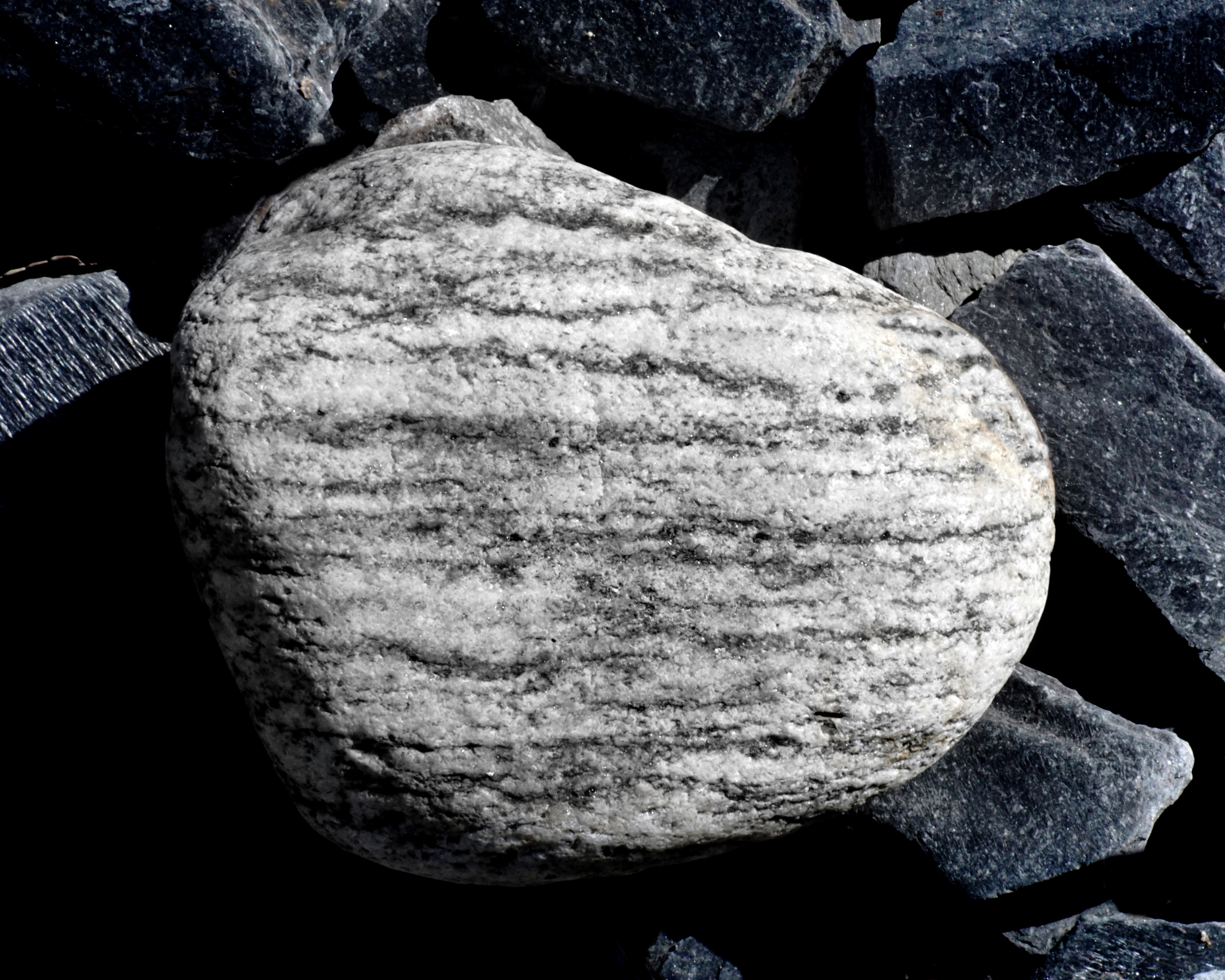
Gneiss (pronounced “nice”) usually forms at convergent plate boundaries. It is a high-grade metamorphic rock formed under intense heat and pressure. The original mineral grains recrystallize, enlarge, flatten, and reorganize into parallel bands which make the rock and its minerals more stable. While the chemical composition of the rock may not have changed, its physical structure will look completely different from the original parent rock.

The bands in gneiss are often broken, can be foliated (folded), and can show different widths. Individual bands are usually 1-10 mm in thickness. Layers larger than that imply that partial melting or the introduction of new material probably took place. Such rocks are called “migmatites.” Hence, my boulder sample above would be termed “migmatized gneiss.” It is not well understood how the segregation takes place.

Gneiss

The granular light-colored minerals in gneiss are calcium, sodium, and potassium-rich minerals such as quartz, and also various types of feldspar. The dark-colored layers consist of iron-magnesium-rich minerals including biotite, chlorite, garnet, graphite, or hornblende. The texture is medium to coarse—coarser-grained than schist but, as with the other rock types, the gneiss we find on our beaches has been ground down until it’s somewhat smoother.

What is the difference between gneiss and granite?

  • Granite is an igneous rock, whereas gneiss is formed after metamorphosis of granite.
  • Most—but not all—gneiss is obtained from granite. There is also diorite gneiss, biotite gneiss, garnet gneiss, and others.
  • The mineral composition of granite and gneiss are the same. However, the transformation of granite due to high pressure and temperature leads to the formation of gneiss.
Schist

Schist

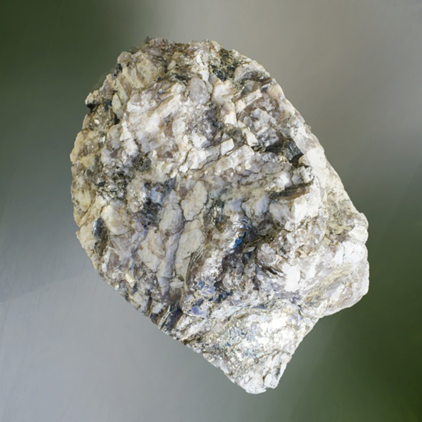
Schist is a medium-grade metamorphic rock formed by the metamorphosis of mudstone and shale or some type of igneous rock such as slate. As a result of high temperatures and pressures, the coarser mica minerals (biotite, chlorite, muscovite) form larger crystals. These larger crystals reflect light so that schist often has a luster (the photograph doesn’t exhibit the luster, but it’s there). Due to its extreme formation conditions, schist often reveals complex folding patterns with a tendency to exhibit split sheets or plates of mica arranged roughly parallel to each other There are many varieties of schist, and they are named for the dominant mineral comprising the rock, e.g., mica schist, green schist (green because of high chlorite content), garnet schist, and so on. I find these only occasionally on shoreline.

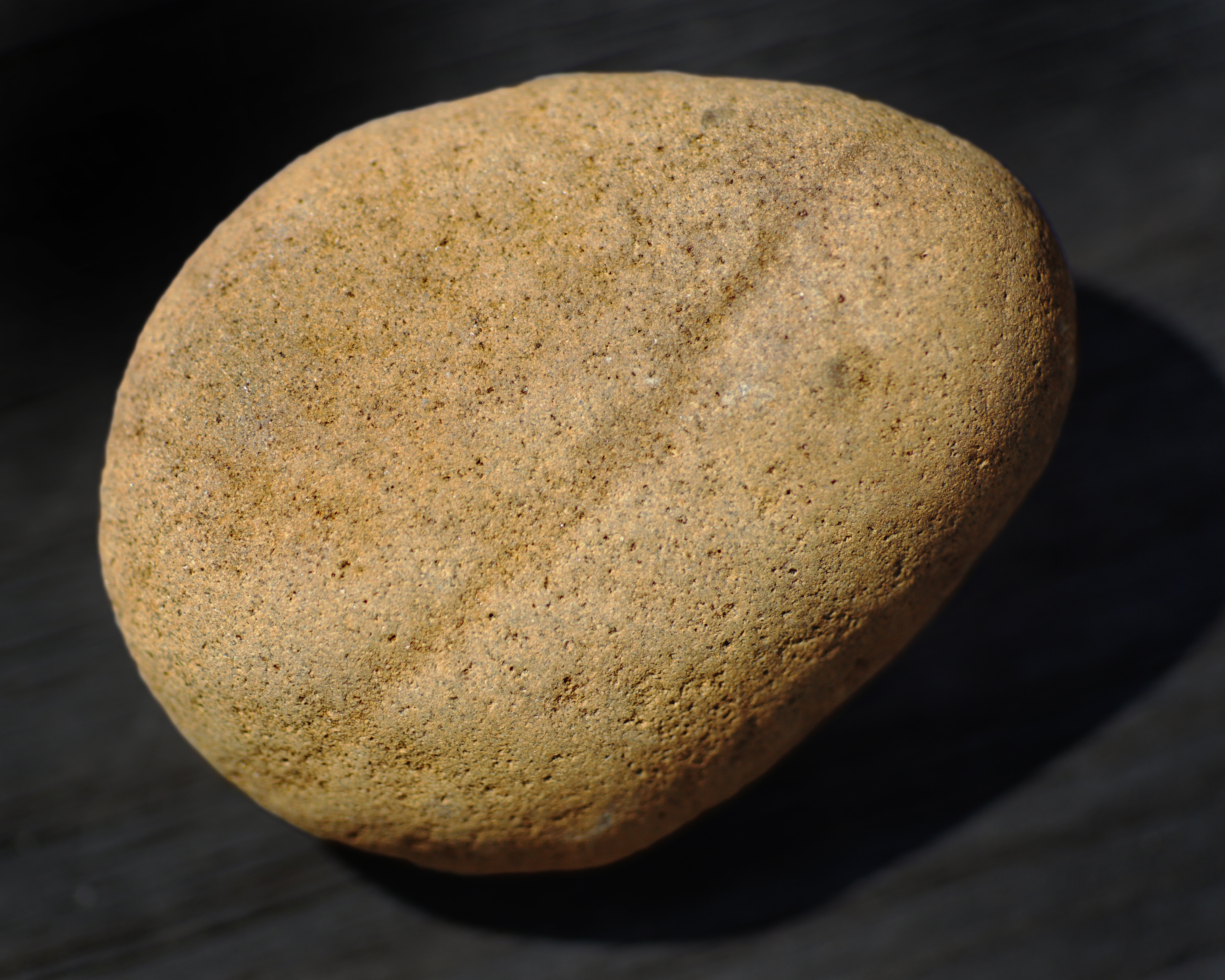
Sand Stone Boulder

Sandstone

Sandstone is a sedimentary rock that forms when small quartz sand grains cement together under high pressure while silica, calcium carbonate (calcite), or quartz precipitates and acts like a glue around the grains. These minerals are deposited in the spaces between the grains of sand by water. Over the course of thousands, even millions of years, the minerals fill up all of the spaces. At a close look, you can see the tiny particles in the rock almost as if you were holding sand in your hand. When you’re at the beach, try examining the sand very closely to discern the tiny quartz crystals and different colors of other minerals contained in it, including feldspars, micas, calcite, and clays.

Sandstones

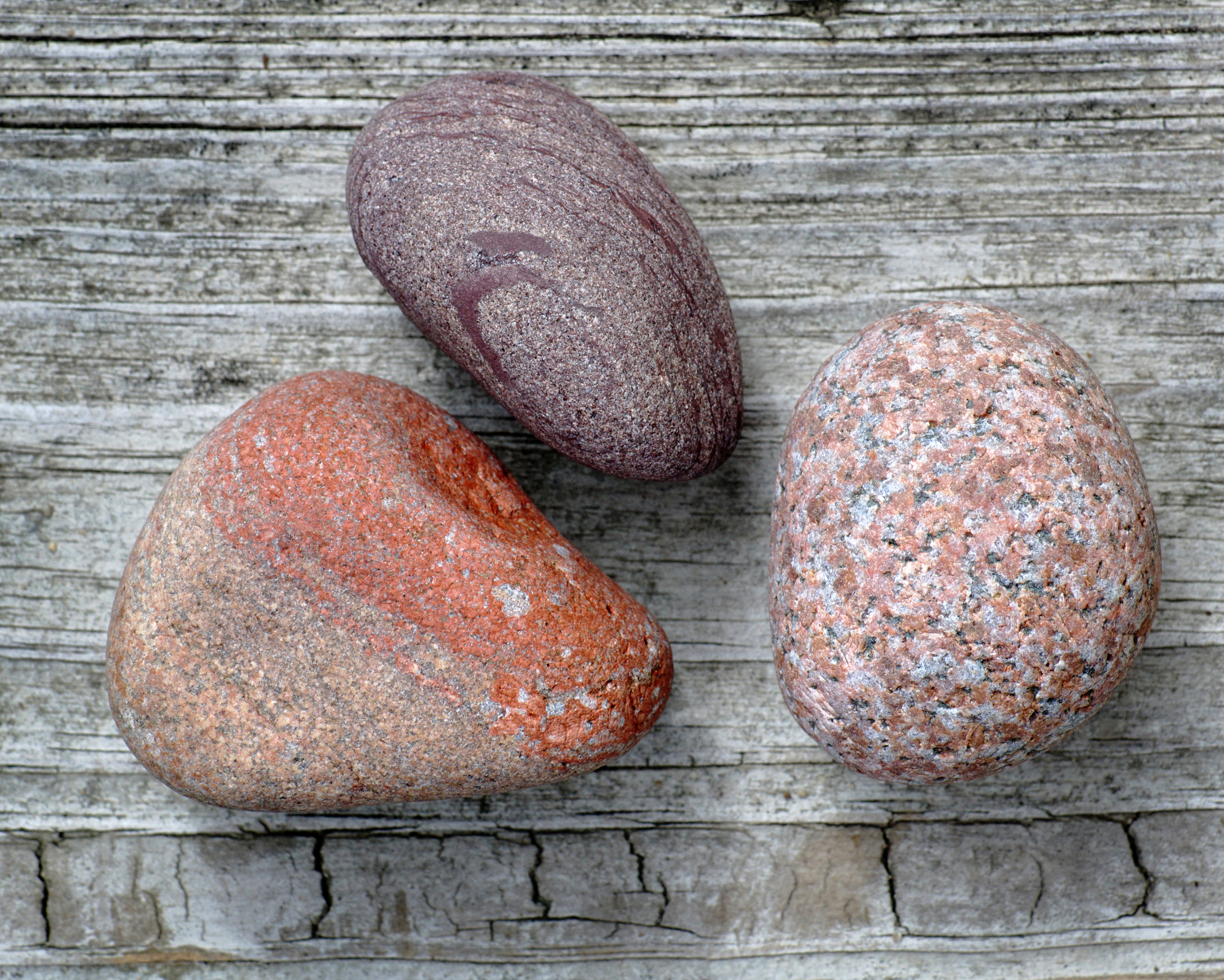
Depending on the minerals, sandstone can be white, yellow, pink, and almost any color, depending on the impurities within the minerals. For example, red sandstone results from iron oxide in the rock and often causes bands of color. Sandstone rocks form in rivers, deserts, oceans, or lakes. It feels gritty to the touch.

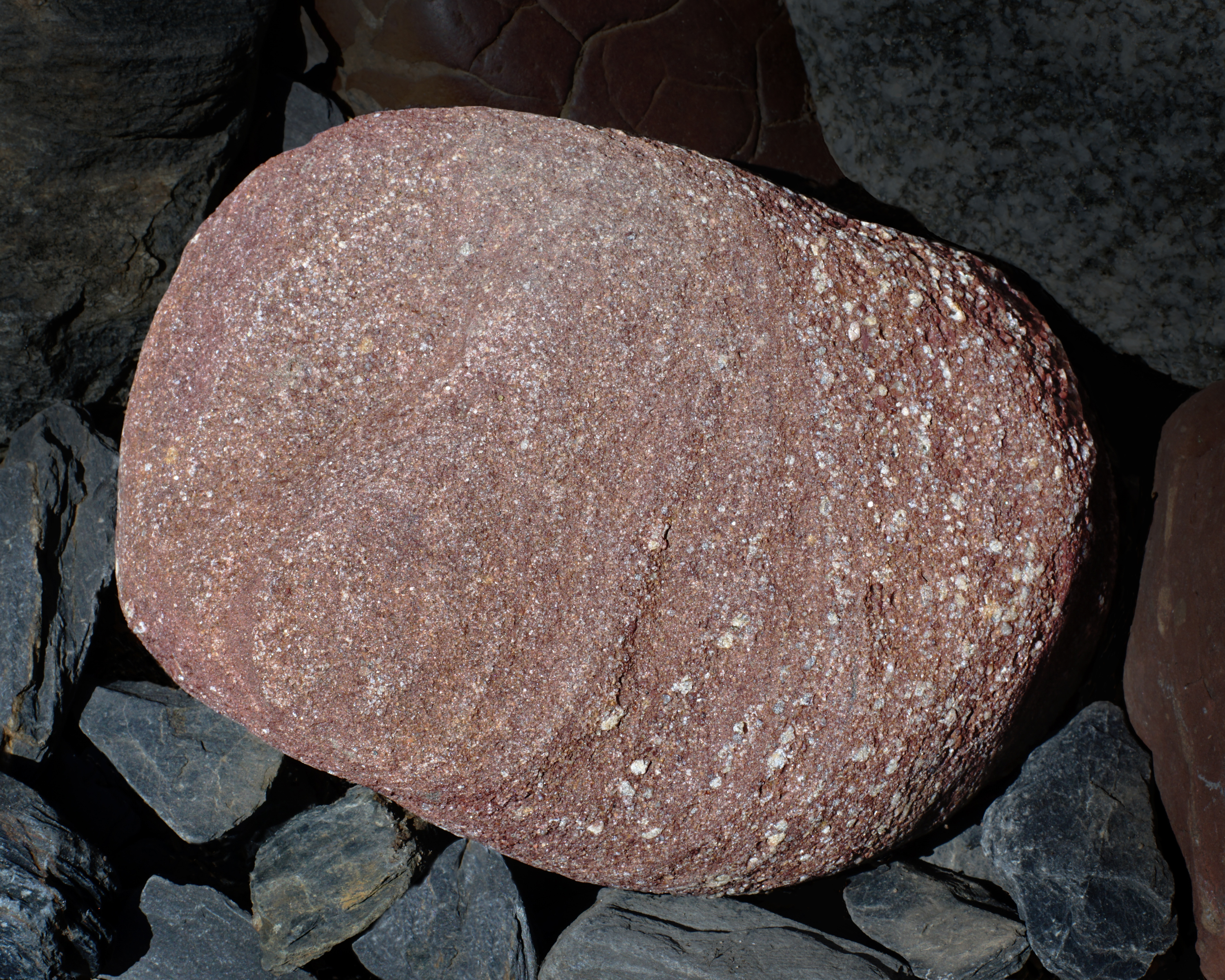
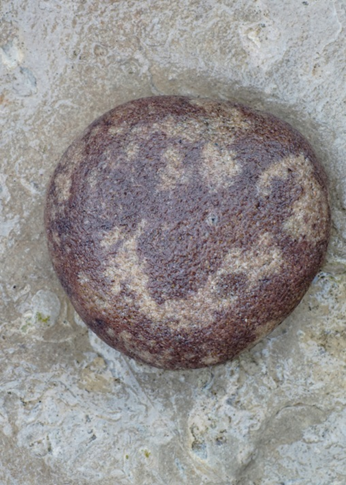
Jacobsville Redstone Sandstone

Jacobsville Redstone Sandstone

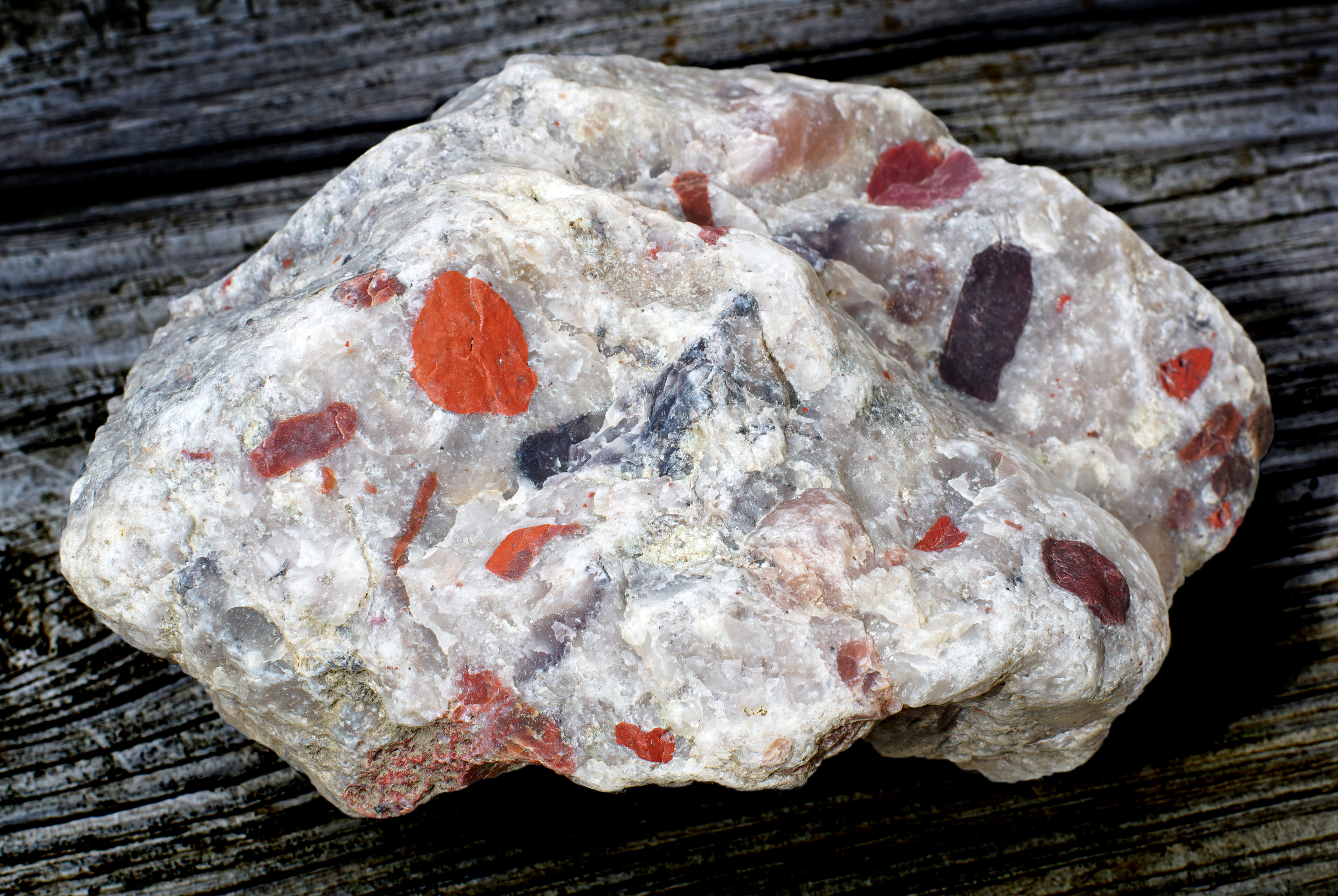
Jacobsville Sandstone, or Redstone, is generally red due to the presence of highly oxidized iron cement which binds together the grains of quartz. The stone is typically mottled with various pinks, whites, and browns, exhibiting either many streaks or spherical spots caused by leaching and bleaching. It forms a wide belt throughout Northern and Upper Michigan and was quarried rather extensively at one time for use as building material which built the cities of Northern Michigan and elsewhere in the Great Lakes region. As with many stones that formed northward in Michigan, the big lake brings them southward to where I find them in lesser amounts. Estimates for the age of the Jacobsville Formation Range is in the late Mesoproterozoic Era about 1.05 billion years ago until the Middle Cambrian Period.

Siltstone

Siltstone

After some stubborn digging around, I finally believe I understand the difference between sandstone, siltstone, mudstone, claystone, and shale. They all fall under “clastic” sedimentary rocks formed by weathering breakdown of rocks into pebbles, then into sand, then silt, then mud, then clay and last into shale, all from exposure to wind, ice and water. At each step the particles become smaller with shale having the finest grain. All the clastic sedimentary rocks are cemented very much the same way in which sandstone is pressed together described above. Silica, calcite, and iron oxides are the most common cementing minerals for siltstone. These minerals are deposited in the spaces between the silt grains by water. Over the course of thousands or millions of years, the minerals fill up all of the spaces resulting in solid rock.

Siltstone

Silt accumulates in sedimentary basins throughout the world. It occurs where current, wave, or wind energy cause sand and mud to accumulate. Siltstone is very similar in appearance to sandstone, but with a much finer texture. It has a slight grit texture to it and is more difficult to distinguish the mineral particles than sandstone. When handling siltstone, a residue of the same color as the stone can rub off on you hand. Siltstone is usually gray, brown, or reddish brown. It can also be white, yellow, green, red, purple, orange, black, and other colors. The colors are a response to the composition of the grains, the composition of the cement, or stains from subsurface waters.

Left: Mudstone Right: Claystone

Mudstone or Claystone

I described above how mudstones and claystones are clastic sedimentary rocks formed similarly by way of sandstones and siltstones. But I will mention that we especially find the brown mudstones in abaundance on certain beaches in the southwestern regions of Michigan. They are the same type of stone that form the Septarian brown stones. The mudstones and claystones wipe off a residue when handling them due to their fine-grained texture. The last stone in the chain of the sedimentary clastic stones with the finest ground-down grains is shale, but we find very little of it, if at all on the beach. This is likely because shale easily breaks apart at parallel stratifications and due to the extreme ice, wind, and wave action of Lake Michigan, they get demolished.

Green Chalcedony
Green Chalcedony

Chalcedony and Agate

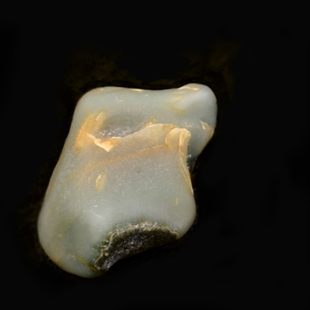
Without being totally certain, I believe these pretty little stones are one type or another of the gemstone chalcedony. They are penny-size and have a smooth, waxy texture. In order to spot these on the beach you need to look very closely along the shoreline where beach gravel is abundant, but I have found quite a few even though they are usually quite small. Michigan’s northern regions and upper peninsula are excellent places for finding chalcedony and other gemstones such as agates.

Top: Agate Bottom: Forms of Chalcedony

Chalcedony and Agate Explained

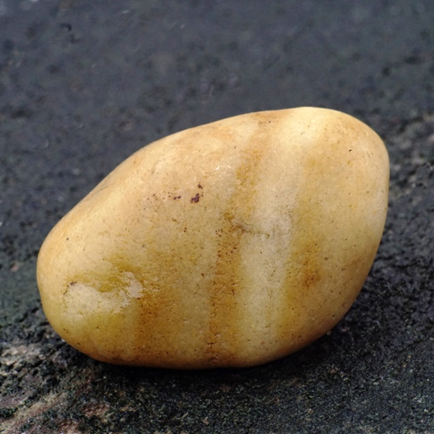
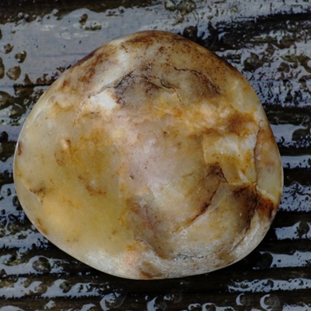
Rock and minerals can be very complicated but fascinating to study. For a bit of geochemistry about chalcedony and agates, it only makes sense to begin with the microchrystalline quartz, chalcedony. Chalcedony forms where water is rich in dissolved silica and flows through weathering rock. When the solution is highly concentrated, a silica gel can form in the walls of the rock cavities. The gel will slowly crystallize to form microcrystalline quartz (very small crystals of quartz), in other words, chalcedony. Agate and many other microcrystaline quartz are a type of chalcedony all considered gemstones.

Chalcedony can be banded, have plumes (fluffy inclusions), have branching patterns, or have delicately mottled surfaces of leafy green, honey brown, and creamy white. They might also have mossy and other colorful structural patterns within. Chalcedony is often blue but can be almost any color. It’s typically translucent but can be opaque with a milky appearance. It feels very waxy, greasy, or silky to the touch. Agate is generally translucent to semi-transparent and most often is banded. Observing bands in a specimen of chalcedony is a very good clue that you have an agate. However, some agates do not have obvious bands. These are more rare and may show branching-out, mossy inclusions. Typically, an agate is the size of a golf ball and feels heavier than it looks due to its density. It also has a waxy feel to it.

More forms of chalcedony that are possible to find on certain Great Lake beaches, particular Northern Michigan or Wisconsin along the beaches of Lake Superior.

  • Aventurine (most often green, speckled, shimmery – opaque)
  • Bloodstone (dark green with red speckles – semi-transparent to opaque)
  • Carnelian (red to amber, vibrant, mottled patterns to banded – translucent)
  • Chrysoprase (apple green, uniform, fewer patterns – translucent to semi-opaque)
  • Onyx (solid black or white-banded black – opaque)
  • Chert (most often grey, fewer patterns, solid – opaque) Native Americans used to make arrowheads.
  • Jasper (most often red with patterns, swirls, bands, or spots – opaque)
  • Sard and Sardonyx (reddish-brown banded – transparent to translucent)
  • Tiger’s Eye (gold, banded, glistening sheen – semi translucent to opaque)

Final Note: In early spring after the snowmelt, the movement of winter’s ice and snow tends to push and pile rocks further up onto the sandy shores; in some locations by the thousands. Later in the season, the wave action of the big lake washes many of the rocks back into the water and the steady summer winds bury some of them under the sand. Consequently, I find spring to be the best season for rock hunting. But I should mention that some beaches have very few stones, while other pockets are loaded with them.

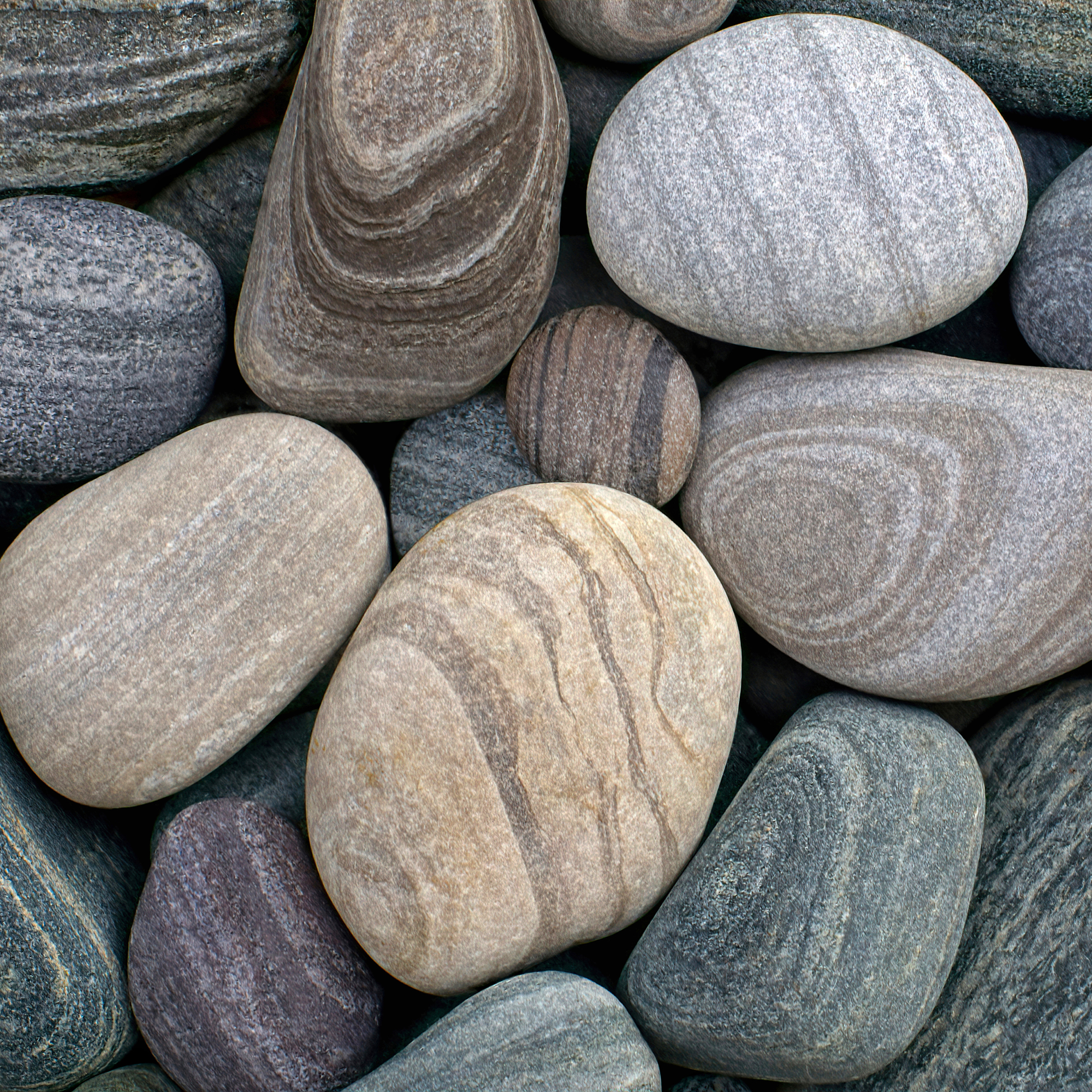
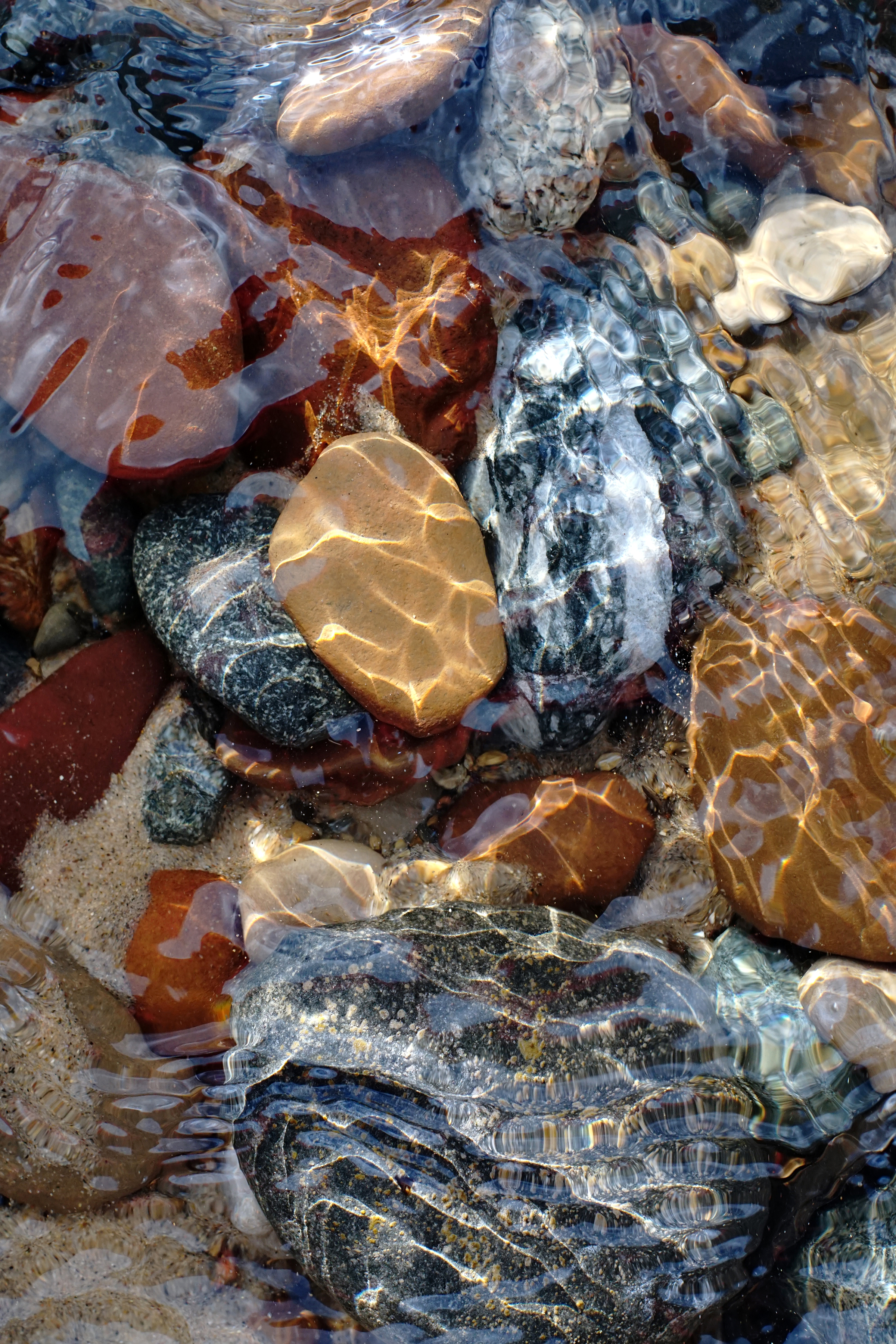
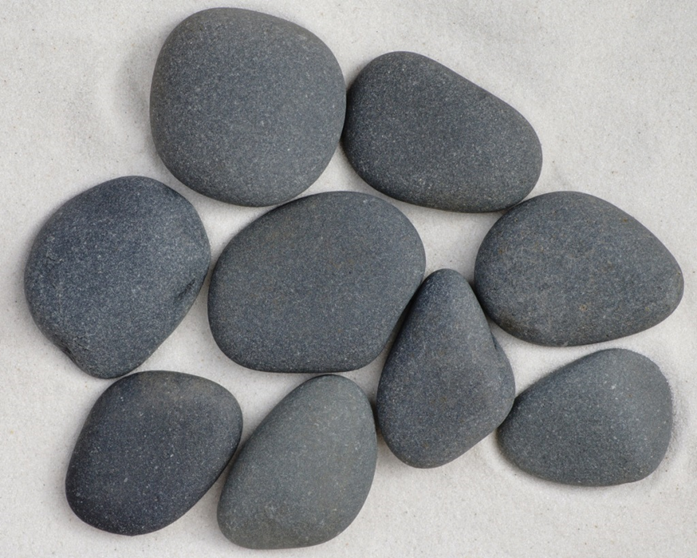
To end, I leave you with a lovely photo of beach stones settled on a creekbed where it flows into the shoreline of Lake Michigan!

All rights reserved © Fossillady 2026

Share this:

  • Share on Pinterest (Opens in new window) Pinterest
  • Share on Facebook (Opens in new window) Facebook
  • Email a link to a friend (Opens in new window) Email
  • Share on Reddit (Opens in new window) Reddit
  • Share on X (Opens in new window) X
  • More
  • Print (Opens in new window) Print
  • Share on LinkedIn (Opens in new window) LinkedIn
Like Loading...
Beach Stones and Rocks beach stonesgeologyLake Michigan stonesrock factsrock identificationrock photography

Cenozoic Porpoise Rib Fossils

June 2, 2022 by Fossillady
Porpoise Rib Fossils
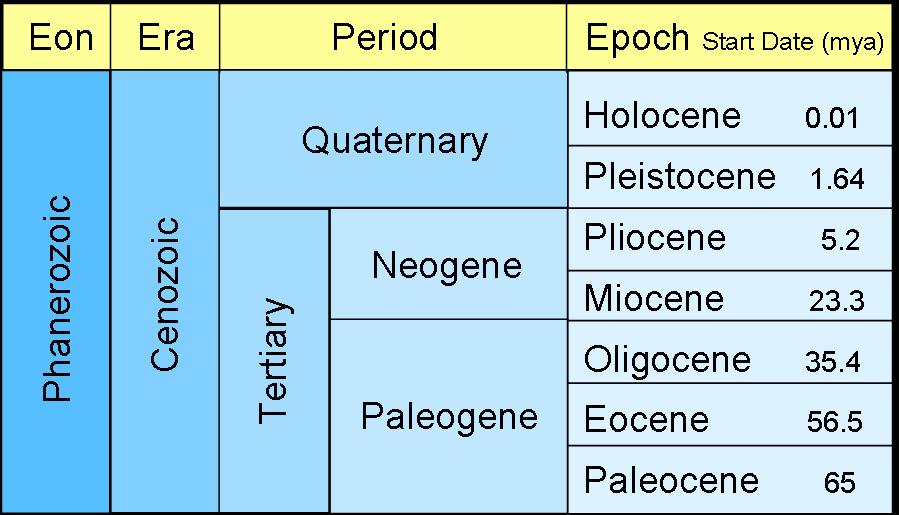
Cenozoic Timescale Source

Porpoise Fossil Location Discoveries

The Calvert Formation located within the Atlantic Coastal Plain region of Maryland, Virginia, and Delaware is best known for forming the fossil-rich Calvert Cliffs along the western shore of the Chesapeake Bay in Maryland. The lower Calvert Formation and the Calvert Cliffs of Maryland, middle-Miocene aged, are rich with porpoise fossils, including squalodonts (primitive shark-toothed porpoises). Modern-day type porpoise fossils, also, are consistently present there, indicating an environment of estuaries and rivers as ocean levels fluctuated along the coastal regions. Articulated (entire body) skeletons of porpoises are not uncommon throughout the Calvert Formation.

The Pungo River Formation in Beaufort County, North Carolina, also, has unearthed many porpoise fossils, including the river porpoises. Pertaining to my porpoise rib fossils, with the lack of enough related evidence, the above unearthing location or species are assumed without precision. Follow along for an overview of interesting porpoise evolution and facts.

Porpoise Evolution

Cetaceans (whales, dolphins, and porpoises) are an order of mammals that originated about 50 million years ago in the Eocene epoch. Even though all modern cetaceans are fully aquatic mammals, early cetaceans were amphibious, and their ancestors were terrestrial artiodactyls (an order of mammals that comprises the even-toed ungulates (hooved mammals). Hippos are thought to be the closest living relatives of cetaceans.

Cetacean species are divided into two groups:

(1) Baleen whales – these are the “great whales” and as their name suggests, they all have baleen plates that are used to filter food consisting of plankton and small species of fish.

(2) Toothed whales – are a suborder called odontocetes and include all species of dolphin and porpoise which eat larger prey, including at times, other marine mammals.

As a general rule of thumb, baleen whales are larger and slower than toothed whales. Additionally, all baleen whales have two blowholes, whereas toothed whales have only one.

Dolphin and Porpoise Comparison Sketch

Porpoise Vs Dolphin

Porpoises and dolphins have many similarities, for example, both are highly intelligent and use echolocation, but there are several differences, as a dolphin is not a porpoise and a porpoise is not a dolphin.

  • Porpoises are quite smaller than dolphins
  • Porpoises don’t have a pronounced beak that most dolphins possess
  • Porpoise teeth are spade-shaped whereas dolphin teeth are cone-shaped
  • Porpoises have a triangular dorsal fin and dolphins have a curved dorsal fin (except for those species that don’t have a dorsal fin)
  • Porpoise body form is slightly more chunky than the leaner, more slender dolphin body form
  • Porpoises are not vocal like the talkative dolphins
  • Porpoises are more closely related to narwhals and belugas
  • Porpoises belong to the Phocoenidae family. There are only six species of porpoises in the entire world. Oceanic dolphins, however, belong to the large Delphinidae family, which consists of at least 36 species worldwide! River dolphins belong to the Iniidae family with one living genus and four extinct genera

The Six Species of Extant Porpoises

  • Harbor porpoise, Phocoena phocoena, has a worldwide distribution including both eastern and western U.S. and Canada coasts within the temperate to arctic regions.
  • Dall’s porpoises, Phocoenoides dalliand, northwestern U.S. coast to China
  • Vaquita porpoise, Phocoena sinus, small range, Gulf of California in Mexico
  • Finless porpoise, Neophocaena phocaenoides, wide range of Indo-Pacific regions
  • Spectacled porpoise, Phocoena dioptrica, southern Atlantic to Indo-Pacific, sub-Antarctic regions
  • Burmeister’s porpoise, Phocoena spinipinnis, both coasts of South America, mid to southern regions

Scroll to Fossillady Categories “Fish Fossil” for information about four Cenozoic fish fossil species!

  1. Hypural Tuna Fishtail Bone Fossil
  2. Knightia Fish Fossil
  3. Dermal Denticle Ray-Fish Fossil
  4. Billfish Bill Fossil

All rights reserved © Fossillady 2026

Share this:

  • Share on Pinterest (Opens in new window) Pinterest
  • Share on Facebook (Opens in new window) Facebook
  • Email a link to a friend (Opens in new window) Email
  • Share on Reddit (Opens in new window) Reddit
  • Share on X (Opens in new window) X
  • More
  • Print (Opens in new window) Print
  • Share on LinkedIn (Opens in new window) LinkedIn
Like Loading...
Porpoise Fossils Aquatic FossilsCenozoic FossilsCenozoic TimescaleCetacean descriptionMiocene Fossilsporpoise endangeredporpoise evolutionporpoise rib fossilporpoise vs dolphinPungo River FormationUS Atlantic Coast Fossilswhale evolution 1 Comment

Hypural Bone Fishtail Fossil Information and Interesting Related Facts

May 14, 2022 by Fossillady
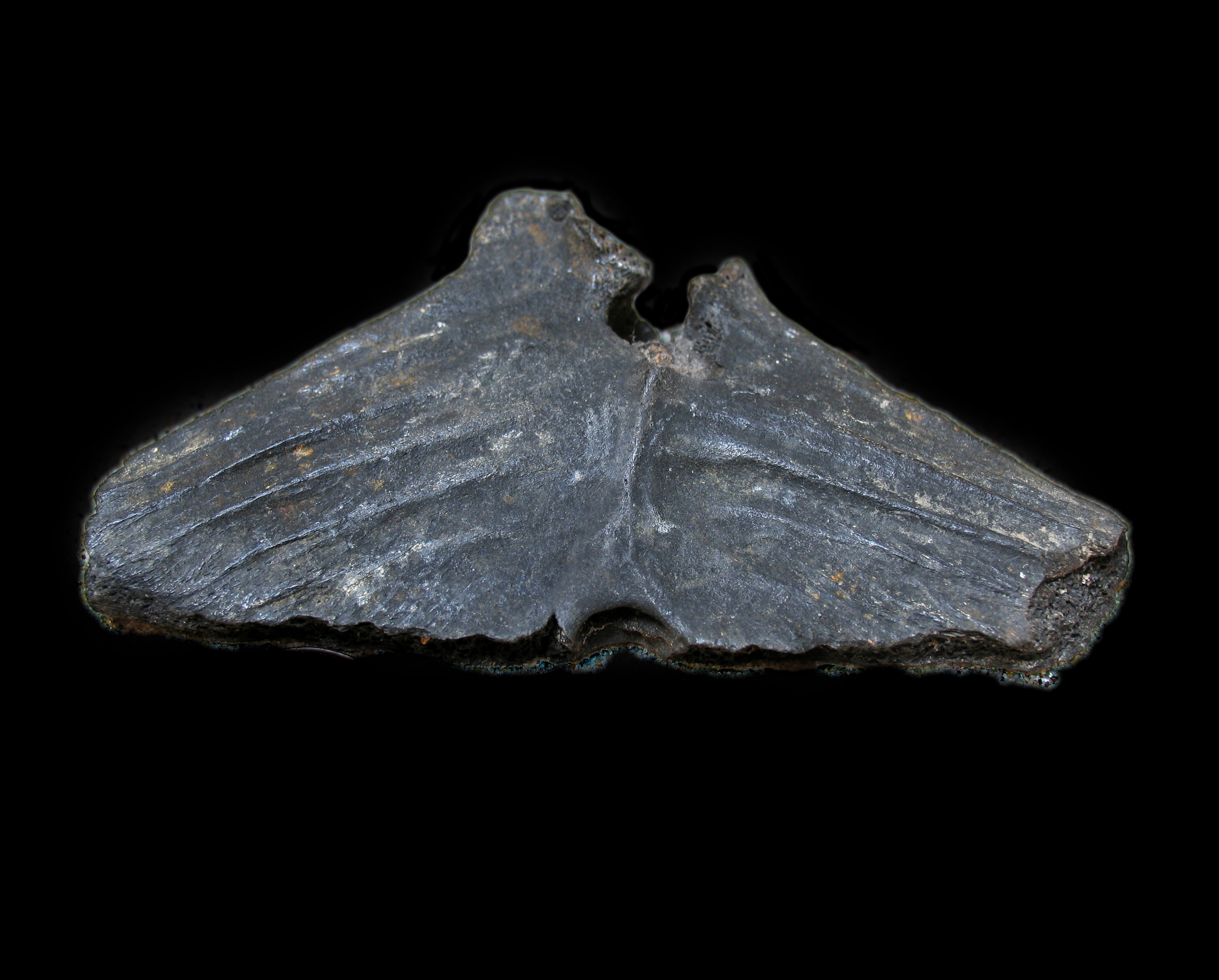
Hypural Fishtail Fossil Bone (4.5 inches (11.4 cm)
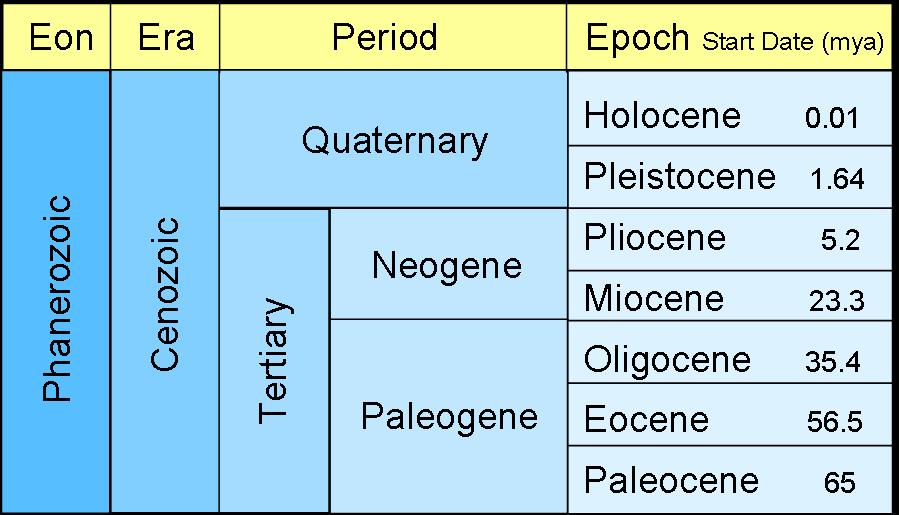
Cenozoic Time Scale

Hypural Bone Description, Body Location and Function

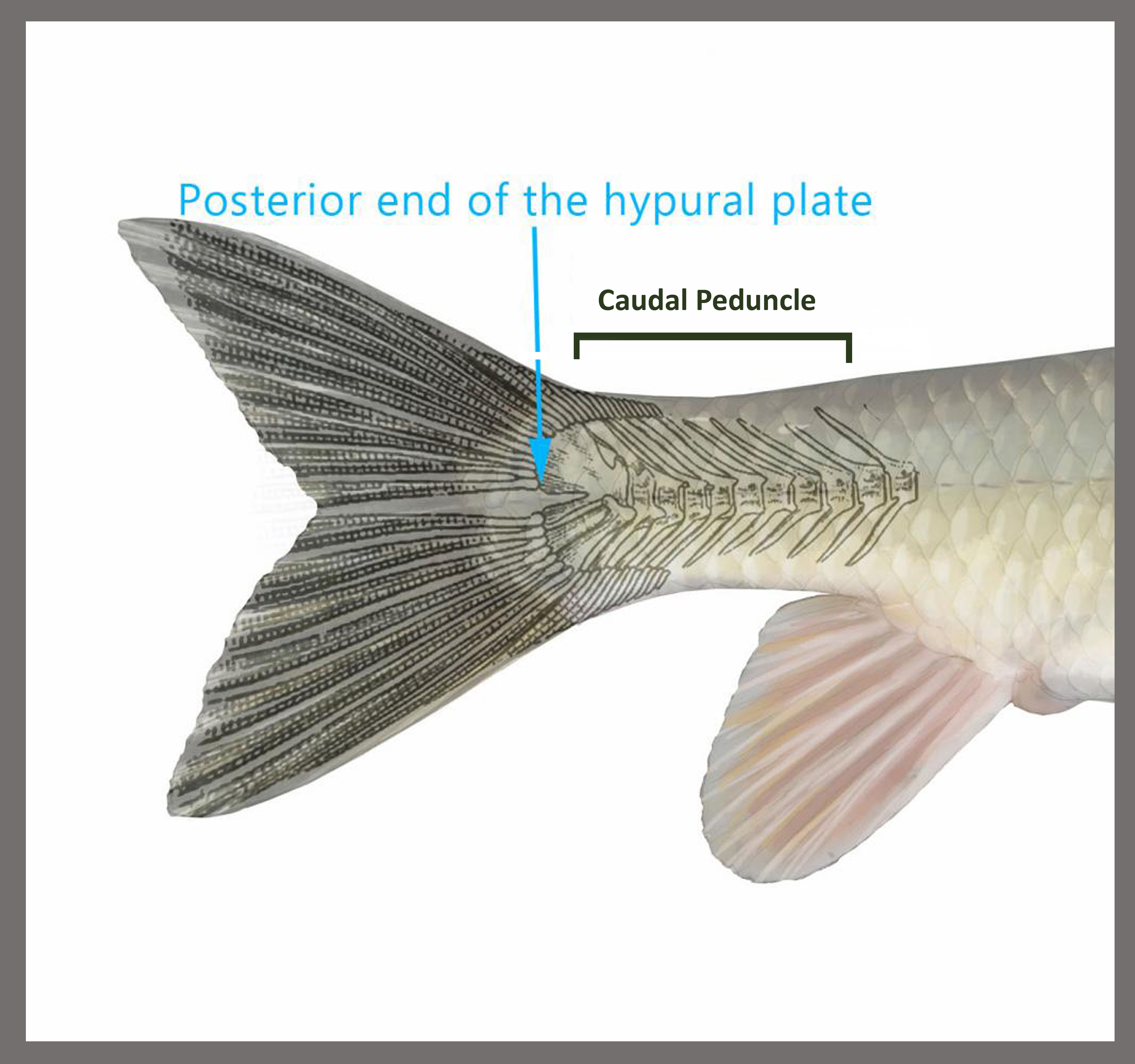
The hypural bone is a fan-shaped series of bones constituting an important part of the framework of ray-finned fish. The hypural bones are sometimes fused into one or two plate-like bones, such as with the case from my fossil collection, shown above. The hypural boney-plates join the last few vertebrae of the fish’s spine to the slender bony rays of the fish’s caudal fin. Caudal fin is a fancy scientific term for the tailfin. The caudal fin is attached to the end of the fish’s caudal peduncle by the hypural bone. The caudal peduncle is the narrow part of the fish’s body. The tailfin helps the fish steer, balance and propel. (See illustration below)

My hypural fossil was unburied in the Pungo River Formation, Aurora District, North Carolina, USA, dated from the early to middle Miocene Epoch around 23 to 14 million-years-ago. It is a large sample. I found a close match to the fossil of a tuna fish, Thynnus sp. posted by the Fossil Guy from the same location.

Tuna Facts

Tuna are a type of ray-finned bony fish belonging to the class or subclass of Actinopterygii. Ray-finned bony fish comprise over 50% of all living vertebrate species. The ray-finned fishes are so-called because their fins compromise webs of skin supported by slender bony spines (rays), as opposed to the fleshy, lobed fins that characterize the class Sarcopterygii (lobe-finned fish).

Tunas are teleost fish identified by their symmetrical forked tails with the upper and lower halves both exhibiting identical size.

Check out the list of a few common east Atlantic USA tuna species beginning with the largest and possible matches to the hypural fossil. You can check out the links from NOAA, National Oceanic and Atmospheric Administration, for information about their range, life cycle, population status, appearance etc.

  • Western Atlantic Bluefin reaching up to13 feet (4 meters) long, weighing 2000 lbs (900 kg)
  • Atlantic Big Eye reaching up to 8 feet (2.5 meters) long, weighing 400 lbs (181 kg) or more
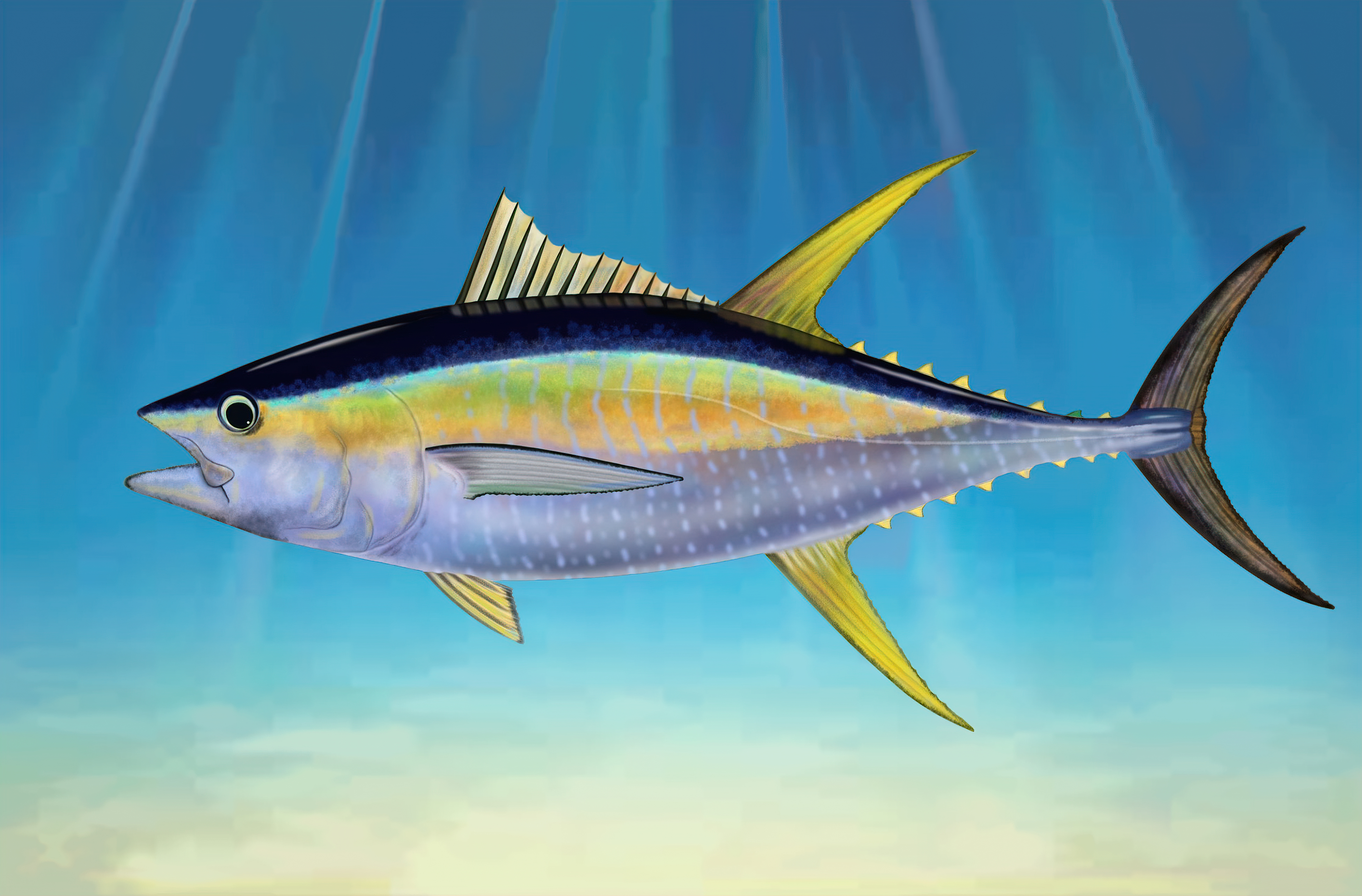
  • Atlantic Yellowfin reaching up to 7 feet (2 meters) long, weighing 300 lbs (181 kg) or more
  • North Atlantic Albacore reaching up to 4 feet (1.2 meters) long, weighing 88 lbs (40 kg) or more
  • Atlantic Skipjack reaching up to 3 feet (.9 meteres) long, weighing 40 lbs (18 kg) or more
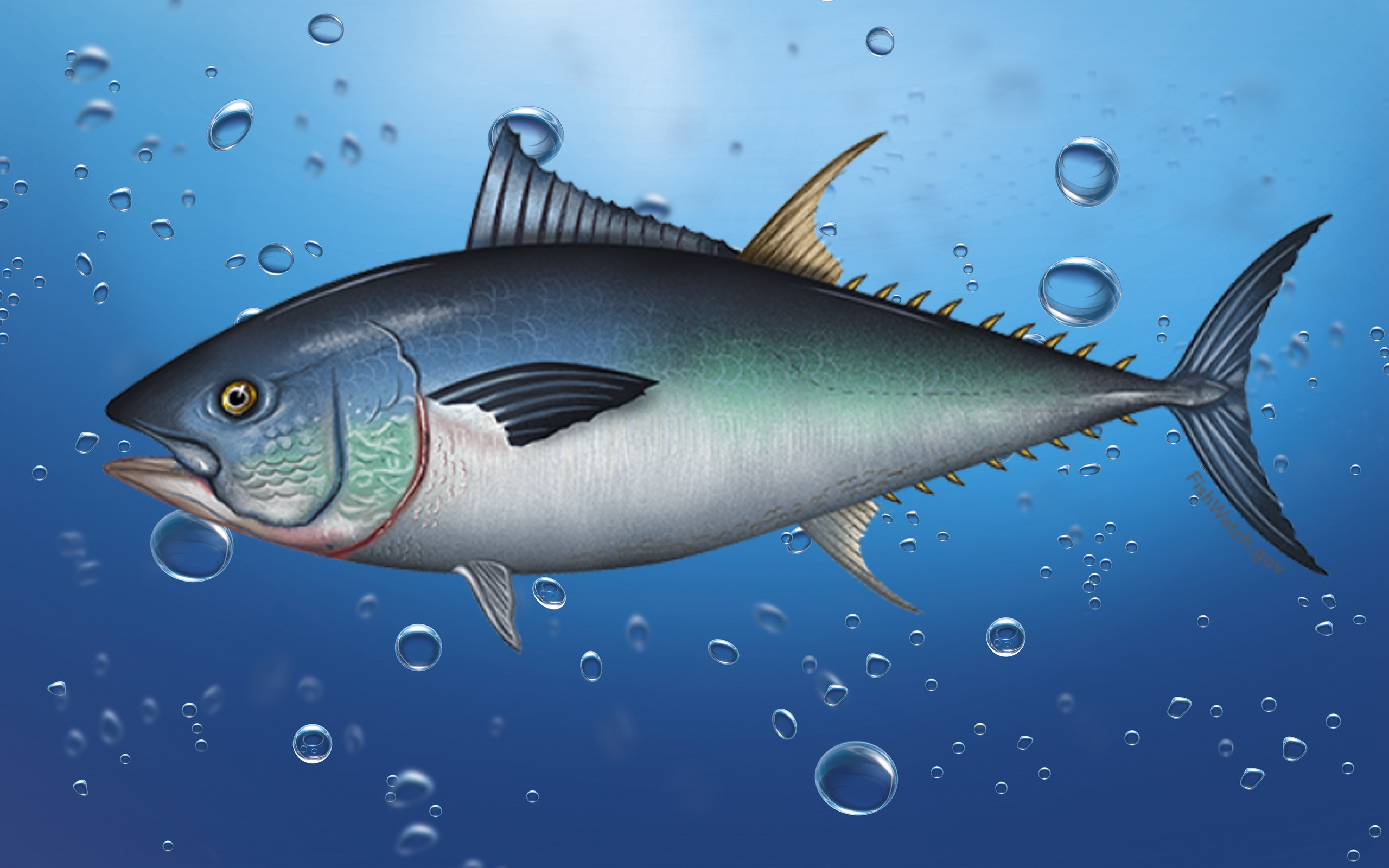
Atlantic Yellow Finned Tuna (Thunnus albacares)

Tuna Interesting Facts

In addition to the caudal fin, these high performance tuna fishes are equipped with finlets and keels. The finlets are small fins along the trunk that help the fish cut through the water. The keels can be described as a pair of lateral structures that rise slightly forward along the caudal peduncle which are a remarkable specialization in tunas, which, by the way, have also arisen in other fast-swimming marine animals.

  • Tuna are formidable predators with the ability to outmaneuver, outswim, and eat just about anything they can fit into their mouths!
  • Tuna can not only swim fast, but can reach remarkable distances as they migrate!
Western Atlantic Blue Fin Tuna (Thunnus thynnus)

Origins of the Bluefin Tuna and Evolution Development

The bluefin tuna originated from an exothermic ancestor. Exothermic means acquired heat source from the environment to stay warm. Earliest tuna fossils have been found in the Late Paleocene (65-55 mya) and Early Eocene (55-50 mya) epochs in the Tethys Sea deposits from the Middle East, southern Europe and the London clay formation. A close relative of the tuna, the earliest bonito fish, identified as Sarda palaeocenica were found in the region from the Early Paleocene. The extinct tuna-like fish, Paleothunnus parvidentatus, displayed characteristics common to both the tuna and the bonito, suggesting that the split of the tuna and bonito did not occur until the Early Eocene Epoch. Within 8-10 million years the two species diverged, forming the tuna genus Thunnus (Dickson and Graham).

Development of Endothermy in Tuna

As the oceans began to cool, warm waters began to compress into the tropics. In the Cenozoic Period, waters were the warmest at the end of Paleocene Epoch. The Tethys Seaway, a large tropical sea, began to shrink due to tectonic events and contributed to ocean cooling across the planet. Endothermy (body mechanisms other than shivering that generate heat internally) possibly evolved in tunas as a result of the need for migration and diving into colder waters for plentiful hunting grounds.

Because of the evolution of endothermy (internal heat sources) within the bluefin and other tuna, the fish are able to migrate across large distances. Dickson and Graham state that this has enabled the Atlantic Northern Bluefin Tuna to greatly expand its range and take advantage of the rich feeding areas in northern waters and warm spawning areas in the tropics, effectively expanding its thermal niche.

About Pungo River and Yorktown Formations

The Lee Creek Mine in Aurora, NC, is an open-pit phosphate mine operated by the Potash Corporation. The mine exposes two fossiliferous geological marine layers: the Pungo River Limestone (middle Miocene, Langhian age), and the Yorktown (lower Pliocene, Zanclean age) formations. The Pungo River Limestone and base of the Yorktown Formation are richly phosphatic and are commercially mined. These two units have yielded one of the most important assemblages of Neogene (between 23 and 2.6 mya) marine vertebrates in the world, including hundreds of species of sharks, rays, skates, bony fish, birds, sea turtles, estuarine crocodiles, seals, walruses, dolphins, and baleen whales. These fossils are found on-site as well as in reworked sediments in the spoils leftover from the mining. Unfortunately, the mine has been closed to the public since 2009.

Partial list of other Miocene bony fish fossils discovered in and around the U.S. Eastern Atlantic Coastline of South Carolina and North Carolina, as well as Maryland and Virginia.

  • Burrfish, Filefish, Tilefish, Pufferfish
  • Marlin, Sailfish, Boxfish, Sturgeon
  • Anglerfish, Bonita, Tuna, Bowfin
  • Catfish, Hake, Toadfish, Needlefish
  • Sea Robin, Bass, Bluefish, Barracuda
  • Boxfish, Goosefish, Toadfish, Pinfish

Share this:

  • Share on Pinterest (Opens in new window) Pinterest
  • Share on Facebook (Opens in new window) Facebook
  • Email a link to a friend (Opens in new window) Email
  • Share on Reddit (Opens in new window) Reddit
  • Share on X (Opens in new window) X
  • More
  • Print (Opens in new window) Print
  • Share on LinkedIn (Opens in new window) LinkedIn
Like Loading...
Fish Fossils bluefin tunabluefin tuna evolutionCenozoic Fossilsfishbone fossilhypural bone functionhypural fishtail fossilMesozoic fossilPaleocene fossilsPungo River Formationray finned fossiltuna fish factstuna fossilUSA Atlantic fossilsyellowfin tunaYorktown formation.

Softshell Turtle Fossils

May 3, 2022 by Fossillady

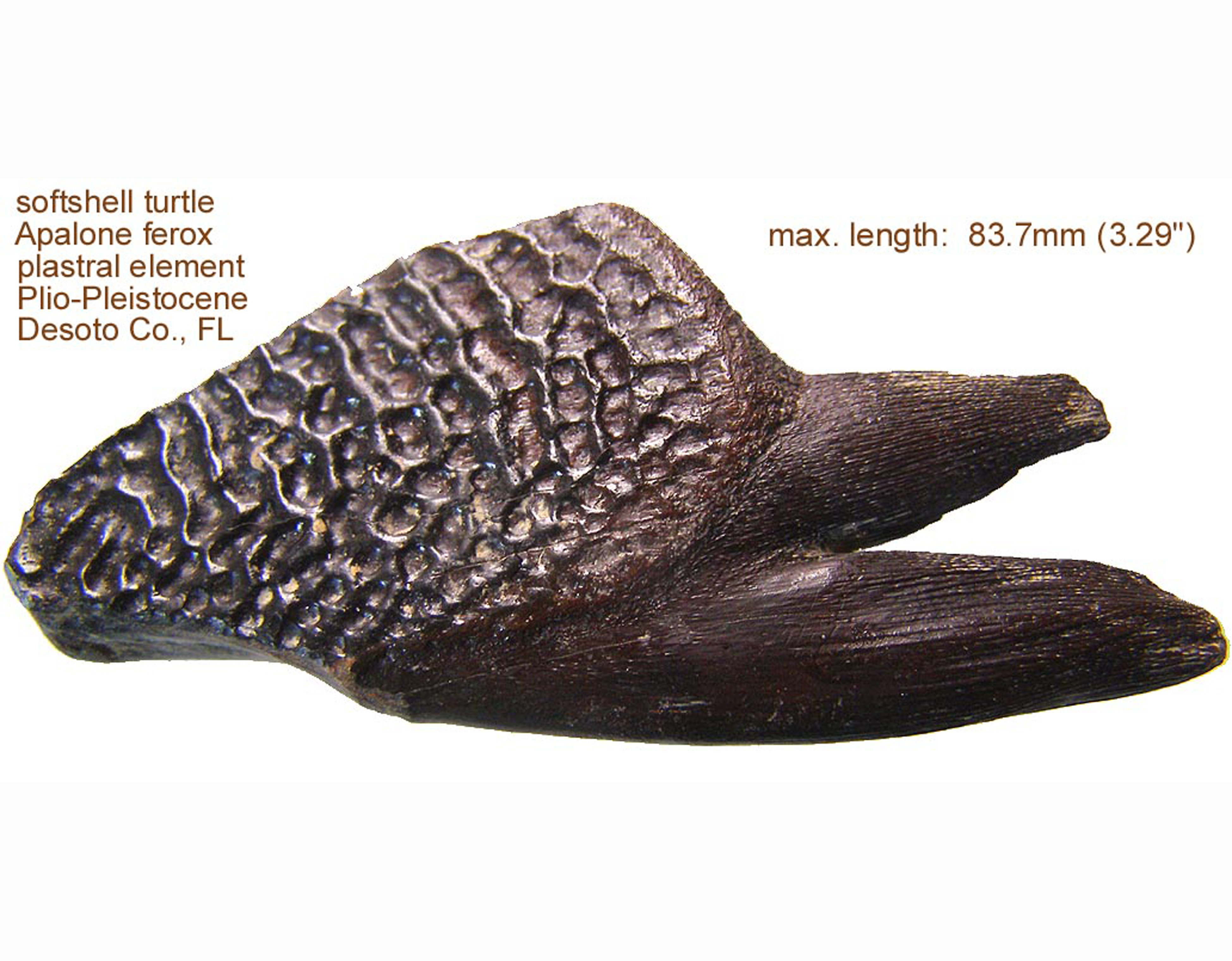
The two softshell turtle fossils from my collection (shown above) are broken-off pieces from the animal’s carapace (shell covering). The fossils were unearthed with other Miocene-Pliocene Epoch (23 – 2.6 mya) fossils from the Atlantic Coastal Plain fossiliferous formations of the U.S. East Coast. Below is an excellent softshell fossil specimen from Florida!

  • Brief Origin of Softshell Turtles – The earliest known turtles date to the Late Permian Epoch around 260 million-years-ago. Whereas living turtles are toothless, many ancestral forms possessed teeth. Many of the oldest and most primitive forms lacked a shell, however, they possessed precursors to the shell structures.
  • Researchers led by members at the University of Pennsylvania’s Department of Earth and Environmental Sciences describe one of the earliest known species of softshell turtle. The animal lived 66.5 million-years-ago in what is today North Dakota and was unearthed back in 1975. Hutchemys walkerorum, softshell turtle lived at the same time as some very large and well-known species of dinosaurs, including Tyrannosaurus rex and Triceratops. A phylogenetic analysis suggests that the roots of softshell turtles formed in Asia, from where the animals migrated into today’s North America sometime in the Late Cretaceous (105 mya).
Photo Courtesy of Harry Pristis The Fossil Forum

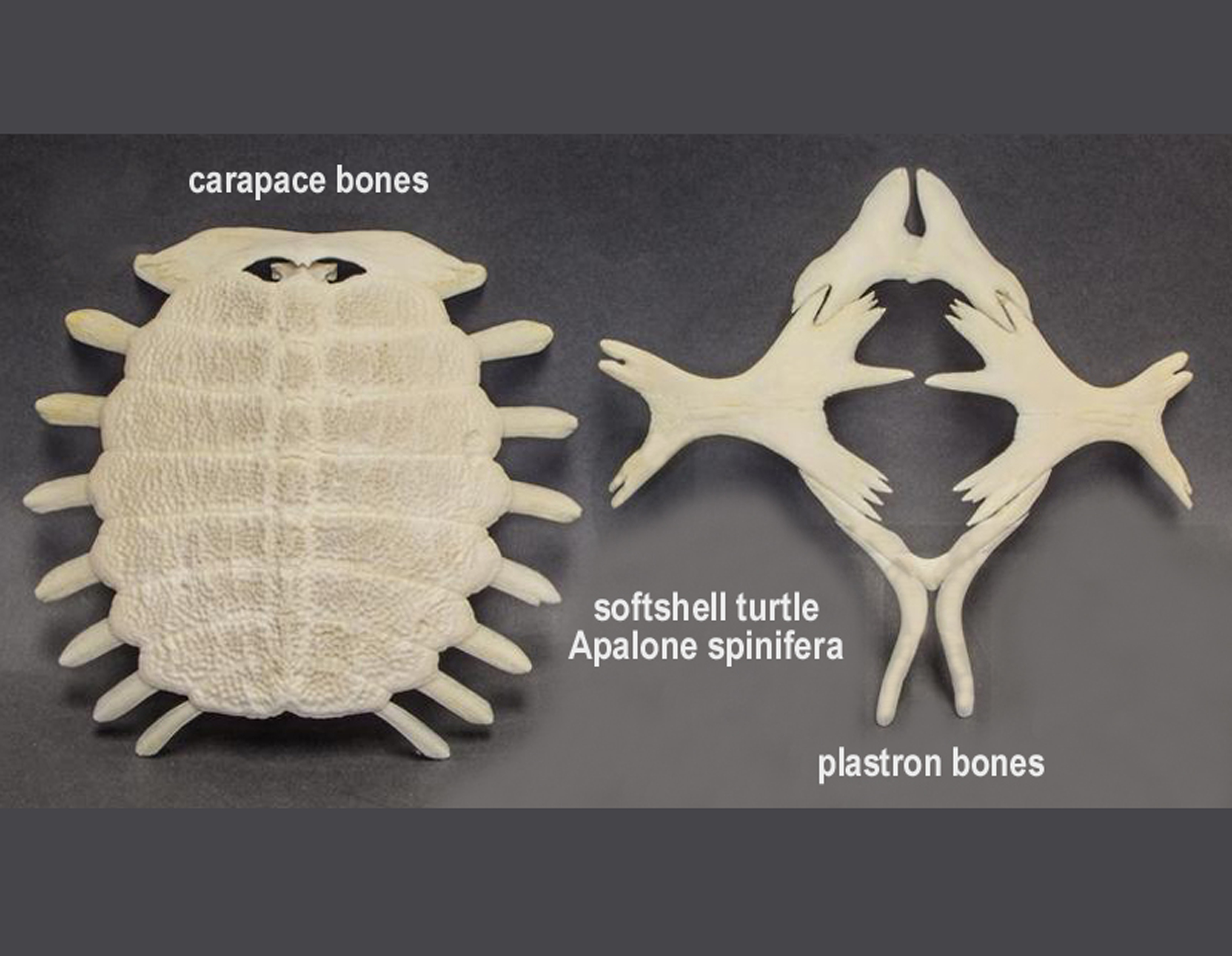
Turtle Shell Structures

Turtle shells have a top (carapace) and a bottom (plastron). The carapace and plastron are bony structures that usually join one another along each side of the body, creating a rigid skeletal box. While most turtles have hard shells composed of scutes or scales, softshell turtles have a cartilaginous carapace covered in leathery skin. The central part of the carapace in softshell turtles has a layer of solid bone beneath the leathery skin, but the bone is absent at the outer edges.

  • The light and flexible shells of the these turtles allow them to move more easily in open water or in muddy lake bottoms. Having a soft shell also allows them to move much faster on land than most turtles.

Softshell Turtle Description

Softshell turtles are especially recognizable by their flattened, leathery shells with flexible edges and lack of bony scutes (scales) as with hard shell turtles, and also, by a snorkel-like neck and protruding snout. Softshell turtle snouts possess a ridge around the margin of each nostril, which allows the turtle to remain beneath the water surface with just the snout exposed. Their feet are webbed with three claws giving to the family name, Trionychid, which literally means “three-clawed”. 

Male Spiny Softshell Turtle (Apalone spinifera) Rendering

Three Extant Softshell Turtle Species

The three softshell turtle species described below show a wide U.S. distribution within the Central to South Central regions, and Florida, except the Florida Smooth Softshell turtle is restricted to Florida and lower Georgia. Due to their fossil record age and location, these are matches to my fossils.

The Spiny Softshell turtle, Apalone spinifera, is distinguished with tubercles or “spines” along the front edge of the carapace (shell covering) above the neck. Largest of the three, the Spiny Softshell turtle adult female carapace measures from 7 to 20 inches (18 to 50 cm) in length and the turtle can weigh up to 25 pounds, while the male carapace is much smaller from 5 to 10 inches (13 to 25 cm) in length.

The two other species are called smooth softshell turtles, the Florida Smooth Softshell turtle, Apalone ferox (fossil sample above) and the Smooth Softshell turtle, Apalone mutica. Both turtle species are medium to large size. Females are bigger with shells measuring approximately 6.5 to 14 inches (16.5 to 35.6 cm) in length, whereas the male shells measure 4.5 to 10.5 inches (11.5 to 26.6 cm) in length.

  • The Smooth Softshell turtle, Apalone mutica, is the most aquatic of the softshell turtles and is often referred to as a “swimmer”.
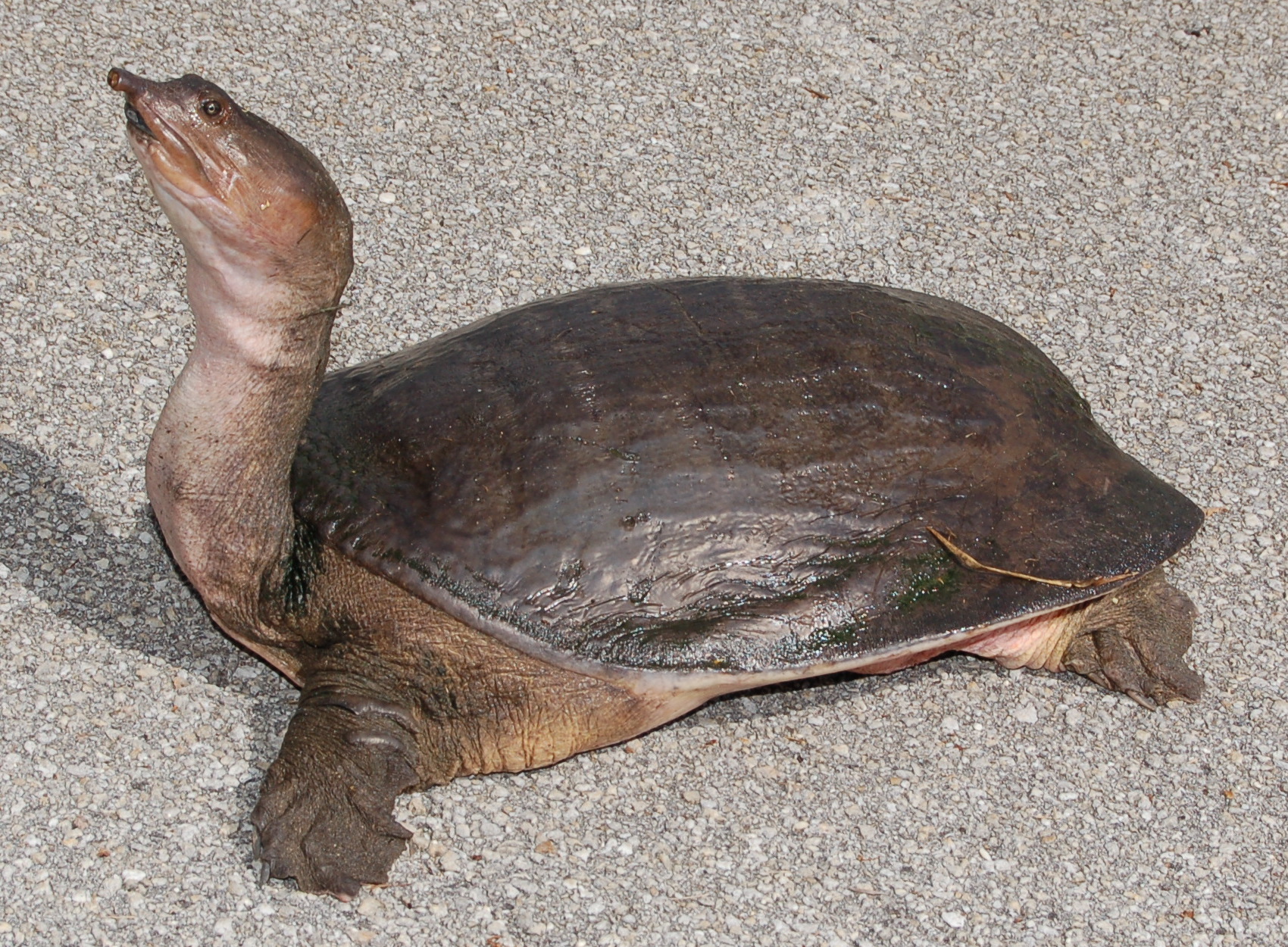
  • The Florida Smooth Softshell turtle, Apalone ferox, colors range from olive green to dark brown, it has the darkest coloration of the three softshell species.
Florida Softshell Turtle Apalone ferox Photo by Johnskate17 on Wikipedia

More Interesting Softshell Turtle Facts

  • Male and female softshell turtles carapace can differ slightly in color and patterns, but these features also often differ at various stages of development.
  • Softshell turtles spend most of their lives in the water. They lead a solitary life and are active during the day. They spend their days foraging or basking in the sun on river banks or logs, as they are cold-blooded creatures.
  • Softshell turtles hibernate in mud for about half of the year from October to March depending on their range.
  • You can find softshell turtles in or near various types of freshwater sources, from small rivers, lakes and swamps to tiny waterholes or bogs.

Trioncychids (softshell turtles) are strict carnivores feeding mainly on fish, amphibians, shrimp, snails, insects and even birds. Adults have few natural predators, just humans. Young softshell turtles are eaten by raccoons, herons, and large fish.

Extinct Giant Softshell turtle (Axestemys byssinus) fossil from the famous Green River Formation in Wyoming, USA spans 6 feet (1.8 m) long and is the largest specimen of its type discovered in this important locality. It was undoubtedly one of the apex predators of Fossil Lake. Age: Early Eocene – 52 million-years-old.

All rights reserved © Fossillady 2025

Share this:

  • Share on Pinterest (Opens in new window) Pinterest
  • Share on Facebook (Opens in new window) Facebook
  • Email a link to a friend (Opens in new window) Email
  • Share on Reddit (Opens in new window) Reddit
  • Share on X (Opens in new window) X
  • More
  • Print (Opens in new window) Print
  • Share on LinkedIn (Opens in new window) LinkedIn
Like Loading...
Turtle Fossils Miocene turtle fossilPliocene turtle fossilsmooth softshell turtlesoftshell turtle drawingsoftshell turtle factssoftshell turtle fossilsspiny softshell turtle

Fossil Fish Knightia

April 25, 2022 by Fossillady
Fish Fossil Knightia Skeleton (3.5 inches (9 cm) long)

This Knightia fish skeleton was preserved by sediments dating around 50 million-years-ago during the sub-tropical to temperate Eocene Epoch when a large inland lake located near Kemmer, Wyoming, part of the Green River Formation, dried up. It was discovered by splitting the sandy layers of shale to expose it, then trimming and preparing it. The final step was to darken the skeleton and put a preservative on it to keep the skeleton from flaking off.

Extinct Knightia Fish Interesting Facts

  • Thousands of specimens of the small 6 to 10 inch (15 to 25 cm) long, prehistoric fish, Knighta, have been discovered in Wyoming’s Green River formation and in fact, Knightia, is Wyoming’s official state fossil.
  • In life, the fish assembled in vast schools throughout the fresh water lakes and rivers of Eocene North America, and were placed near the bottom of the aquatic food chain.
  • The scarcer and larger Diplomytus and Mioplosus, mentioned below, were likely sustained by Knightia’s abundance, evident from stomach analysis.
  • Befitting its small size, Knightia fed on tiny marine organisms such as plankton, insect larvae and diatoms.

I may have been a little too imaginative when I color penciled what I thought my fossil fish may have looked like in life, but I like how it turned out, anyway. At least the basic shape is accurate including its forward lower jaw and forked tail!

Fish Fossil Knightia Rendering Drawing

The Green River Formation

The following species are some of the most common extinct fish from the Green River Formation of Wyoming including, Knightia, similar to present day herring; Diplomystus, a large rib caged fish; Prisacara, a sun fish type fish; Mioplosus, a fierce bass like fish and Phareodus, a toothy piranha like fish. You can get a picture of all of these doing an internet search, very cool!

About the Green River Formation: Class Actinopterygii, the ray-finned bony fishes, comprise almost half of all known species of vertebrates, some 20,000 extant species. There are numerous locations worldwide that are noted for wondrous preservation of bony fishes, and the Green River formation that covers some 25,000 square miles of SW Wyoming, west Colorado and east Utah is one of the premier examples. The formation is one of the largest lacustrine (growing in lakes) sedimentary accumulations in the world, and spans the period from 40 to 50 million years ago during the Eocene Epoch.

All rights reserved © Fossillady 2026
Share this:

  • Share on Pinterest (Opens in new window) Pinterest
  • Share on Facebook (Opens in new window) Facebook
  • Email a link to a friend (Opens in new window) Email
  • Share on Reddit (Opens in new window) Reddit
  • Share on X (Opens in new window) X
  • More
  • Print (Opens in new window) Print
  • Share on LinkedIn (Opens in new window) LinkedIn
Like Loading...
Fish Fossils Eocene fishEocene North Americafossil fish skeletonGreen River FormationKnightia fish drawingKnightia fossil fishKnightia rendering 1 Comment

Ray Fish Fossil; Dermal Denticle

April 17, 2022 by Fossillady
Ray Fish Dermal Denticle Fossil (2.5 inches (6.35 cm) Long

What Are Dermal Denticles?

Chondrichthyans (Class of Cartilage Fish) including sharks, rays and skates, interestingly enough, have tooth-like scales called dermal denticles embedded in the skin. But in older texts, the term, placoid scales, literally meaning (plate-like) was customarily used. Today, most scientists prefer the more descriptive expression, dermal denticles, meaning (tiny skin teeth).

Dermal Denticles are similar to scales, but are actually modified teeth with hard enamel coverings. These structures are often packed tightly together and grow with their tips facing to the rear of the fish. If you were to run your fingers from a ray or sharks tail to head, it would feel very rough, but from head to tail, it would feel smooth. Dermal denticles provide protection from injury for the fish’s skin and less resistance in the water. They also help water glide over the animal as it swims so it can move quickly and quietly through the ocean.

Ray Fish Dermal Denticle Fossil (2.5 inches (6.35 cm) Long, Underside

Dermal denticles enfolding ray fish are closely packed together resembling diamond shapes. My fossil is a large dermal denticle from a large ray fish such as a Roughtail Stingray which can grow 7 feet (2.1 m) across from wing tip to wing tip and 14 feet (4.2 m) long, including the tail. It can weigh as much as 660 pounds (300 kilograms).

Dermal denticles on ray fish are typically located along the mid-body lines and tails, plus around the eyes or on the wing tips, but also can be placed more sporadically. Shape and size of dermal denticles can vary greatly. Some may be quite thick, and some may be quite bumpy with furrowed edges, while others compose tiny sharp claw-like spines.

It is debated in the scientific community whether oral teeth evolved from dermal denticles that migrated into the mouth or the other way around. The earliest vertebrates, such as placoderm fish, possessed boney blades rather than teeth.

Various Dermal Denticle Fossils

Special Credit: The thefossilforum.com is a great site to help identify and learn about fossils. The above photo was provided by seasoned member “digit”.

Difficulty In Identifying

Dermal denticles are difficult to pin a specific shark, skate or ray fish species unless they are found in association with other identifiable fossils such as teeth or dental plates. Also, dermal denticles can vary widely on a specific individual fish depending on the location over the body. And, there are numerous similarities between the dermal denticles of various extant fish which also make it very difficult to determine a specific genera/specie, let alone extinct species.

Possible Match with my Fossil

Below, I listed a few extinct ray fish possibly a match with my fossil shown at the beginning of this article according to age and location. These extinct ray fish species range in age from the Oligocene Epoch beginning 33 mya through the Miocene beginning 23 mya to the Pliocene Epoch beginning 5.3 mya. The two localities from where these extinct species have been unearthed include the Chandler Bridge Formation, Dorchester County, Southern Carolina and/or the Pungo River Formation, Beaufort County, North Carolina; the estimated locations from where my fossil was found.

  • Mobula, pectinata or Mobula loupianensis “Giant Devil Rays” also called “Flying Rays”
  • Paramobula, fragilis “Eagle Ray”
  • Dasyastis cavernosa or Dasyastis rugos “Stingrays”
  • Plinthicus stenodon “Eagle Ray”
  • Raja dux “Giant Skate”

The large Roughtail Stingray, Dasyatis centroura, I mentioned earlier, also occurred in the range where my fossil was unearthed making it another possibility.

Ray Fish Interesting Facts

  • Ray fish belong to the superorder Batoidea with about 600 species and 26 families.
  • Rays first appeared in the fossil records during Devonian Time Period around 400 million years ago!
  • Rays are the largest group of cartilage fishes.
  • They are distinguished by their flattened disc-like bodies, very large pectoral, wing-like fins that are fused to the head, and by how the mouth and gill slits are situated on the fishes’ underside.
  • A few extant and extinct families include electric rays, sting rays, skates, sawfish, spotted eagle ray, fiddler rays, or manta rays.
  • Rather than breathing through the mouth, ray fish breathe by taking water in through openings near the eyes called spiracles and passing it outward through the gills. More Facts below . . .
Ray Fish Rendering Drawing

Ray Fish Interesting Facts Cont…

The ray’s tail is generally long and slender and many species bear one or more sharp, saw-edged, venomous spines that can be used to inflict painful wounds. But, rays are docile creatures and very rarely have caused human death. If threatened, their base reaction is to quickly swim away. However, a defensive reaction, such as being stepped on or a predator attack, will cause them to whip up their stingers. 

  • Rays are predominantly marine fish and are found in all oceans.
  • Most rays are slow-moving bottom dwellers.
  • The well-known manta rays feed on plankton and small animals; others feed on various fishes and invertebrates.
  • Other than skates, all rays bear living young.
  • Large rays live about 70 years, some live for more than 100 years.

All rights reserved © Fossillady 2026
Share this:

  • Share on Pinterest (Opens in new window) Pinterest
  • Share on Facebook (Opens in new window) Facebook
  • Email a link to a friend (Opens in new window) Email
  • Share on Reddit (Opens in new window) Reddit
  • Share on X (Opens in new window) X
  • More
  • Print (Opens in new window) Print
  • Share on LinkedIn (Opens in new window) LinkedIn
Like Loading...
Fish Fossils dermal denticle fish fossilsdermal denticle informationdermal denticle ray fish fossilray fish drawingray fish informationray fish interesting facts

Billfish Fossil, Swordfish or Marlin; Identification and Interesting Facts

April 13, 2022 by Fossillady
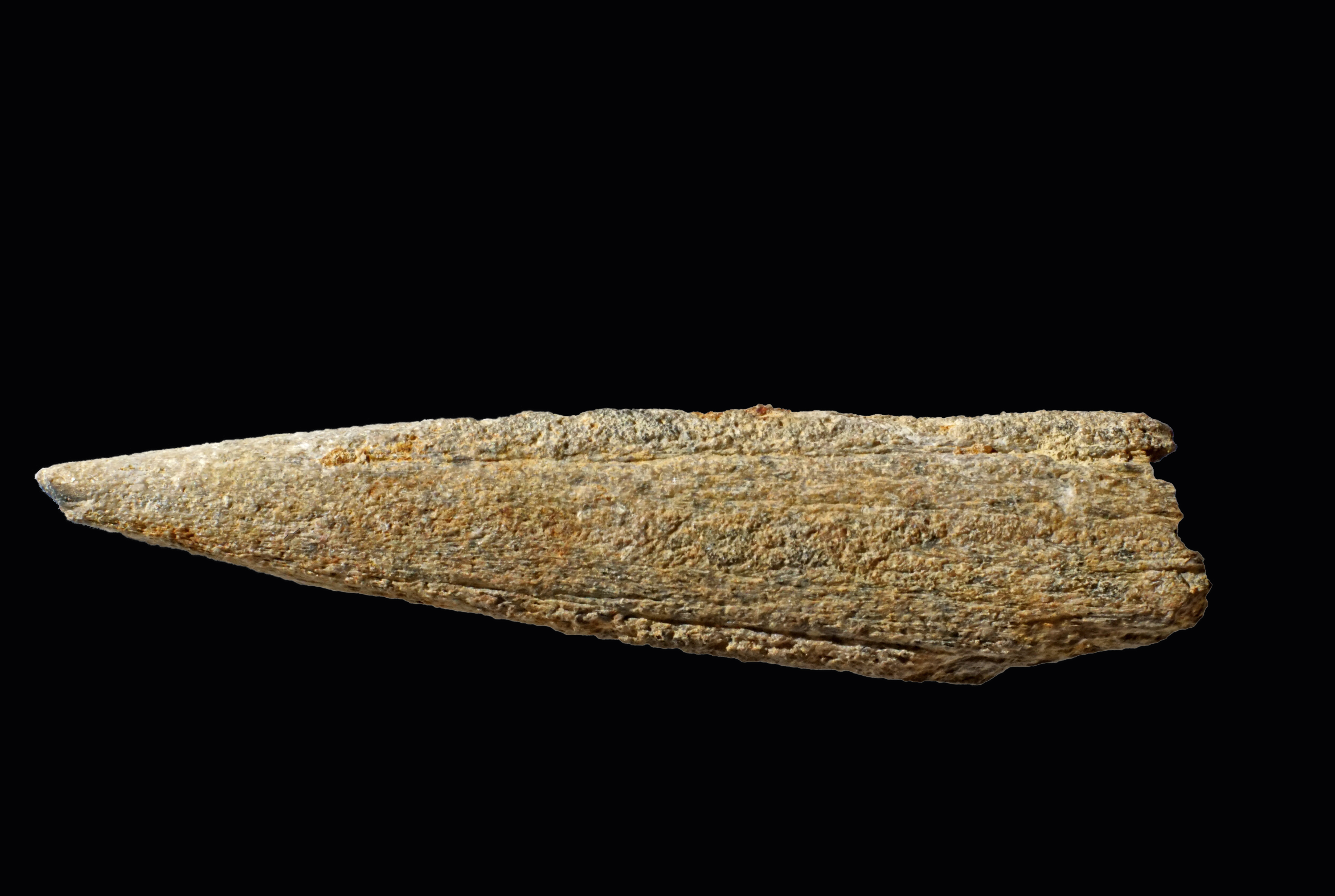
Billfish Fossil (4.5 inches (11 cm) long)

This fossil is the broken-off tip from the bill of a billfish, estimated in age from the Miocene Epoch (23 to 5.3 million-years-ago), possibly belonging to, Xiphiorhynchus, an extinct genus of giant, double-billed swordfish; or possibly belonging to Tetrapturus pfluegeri, living today, commonly called “Longspear Billfish“.

I chose these two related species as possible matches to my billfish fossil because both species were abundant during the Miocene Epoch (fossil age) and because the fossil was discovered along the Eastern Atlantic Coast of United States where both species were and are native.

Not to be confused – while all swordfish are billfish, not all billfish are swordfish. Swordfish (family Xiphiidae) are distinct from other billfish (family Istiophoridae—like marlin and sailfish) because they have a flatter, longer sword and lack teeth and pelvic fins as adults. 

Swordfish Facts

Xiphiorhynchus swordfish is an extinct genus of prehistoric swordfishes. Fossil records indicate they were one of the first swordfishes to have evolved during the Eocene Epoch (56 million-years-ago), surviving most abundantly through the Miocene Epoch (23 mya) becoming extinct during the Pliocene Epoch (2.6 mya) when one third of the planets megafauna died out due to cooling climate changes.

Xiphiorhynchus, Extinct Swordfish Rendering Drawing

Xiphiorhynchus swordfish was a large genus reaching 5 meters (16 feet) long or more, comparable to the Great White Sharks of today. Unlike the “one and only” true living swordfish today, Xiphias gladius (shown below) whose smaller in comparison, averaging about 3 meters (10 feet) long, the extinct Xiphiorhynchus had not one, but two equal length swords. During the genus’ reign, they would have been top predators and likely have achieved great speed and predatory skills, reminiscent of the many varieties of modern-day billfishes.

  • Xiphiorhynchus swordfish were highly migratory as the modern-day swordfish and would have been spotted along the Eastern Atlantic Coast of America through to the Gulf of Mexico down to Peru and as far south as Antarctica.
  • Swordfish are named after their long pointed, flat bills resembling a sword.
Modern-Day Swordfish (Xiphias gladius)
Billfish Fossil (4.5 inches “11 cm“)“ long) (Reverse Side)

Two Billfish Species

Tetrapturus pfuegeri commonly named “Longbill Spearfish“ is an extant species, (still living) from the family, “Istiophoridae” of billfishes, which includes about 10 species native to the Atlantic Ocean. It reaches a length of around 2.5 meters (8 feet) with a maximum weight of 58 kilograms (128 lbs). It is quite a fascinating looking billish species.

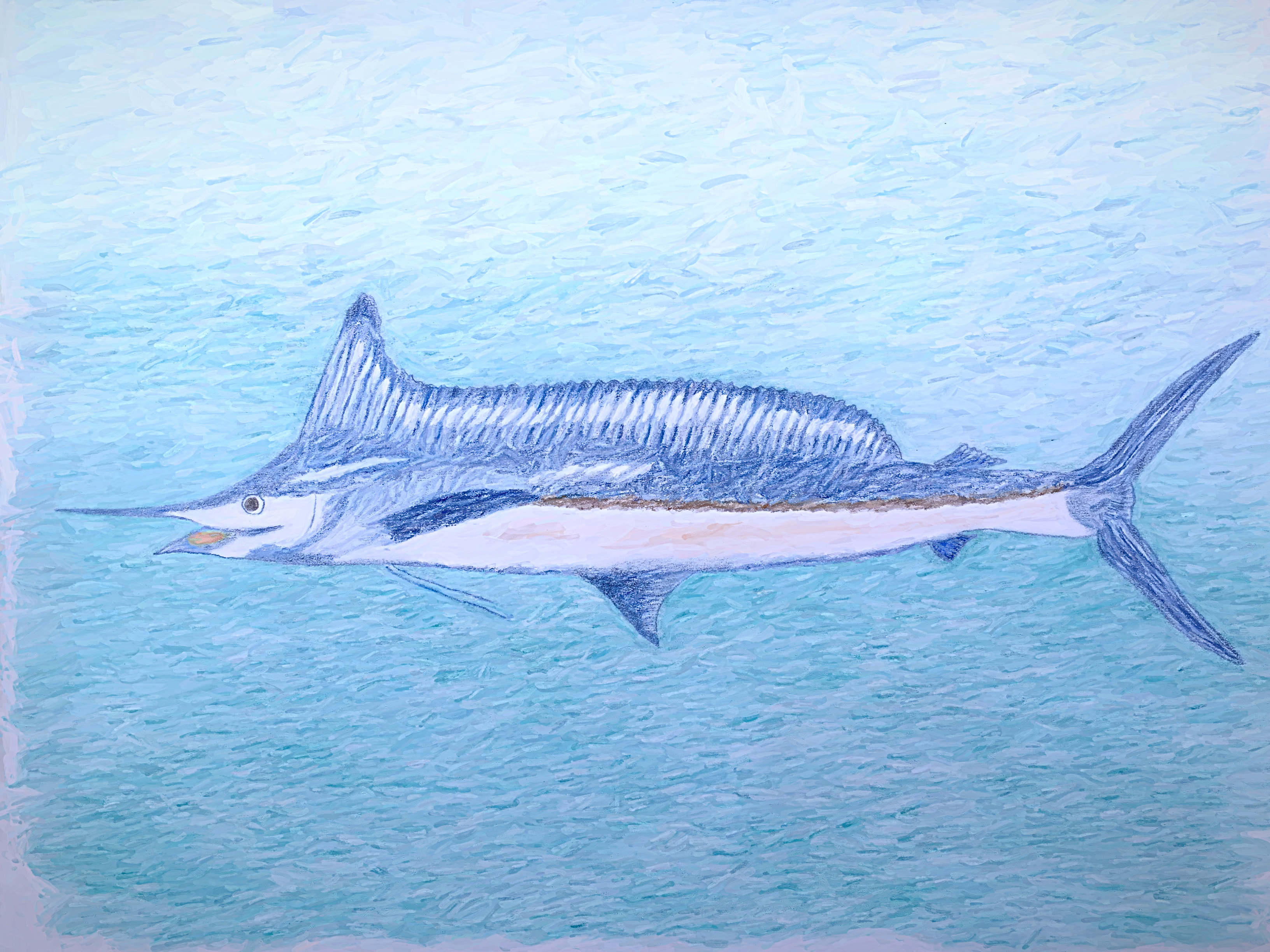
One of the largest and probably best known billfish today is the Atlantic Blue Marlin, “Makaira nigricans” which averages 3 meters (10 feet) long and can weigh up to over 1000 pounds, females are the largest. The Blue Marlin fossil record dates back from about the middle of the Miocene Epoch around 11 million-years-ago and reveals they were discovered along the east coast of the United States. The Blue Marlin could be another possible match to this fossil.

“Makaira nigricans” Blue Marlin Billfish (Rendering Drawing)

Marlin Facts Continue . . .

Marlins are oceanic species, chiefly found in offshore waters. They are highly migratory and are some of the fastest fish in the sea, reaching 110 km/h (68 mph) in short bursts. A marlin is not a swordfish, but a billfish. Two differences between a marlin and swordfish is that marlins have a more elongated body and a longer, sloping, dorsal fin. Also, marlins have a rounder, spear-shaped bill while swordfish have a flatter, broader “sword” and a shorter dorsal fin. 

  • Marlin’s common name is thought to be derived from its resemblance to a sailor’s marlinspike, an iron hand tool that tapers to a point and is used to separate strands of rope.
  • Marlins are popular sporting fish in tropical seas, consequently, the Atlantic Blue Marlin and the White Marlin are endangered owing to overfishing.
  • Females can live up to 36 years

All rights reserved © Fossillady 2025

Share this:

  • Share on Pinterest (Opens in new window) Pinterest
  • Share on Facebook (Opens in new window) Facebook
  • Email a link to a friend (Opens in new window) Email
  • Share on Reddit (Opens in new window) Reddit
  • Share on X (Opens in new window) X
  • More
  • Print (Opens in new window) Print
  • Share on LinkedIn (Opens in new window) LinkedIn
Like Loading...
Fish Fossils billfishbillfish fossilbillfish rendering drawingCenozoic Fossilsextinct swordfish identificationLong Bill SpearfishMarlin Factsswordfish identificationTetrapturus pfuegeriXiphiorhynchus

Lemon Shark and Sand Tiger Shark Teeth; Identification and Interesting Facts

April 3, 2022 by Fossillady

Lemon Shark

Lemon Shark (Negaprion brevirostris) Fossil Teeth (3/4 inch (1.9 cm) long)

Lemon Shark, Negaprion brevirostris, first appeared in the fossil record approximately 50 millions-years-ago beginning in the Eocene Epoch and are still here today, but are nearing the threatened list!

Named for their yellowish-brown color, which helps to disguise the fish over a yellowish-gray seabed, Lemon Sharks prefer coastal waters, lagoons or mangroves, typically staying close to the water surface. Even though humans reside in these areas, they are of little threat.

They are large, heavy sharks growing to an average length around 10 feet (3 meters). The Lemon Shark has a flattened head with a short, broad snout. Three of their triangular dorsal fins are approximately the same size and shape, which is unusual compared to other sharks.

Lemon sharks are commonly found along the Southeastern Coasts of the United States and the Gulf of Mexico, and can also be found throughout the Caribbean and Southern Brazil. They have also been known to migrate to places as far east as West Africa.

Lemon Shark teeth have fairly large roots which are near straight across the top. The blades are smooth and narrow coming to a sharp point and typically grow out from the root at a 90 degree angle.

  • Lemon Sharks can live to near 30 years.
Top: Lemon Shark Bottom Left: Sand Tiger Shark Right: Great White Shark

Sand Tiger Shark

Sand Tiger Shark, Carcharia taurus, first appeared in the fossil record during the late Cretaceous Period, around 72 million-years-ago, replacing their predecessor, the extinct Sand Tiger Shark, Carcharias cuspidatus, which appeared more than 45 million years earlier. Like the Lemon Shark, Sand Tiger Sharks are also threatened today.

Sand Tiger sharks inhabit coastal sandy shorelines (hence the name sand tiger shark). They also inhabit shallow bars, estuaries and tropical reefs to a depth of around 627 feet (191 meters). Even though they roam the surf in close proximity to humans, they are of little threat. They are normally quite docile, plus their mouths are not large enough to cause a human fatality.

Sand Tiger sharks dwell in a wide-range of waters including off the east coasts of North and South America, Japan, Australia, Africa, and parts of the Mediterranean. Because they have a worldwide distribution, they have inherited several common names, including; grey nurse shark, spotted ragged-tooth shark or blue-nurse sand tiger. The term “sand tiger shark” actually refers to four different Sand Tiger shark species in the family, Odontaspididae.

Sand Tiger Shark (Carcharias taurus) – 2 Upper Teeth and 1 Side Tooth (Longest sample is 1 inch (2.5 cm) long)

Sand Tiger shark, Carcharia taurus, are large and bulky reaching up to approximately 10 feet (3 meters) in length. The head is pointy, while the snout is flattened and the mouth extends beyond the eyes. The Sand Tiger has a light grey-brownish back and pale underside. Adults tend to have reddish-brown scattered spots, mostly on the hind part of the body.

Sand Tiger Sharks usually swim with an opened mouth displaying three rows of protruding, smooth-edged, sharp-pointed teeth that have side cuplets, which once removed from the mouth, may or may not later become worn away. The upper front teeth are separated from the side teeth by small intermediate teeth. The roots are deeply curvaceous.

  • Sand Tiger sharks can live up to 40 years.

Other Shark Facts

  • Sharks are covered in scales called dermal denticles, which are covered with a layer of enamel, like our teeth. The denticles protect the shark’s skin from injury. They also help water glide over the shark as it swims so it can move quickly and quietly through the ocean.
  • Sharks need to keep moving in order to pass water through their gills to receive oxygen.
  • The dark color over their topside helps to camouflage them from above while the light color on their bottom side blends with the sunlight to fool their prey below.
  • Sharks have electro sensors to help them navigate and find prey, compensating for their poor eyesight.
  • Sharks lack bones, their bodies are mostly made up of flexible cartilage which is lighter than bone requiring less energy for them to stay afloat.
  • Sharks loose and replace their teeth on a regular basis.


Factors Contributing to Population Declines of Sand Tiger and Lemon Sharks

  • Over fishing, particularly, by eastern countries such as China and Japan
  • Pollution in estuaries where pups are bred
  • Competition with humans for food
  • Exploitive Fishing Nets

All rights reserved © Fossillady 2026
Share this:

  • Share on Pinterest (Opens in new window) Pinterest
  • Share on Facebook (Opens in new window) Facebook
  • Email a link to a friend (Opens in new window) Email
  • Share on Reddit (Opens in new window) Reddit
  • Share on X (Opens in new window) X
  • More
  • Print (Opens in new window) Print
  • Share on LinkedIn (Opens in new window) LinkedIn
Like Loading...
Shark Teeth Fossils lemon shark informationlemon shark teethsand tiger shark informationsand tiger shark teeththreats to sharks 2 Comments

Two Extinct Sharks: Snaggle Tooth and Otodus, Obliquus Mackerel

March 28, 2022 by Fossillady
(Hemipristis, serra) Snaggle Tooth Shark Tooth (1.25 inch (3 cm) long and wide)

Snaggle Tooth Shark

It may seem obvious, but the extinct Snaggle Tooth Shark inherited its name from the large serrated edges running along the crowns of the teeth. Snaggle Tooth Shark “Hemipristis, serra” fossil teeth have been found worldwide. In 2014, a family in Chesapeake Bay, Maryland found an extremely rare fossilized skeleton of a 15-million-year-old, H. serra shark. The cartilage skeleton is the first one of this species ever found.

This breed could reach an estimated length of 20 feet (6 meters), equivalent to the largest Great White Sharks of today. A tropical breed, they lived beginning from the Oligocene Epoch around 30 million-years-ago through the Miocene Epoch and into the early Pleistocene Epoch about 1 million years ago before dying out, likely due to earth’s cooling temperatures. Their fossilized teeth are highly prized by collectors.

Extinct Snaggle Tooth Shark (Hemipristis, serra) Rendition Drawing

Classification Snaggle Tooth Shark

  • Class: Chondrichthyes (Cartilage fishes)
  • Superorder: Selachimorpha (Possessing a cartilage skeleton with five to seven gill slits on the sides of the head and pectoral fins that are not fused to the head.)
  • Order: Carcharhiniformes (Large ground sharks with nictitating membrane over the eye, two dorsal fins, an anal fin and five gill slits.)
  • Family: Hemigaleidae (Weasel sharks family of ground sharks found in eastern from the Atlantic Ocean to the continental Indo-Pacific in shallow coastal waters to a depth of 100 meters (330 feet).
  • Genus: Hemipristis (Snaggle Tooth)
  • Species: serra (Extinct specie)

Otodus, obliquus Mackerel Shark

Extinct Otodus, obliquus Shark Tooth (1.25 inch (3cm) long, 1 inch (2.5 cm) wide)

Extinct Otodus, obliquus was a fast-swimming, warm-blooded mackerel shark; the fossil teeth of this shark have been found in the phosphate pits of the Atlas Mountains of Morocco, Africa and the Nanjemoy Formation in Maryland, USA. A direct ancestor to the massive Megalodon shark “Otodus megalodon” the Otodus, obliquus shark is thought to be one of the first giant sharks and top predator of its time. The Otodus obliquus sharks ruled the oceans from the Paleocene Epoch around 66 million-years-ago to the Pliocene Epoch around 1.8 million-years-ago possibly competing with Megalodons after they emerged around 23 million years ago.

Otodus obliquus mackerel sharks averaged approximately 30 feet (9 meters) long with the largest possible exceptions reaching up to 40 feet (12 meters) long. To put that in perspective, the Great White Sharks largest exceptions are 20 feet (6 meters) long. Their teeth are noted for their wide triangular crown and large side-cusps. Largest Megalodons could reach 60 feet (18 m).

Otodus, obliquus Extinct Mackerel Shark (Scale Rendition Drawing)

Classification Otodus, obliquus

  • Class: Chondrichthyes (Cartilage Fish)
  • Order: Lamniformes (Possessing two dorsal fins, an anal fin, five gill slits, eyes without nictitating membranes, and a mouth extending behind the eyes. Commonly known as mackerel sharks; includes some of the most familiar species such as the Great White. Also, distinguished for maintaining a higher body temperature than the surrounding water.)
  • Family: Otodontidae (Extinct sharks described as mega-toothed sharks. It is believed to be an ancestor to Megalodon.)
  • Genus: Otodus (The teeth of these sharks are large with triangular crowns, smooth cutting edges, and visible cusps on the roots. Some Otodus teeth also show signs of evolving serrations.)
  • Species: Obliquus (extinct large specie)

All rights reserved © Fossillady 2026
Share this:

  • Share on Pinterest (Opens in new window) Pinterest
  • Share on Facebook (Opens in new window) Facebook
  • Email a link to a friend (Opens in new window) Email
  • Share on Reddit (Opens in new window) Reddit
  • Share on X (Opens in new window) X
  • More
  • Print (Opens in new window) Print
  • Share on LinkedIn (Opens in new window) LinkedIn
Like Loading...
Shark Teeth Fossils gigantic extinct shark descriptionsOtodus obliquus informationOtodus obliquus shark drawingOtodus obliquus shark toothsnaggle tooth shark drawingsnaggle tooth shark informationsnaggle tooth shark tooth

Megalodon Vs. Great White Shark Vs. Extinct White Shark

March 13, 2022 by Fossillady
Megalodon Vs. Great White Shark Comparison Pencil Drawing

You can find plenty of information on the internet and in books about both of these fascinating creatures, but the magnitude of Megalodon’s girth is mind blowing. The above photo depicts both species most exceptional sizes found in the fossil records.

Due to the multitude of unearthed shark teeth, scientists have been able to determine size, species and age of these amazing creatures. Surprisingly, scientists were able to determine that the largest Megalodons ‘”Otodus megalodon” were female, as with the Great Whites “Carcharodon carcharias” of today.

Sharks are important to all life on earth keeping the oceans clean of dead debris. Without them, our oceans would be overrun with bad bacteria killing all other ocean life which feed the world.

Great White Shark Tooth Front and Underside (Lingual Side and Labial Side) 2 Inches (5 cm) long

On average, Great White sharks have approximately 300 teeth, but lose dozens of them per month, which are readily replaced by several rows of backup teeth. In a single lifetime, these sharks can acquire over 20,000 teeth. This would explain why the average beachcomber can readily find volumes of shark teeth to add to their collections! Megalodon had almost as many teeth as the Great Whites, but considering Megalodon’s approximately 20 million-year-timespan on Earth, compared to Great Whites approximate 6 million-year-timespan, it’s not surprising Meg teeth are equally as common to find, if not more.

Megalodon Shark Tooth (5 inches (13 cm) Long

Comparing Shark Teeth Characteristics

In comparison, Megalodon shark teeth have larger, wider roots than the Great White sharks and typically display a medium to wide bourlette (chevron shaped space between the root and the crown of the tooth). Also, the Megalodon teeth displayed small, regular spaced serrations along the edges, while the Great White shows thicker, irregular serrations.

The tooth size is another way to tell these two species apart, depending if the tooth is from a juvenile Meg or an adult Meg. The largest Megalodon tooth ever found is just over 7 inches (18cm) long, filling a mans palm. The largest recorded Great White shark tooth is just over 3 inches (7.5cm) long.

Scale Pencil Drawing of Megalodon Jaw and Teeth

Where can you find Megalodon teeth?

Megalodon shark teeth have been found on every continent except Antarctica. And in the United States, their teeth have been found in every state along the East Coast, especially Florida and the Carolinas. Their teeth have also been found in Texas, Louisiana, California, Washington, Hawaii, Michigan and some other Midwestern states. The best environments to find shark teeth are beaches, creek beds, dried riverbeds and abandoned dig sites.

Why did Megalodon become extinct?

Megalodon teeth fossils date from the early Miocene Epoch about 23 million-years-ago until the end of the Pliocene Epoch about 2.58 million-years-ago. Modern Great Whites evolved from the middle of the Miocene Epoch around 10 million-years-ago to the present. Consequently, the Great Whites lived toward the end of Megalodon’s tenure and scientists predict they competed with juvenile Megalodons for food making it more difficult for some Megalodons to reach adulthood. Also, changing ocean currents resulting in colder temperatures drove one of Megalodon’s essential prey of whales to colder climates, which Megalodon may not have adapted. A megaton creature needs megatons of food to survive and scientists predict the species was likely starved out of existence.

White Shark Fossil Tooth – 2 inches (5cm) Long

Extinct White Shark Comparisons

The above shark teeth belonged to a known extinct breed of large White Sharks, Carcharodon hastalis, a fast-swimming mackerel shark. This impressive species of sharks are considered ancestors to the modern day Great White Sharks, Carcharodon carcharias. The teeth of White Sharks have been found world-wide from marine deposits of the Miocene and Pliocene epochs, around 20 million to 3 million-years-ago. They dominated the Miocene seas and likely competed with Megalodon for food.

White Shark teeth are often found along with the teeth of Megs and on average measure from 1-3 inches (2.5 – 7.5 cm) long, topping out at 4 inches (10 cm) long, second only to Megalodon. Roots of these extinct White Shark teeth are large, but not as broad in comparison to Megs. White Shark teeth crowns also lack the edge serrations and chevron shaped bourlette between the crown and roots distinguishable in Megalodon’s.

White Sharks, Carcharodon hastalis, grew larger than today’s Great Whites, Carcharodon carcharias, reaching estimated lengths of 20 to 26 feet (6–8 meters). While modern Great Whites, typically max out around 20 feet.
All rights reserved © Fossillady 2022

Share this:

  • Share on Pinterest (Opens in new window) Pinterest
  • Share on Facebook (Opens in new window) Facebook
  • Email a link to a friend (Opens in new window) Email
  • Share on Reddit (Opens in new window) Reddit
  • Share on X (Opens in new window) X
  • More
  • Print (Opens in new window) Print
  • Share on LinkedIn (Opens in new window) LinkedIn
Like Loading...
Shark Teeth Megalodon Vs. Great White Carcharodon hastalis white shark toothExtinct white shark teethgreat white sharkgreat white shark teethmegalodon drawingMegalodon extinctionmegalodon informationmegalodon shark teeth

Post navigation

← Older posts
Newer posts →
Follow Fossil Lady on WordPress.com

Category of Fossil Facts

  • Algae Fossils
  • Ammonite Fossils
  • Beach Stones and Rocks
  • Brachiopod Fossils
  • Bryozoan Fossils
  • Cephalopod Nautiloid Fossils
  • Coral Fossils Extinct
  • Coral Star and Starlet Florida, Atlantic and Gulf Coasts
  • Corals Florida Atlantic and Gulf Coasts
  • Crinoids Fossils
  • Earliest Bizzarrre and Giant Creatures
  • Fish Fossils
  • Horseshoe Crabs
  • Lake Michigan Fossil Finds
  • Millipede Fossils
  • Oysters Fossils
  • Porpoise Fossils
  • Seashell Clamshell Fossils
  • Seashell Clamshells
  • Seashell Univalves
  • Shark Teeth Fossils
  • Shark Teeth Megalodon Vs. Great White
  • Sponges Fossils
  • Stromatolite Fossils
  • Tree Fossils
  • Trilobite Fossils
  • Tube Worms Fossils
  • Turtle Fossils

My Photo Essay Site about Lake Michigan, Tree ID, and much more!

My Fine Art Photo Gallery

Advertisements
Advertisements
Advertisements
Blog at WordPress.com.
Fossil Lady
Blog at WordPress.com.
Privacy & Cookies: This site uses cookies. By continuing to use this website, you agree to their use.
To find out more, including how to control cookies, see here: Cookie Policy
  • Subscribe Subscribed
    • Fossil Lady
    • Join 146 other subscribers
    • Already have a WordPress.com account? Log in now.
    • Fossil Lady
    • Subscribe Subscribed
    • Sign up
    • Log in
    • Report this content
    • View site in Reader
    • Manage subscriptions
    • Collapse this bar

Loading Comments...

    %d