Amazing Ammonites

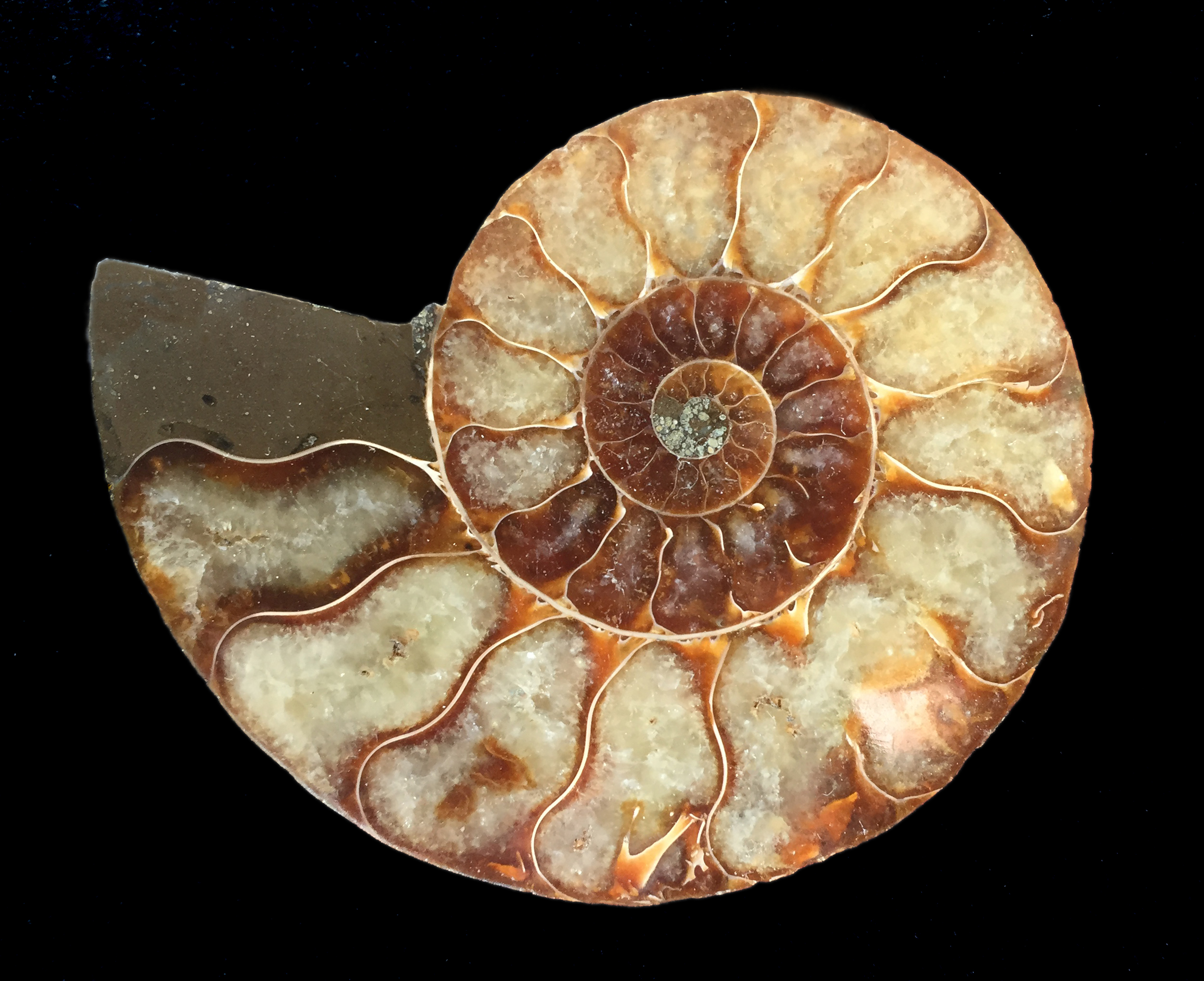
Ammonite Fossil Inner Chambers

Ammonites are an extinct marine shelled mollusk animal belonging to the class of cephalopods related to today’s squids, octopus, cuttlefish and the nautilus. Ammonites moved in spurts using a method of jet propulsion by siphoning the ocean water into the inner chambers inside their shells and then pushing the water out powerfully through a tube structure called a siphuncle. These inner chambers held water and special gases which helped it descend deep down ocean depths or float upward to shallower depths by filling and releasing the gases and water in and out of the chambers.
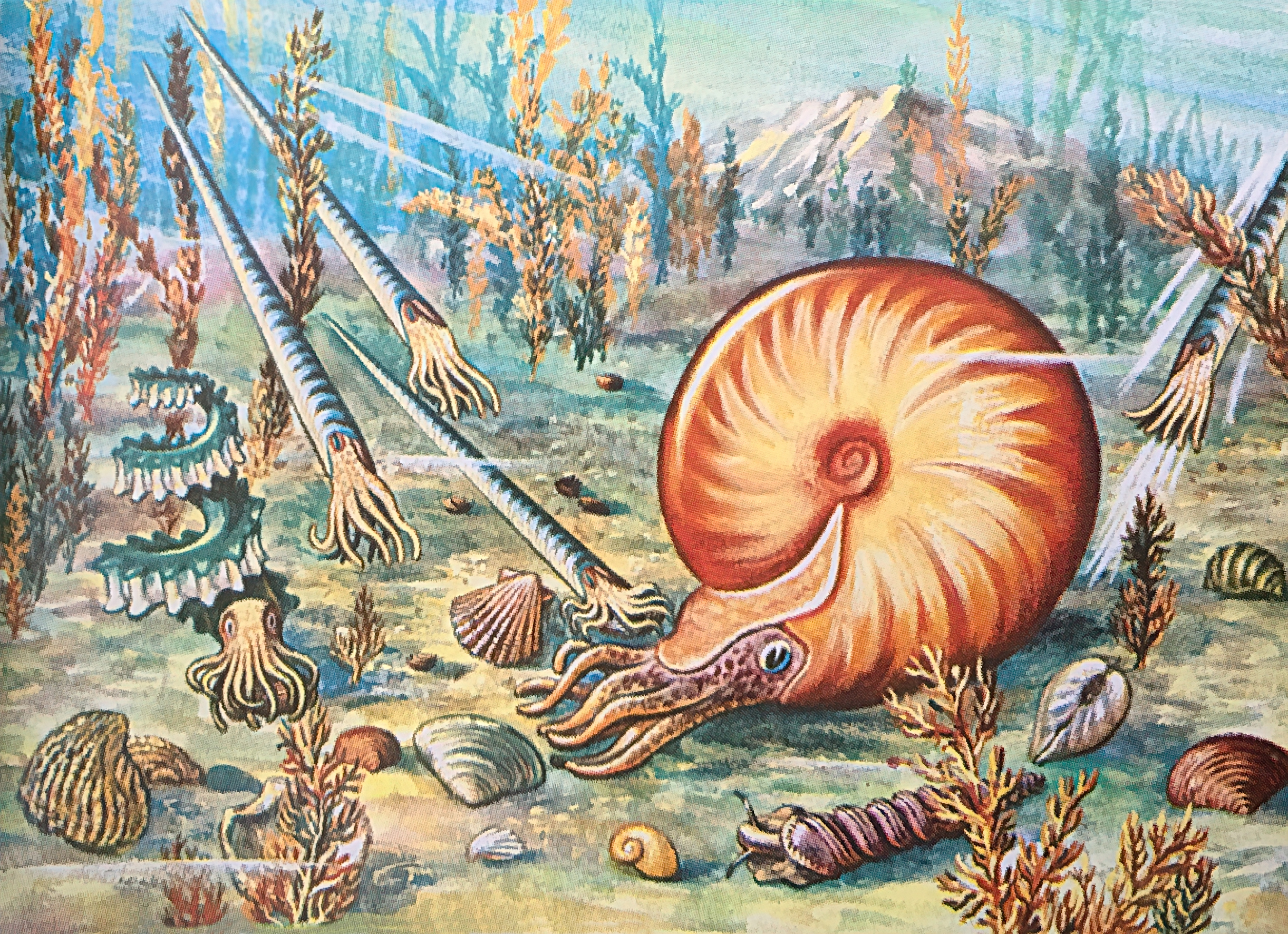
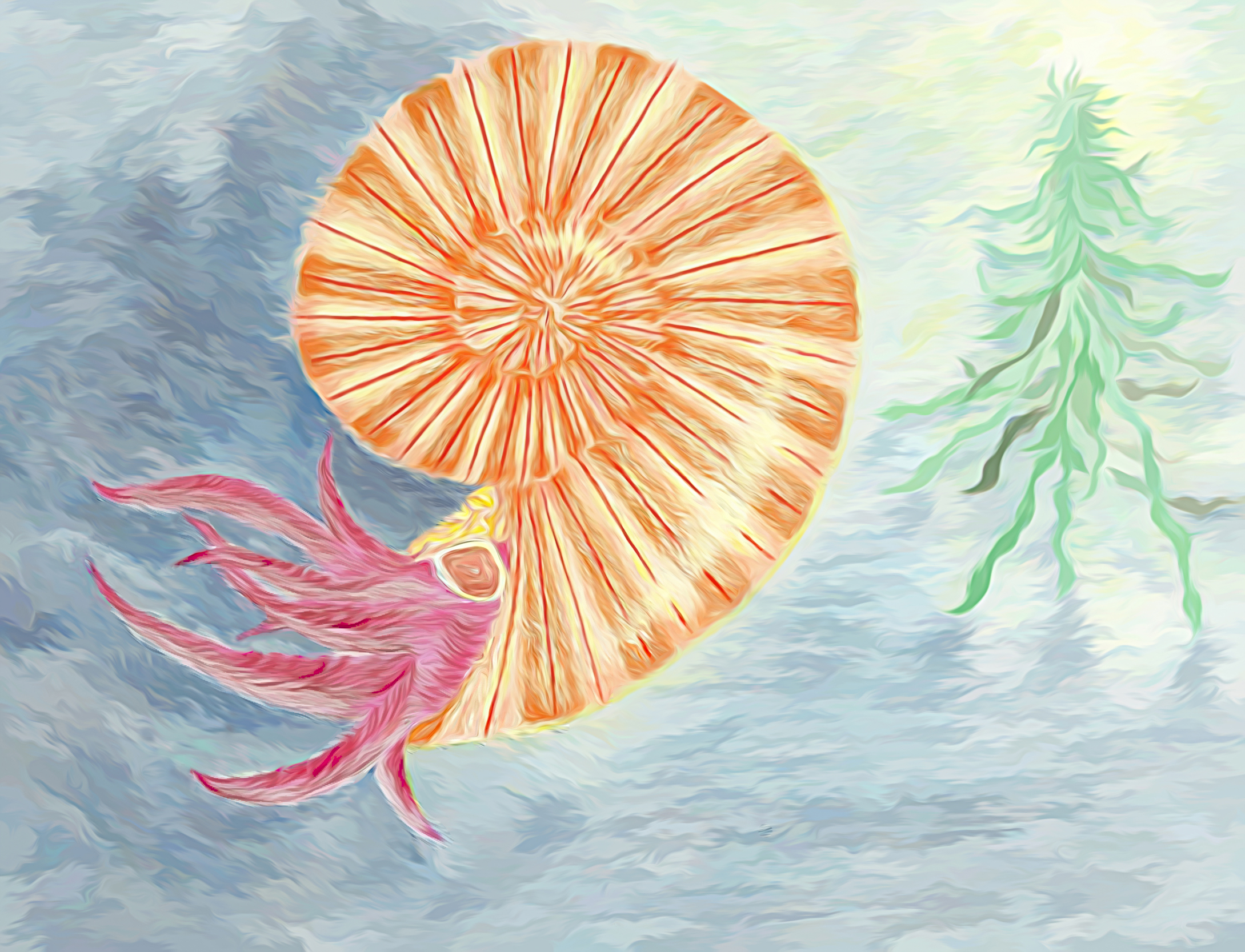
Cretaceous Period Oceanic Environment (145-66 million years ago) Artist Rendition

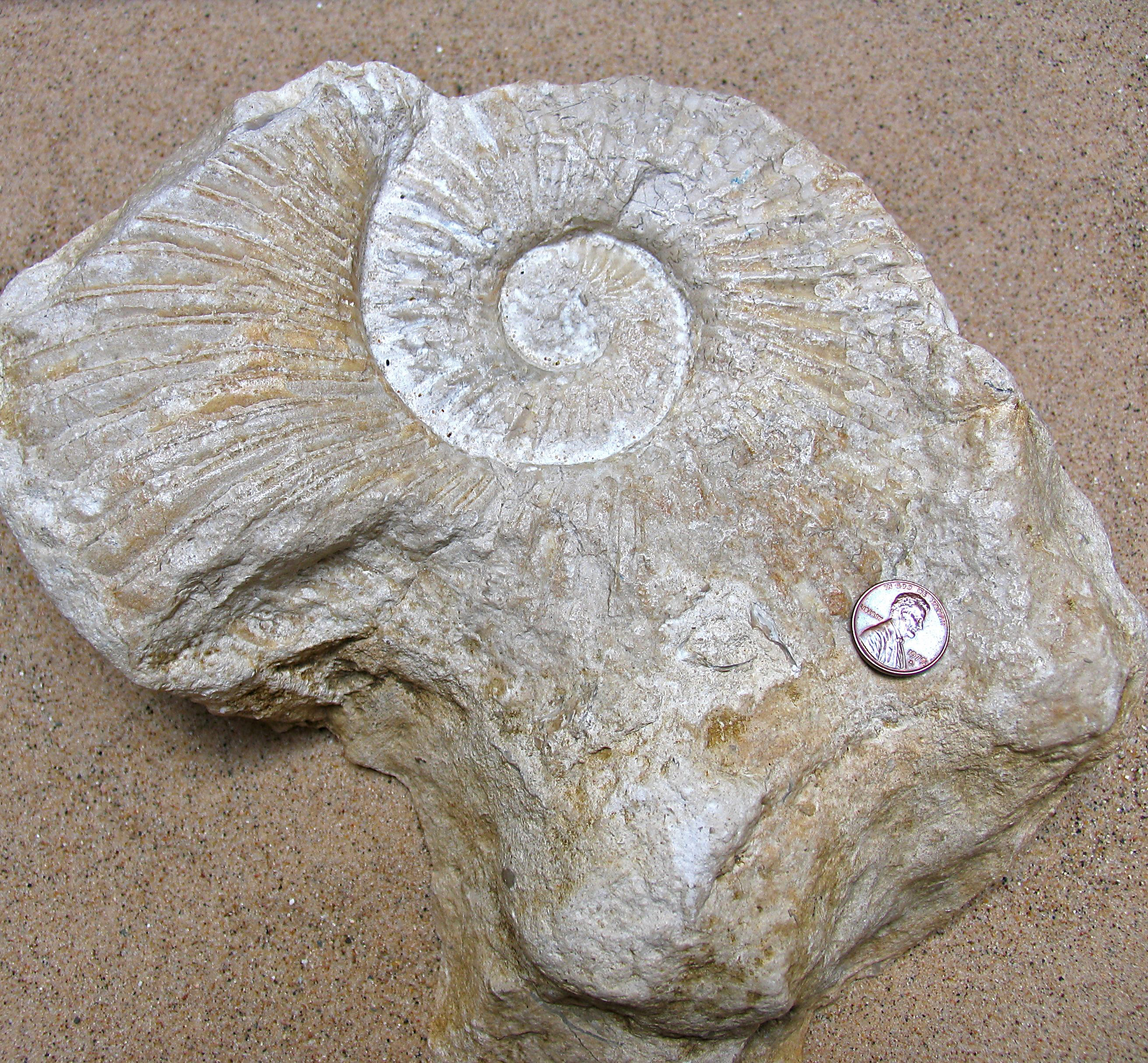
The Douvilleiceras, mammilatum ammonite fossil shown below possessed well-defined growth patterns on its shell (sutures). Douvilleiceras’ knobs and spines are thought to be an indicator of a hostile environment. It lived during the Cretaceous Period (145 to 66 mya) and was unearthed in Madagascar (Albin Formation).
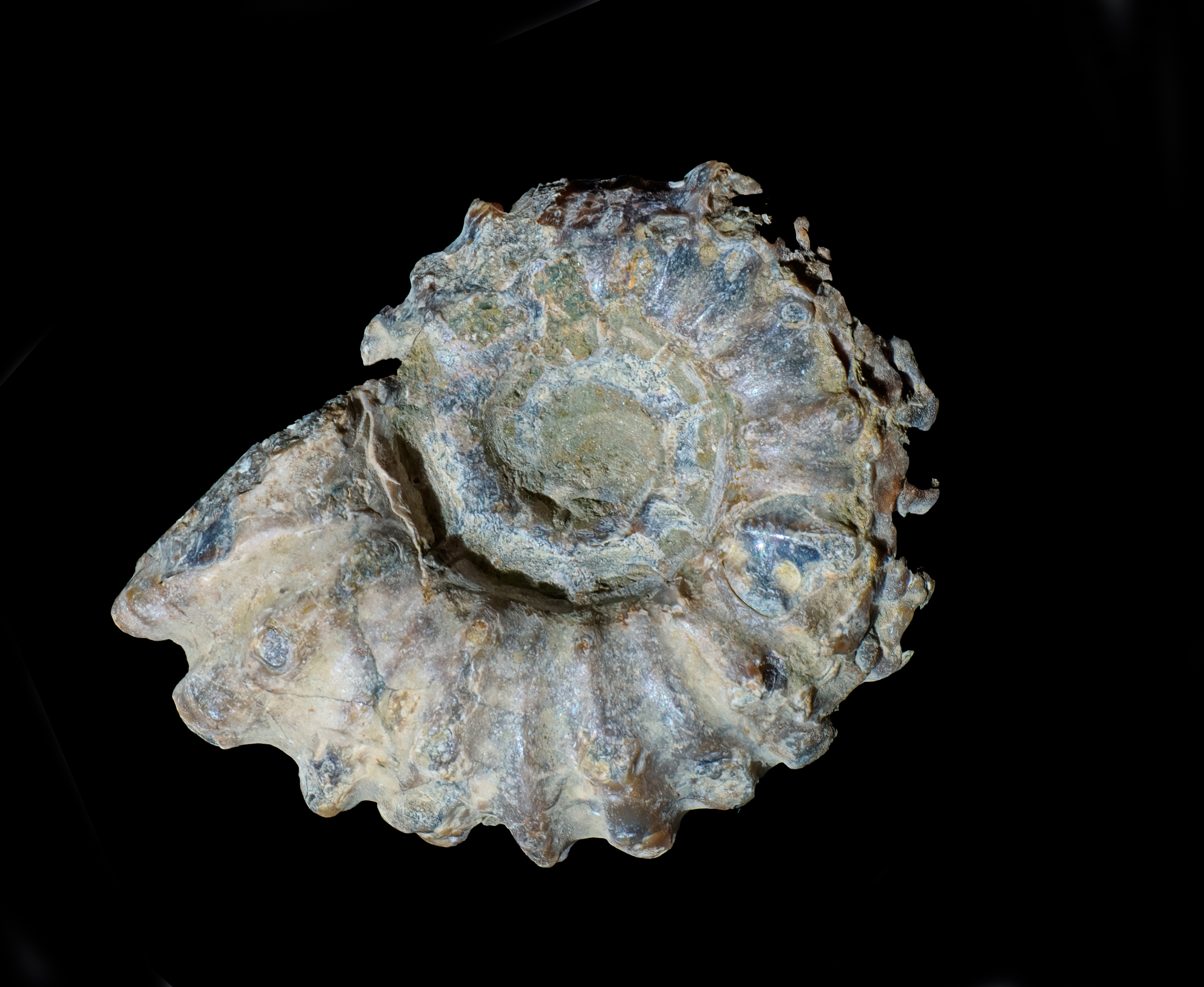
Ammonite Fossil (Douvilleiceras, mammilatum)

Ammonites lived during the Paleozoic and Mesozoic Eras, specifically from the Devonian period (around 419 million years ago) until the end of the Cretaceous period (about 66 million years ago). They were descendants of their cousin straight-shelled nautiloids, but the ammonite’s coiled shells allowed them more agility and maneuver ability within their oeanic environments than their predecessors.
fossils 127
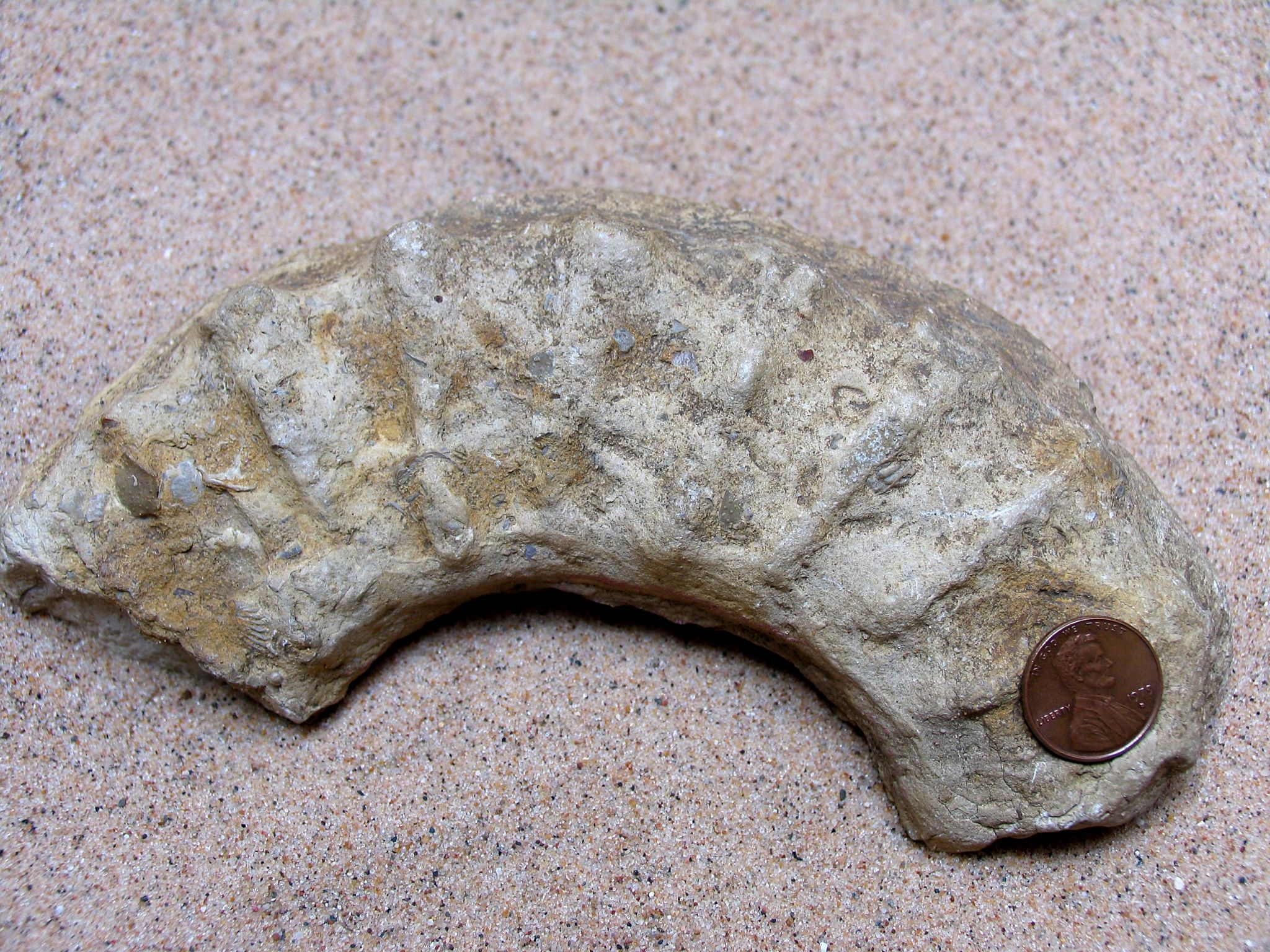
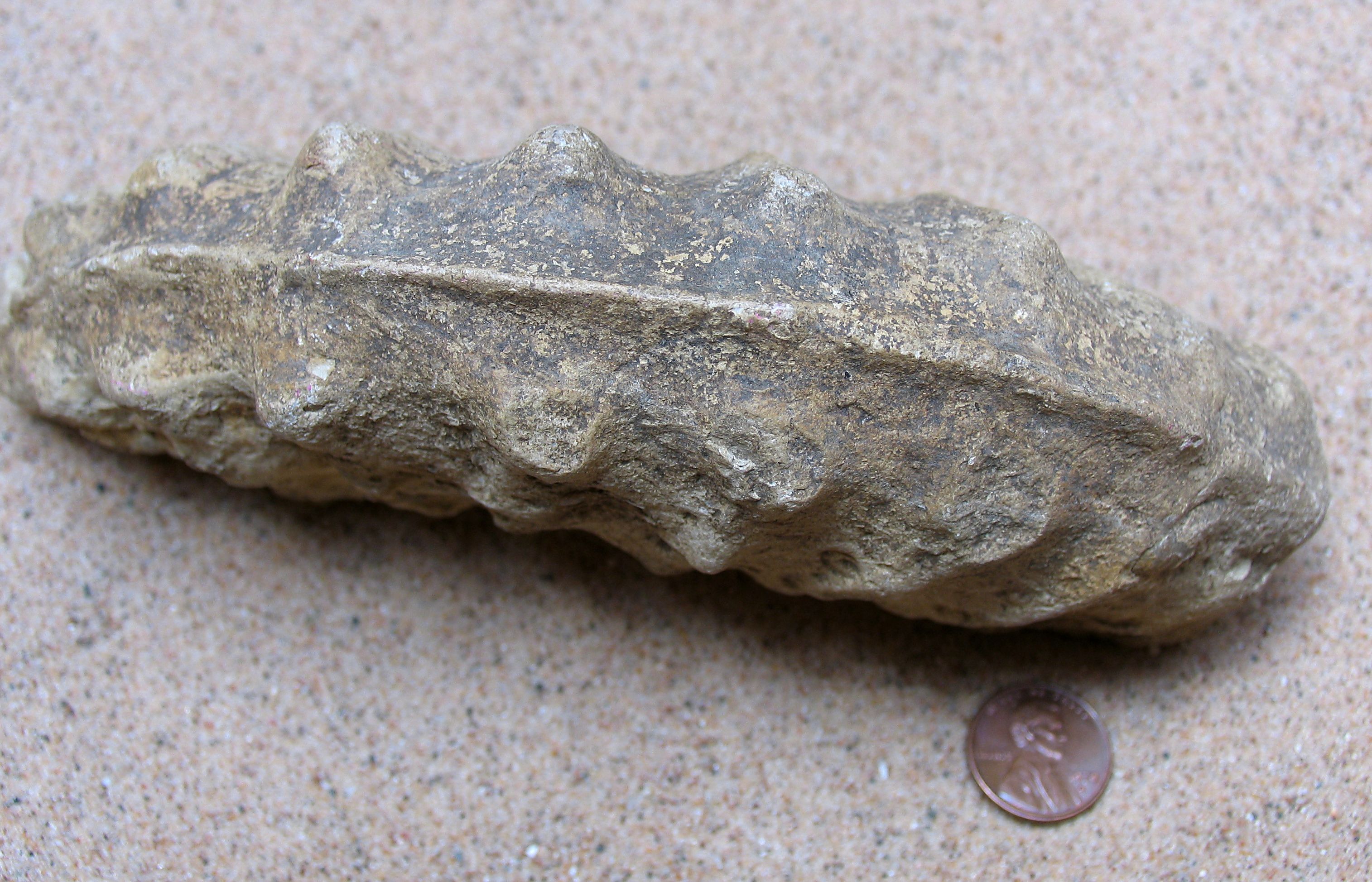
Mortoniceras sp Ammonite Fossil

The above fossil is a broken section off an ammonite’s shell belonging to the genus, Mortoniceras sp. It was found in Arkansas in a dried up riverbed within the limestone, Goodland Formation. The shell is characterized by deep keels and ribbing. It lived mainly during the Cretaceous Period (145 to 66 mya). As with all the ammonites, its fate was doomed side by side with the dinosaurs.
fossils 126
Mortoniceras Ammonite Fossil (Top View)

The siphuncle tube was also used to regulate buoyancy by controlling the amount of gas and water in the animal’s inner chambers. It lay along the rim of the ammonite underneath its shell.

Multi-purpose Tentacles

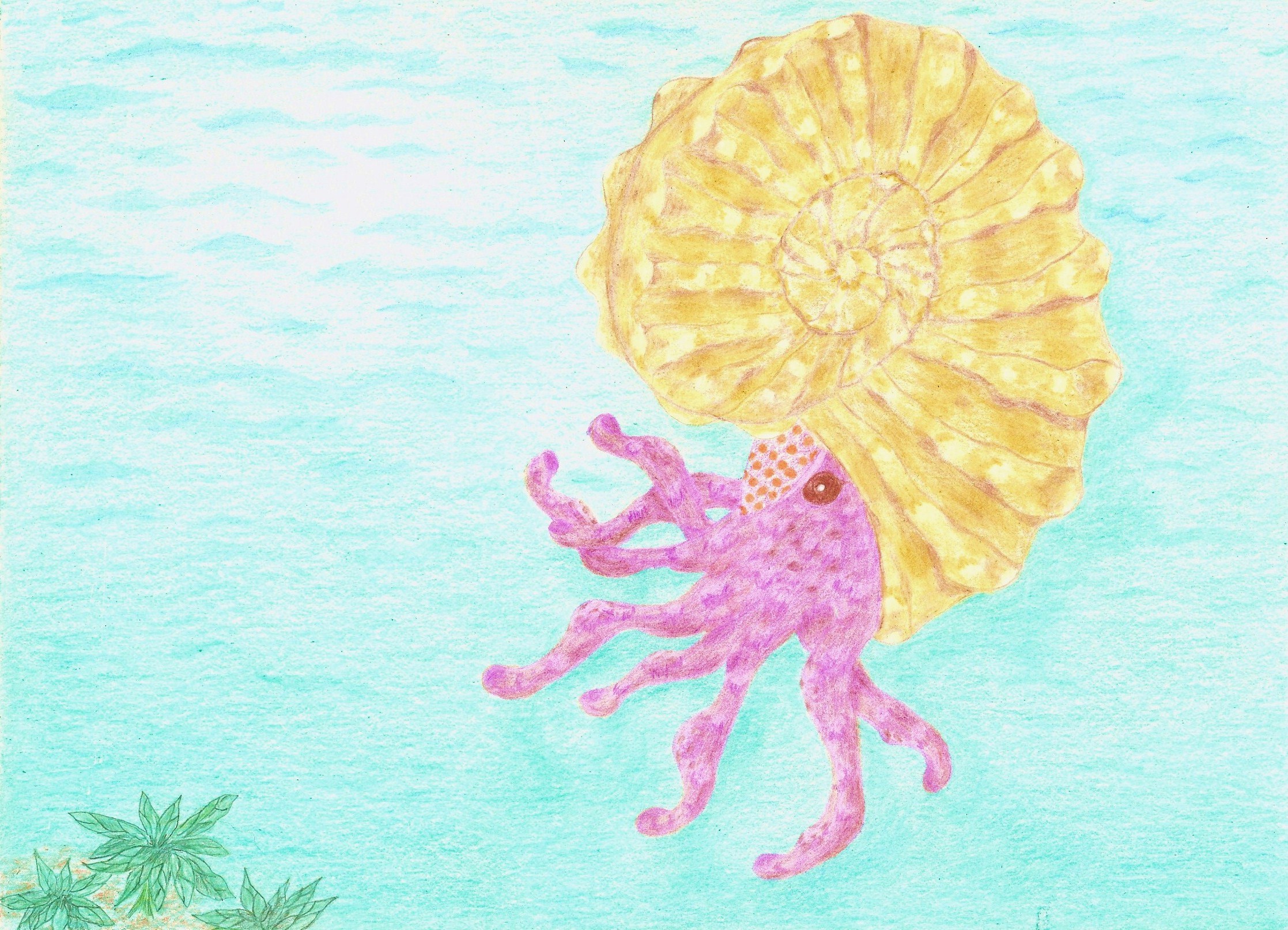
The ammonites were ocean predators grabbing their victims with precision and crushing them with their long, powerful tentacles. These tentacles contributed to another important function. They contained special sensors which facilitated their ability to navigate and locate prey in the vastness of the ocean.
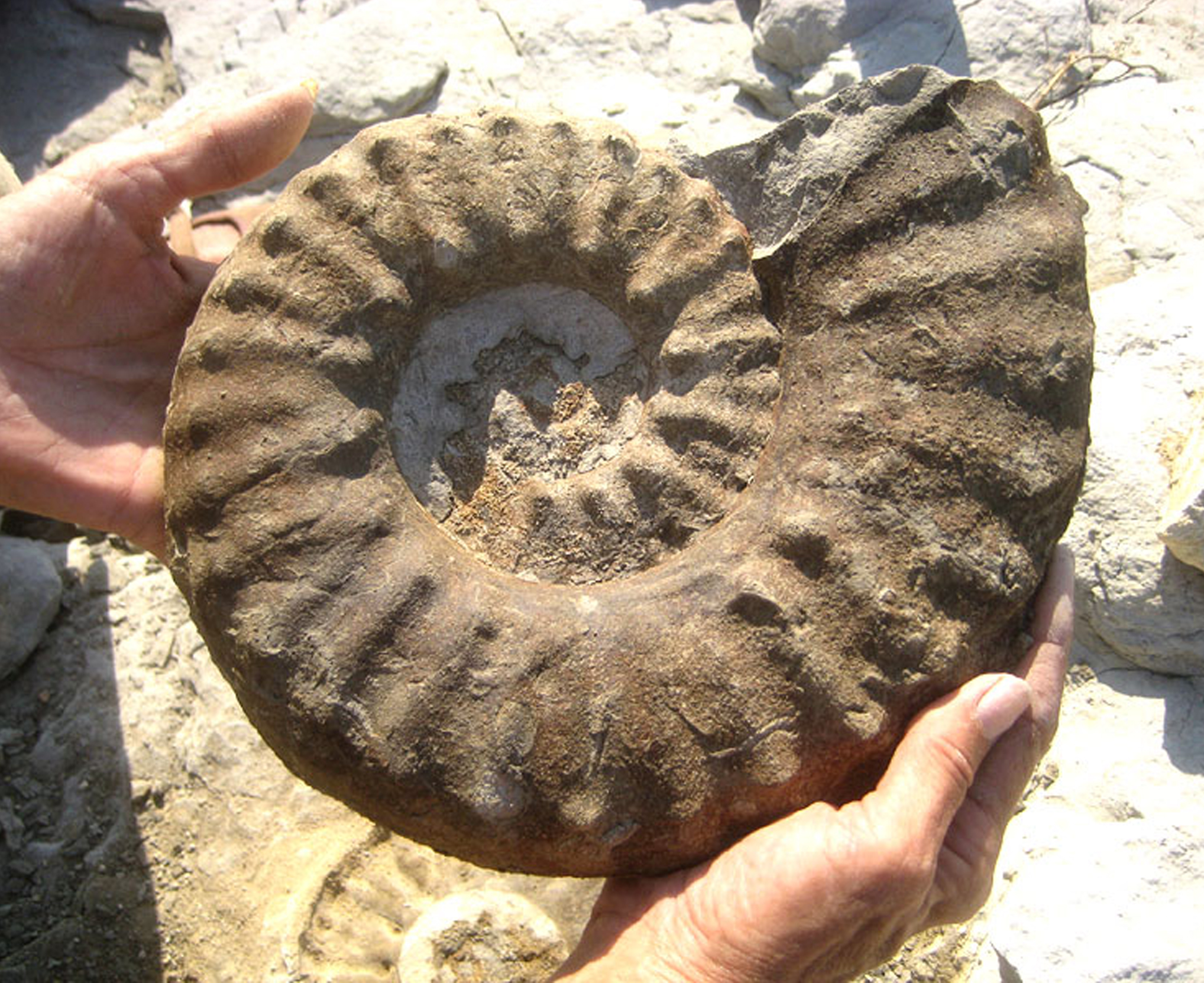
A Complete Sample of Mortoniceras sp from Texas, Fort Worth Formation, Tarrant County

Ammonites possessed large heads and are assumed to have been highly intelligent like their modern day cousins octopuses, squids, cuttlefish, nautilus etc. Scientist debate whether ammonites contained ink sacs for defense.

See two gigantic ammonite fossils from another article I have written (scroll to the bottom of article).
Scan_Pic0005
Mortoniceras Ammonite Rendering Drawing

CLASSIFICATION

Scientific Name: Mortoniceras

Common Name: Ammonite

Kingdom: Animalia

Phylum: Mollusk (large diverse group of invertebrates possessing a shell, i.e. clams, snails, oysters, etc.)

Order: Ammonitida (characterized by thick, ribbed patterned shells)

Class: Cephalopod (means prominent head and tentacles, i.e. octopuses, cuttlefish, squids, nautilus)

Family: Brancoceratidae

Genus: Mortoniceras (characterized by deep keels, tubercules (knobs) and ribbing)

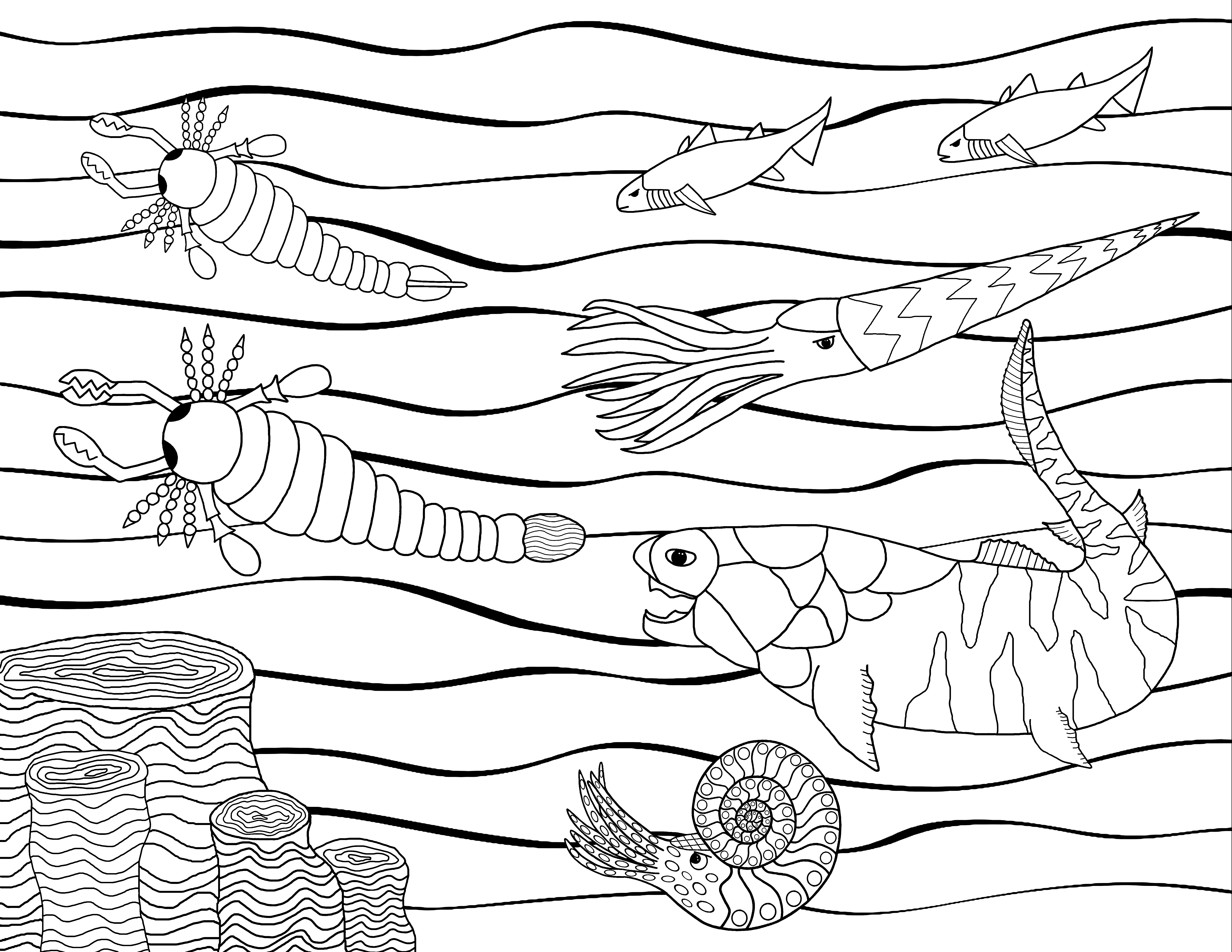
Check out my two fiction books blended with prehistory insights and imaginative storytelling that entertain as they educate. Geared toward young exlporers interested in early life and fossils, or young readers who simply like a good story; ages 11-15+. Also available, a coloring/activity book featuring scenes from the books along with many of the plants and animals that lived during the amazing Devonian Time Period; fossil photos and descriptions included. Available on Amazon.com

All rights reserved © Fossillady 2025

Manuiceras sp (Ammonite)

Ammonite Dufrenoy
Ammonite Fossil

Manuicera sp. lived in the ancient seas when dinosaurs were around. In general, the ammonite’s abundance peaked during the Cretaceous Period (145 to 66 million-years-ago). But according to the fossil records, their incredible long history began as early as 440 mya during the Silurian Period.

Manuicera sp ammonite was unearthed from a dried up riverbed in Arkansas, they have also been unearthed in Texas. Both of these U.S. states lie within the limestone, Goodland Formation where many other Cretaceous fossils have been discovered. Originally, I mistakenly identified the fossil as, Dufrenoy justinae, but that was when I was newer to the field with a less discerning eye and research skills. So there you go. 

Haeckel_Ammonitida
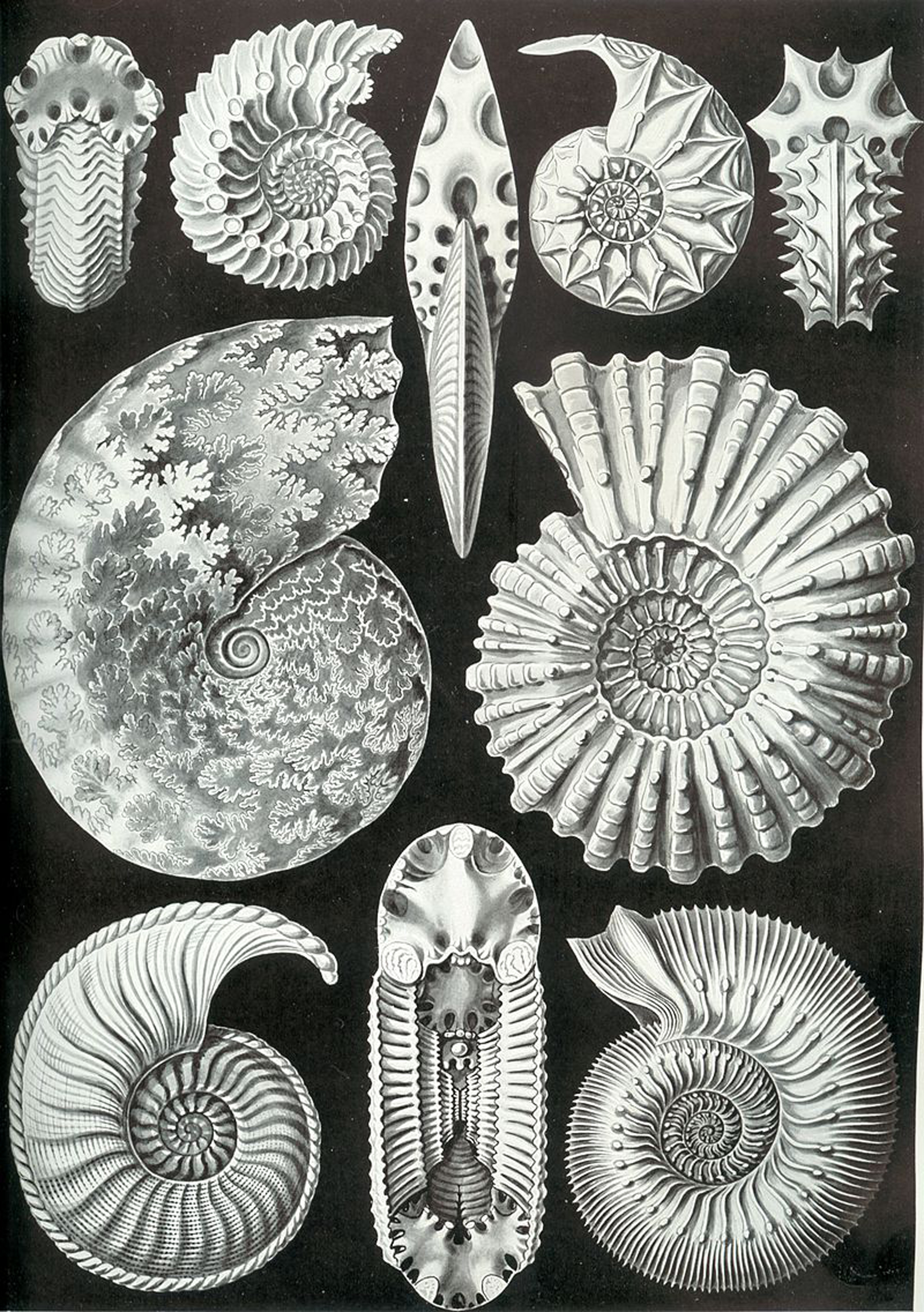
A variety of ammonite forms, from Ernst Haeckel‘s 1904 Kunstformen der Natur (Art Forms of Nature)

The amazing illustration above shows how ammonites vary greatly in the ornamentation (surface relief) of their shells. Some may be smooth and relatively featureless, except for growth lines. In others, various patterns of spiral ridges and ribs or even spines are shown.

Ammonite fossils have a world wide distribution indicating the theory of continental drift and due to their abundance (estimated 10 thousand species) scientists use them as date markers for other fossils along the same rock layers.

Ammonites grew from a few inches in diameter to the size of truck tires. See my other article on ammonites.

Manuiceras sp Ammonite Rendering Drawing

CLASSIFICATION

Scientific Name: Manuiceras sp. Common Name: Ammonite

Kingdom: Animalia

Phylum: Mollusk (soft body of invertebrate animal encased in shell)

Class: Cephalopod (means prominent head and tentacles, i.e. octopus, squid, cuttlefish, nautilus)

Order: Ammonitida (characterized by thick ribbed and patterned shells)

Family: Acanthoceratidae (possibly)

Genus: Manuiceras

All rights reserved © Fossillady 2025

Check out my two fiction books blended with prehistory insights and imaginative storytelling that entertain as they educate. Geared toward young exlporers interested in early life and fossils, or young readers who simply like a good story; ages 11-15+. Also available, a coloring/activity book featuring scenes from the books along with many of the plants and animals that lived during the amazing Devonian Time Period; fossil photos and descriptions included. Available on Amazon.com
Interesting Facts About Trilobites

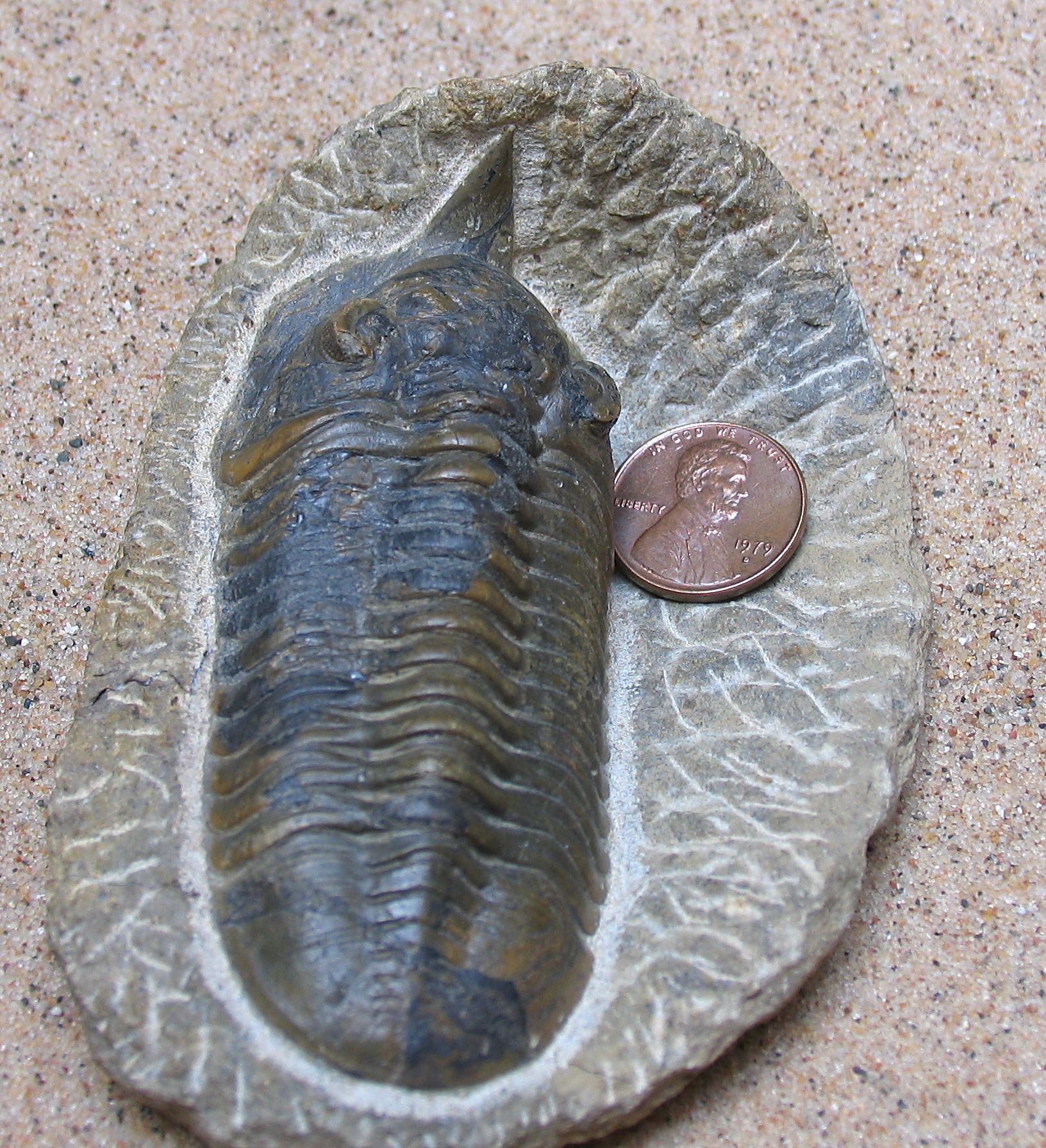
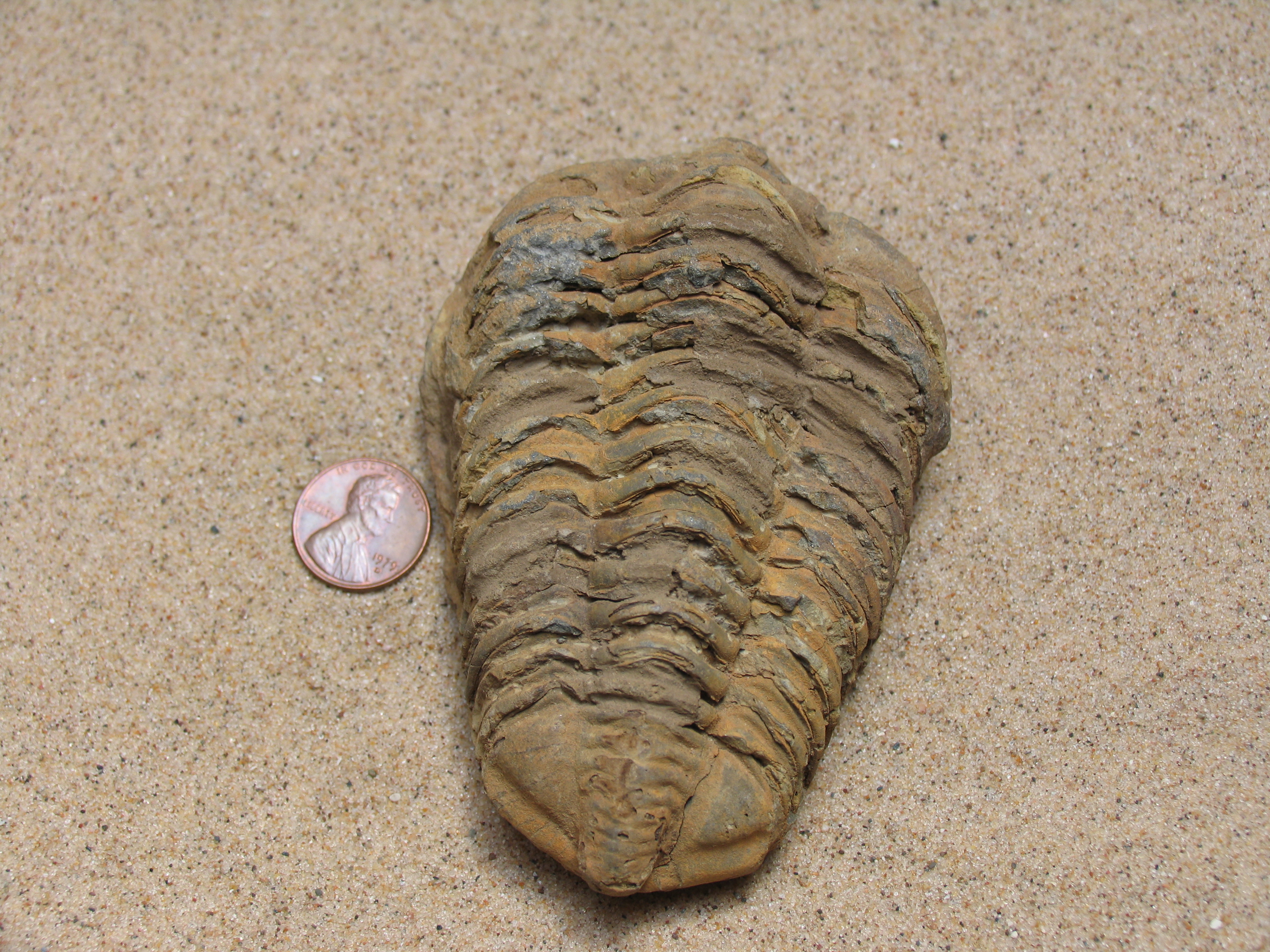
Calymene, celebra Trilobite Fossil

Most trilobites grew to only about 3 inches (7.6 cm) long, while a few reached almost 3 feet (1 meter) long. This Calymene, celebra fossil fits nicely into a man’s palm. In life, it was a scavenger finding food on the ocean floor where it could easily burrow underneath the sand to hide from predators. Many of their fossils are often found rolled up in a defensive position. They were able to bend because their chiton exoskeletons were fitted with overlapping sections. Think of roly-poly bugs, or pill bugs, as some call them; it’s the same idea.

Lifestyle of Trilobites

Trilobites developed several different life styles; some moved over the seabed as predators or scavengers, while others were filter feeders, yet some swam along the ocean strata feeding on plankton. Most were sluggish swimmers, while some later varieties were designed precisely for speed and swam in the mid-ocean, pelagic zones where more predators existed. 

Calymene, celebra Trilobite Fossil

This little Calymene trilobite crawled on the ocean floor over 400 million years ago during the Devonian time period. His species had smaller eyes than many other trilobite species and was probably a sluggish swimmer. A good number of their fossils are found in Michigan and other Midwest states where warm shallow oceans once dominated the continents.

Trilobites have the distinction of possessing a segmented body, multiple jointed limbs and an armored outer shell, placing them in the category of arthropods related to insects and crustaceans. Trilobite means three lobes in Greek, from tri and lobos, named for their three major lengthwise body sections.

All trilobites died out at the end of the Permian mass extinction event, 251 million-years-ago, which removed over 90% of all species on Earth.

Find out about a few giant sized trilobites here in another article I’ve written. (Scroll down to middle of page)

Scan_Pic0004
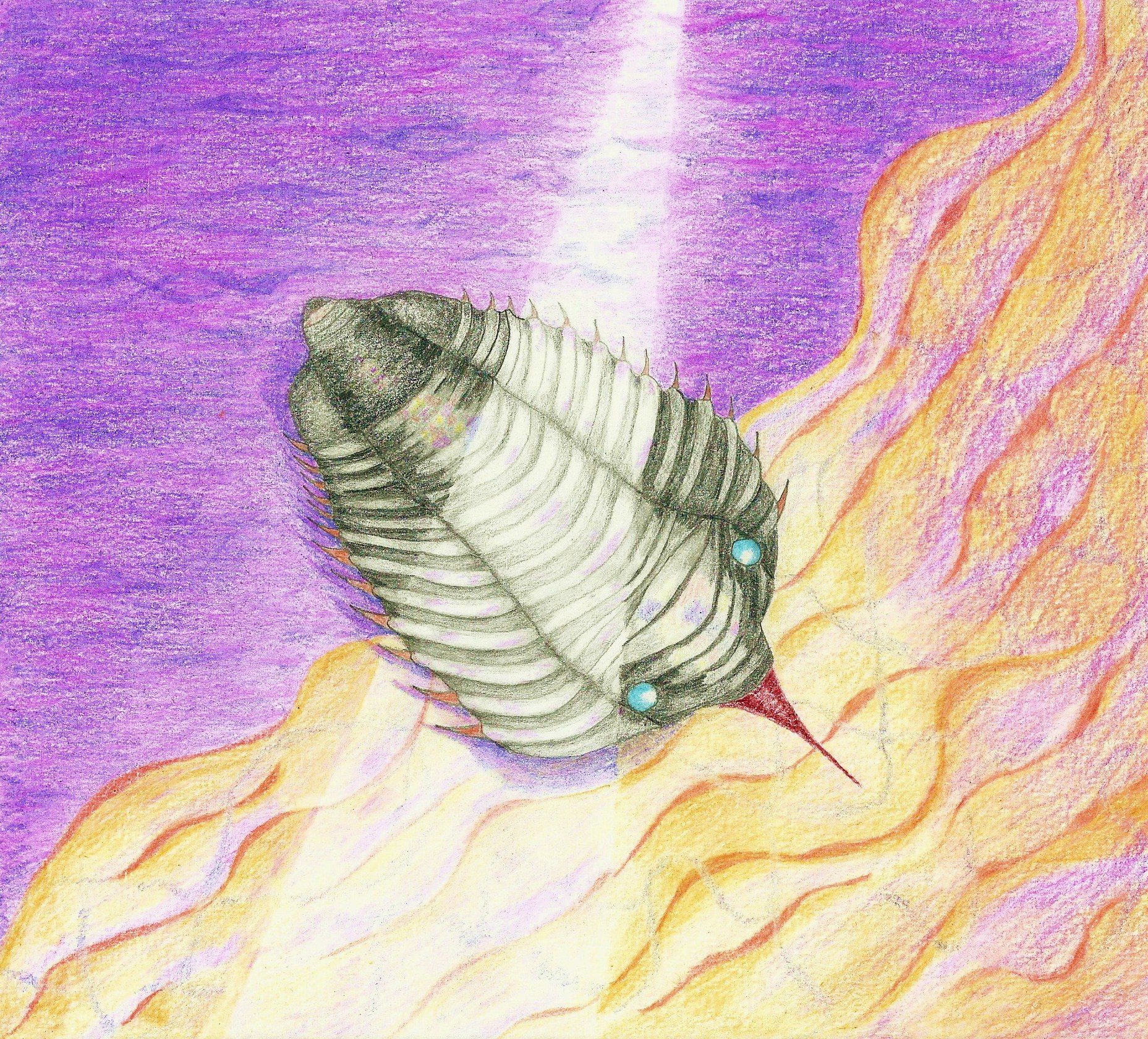
Calymene Trilobite Rendering Drawing

Classification

Kingdom: Animalia

Phylum: Arthropoda (Invertebrate animals with jointed legs, segmented bodies, exoskeletons made up of chiton, a tough fibrous material often mineralized with calcium carbonate)

Class: Trilobota (Means three lobes or body sections. They are one of the earliest and most successful groups of artrhopods to appear in the fossil record with an estimated 22,000 species)

Order: Phacopida (Means lens face, these trilobites lived from the late Cambrian Period to the late Devonian Time Period)

Family: Calymenidae

Genus: Calymene (Small group of trilobites often found rolled up)

Species: celebra

All rights reserved © Fossillady 2025
Check out my fiction books featuring factual prehistory insights blended with imaginative storytelling that entertain as they educate. Perfect for young explorers ages 11-15+ or young readers who simply like a good story, available on Amazon.com. Also available, a coloring/activity book featuring scenes from both books along with many of the plants and animals that lived during the amazing Devonian Time Period; fossil photos and descriptions included.