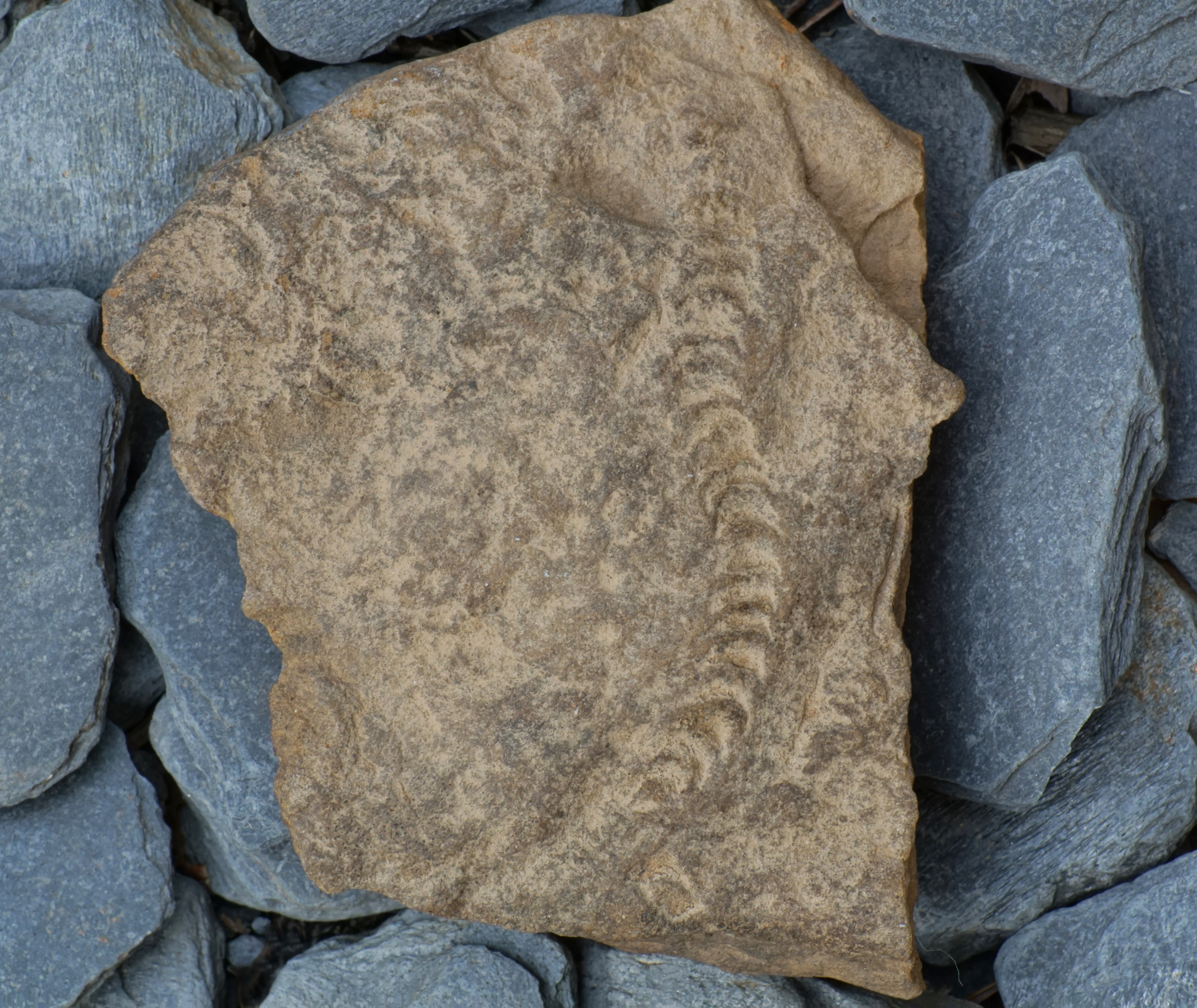
The paleontology community agrees that around 425 million years ago during the Silurian Period, the first animal to show evidence of breathing oxygen from the air was a millipede. A millipede fossil was first discovered by an amateur collector from Scotland in 2004. It exhibited tiny openings not visible to the eye which taxonomists refer to as spiracles for oxygen intake.
Comparison to Centipedes
Millipedes are detrivores, feeding on decaying plant material, and most of them live in moist habitats. Unlike their cousin centipedes, most are not predators, they don’t bite or have a poison sting. They are slower moving because their numerous legs are tiny in proportion to the rest of their bodies. Another difference is their bodies are rounded and not flat like that of centipedes. Also, centipedes have one leg per body segment, whereas millipedes have two per segment.
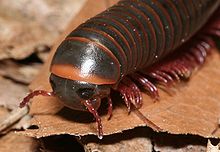
Although their name suggests they have thousands of legs, the truth is, they commonly have between 36 to 400, which is still a lot of legs! The (Narceus, americanus) millipede shown in the photograph is a rather large species which grows up to four inches in length. I think its rather cute. Anyway, the Giant African Millipede is the largest millipede today reaching up to 12 inches in length, but the largest ever discovered in the entire history of millipedes dwarfs the African Millipede. It lived during the Carboniferous Age and scientists estimate it grew 3 feet (1 meter) long and a meter wide. The Carboniferous Age of lush tropical forests must have contributed to its gigantic stature!
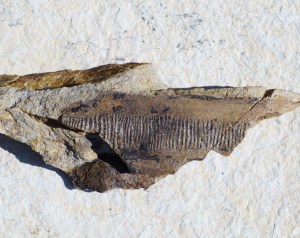
- Millipede Classification
- Kingdom: Animal
- Phylum: Arthopod (having segmented body, exoskeleton, jointed legs)
- Class: Myriapoda (means 10,000 legs)
- Class: Diplopoda (having two legs per segment)
- Family: Spirobolidae (mean cylyndrical or rounded back)
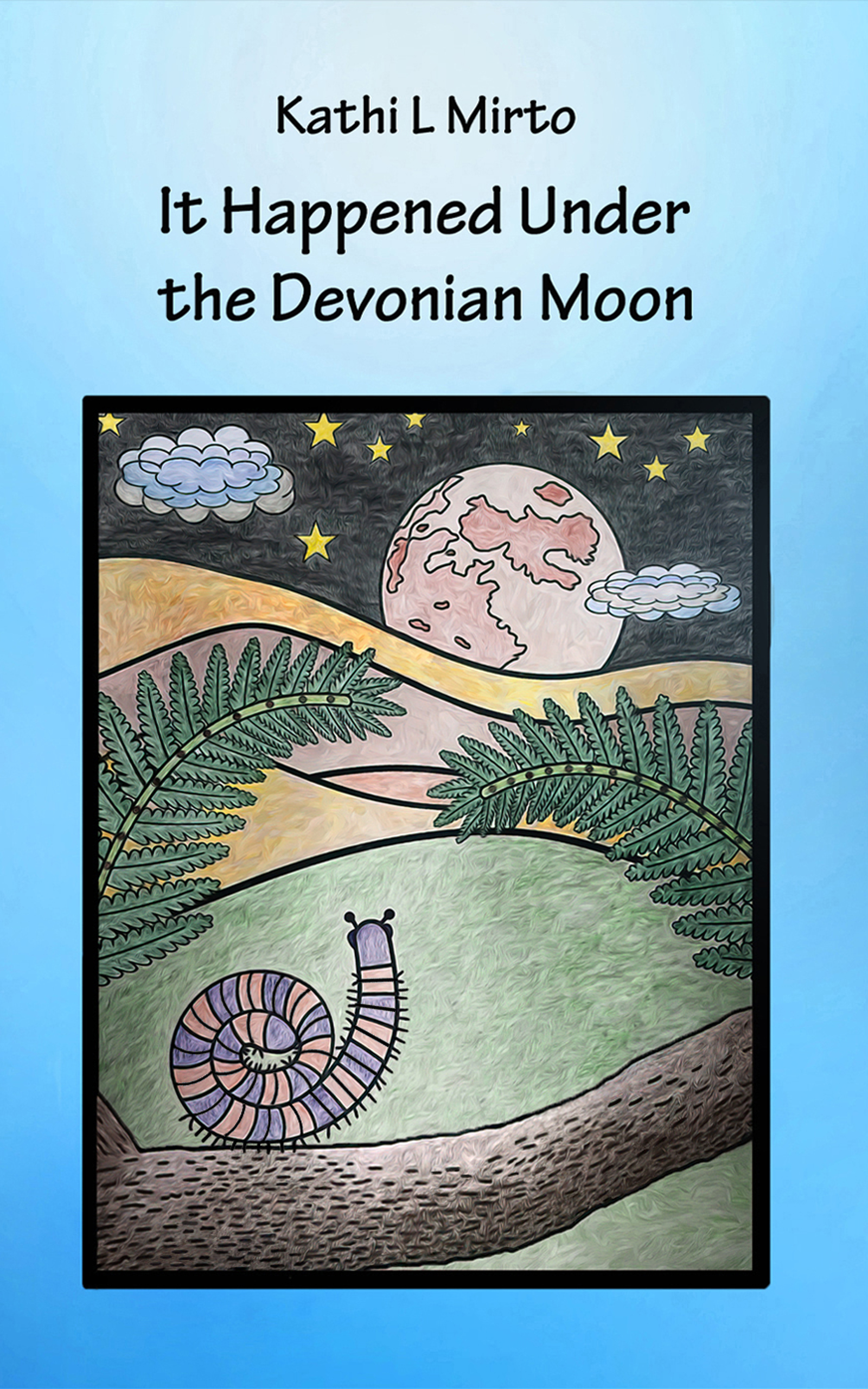
Check out my fiction book, one of two in a series, with factual prehistory insights blended with imaginative storytelling that entertains as it educates. Perfect for young explorers interested in fossils or young readers who simply like a good story, ages 11-13+. Also available, a coloring/activity book featuring scenes from both fiction books and many of the plants and animals that lived during the amazing Devonian Time Period; fossil photos and descriptions included, available on Amazon.com and IngramSpark.
All rights reserved © Fossillady 2026
 Fossil Lady