Cenozoic Porpoise Rib Fossils

Porpoise Rib Fossils
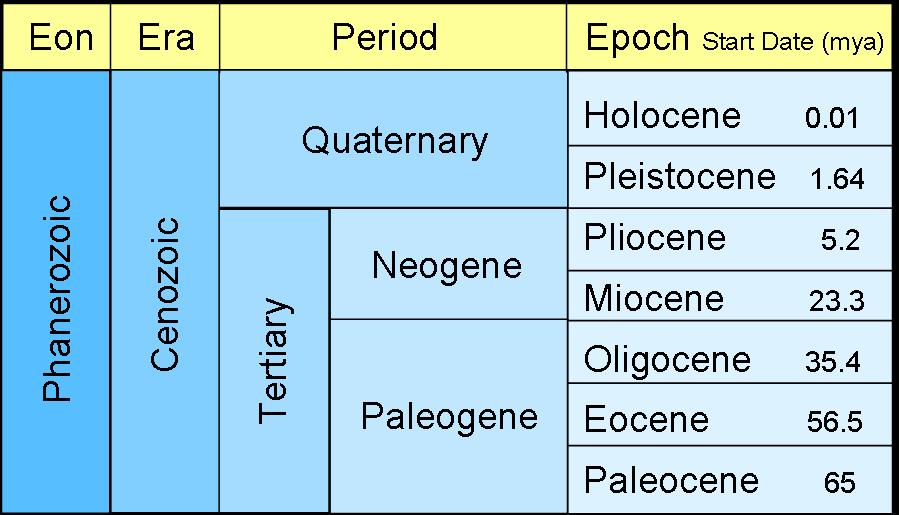
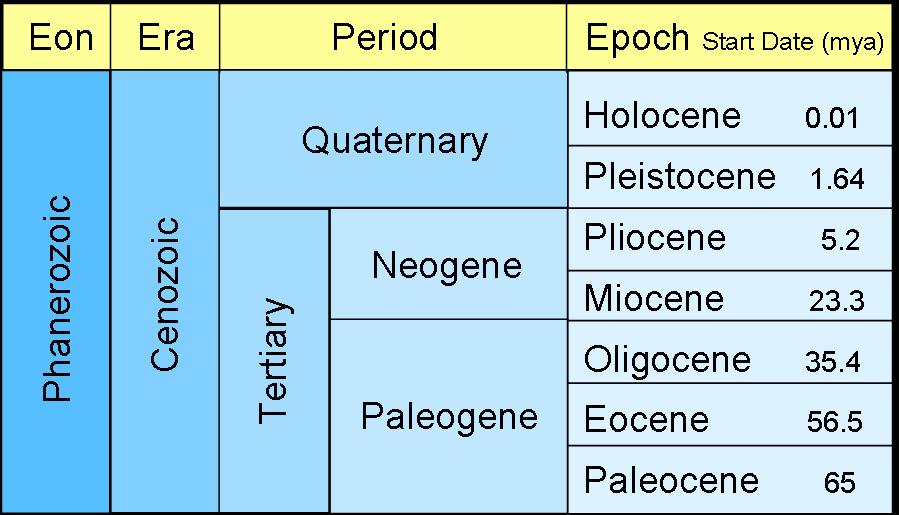
Cenozoic Timescale Source

Porpoise Fossil Location Discoveries

The Calvert Formation located within the Atlantic Coastal Plain region of Maryland, Virginia, and Delaware is best known for forming the fossil-rich Calvert Cliffs along the western shore of the Chesapeake Bay in Maryland. The lower Calvert Formation and the Calvert Cliffs of Maryland, middle-Miocene aged, are rich with porpoise fossils, including squalodonts (primitive shark-toothed porpoises). Modern-day type porpoise fossils, also, are consistently present there, indicating an environment of estuaries and rivers as ocean levels fluctuated along the coastal regions. Articulated (entire body) skeletons of porpoises are not uncommon throughout the Calvert Formation.

The Pungo River Formation in Beaufort County, North Carolina, also, has unearthed many porpoise fossils, including the river porpoises. Pertaining to my porpoise rib fossils, with the lack of enough related evidence, the above unearthing location or species are assumed without precision. Follow along for an overview of interesting porpoise evolution and facts.

Porpoise Evolution

Cetaceans (whales, dolphins, and porpoises) are an order of mammals that originated about 50 million years ago in the Eocene epoch. Even though all modern cetaceans are fully aquatic mammals, early cetaceans were amphibious, and their ancestors were terrestrial artiodactyls (an order of mammals that comprises the even-toed ungulates (hooved mammals). Hippos are thought to be the closest living relatives of cetaceans.

Cetacean species are divided into two groups:

(1) Baleen whales – these are the “great whales” and as their name suggests, they all have baleen plates that are used to filter food consisting of plankton and small species of fish.

(2) Toothed whales – are a suborder called odontocetes and include all species of dolphin and porpoise which eat larger prey, including at times, other marine mammals.

As a general rule of thumb, baleen whales are larger and slower than toothed whales. Additionally, all baleen whales have two blowholes, whereas toothed whales have only one.

Dolphin and Porpoise Comparison Sketch

Porpoise Vs Dolphin

Porpoises and dolphins have many similarities, for example, both are highly intelligent and use echolocation, but there are several differences, as a dolphin is not a porpoise and a porpoise is not a dolphin.

  • Porpoises are quite smaller than dolphins
  • Porpoises don’t have a pronounced beak that most dolphins possess
  • Porpoise teeth are spade-shaped whereas dolphin teeth are cone-shaped
  • Porpoises have a triangular dorsal fin and dolphins have a curved dorsal fin (except for those species that don’t have a dorsal fin)
  • Porpoise body form is slightly more chunky than the leaner, more slender dolphin body form
  • Porpoises are not vocal like the talkative dolphins
  • Porpoises are more closely related to narwhals and belugas
  • Porpoises belong to the Phocoenidae family. There are only six species of porpoises in the entire world. Oceanic dolphins, however, belong to the large Delphinidae family, which consists of at least 36 species worldwide! River dolphins belong to the Iniidae family with one living genus and four extinct genera

The Six Species of Extant Porpoises

  • Harbor porpoise, Phocoena phocoena, has a worldwide distribution including both eastern and western U.S. and Canada coasts within the temperate to arctic regions.
  • Dall’s porpoises, Phocoenoides dalliand, northwestern U.S. coast to China
  • Vaquita porpoise, Phocoena sinus, small range, Gulf of California in Mexico
  • Finless porpoise, Neophocaena phocaenoides, wide range of Indo-Pacific regions
  • Spectacled porpoise, Phocoena dioptrica, southern Atlantic to Indo-Pacific, sub-Antarctic regions
  • Burmeister’s porpoise, Phocoena spinipinnis, both coasts of South America, mid to southern regions

Scroll to Fossillady Categories “Fish Fossil” for information about four Cenozoic fish fossil species!

  1. Hypural Tuna Fishtail Bone Fossil
  2. Knightia Fish Fossil
  3. Dermal Denticle Ray-Fish Fossil
  4. Billfish Bill Fossil

All rights reserved © Fossillady 2026
Hypural Bone Fishtail Fossil Information and Interesting Related Facts

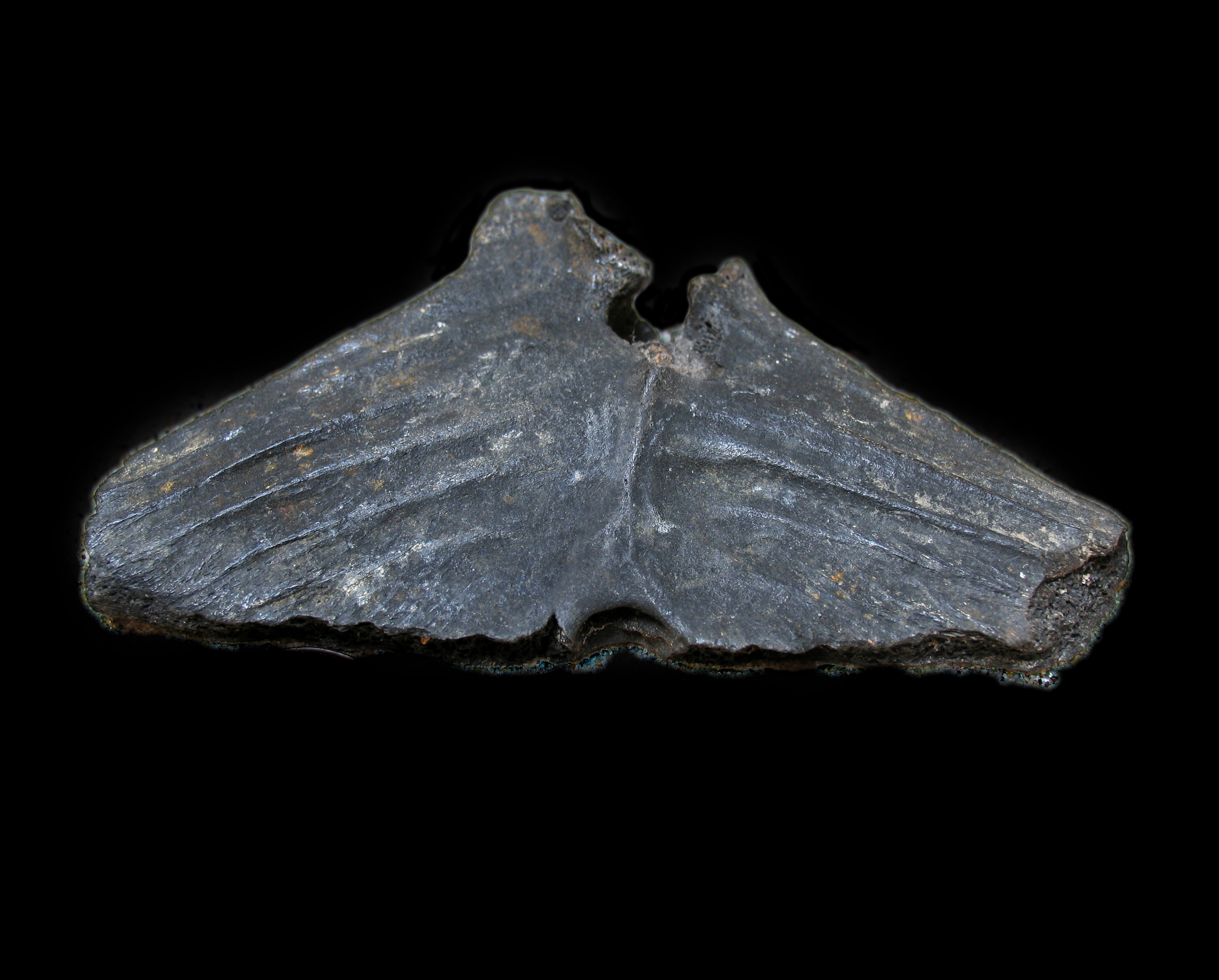
Hypural Fishtail Fossil Bone (4.5 inches (11.4 cm)
Cenozoic Time Scale

Hypural Bone Description, Body Location and Function

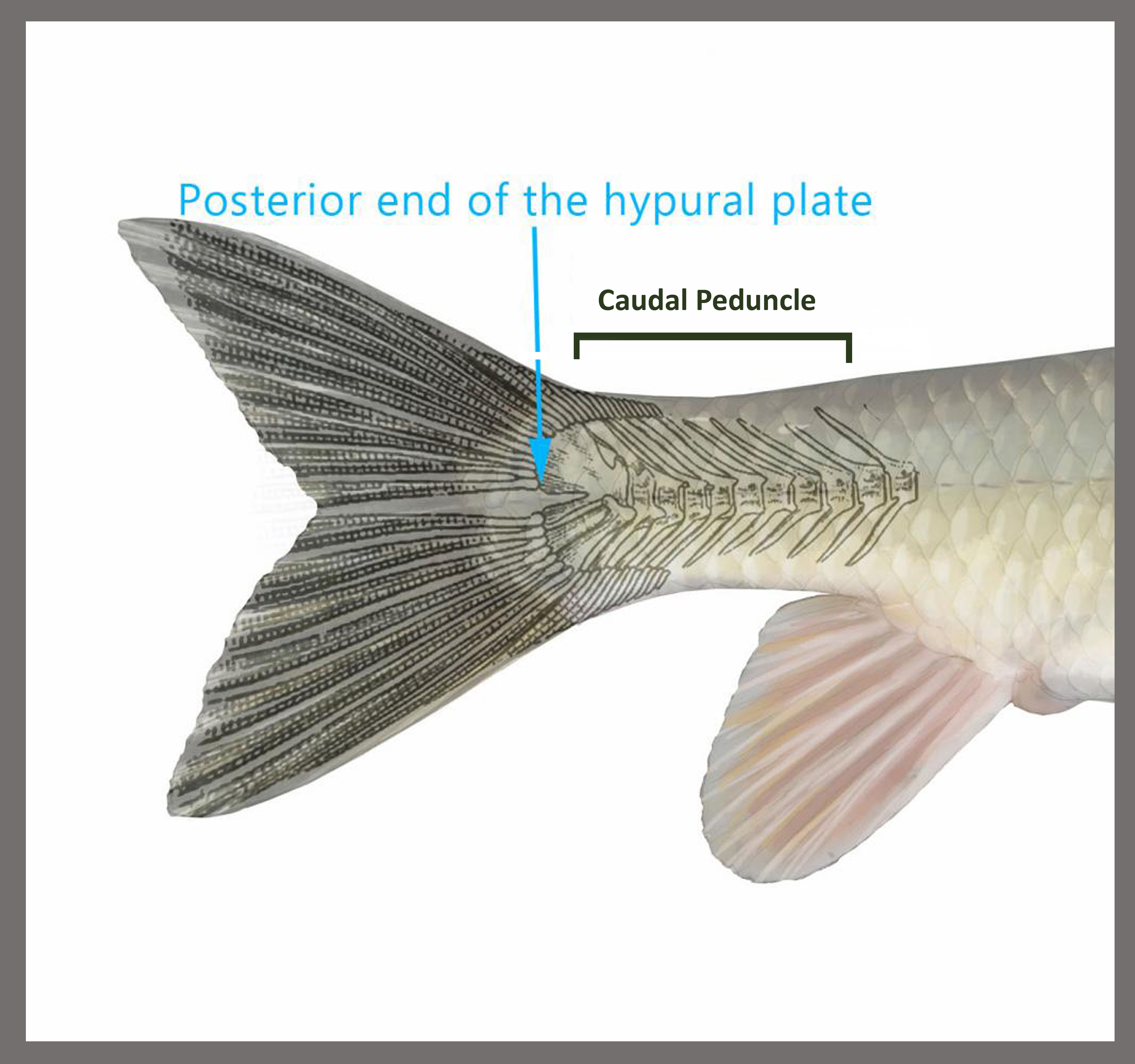
The hypural bone is a fan-shaped series of bones constituting an important part of the framework of ray-finned fish. The hypural bones are sometimes fused into one or two plate-like bones, such as with the case from my fossil collection, shown above. The hypural boney-plates join the last few vertebrae of the fish’s spine to the slender bony rays of the fish’s caudal fin. Caudal fin is a fancy scientific term for the tailfin. The caudal fin is attached to the end of the fish’s caudal peduncle by the hypural bone. The caudal peduncle is the narrow part of the fish’s body. The tailfin helps the fish steer, balance and propel. (See illustration below)

My hypural fossil was unburied in the Pungo River Formation, Aurora District, North Carolina, USA, dated from the early to middle Miocene Epoch around 23 to 14 million-years-ago. It is a large sample. I found a close match to the fossil of a tuna fish, Thynnus sp. posted by the Fossil Guy from the same location.

Tuna Facts

Tuna are a type of ray-finned bony fish belonging to the class or subclass of Actinopterygii. Ray-finned bony fish comprise over 50% of all living vertebrate species. The ray-finned fishes are so-called because their fins compromise webs of skin supported by slender bony spines (rays), as opposed to the fleshy, lobed fins that characterize the class Sarcopterygii (lobe-finned fish).

Tunas are teleost fish identified by their symmetrical forked tails with the upper and lower halves both exhibiting identical size.

Check out the list of a few common east Atlantic USA tuna species beginning with the largest and possible matches to the hypural fossil. You can check out the links from NOAA, National Oceanic and Atmospheric Administration, for information about their range, life cycle, population status, appearance etc.

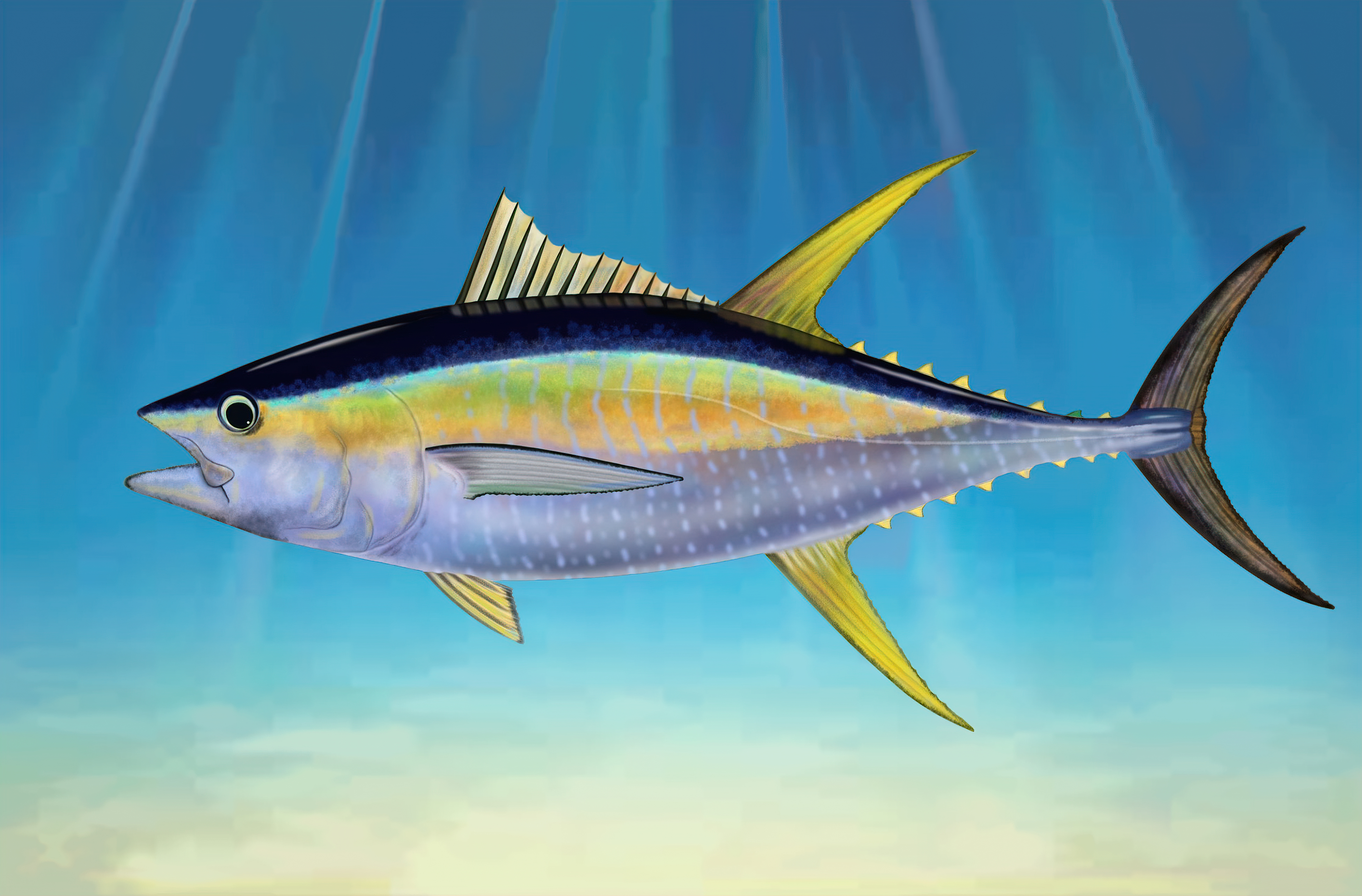
Atlantic Yellow Finned Tuna (Thunnus albacares)

Tuna Interesting Facts

In addition to the caudal fin, these high performance tuna fishes are equipped with finlets and keels. The finlets are small fins along the trunk that help the fish cut through the water. The keels can be described as a pair of lateral structures that rise slightly forward along the caudal peduncle which are a remarkable specialization in tunas, which, by the way, have also arisen in other fast-swimming marine animals.

  • Tuna are formidable predators with the ability to outmaneuver, outswim, and eat just about anything they can fit into their mouths!
  • Tuna can not only swim fast, but can reach remarkable distances as they migrate!
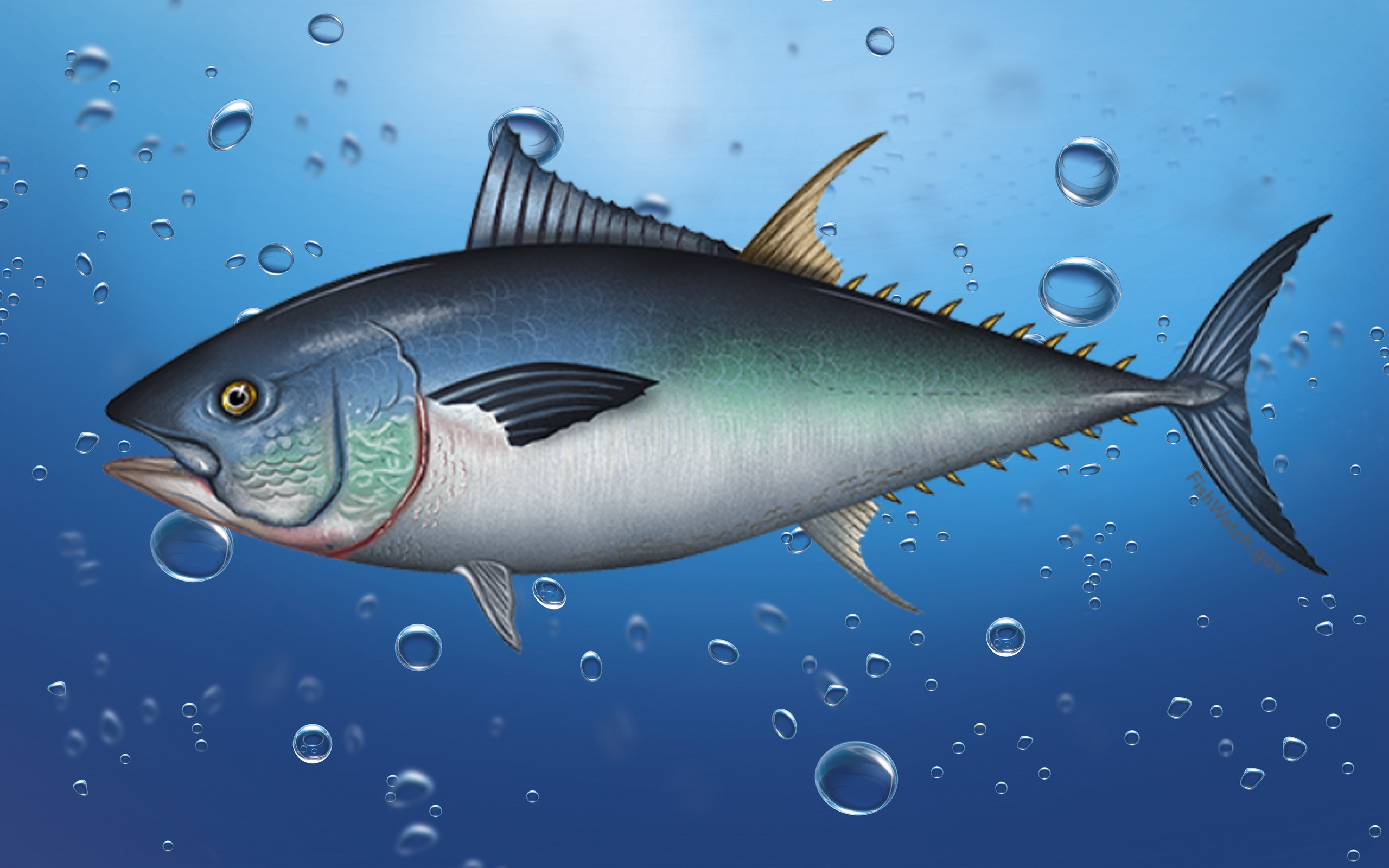
Western Atlantic Blue Fin Tuna (Thunnus thynnus)

Origins of the Bluefin Tuna and Evolution Development

The bluefin tuna originated from an exothermic ancestor. Exothermic means acquired heat source from the environment to stay warm. Earliest tuna fossils have been found in the Late Paleocene (65-55 mya) and Early Eocene (55-50 mya) epochs in the Tethys Sea deposits from the Middle East, southern Europe and the London clay formation. A close relative of the tuna, the earliest bonito fish, identified as Sarda palaeocenica were found in the region from the Early Paleocene. The extinct tuna-like fish, Paleothunnus parvidentatus, displayed characteristics common to both the tuna and the bonito, suggesting that the split of the tuna and bonito did not occur until the Early Eocene Epoch. Within 8-10 million years the two species diverged, forming the tuna genus Thunnus (Dickson and Graham).

Development of Endothermy in Tuna

As the oceans began to cool, warm waters began to compress into the tropics. In the Cenozoic Period, waters were the warmest at the end of Paleocene Epoch. The Tethys Seaway, a large tropical sea, began to shrink due to tectonic events and contributed to ocean cooling across the planet. Endothermy (body mechanisms other than shivering that generate heat internally) possibly evolved in tunas as a result of the need for migration and diving into colder waters for plentiful hunting grounds.

Because of the evolution of endothermy (internal heat sources) within the bluefin and other tuna, the fish are able to migrate across large distances. Dickson and Graham state that this has enabled the Atlantic Northern Bluefin Tuna to greatly expand its range and take advantage of the rich feeding areas in northern waters and warm spawning areas in the tropics, effectively expanding its thermal niche.

About Pungo River and Yorktown Formations

The Lee Creek Mine in Aurora, NC, is an open-pit phosphate mine operated by the Potash Corporation. The mine exposes two fossiliferous geological marine layers: the Pungo River Limestone (middle Miocene, Langhian age), and the Yorktown (lower Pliocene, Zanclean age) formations. The Pungo River Limestone and base of the Yorktown Formation are richly phosphatic and are commercially mined. These two units have yielded one of the most important assemblages of Neogene (between 23 and 2.6 mya) marine vertebrates in the world, including hundreds of species of sharks, rays, skates, bony fish, birds, sea turtles, estuarine crocodiles, seals, walruses, dolphins, and baleen whales. These fossils are found on-site as well as in reworked sediments in the spoils leftover from the mining. Unfortunately, the mine has been closed to the public since 2009.

Partial list of other Miocene bony fish fossils discovered in and around the U.S. Eastern Atlantic Coastline of South Carolina and North Carolina, as well as Maryland and Virginia.

  • Burrfish, Filefish, Tilefish, Pufferfish
  • Marlin, Sailfish, Boxfish, Sturgeon
  • Anglerfish, Bonita, Tuna, Bowfin
  • Catfish, Hake, Toadfish, Needlefish
  • Sea Robin, Bass, Bluefish, Barracuda
  • Boxfish, Goosefish, Toadfish, Pinfish