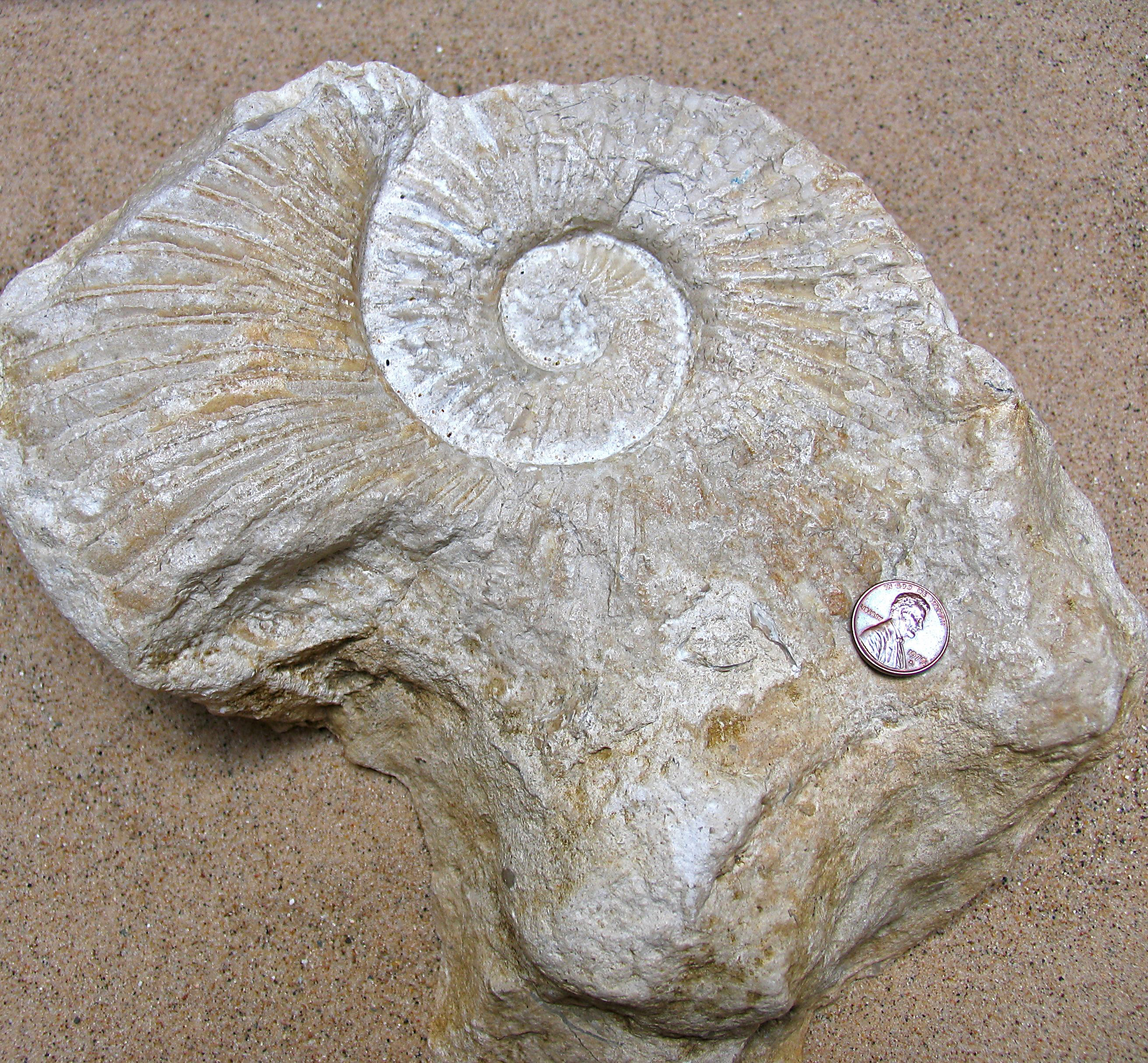
Manuicera sp. lived in the ancient seas when the dinosaurs walked the earth. In general, the ammonite’s abundance peaked during the Cretaceous Period between 145 to 66 million-years-ago. But according to the fossil records, their incredible long history began as early as 440 mya during the Silurian Period.
This Manuicera sp ammonite fossil was unearthed from a dried up riverbed in the state of Arkansas; they have also been unearthed in the state of Texas. Both of these U.S. states lie within the limestone Goodland Formation where many other Cretaceous fossils have been discovered. Originally, I mistakenly identified the fossil as, Dufrenoy justinae, but that was when I was newer to the field with a less discerning eye and research skills. So there you go.
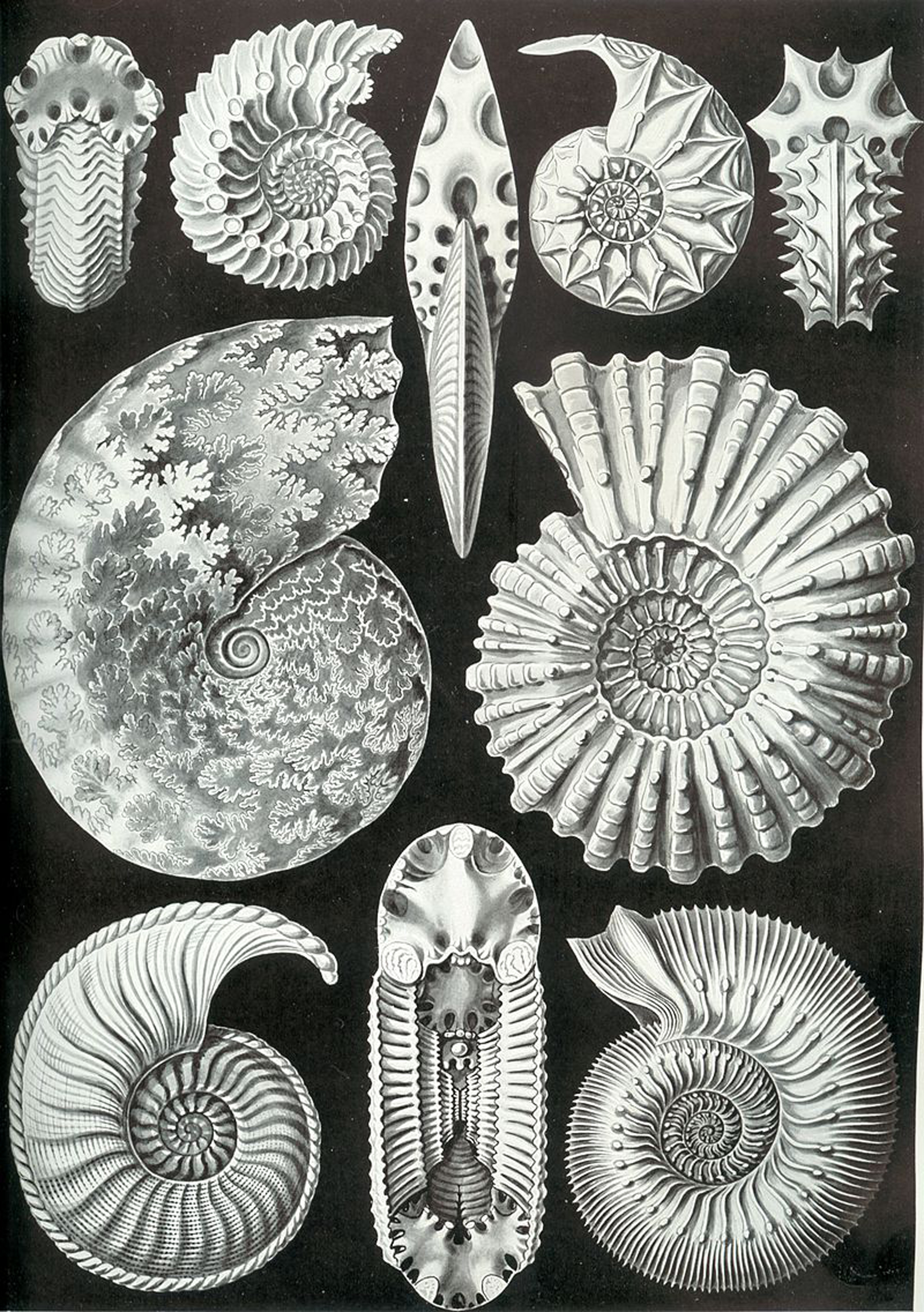
The amazing illustration above shows how ammonites vary greatly in the ornamentation (surface relief) of their shells. Some may be smooth and relatively featureless, except for growth lines. In others, various patterns of spiral ridges and ribs or even spines are shown.
Numerous ammonite fossils have been unearthed boasting a worldwide distribution which indicates the theory of continental drift. Due to their abundance of an estimated 10,000 species, scientists use them as date markers for other fossils along the same rock layers.
Ammonites grew from a few inches in diameter to the size of truck tires.
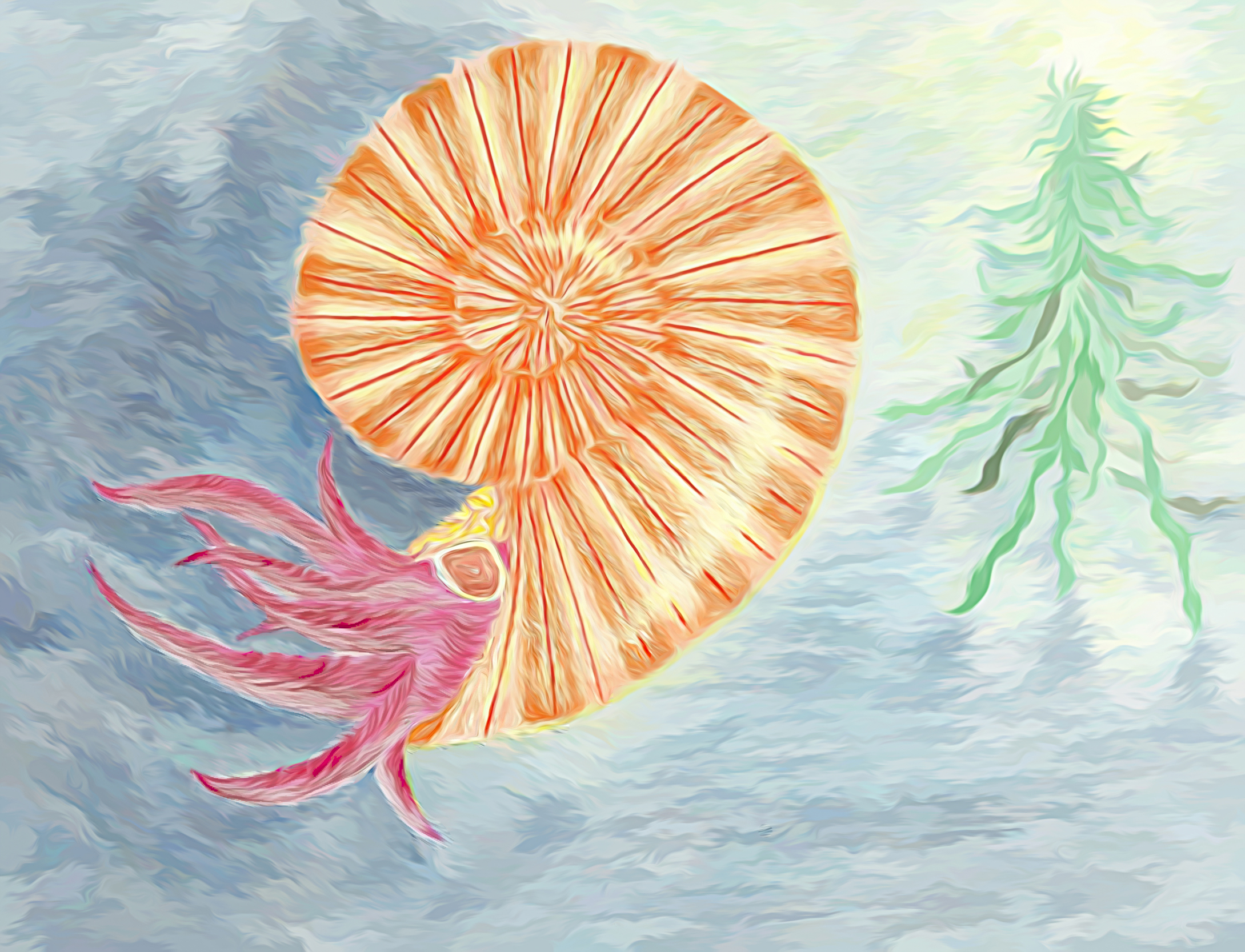
Manuiceras CLASSIFICATION
- Phylum: Mollusk (soft body of invertebrate animal encased in shell)
- Class: Cephalopod (means prominent head and tentacles, i.e. octopus, squid, cuttlefish, nautilus)
- Order: Ammonitida (characterized by thick ribbed and patterned shells)
- Family: Acanthoceratidae (known for their thick, ribbed shells, which were common during the Cretaceous period).
- Genus: Manuiceras
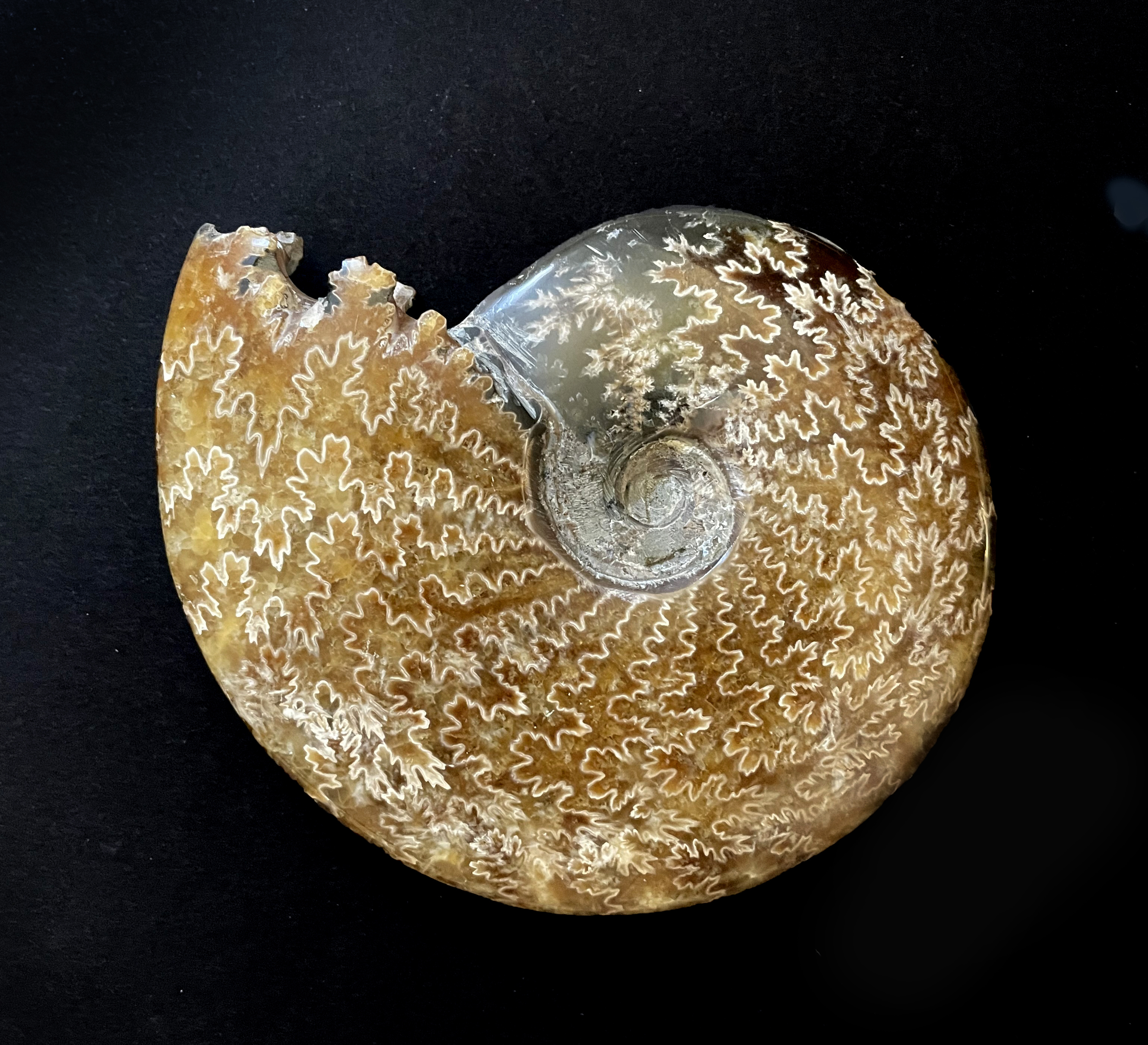
Cleoniceras sp ammonite fossil is approximately 110 million years old from the early Cretacous Period unearthed in Mahajanga Province of Madagascar, Africa. It is characterized by spiraled, high-whorled, tightly coiled shells with distinct wavey ribs. These marine cephalopods are often found polished, revealing iridescent internal chambers filled with calcite or aragonite.
For additional information about these incredible marine animals, see my other article Amazing Ammonites .
All rights reserved © Fossillady 2026
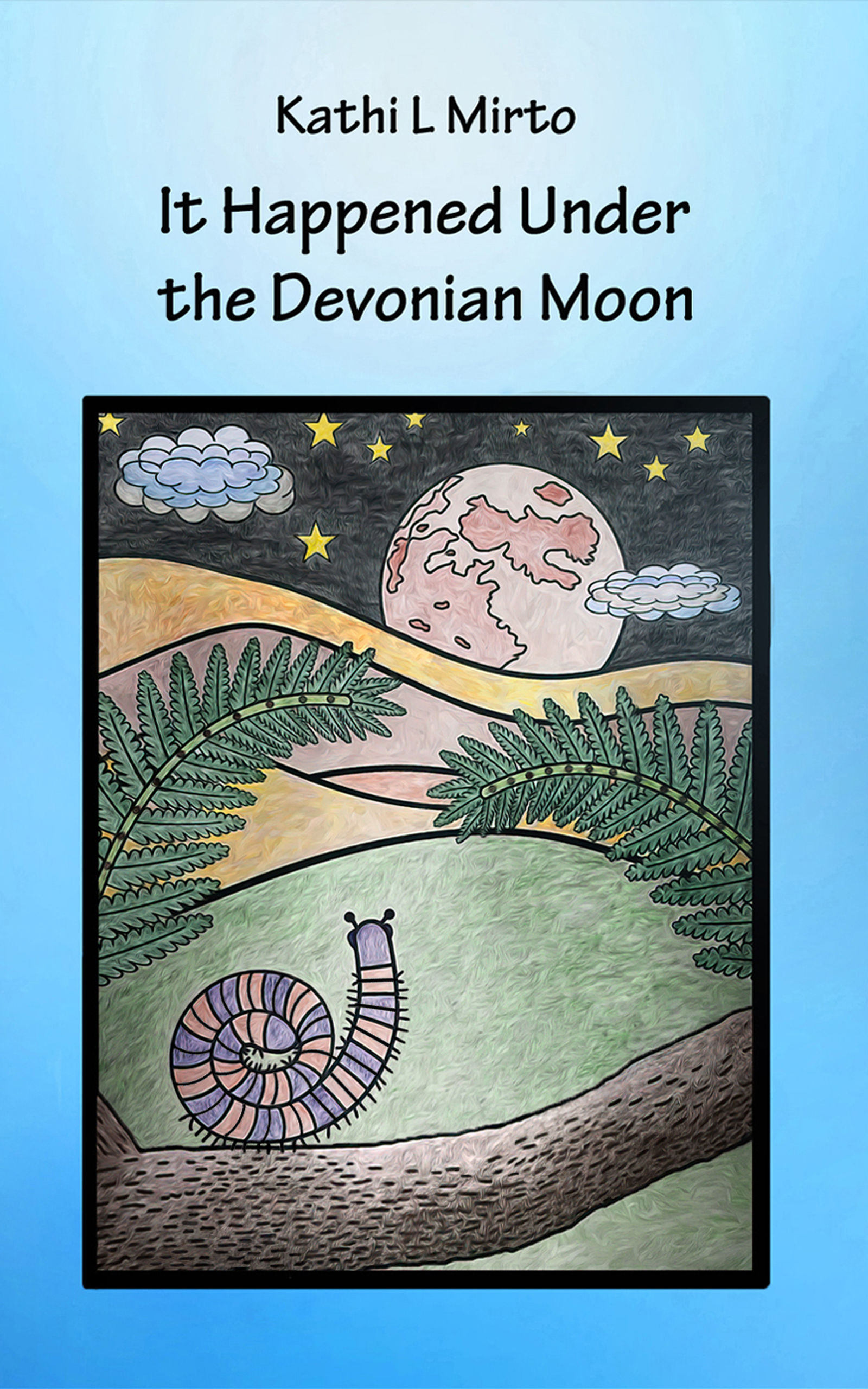
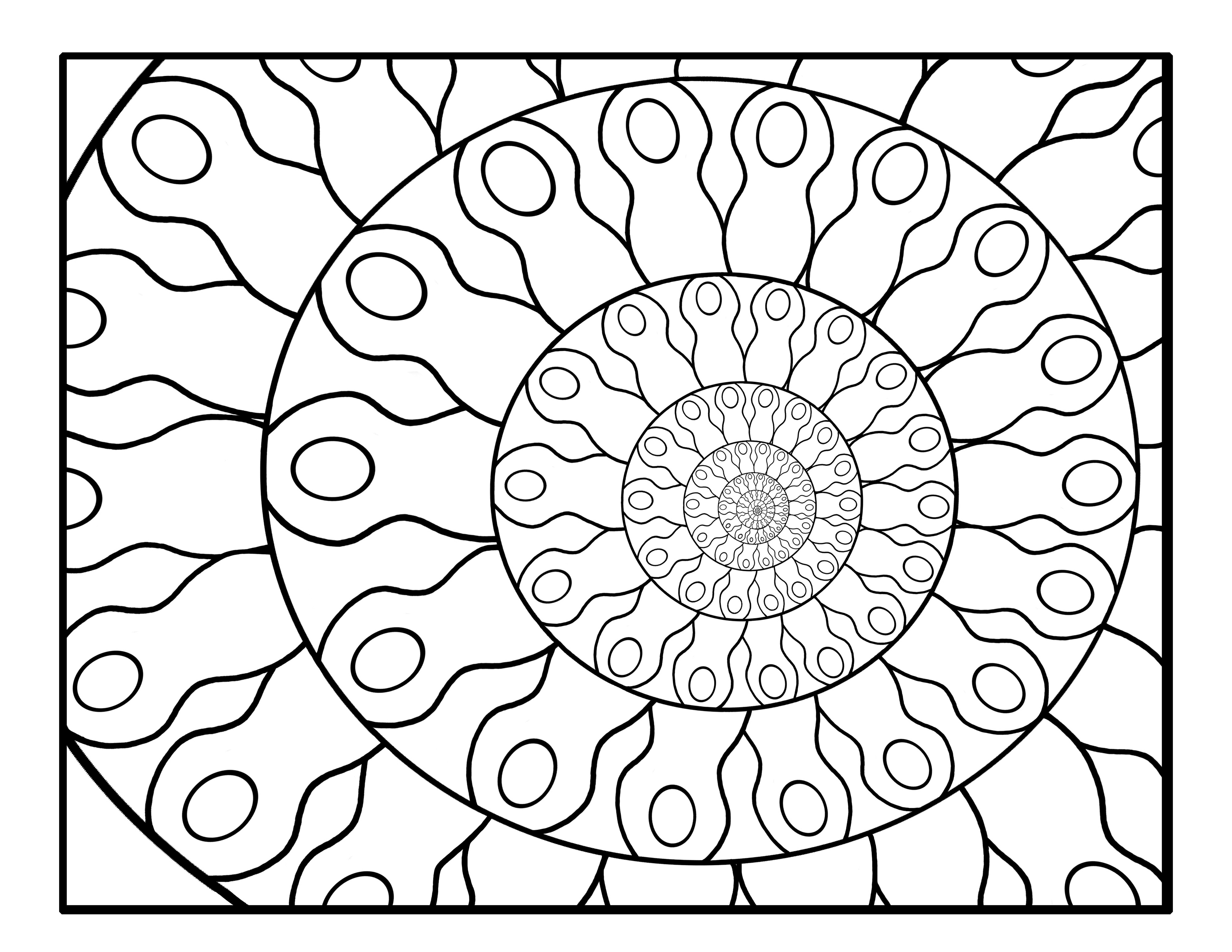
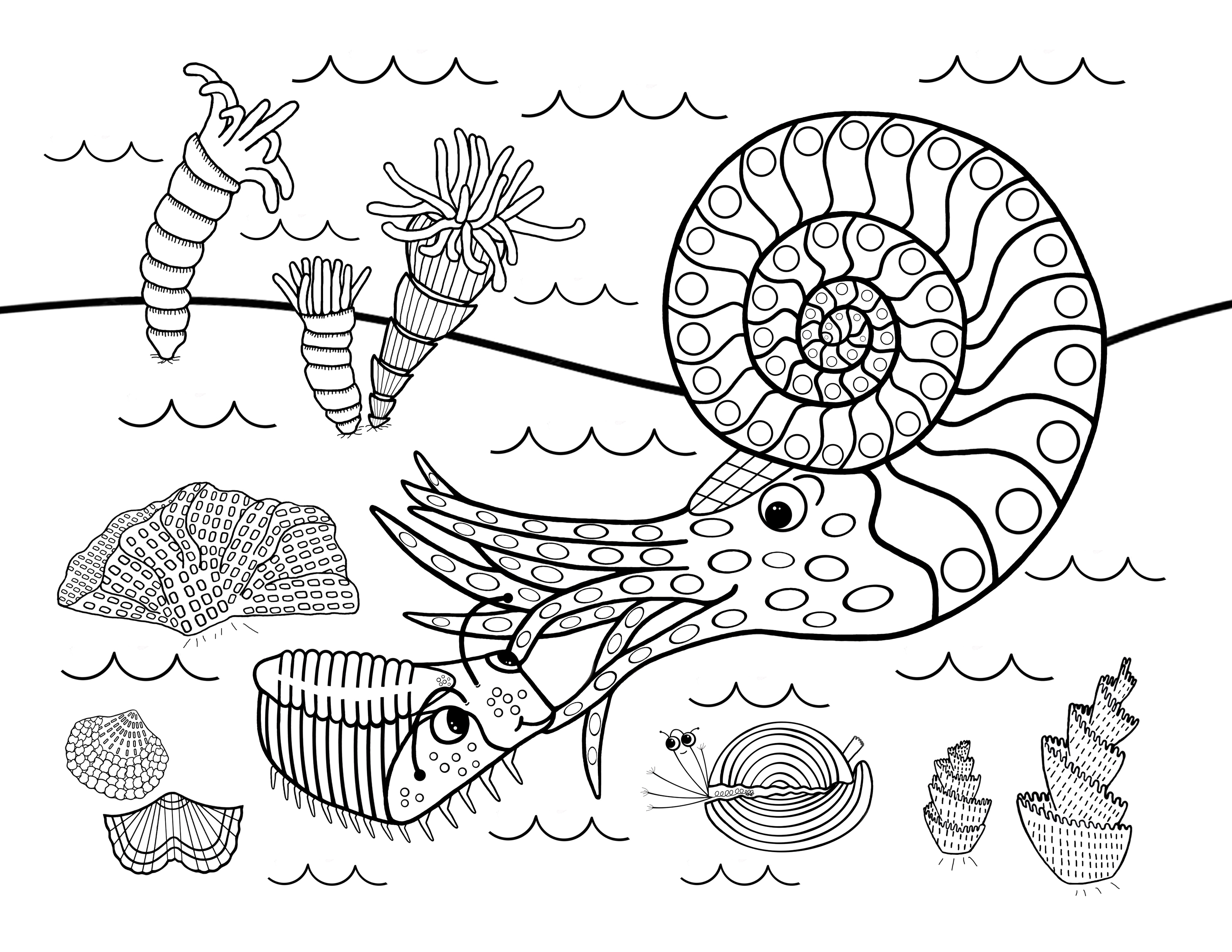
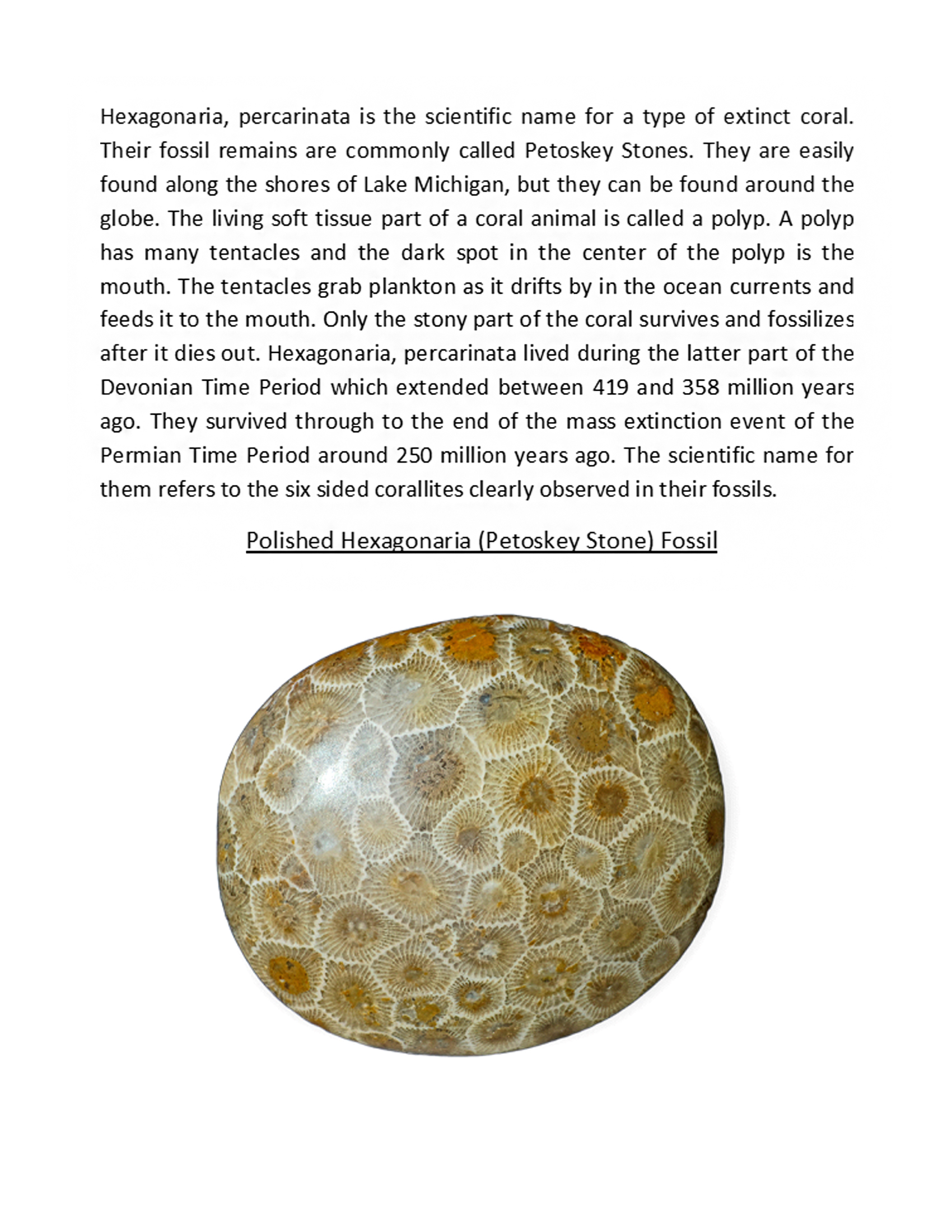
Check out my two fiction books blended with prehistory insights and imaginative storytelling that entertain as they educate. Geared toward young exlporers interested in early life and fossils, or young readers who simply like a good story; ages 11-15+. Also available, a coloring/activity book featuring scenes from the books along with many of the plants and animals that lived during the amazing Devonian Time Period; fossil photos and descriptions included. Available on Amazon.com


All rights reserved © Fossillady 2026
 Fossil Lady