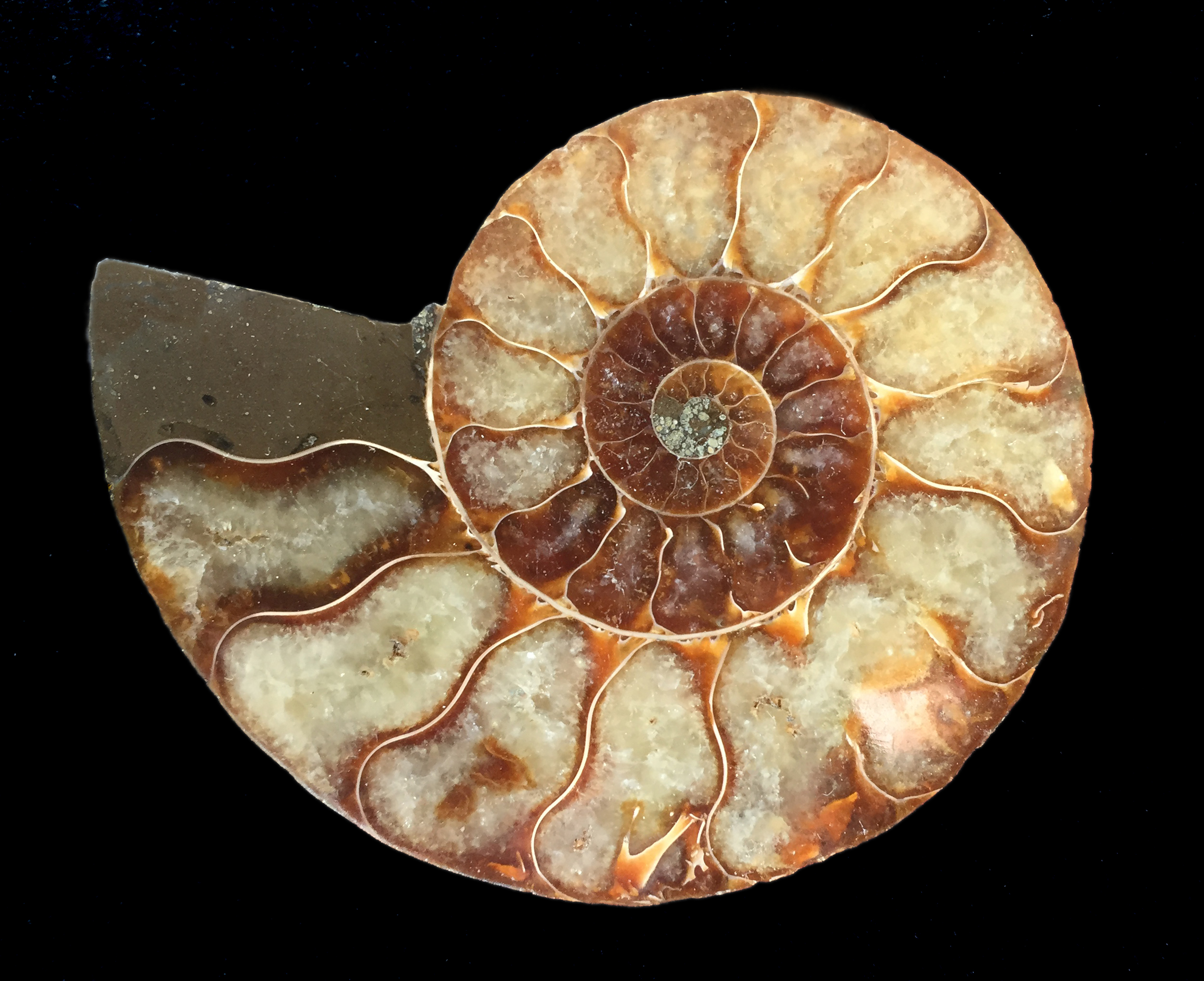
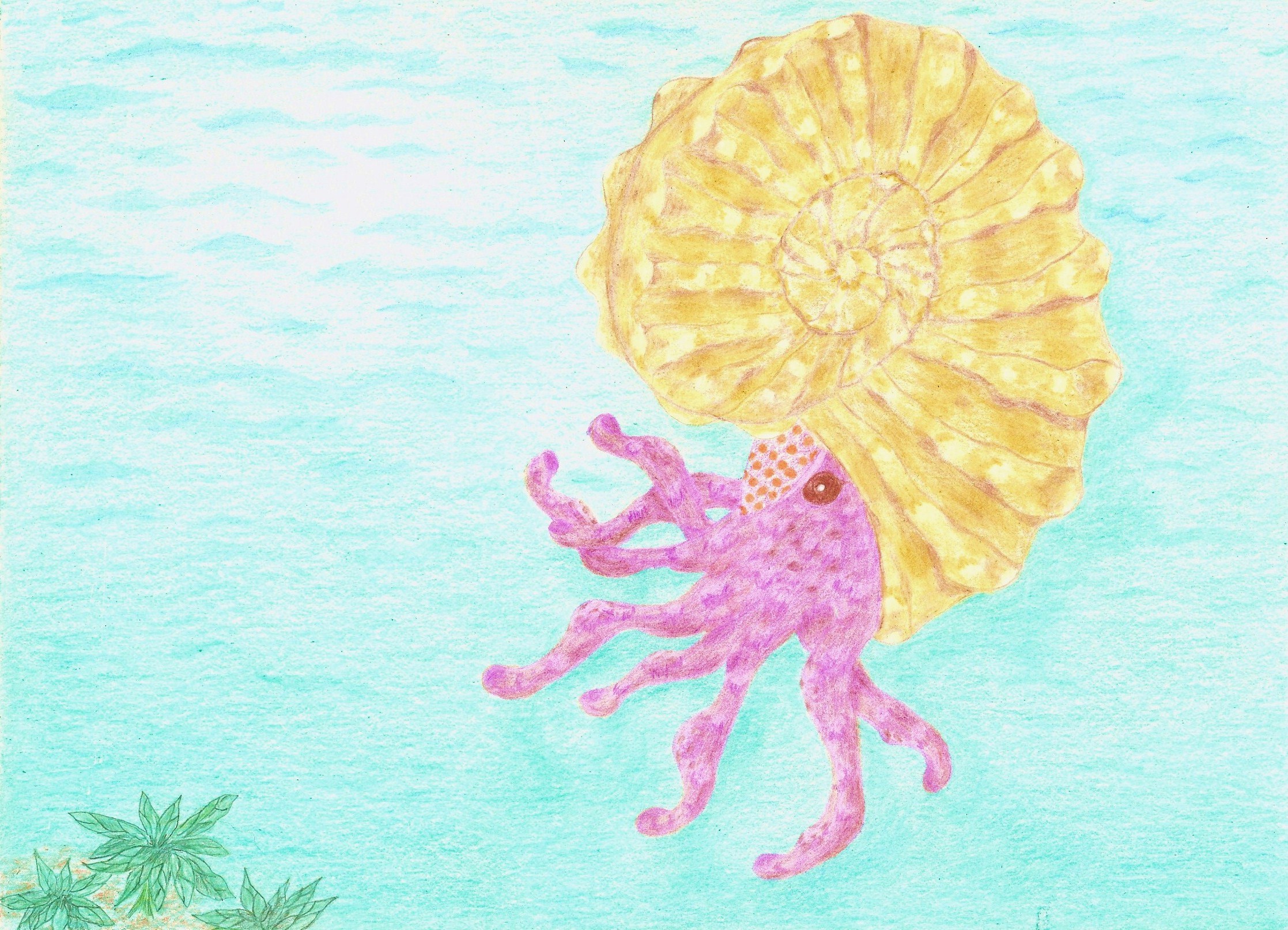
Ammonites are an extinct marine shelled mollusk animal belonging to the class of cephalopods related to today’s squids, octopus, cuttlefish and the nautilus. Ammonites moved in short spurts using a method of jet propulsion by siphoning the ocean water into the inner chambers of their shells and then pushing the water out powerfully through a tube structure called a siphuncle. These inner chambers held water and special gases which helped the animal descend deep down into the ocean depths and reversely, float upward to shallower depths by filling and releasing the gases and water in and out of the chambers.
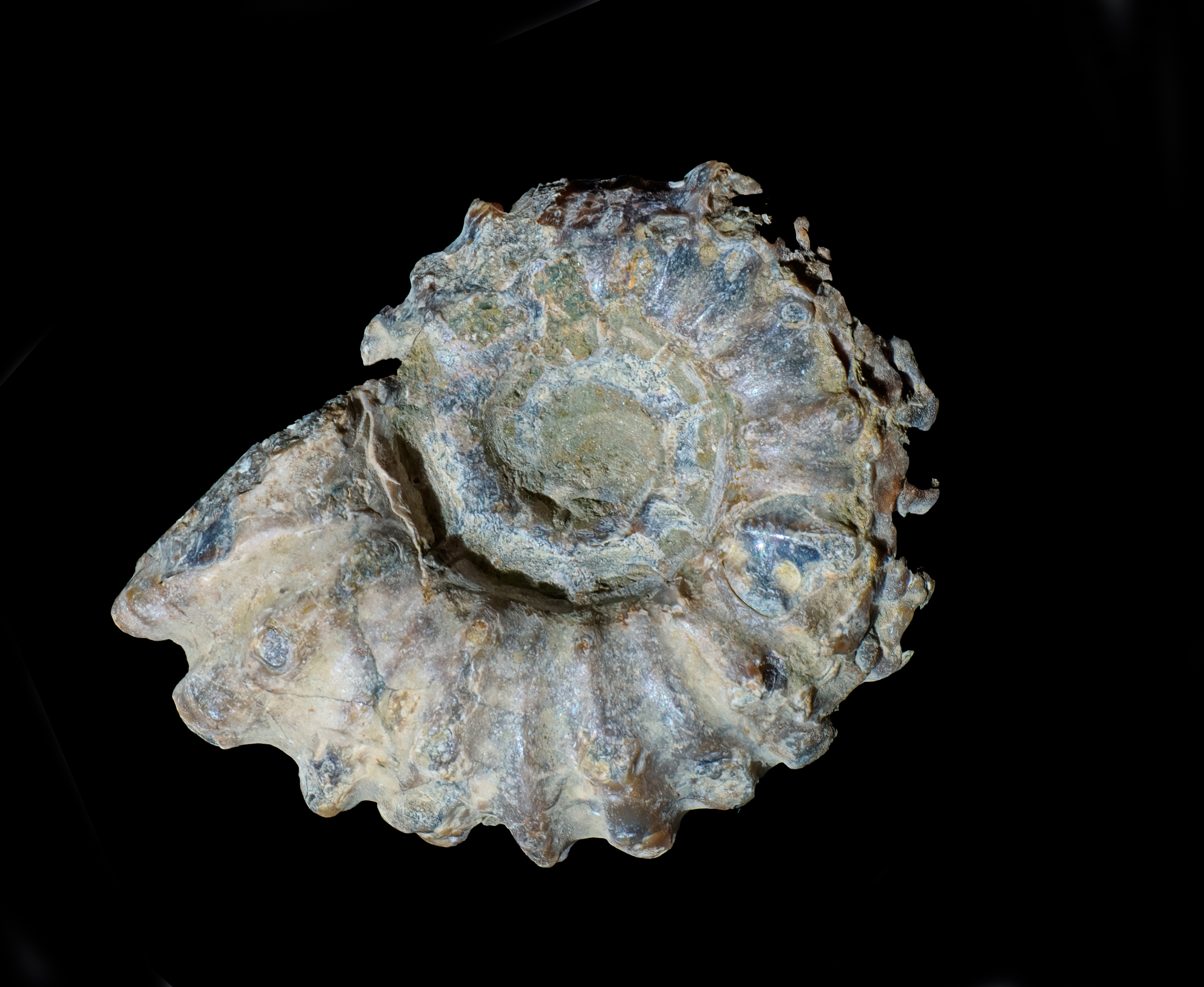
The Douvilleiceras, mammilatum ammonite fossil shown below possessed well-defined growth patterns over its outer shell in the form of knobs or sutures. Douvilleiceras’ spiny knobs are thought to be an indicator of a hostile environment. It lived during the early Cretaceous Period (112–100mya) and was unearthed in Madagascar, Africa within the Albian Era Formation.
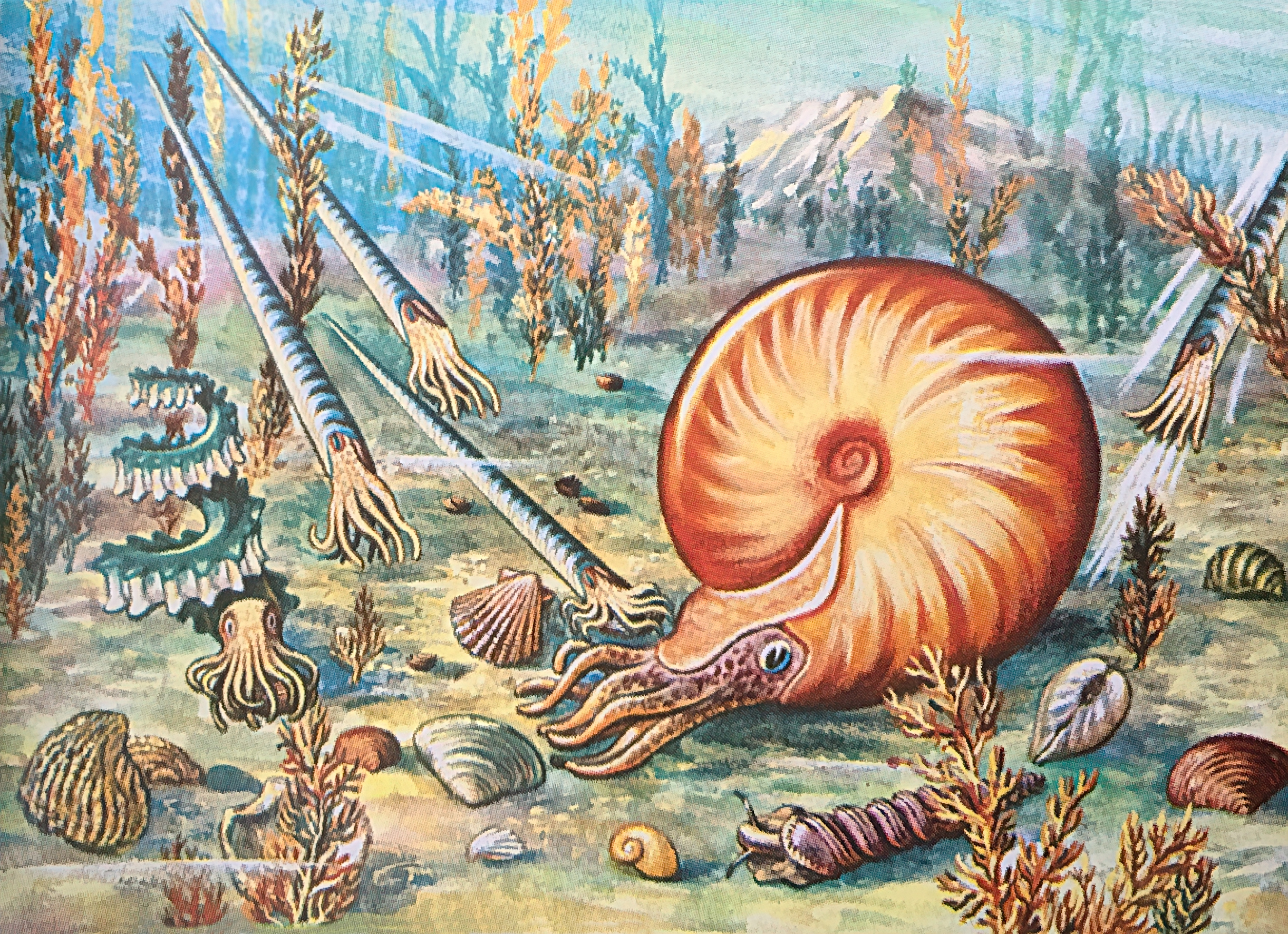
Ammonites lived during the Paleozoic and Mesozoic Eras, more specifically from the Devonian period around 419 million years ago reaching their zenith and also their extinction during the Cretaceous period around 66 million years ago along with the dinosaurs. They were descendants of their cousin straight-shelled nautiloids developing a coiled shells which allowed them more agility and maneuverability than their predecessors within the oeanic environments.
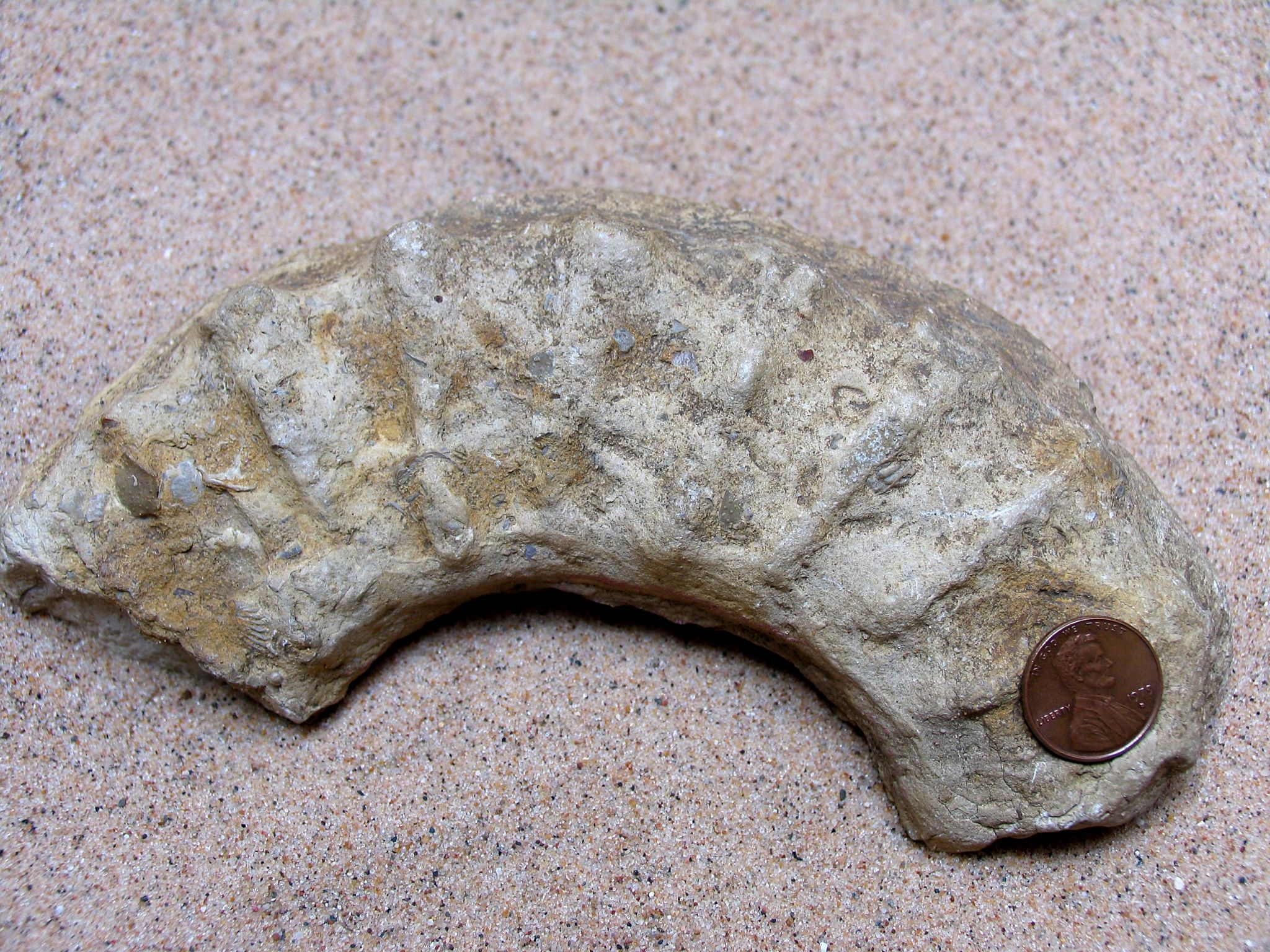
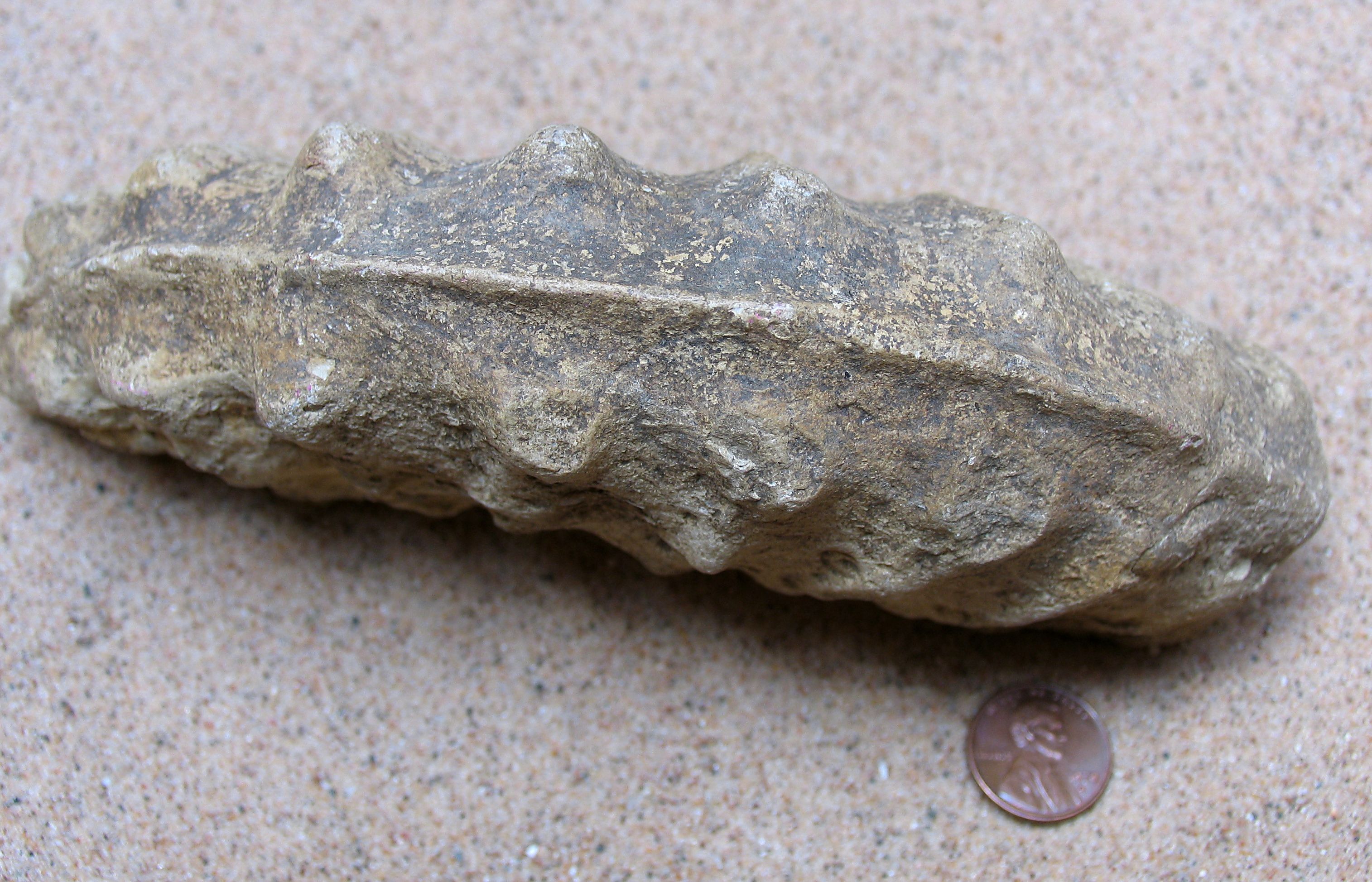
The above fossil is a broken section of an ammonite’s shell belonging to the genus, Mortoniceras sp. It was unearthed in the state of Arkansas in a dried up riverbed within the limestone Goodland Formation. The shell is characterized by deep keels and ribbing. It lived mainly during the Cretaceous Period (145 to 66 mya). As with all the ammonites, its fate was doomed side by side with the dinosaurs.
The siphuncle tube was also used to regulate buoyancy by controlling the amount of gas and water in the animal’s inner chambers. It lay along the outer rim of the ammonite’s shell.
Multi-purpose Tentacles
The ammonites were ocean predators grabbing their victims with precision and crushing them with their long, powerful tentacles. These tentacles contributed to another important function. They contained special sensors which facilitated their ability to navigate and locate prey in the vastness of the ocean.
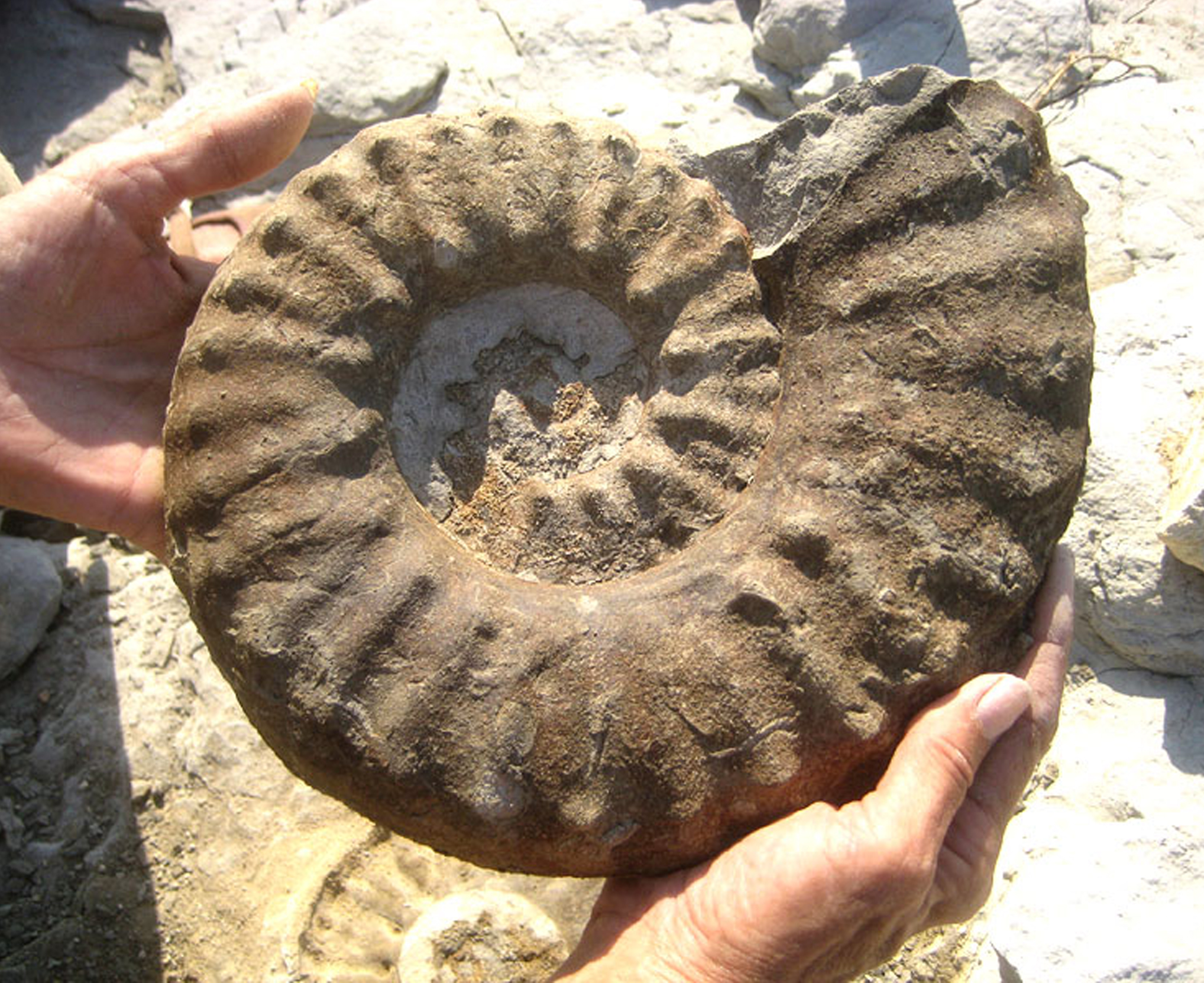
- Above photo shows a complete sample of Mortoniceras sp from the state of Texas, Fort Worth Formation, Tarrant County
Ammonites possessed large heads and are assumed to have been highly intelligent much like their modern day cousins including octopuses, squids, cuttlefish and the nautilus. Scientist debate whether ammonites contained ink sacs for defense.
CLASSIFICATION
- Phylum: Mollusk (large diverse group of invertebrates possessing a shell, i.e. clams, snails, oysters, etc.)
- Order: Ammonitida (characterized by thick, ribbed patterned shells)
- Class: Cephalopod (means prominent head and tentacles, i.e. octopuses, cuttlefish, squids, nautilus)
- Family: Brancoceratidae
- Genus: Mortoniceras (characterized by deep keels, tubercules (knobs) and ribbing)
For additional ammonite photos, species and interesting facts, scroll to the bottom of this article when searching under the “Categories” section “Ammonite Fossils” otherwise, click HERE.
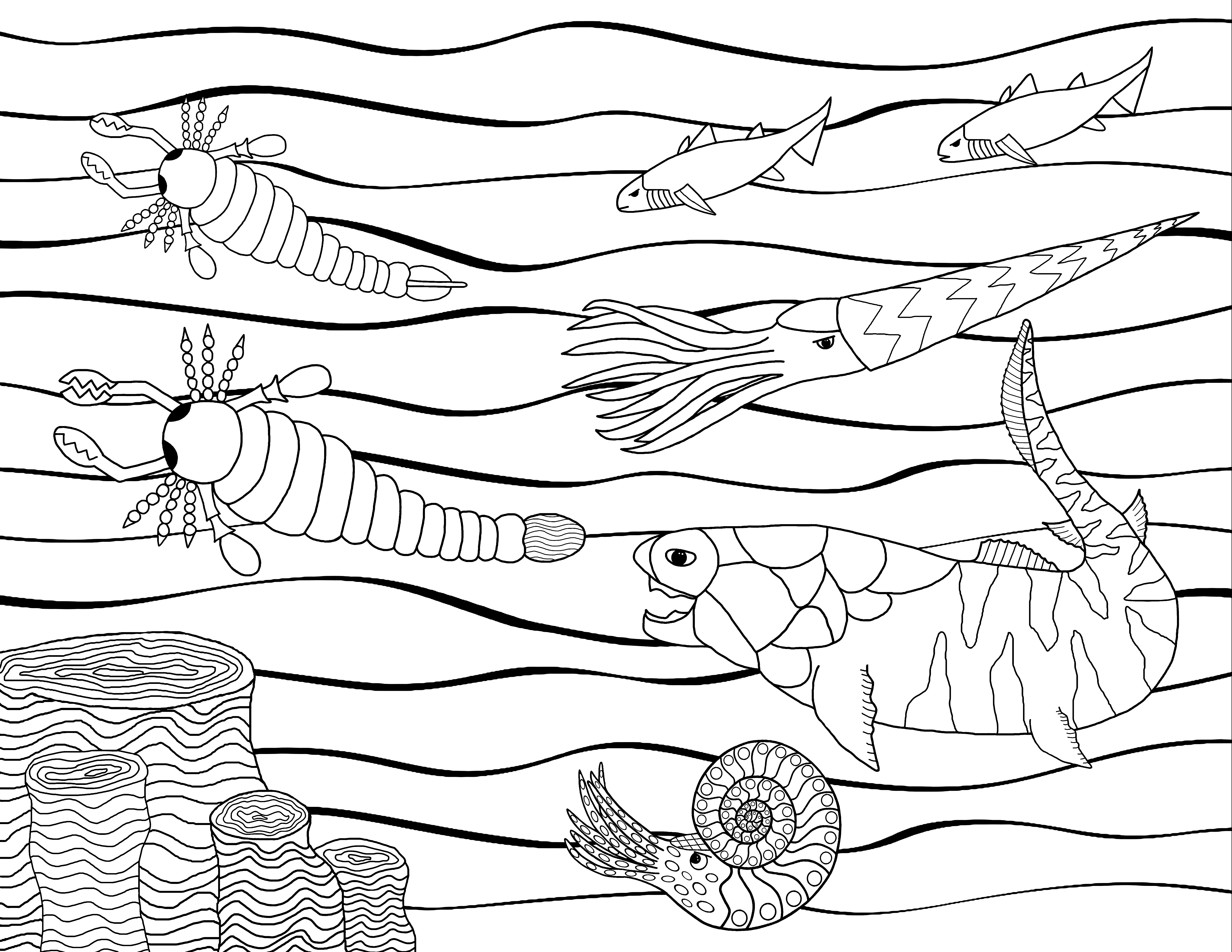
Check out my two fiction books blended with prehistory insights and imaginative storytelling that entertain as they educate. Geared toward young exlporers interested in early life and fossils, or young readers who simply like a good story; ages 11-15+. Also available, a coloring/activity book featuring scenes from the books along with many of the plants and animals that lived during the amazing Devonian Time Period; fossil photos and descriptions included. Available on Amazon.com


All rights reserved © Fossillady 2025
 Fossil Lady