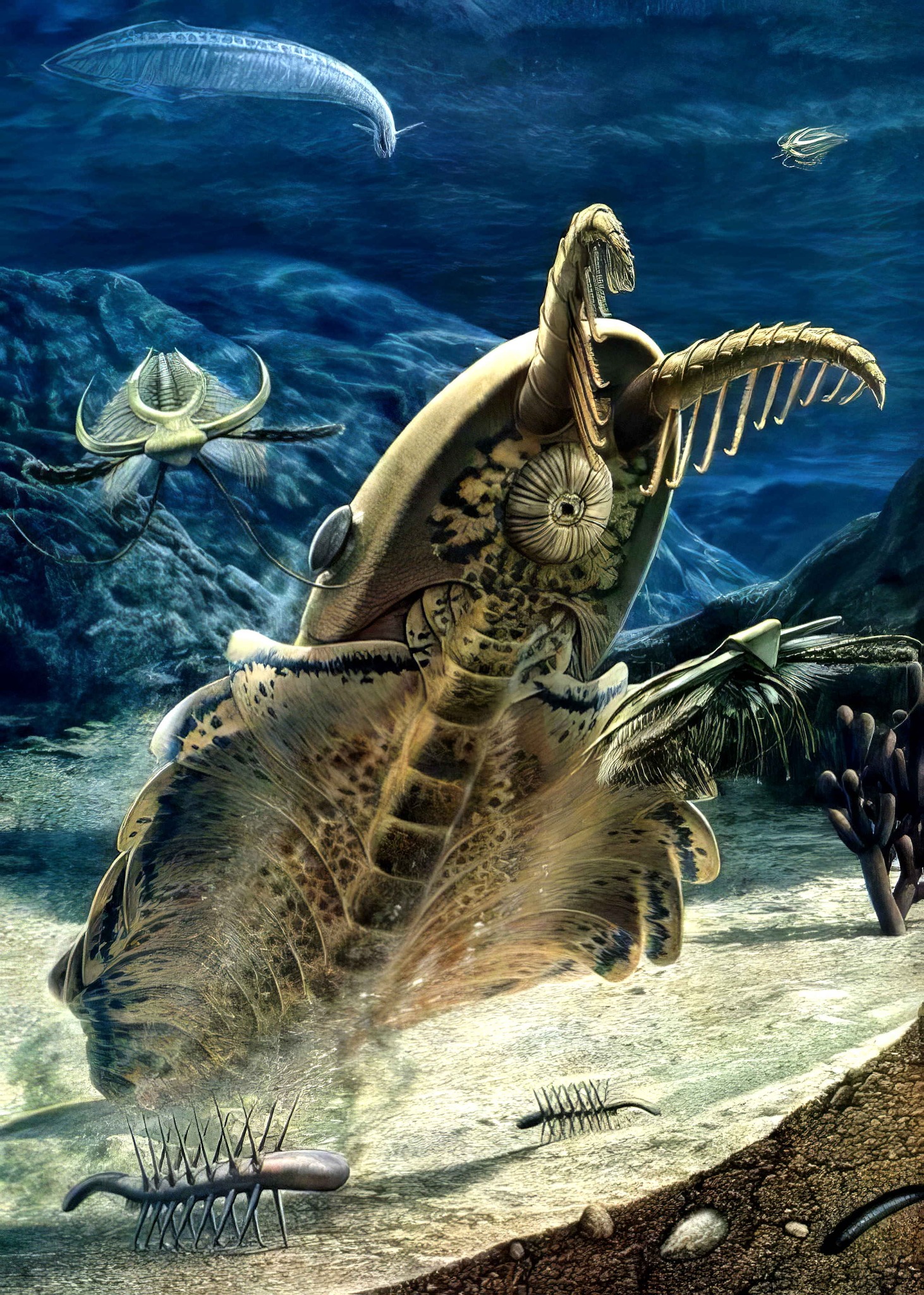
1. Strange Anomalocaris
Anomalocaris canadensis dominated the Cambrian period seas for tens of millions of years beginning approximately 540 mya. It grew to only two feet (60 cm) long, which doesn’t seem very big by today’s standards, but in relation to every other organism during the Cambrian, it was a giant.
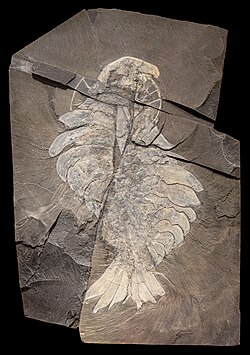
Interesting history of its stalled scientific discovery: A segment fossil of Anomalocaris canadensis was first discovered in the Canadian Rockies in 1892, but it wasn’t until 1981 that a major breakthrough about its identity occurred; and that was further refined in 1996. This one hundred year history of inaccurate theories is but one example of the difficulty identifying fossil remains of Cambrian organisms having no apparent living descendants. Anomalocaris and other genera have since been discovered at various Cambrian fossil locations around the world, including the famous Burgess Shale site in the Canadian Rocky Mountains, the USA, China, and Australia.
Photo: Anomalocaris Canadensis Complete Fossil Specimen
Anomalocaris with its large eyes, impaling front spines and strong swimming lobes probably could overtake any prey during its lifespan, including trilobites. Except, some scientists argue that its pineapple-ring mouth did not have hard parts necessary to crush the tough outer shells of trilobites. Much still remains to be clarified about their anatomy and habits. Scientists believe it swam with an “S” method of locomotion, undulating up and down the length of its body.
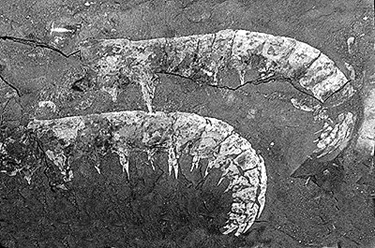
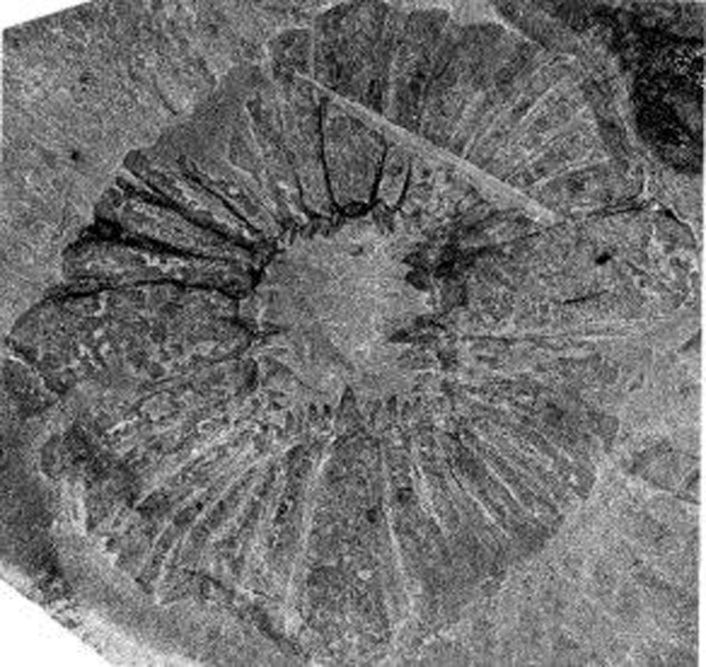
Fossils of Anomalocaris Front Spines and Mouth
Watch the video below to observe Anomalocaris unique movement in the water!
2. Straight Shelled Nautiloid “Giant Orthocone”
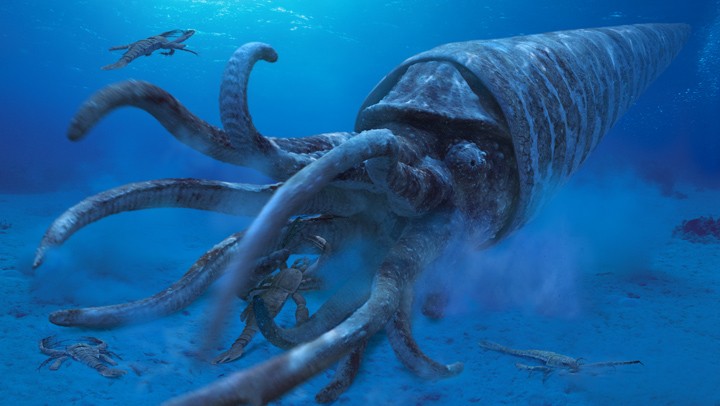
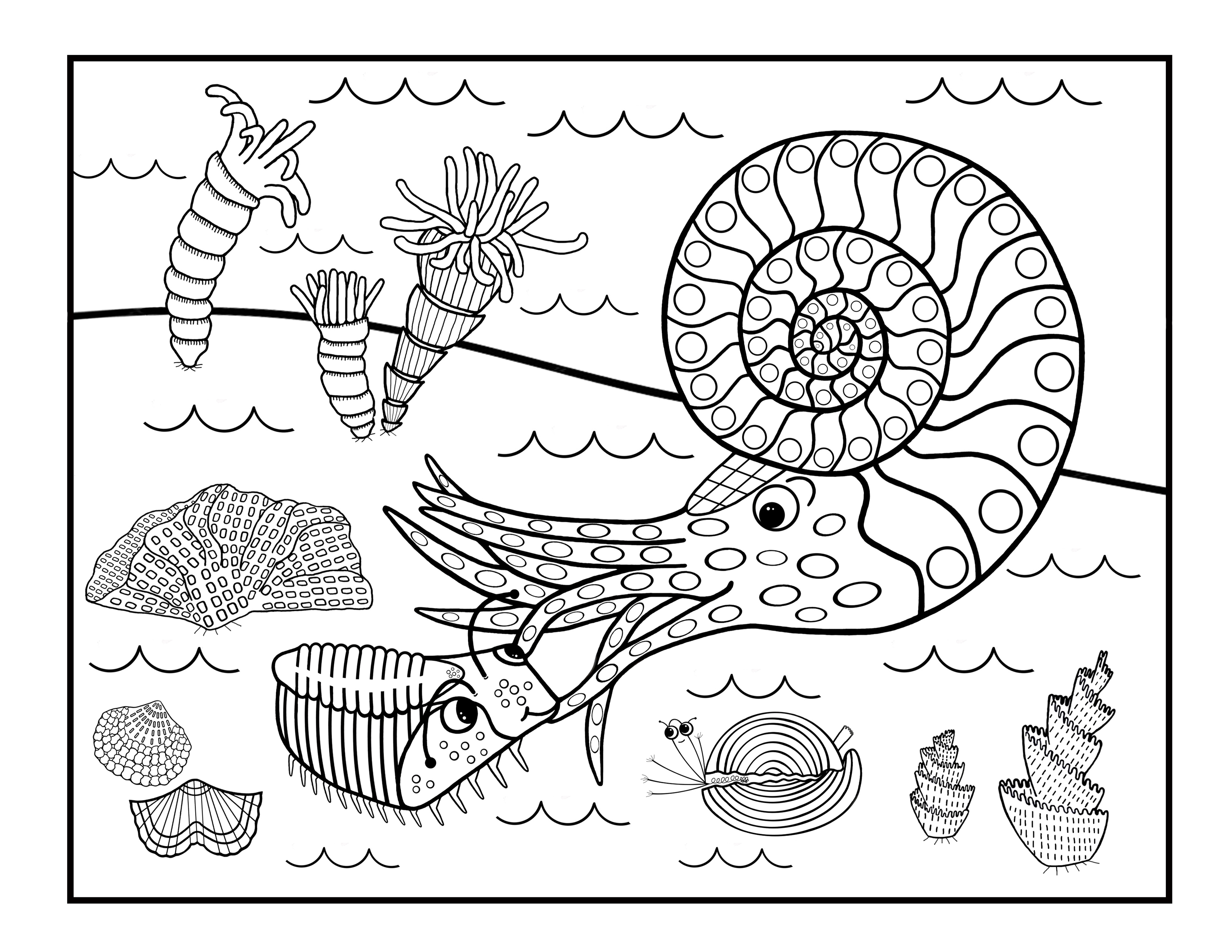
The T-Rex of the following time period, the Late Ordovician, beginning around 470 mya, emerged the cephalopod nautiloid creature related to squids and octopuses known as the Giant Orthocone “Cameroceras”. The massive creature’s living tissue was contained primarily at one end of a very long conical shell which could reach 20-30 feet (6-9 meters) in length. Straight-shelled nautiloids (orthocones) varied wildly in size from just a few inches to massive, but most were in the range of several feet long. The animal’s inner shell contained chambers that it could fill with water and then push the water out in order to jet propel itself in a backwards motion. This also alowed it to maneuver up and down throughout the ocean strata. The inner chambers also contained special gases for buoyancy.
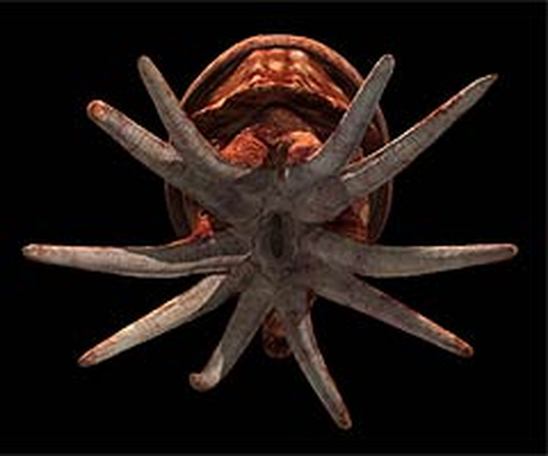
The Giant Orthocones seized its prey using meter long (three feet) muscular tentacles and a beak-like mouth in order to rip apart its victims. It fed upon fish and its arch enemy, sea scorpions.
Did you know fossils of straight-shelled cephalopod nautiloids have been quarried by Europeans for many years and adorn floors, stairs, jewelry, gravestones and art pieces with their durable and desirable beauty?
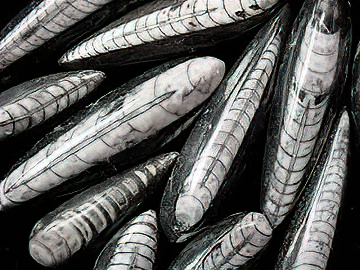
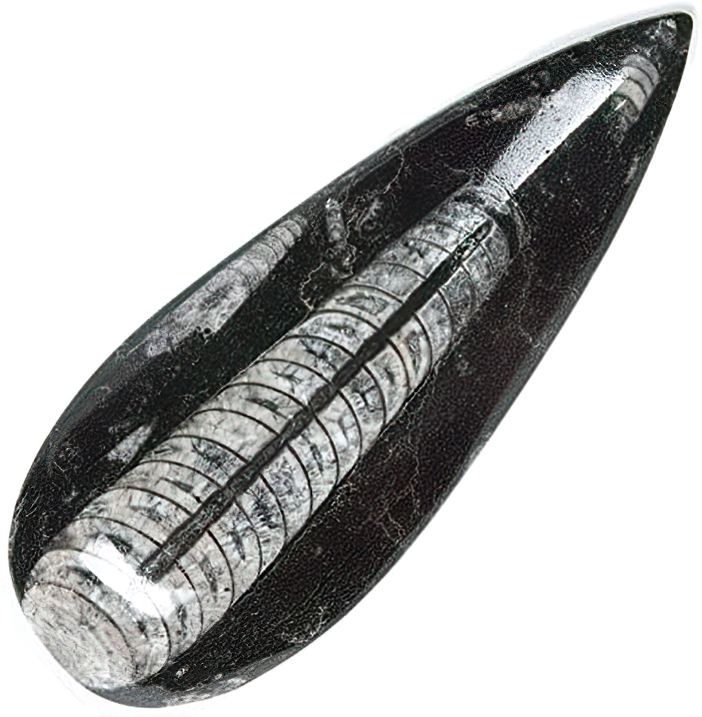
Straight Shelled Nautiloid Polished Fossils
3. Eurypterid Sea Scorpion
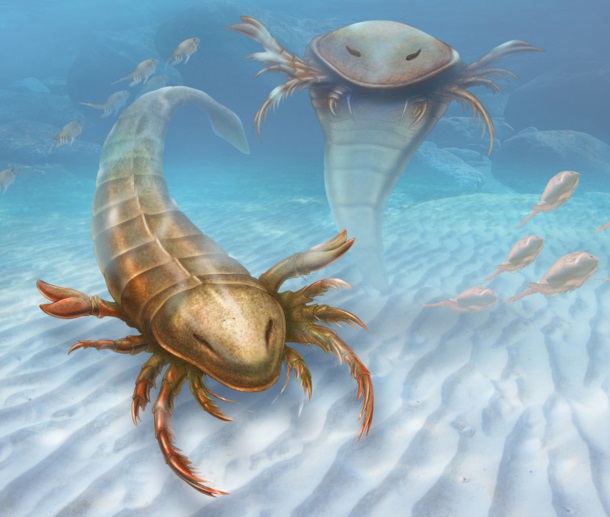
Eurypterids, simply put, were scorpions of the sea, otherwise known as sea scorpions. They were the largest known arthropods that ever lived. The fossils of sea scorpions have been found all over the world. The U.S. state of New York has unearthed an especially large number of this predatory animal. Eurypterids survived a long history beginning with the Ordovician Period extending into the Permian Period from about 460 million-years-ago to 248 mya. That’s over a 200 million year history!
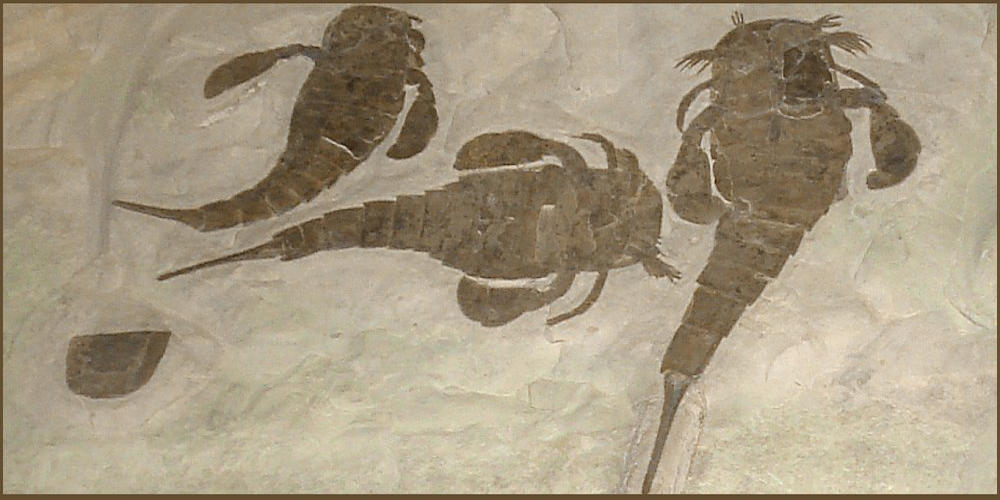
Sea scorpions both swam and walked using six legs, two of which were flattened like paddles. They were normally marine sea-floor dwellers, and interestingly, they could also live in freshwater. Sea scorpions preyed upon fish, trilobites and other animals living near the seabed. They possessed strong defenses such as sharp spines, crushing claws and armored plating. Their has been disagreement among scientists whether some of the prehistoric species possessed stingers. The eurypterid’s arch enemies were the straight-shelled nautiloids.
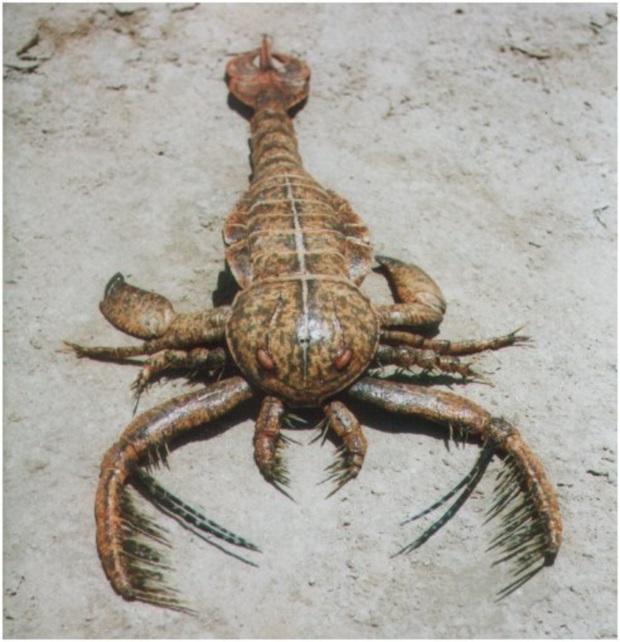
Megalograptus was one of the earlier large species of eurypterid sea scorpions measuring 4 feet (1.2 meters) long, not including its front pincher claws. However, the most common species of eurypterids typically measured only 8 inches (20 cm) long.
Photo: Megalograptus – Giant Eurypterid Sea Scorpion
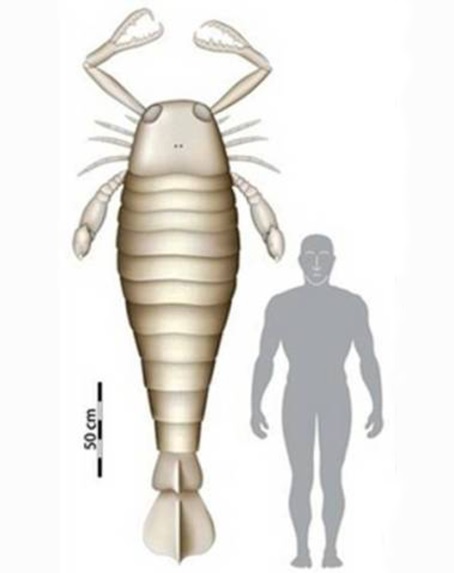
Jaekelopterus was a later species of sea scorpions emerging during the Devonian Period around 390 mya, reaching over 8 feet (2 meters) or more in length. Try to imagine a scorpion about the size of a kayak! Terrifying!
Note: The tables were turned when the sea scorpion’s arch enemies, the straight shelled nautiloids, declined in size during the Devonian time slot from their giant Ordovician Period predecessors. As a result, eurypterids like Jaekelopterus gained the upper hand using their powerful claws to clamp down and crush the linear shells of smaller nautiloids.
Photo: Jaekelopterus – Scale of Giant Eurypterid Sea Scorpion
4. Dunkleosteus Placoderm Fish
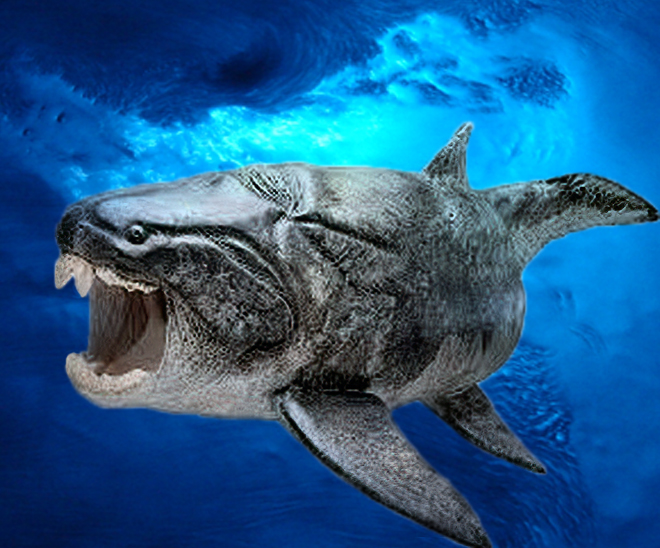
During the Devonian Period around 416 mya until about 360 mya, vertebrates had greatly arisen on the ocean scene. A highly evolved class of fish called “placoderms” possessing advanced characteristics stemming from their predecessor “ostracoderms” dominated the ancient seas. For protection, both classes of fish possessed armored plates covering their head and upper torso regions. The main advancement with placoderms was the development of a jawbone and paired fins. Those two significant adaptations provided them the necessary speed and power to become fearsome predators, aggressively chasing prey rather than waiting for the perfect opportunity. Ostracoderms were eventually overrun into extinction unable to compete with their cousin placoderms.

Dunkleosteus placoderm was the T-Rex of the Devonian time-period, terrorizing the ancient seas. He reached lengths up to 10 meters (33 feet) and weighed almost 4 tons. Instead of teeth, Dunkleosteus possessed two pairs of impaling sharp boney blades. Dunkleosteus could open its mouth in 1/50th of a second, which would have caused a powerful suction that pulled prey into its mouth, a food-capturing ability reinvented by many of the most advanced fish today. The placoderm fish could then bite down with a pressure of up to 8,000 pounds per square inch (55 mph), placing it in the league of T-Rex and modern crocodiles! There wasn’t much of anything the great placoderm didn’t or couldn’t eat during its lifespan, including its own kind.
In recent decades, Dunkleosteus has finally achieved the recognition it deserves as a super predator. There are a large number of its fossil specimens on display which have been found in North America, Poland, Belgium and Morocco.
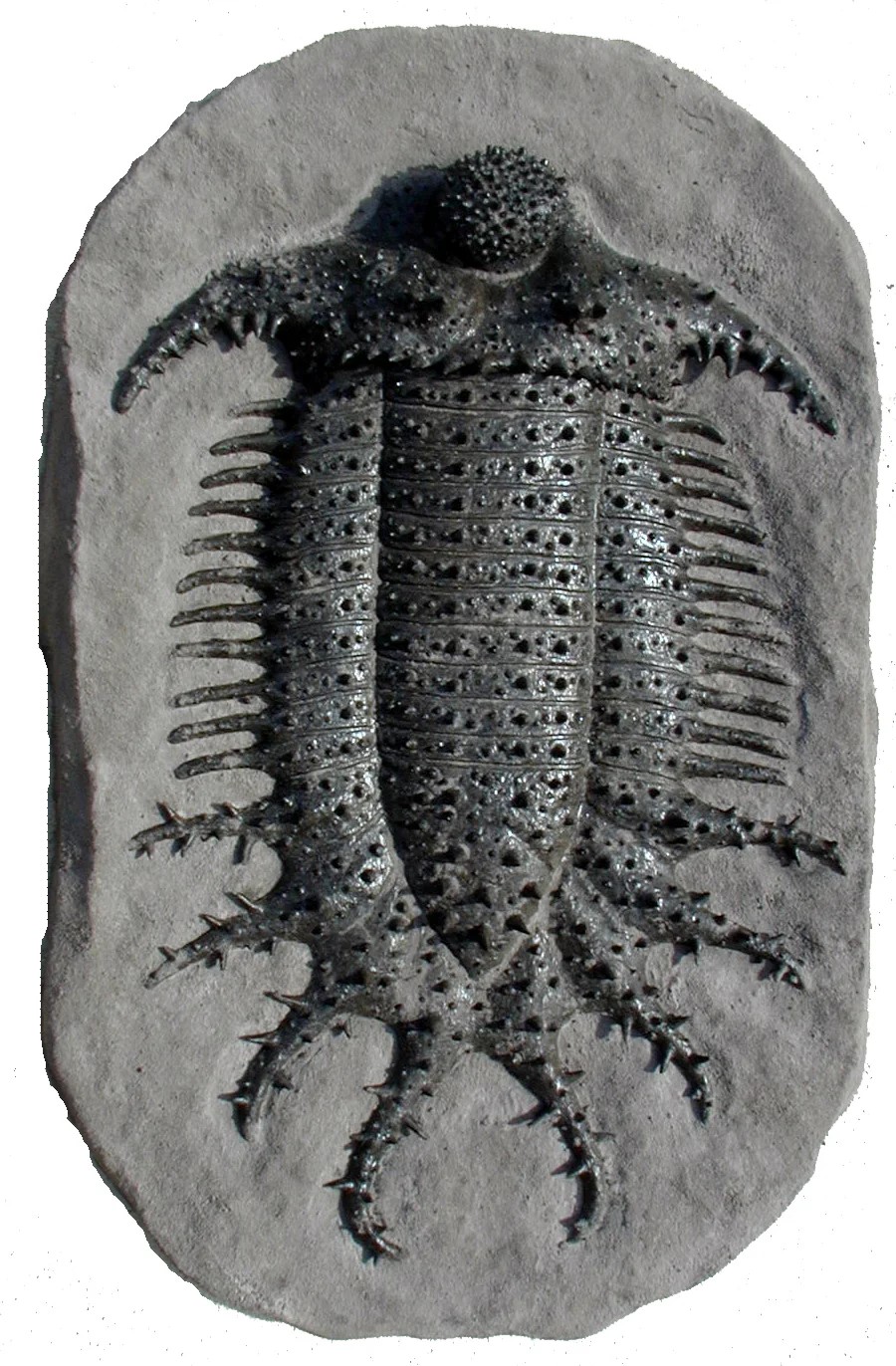
5. Grand Trilobites
Trilobites have an incredible history first appearing approximately 520 million years ago during the Cambrian Period. They thrived for nearly 300 million years, acting as dominant marine arthropods, before going extinct during the Permian-Triassic mass extinction event around 250 million years ago. They were among the earliest and most successful complex animals on Earth!
Terataspis grandis (shown above) means “great monster shield”. Through millions of years of evolution, by the middle of the Devonian Period around 400 mya, trilobites, although low on the food chain, had evolved some serious defenses to survive predators such as the large and spiny Terataspis grandis. Like most trilobites, Terataspis grandis was a bottom feeder, scavenging anything it could find, but it also was an opportunistic predator preying on burrowing animals such as small mollusks, worms and smaller arthropods. Terataspis grandis reached about 2 feet (60cm) in length, which in relation to most other trilobites, was enormous. The vast majority of trilobite species were small, typically measuring between 1 and 4 inches (3 and 10 cm) in length.
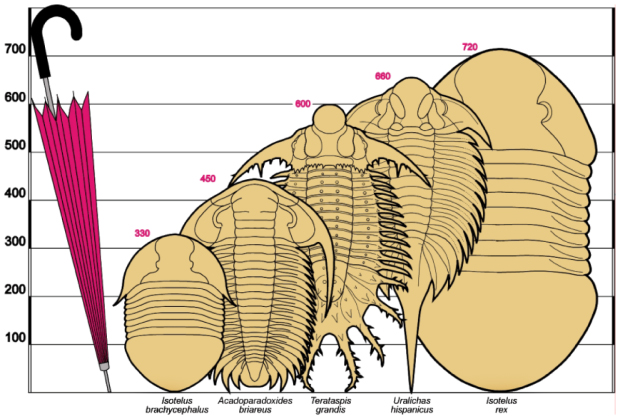
Isotelus, rex is the largest trilobite ever found going back in the time scale from the Ordovician Period which began 485 mya. It could reach 28 inches (71 cm) in length. Many of Isotelus, rex fossils have been discovered in the great state of Ohio where it is the proud state fossil.
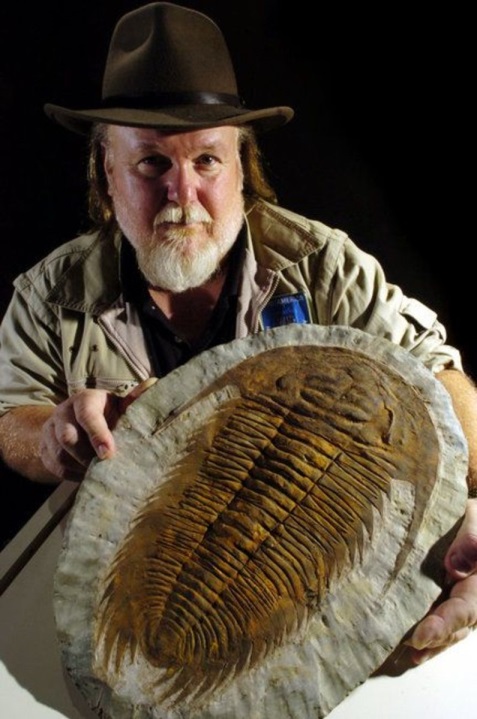
All trilobites were sea creatures having the distinction of possessing a segmented body, multiple jointed limbs and an armored outer shell, placing them in the category of arthropods related to insects and crustaceans. Trilobite means three lobes in Greek, from tri and lobos, named for its three major lengthwise sections.
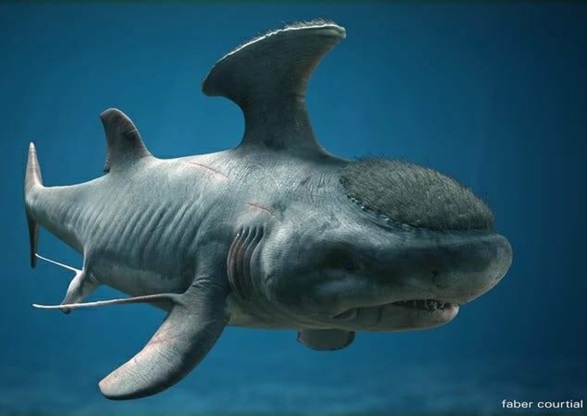
5. Bizarre Prehistoric Sharks
Beginning in the late Devonian Period and into the early Carboniferous Period around (345 to 300 mya) sharks were diversifying so much that scientists have labeled it the “Golden Age of Sharks”. The placoderms were dying out, only lasting a 50 million year history compared to sharks 400 million year history. With the decline of placoderms, environmental niches allowed sharks to fill in, and as a result they assumed a wide variety of bizarre shapes. From this stage of evolution, they had become the top predators of the oceans.
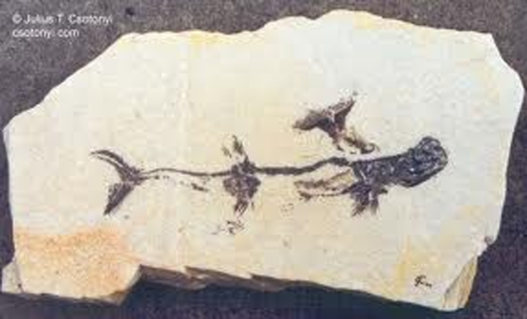
Stethacanthus shark may have grown to 11 feet (3.3 meters) long, but sources differ referring somewhat smaller. One thing undisputed is the strange anvil-like growth protruding from its back that was completely overlaid with sharp brush-like spikes. The same type of spikes also covered the top of its head. There has been much speculation about the use of these spikes. One theory proposes it may have played a role in courtship, while another proposes it simply may have made the creature look more frightening.
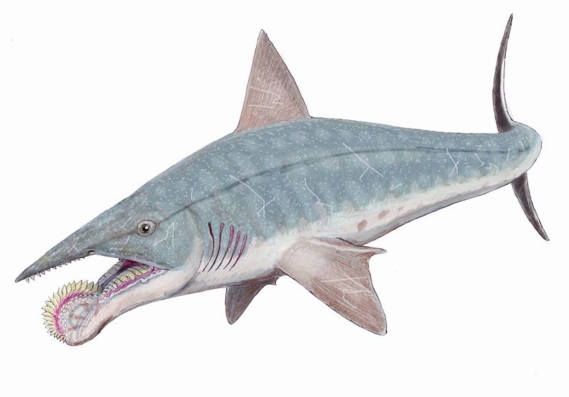
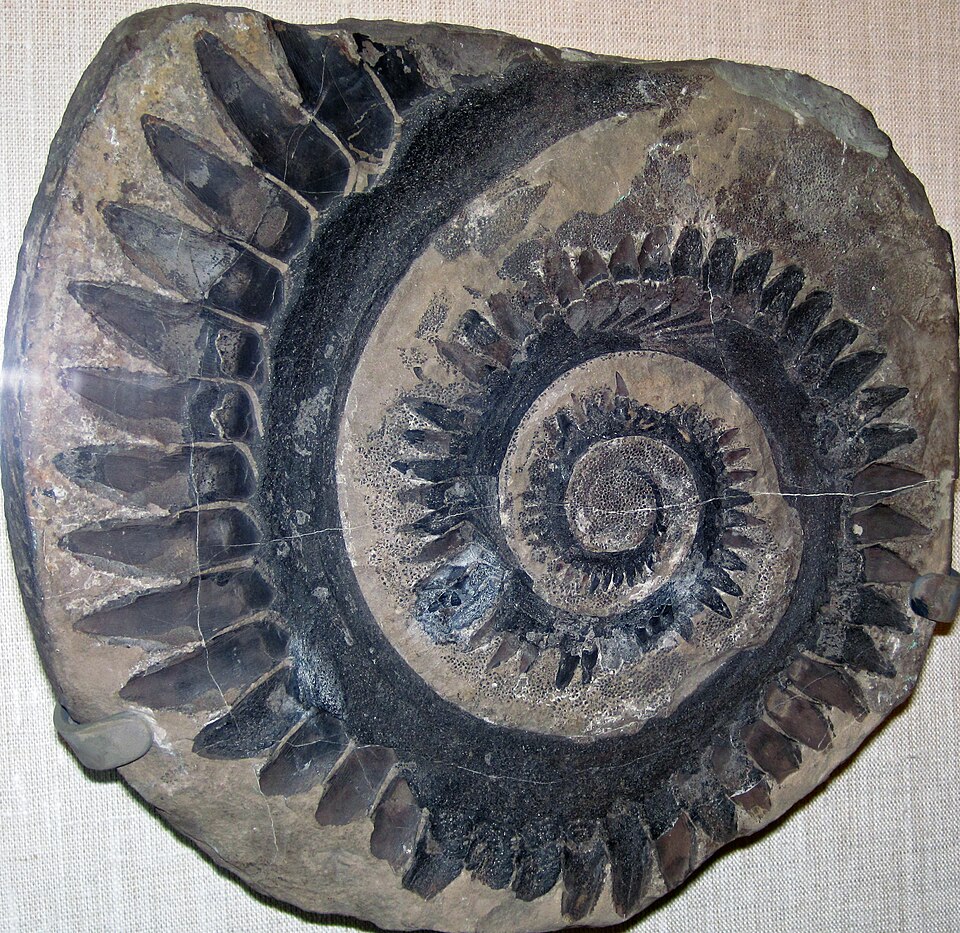
Another strange shark emerging during the period was Helicoprion. Not much is truly known about this shark, but the pattern of its teeth is instantly recognizable. They formed a whorl semi-circle arrangement protruding out of its mouth. One theory suggests the whorl may have aided in shelling or extracting the bodies of nautiloids and ammonites.Unlike modern sharks, the teeth did not fall away at the front possibly resulting in the rotated bizarre spiral which mystifies modern science.
The largest genus of sharks in the bizarre top-predator group was Edestus giganteous described in the video below. Edestus giganteous lived during the latter part of the Carboniferous Period around 325 mya. He reached up to 20 feet (6 meters) long weighing up to 2 tons. That’s comparable to the largest great white sharks of today. Comparable to its relative, Helicoprion, Edestus giganteus’s teeth formed a strange curved shape, and it also did not shed its teeth. It must have been very intimidating to other creatures looking as if it possessed saw blades for a mouth.
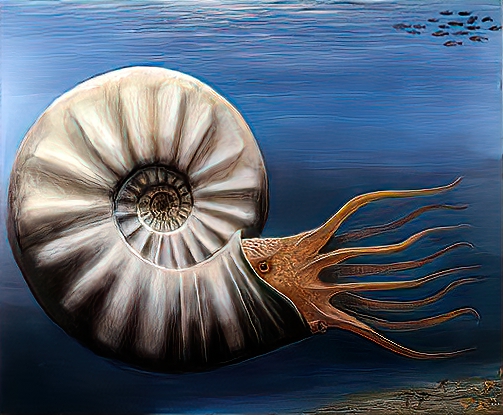
7. Giant Cephalopod Ammonites
Ammonites were closely related to the straight-shelled cephalopod nautiloids only they had adapted a coiled shell which allowed them more freedom of mobility. They even used the same jet propulsion mode of movement. Their numbers greatly grew beginning as early as the Devonian and peaked some 300 million years later during the Cretaceous Period (144 – 65 mya). Consecutively, the straight-shell forms greatly declined, unable to compete with the more mobile ammonite nautiloids.
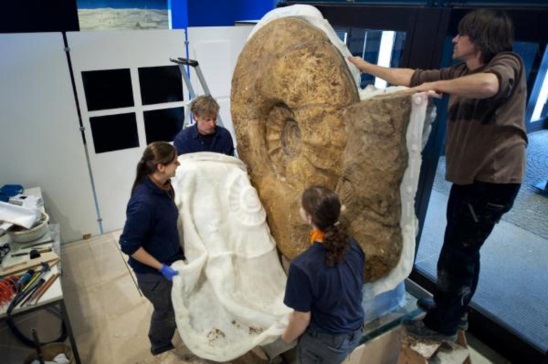
Parapuzosia seppenradesis lived during the Cretaceous Period (145 to 66 mya). The sample in the photo was unearthed in Germany and measured 6.5 feet (2 meters) in diameter. The biggest forms of ammonites have been especially found in later rocks of the upper Jurassic Period from around (180 -145 mya) such as Titanites occidentalis, shown below.
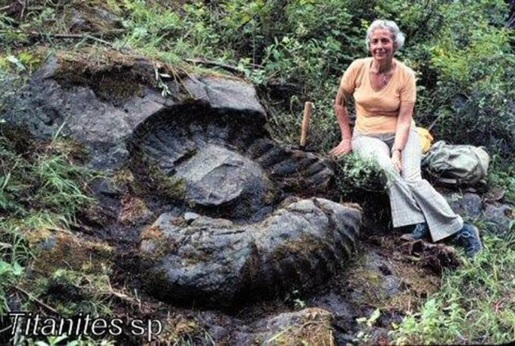
The ammonite fossil shown in the photo below with the lady was first discovered in 1947 on the side of a mountain in British Columbia, Canada. It has been scientifically recognized as Titanites occidentalis. The original fossil was too fragile to move, so scientists used latex to make molds of it. The fossil measures 6.7 feet (2 meter) in diameter earning the nickname “Fossil Truck Tire”. Later, in 2004, another, even larger specimen was found in the same region confirming that the current mountainous region was formerly a shallow, tropical sea.
The ammonites were so successful and numerous with approximately 30 to 40 thousand species that their remains are used as index fossils for scientists to date rock layers and other organisms within the same rock strata. The super successful ammonites experienced the same final fate 65 million years ago along with the dinosaurs. Their close relative, the nautilus, often referred to as a living fossil, is the lone survivor among nautiloids.
© 2026 Fossillady
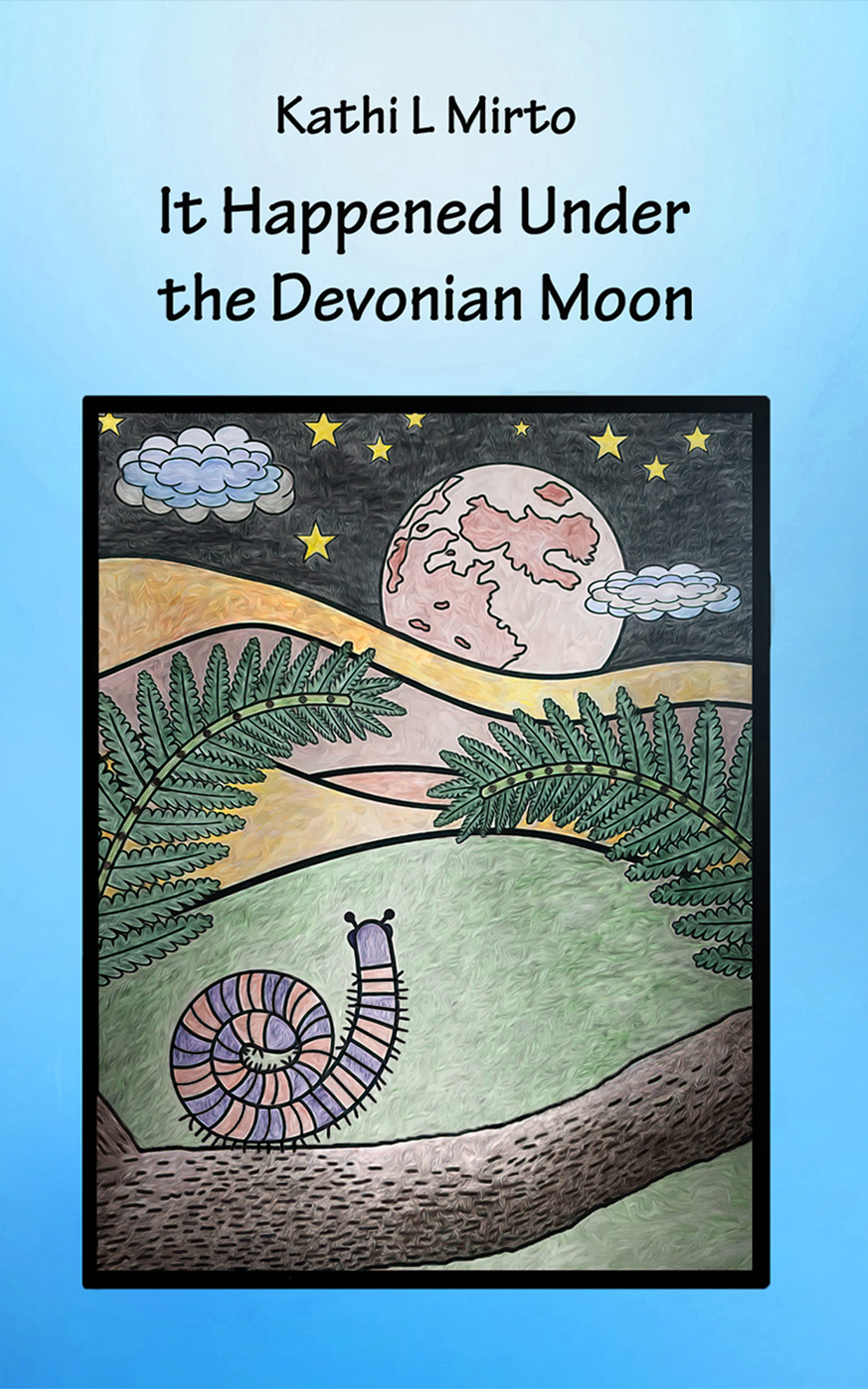
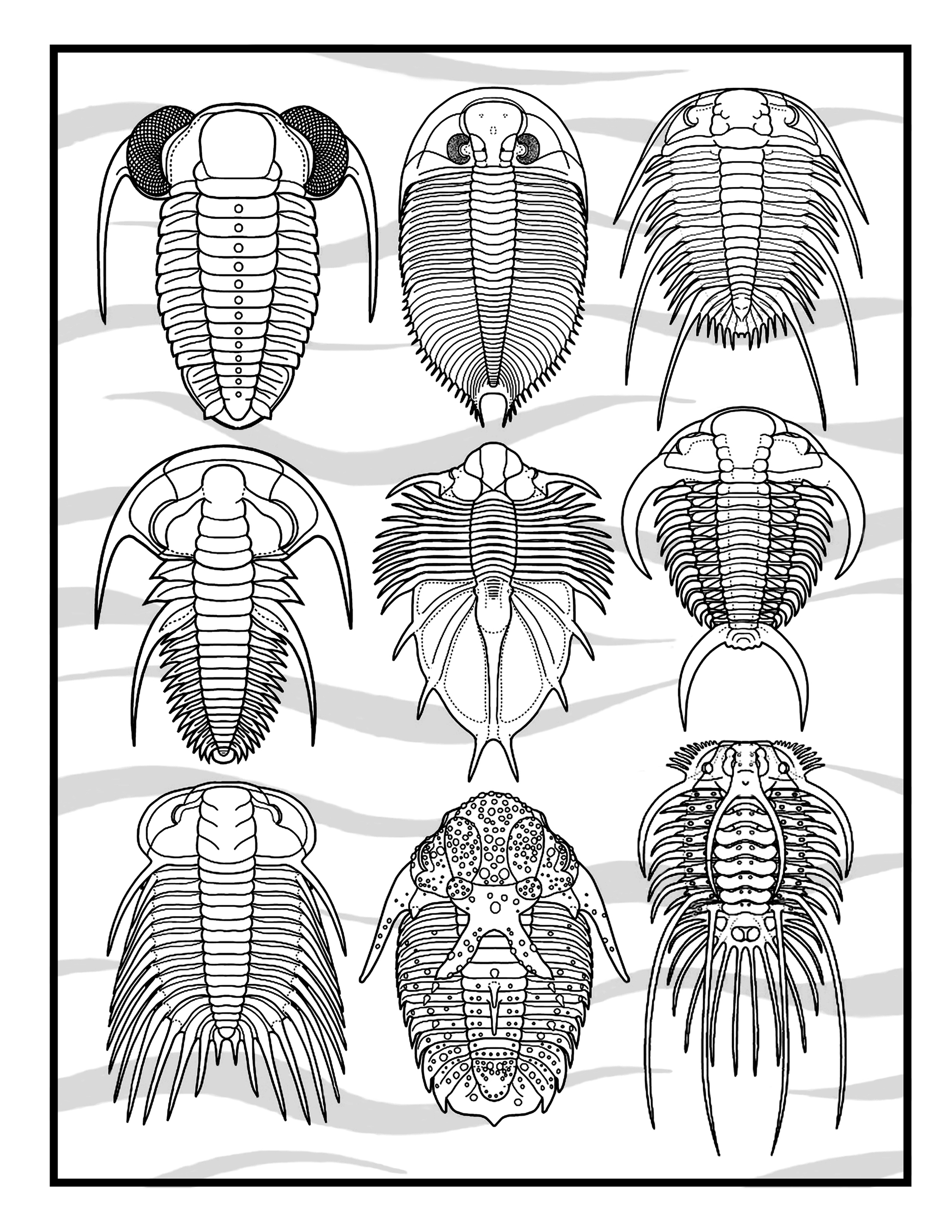
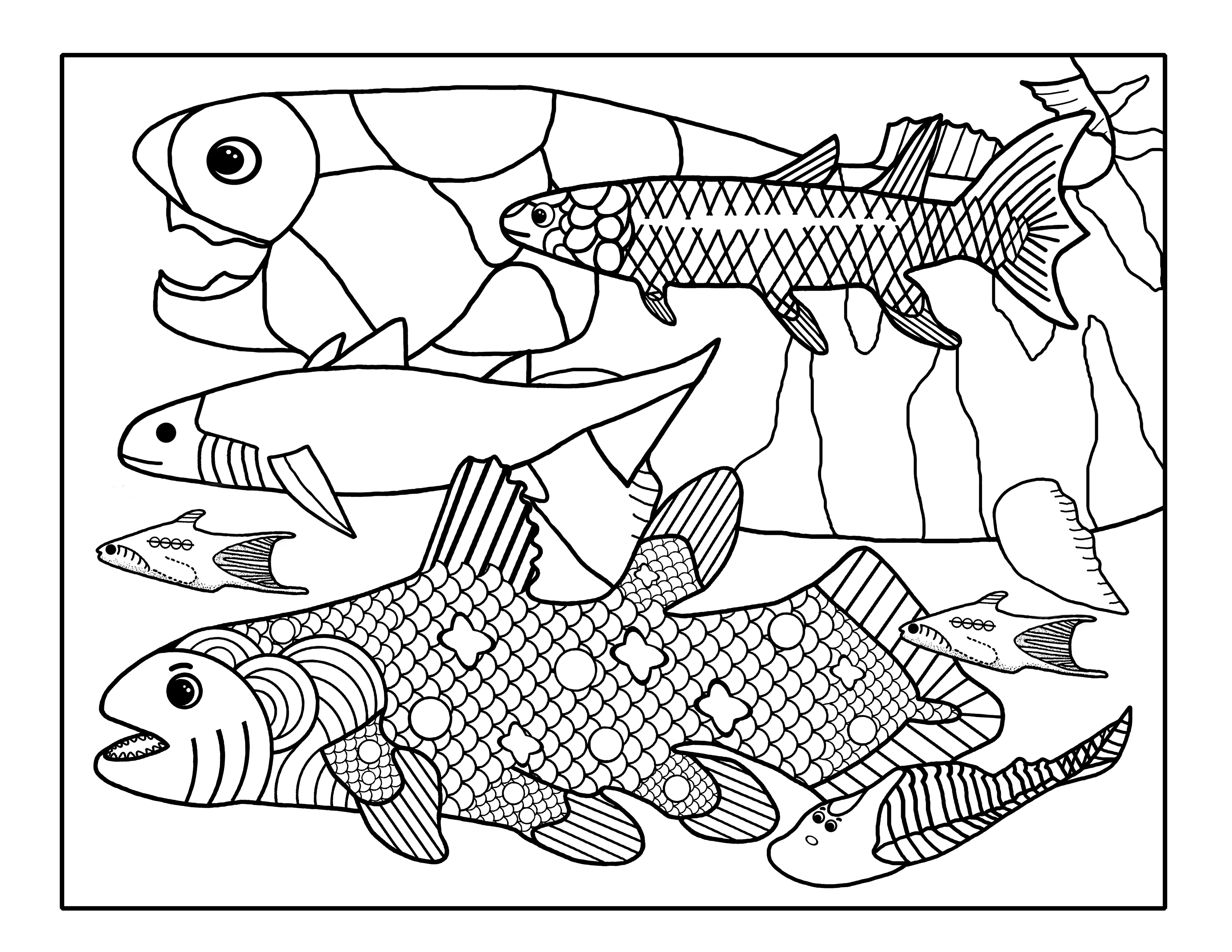
Check out my two fiction books featuring prehistory insights blended with imaginative storytelling that educate as they entertain! Perfect for young explorers, ages 11-15+! A coloring/activiy book available includes story scenes, fossil photos with descriptions of plants and animals from the Devonian time period and more, suitable for adults, as well! Available on Amazon.com.

 Fossil Lady
